




Coalport Bone China
Coalport bone china brings exquisite British ceramic artistry to your home, offering painted landscapes, rich gilding, and fine porcelain forms.
Coalport Bone China
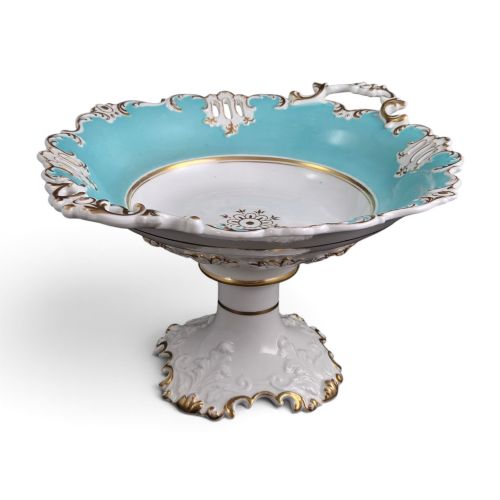
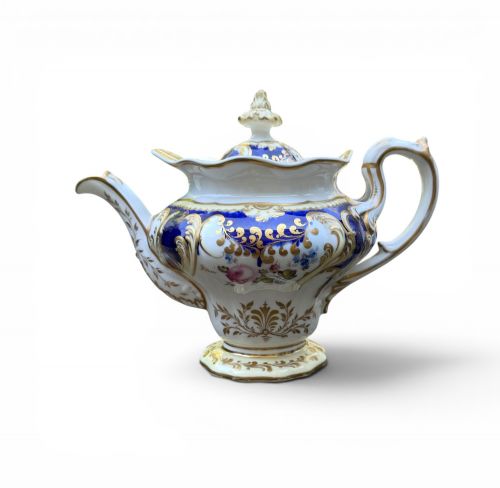
When searching for coalport bone china, collectors encounter a diverse array of nineteenth and twentieth-century porcelain items ranging from cabinet plates and tazzas to complete dinner services. These pieces originate from distinct historical periods including the Georgian, Regency, Victorian, and Edwardian eras, displaying classic British craftsmanship.
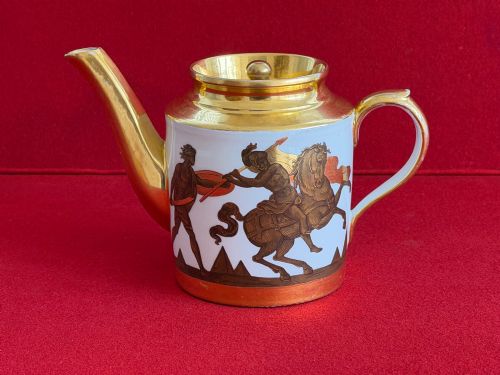
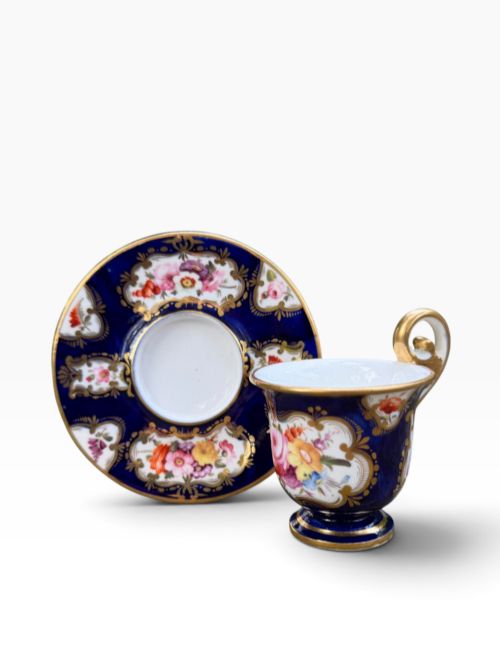
The most common items met on this page include decorative cabinet cups and saucers, hand-painted plates featuring topographical scenes, and ornate tea services. These items demonstrate the shifting artistic tastes from early botanical patterns to later rococo revival and bat wing motifs.
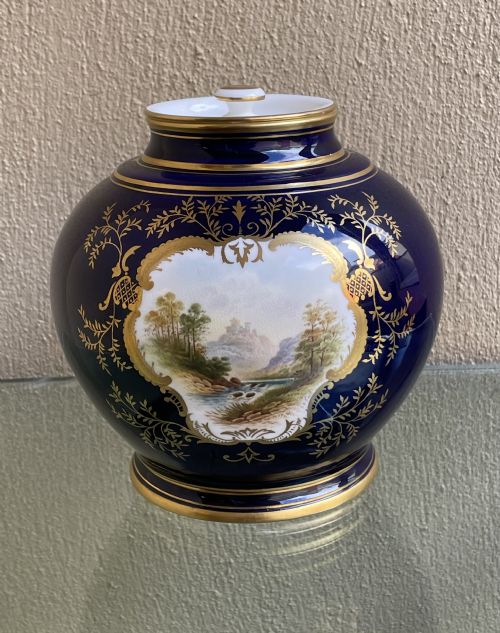
Buyers also find specialised forms such as ewers, covered vases, and serving dishes that highlight the extensive range of production. Each piece reflects the specific decorative vocabulary of its decade, from the John Rose period to mid-century artistry.
Materials and technique
Makers utilised refined bone china and porcelain bodies as the foundation for these items, shaped into functional vessels and decorative display pieces. These white ceramic surfaces provided an ideal canvas for subsequent enamel decoration and gilding.
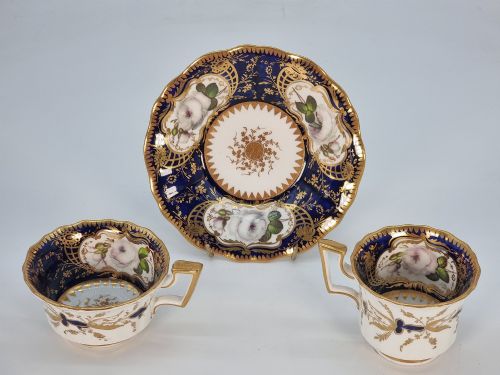
Artisans applied hand-painted details using vibrant cobalt enamel and gold leaf to accent botanical illustrations, topographical views, and fruit studies. Gilding and gold gilt finish the rims and handles, adding a layer of traditional elegance.
Coalport Bone China Retail Price Guide 2026
Typical asking prices for coalport bone china among the pieces listed under this phrase on Sellingantiques today, from the lower quarter to the upper quarter. They describe what is for sale here now, not the wider market.
Listings feature items spanning the Georgian, Regency, Victorian, Edwardian, and mid-twentieth-century periods.
Assessing quality and craftsmanship
The sophistication of the hand-painted artwork primarily separates standard decorative items from superior examples. Pieces painted by recognised artists demonstrate a higher level of detail in landscape and botanical rendering.
The application and preservation of gold leaf and cobalt enamel also indicate the grade of a piece. Heavier, more intricate gilding and crisp enamel work reflect superior workshop execution during manufacturing.
John Rose·E O Ball·Richard Budd·Tom Keeling
The Coalport Bone China Glossary
- Bone china
- A type of porcelain incorporating bone ash, known for its strength, milky white colour, and translucent quality. This material forms the base of the majority of these antique items.
- Cabinet plate
- A decorative ceramic plate intended for display in a cabinet rather than for dining use. These often feature elaborate hand-painted scenes or portraits.
- Tazza
- An Italian term for a small cup or flat, shallow saucer raised on a stem and foot. In English ceramics, it serves as an elevated display dish.
- Cobalt enamel
- A deep blue vitreous substance fused to the ceramic surface during firing. It provides a striking contrast against white porcelain and gold gilding.
Coalport Bone China: Frequently Asked Questions
How do I date coalport bone china?
Dating these items involves examining the physical characteristics, stylistic traits, and any factory marks present on the base. Regency and Georgian pieces often display simpler botanical motifs, while Victorian and Edwardian examples lean toward elaborate rococo revival styles or specific artist signatures.
Changes in ceramic bodies and decorative palettes over the decades further assist in establishing a reliable timeframe for each object.
Were these pieces used for dining?
While many items such as tea sets, coffee services, and dinner plates were created for functional use, cabinet pieces were strictly decorative. Plates, tazzas, and cup and saucer sets often served as ornamental displays in drawing rooms rather than daily tableware.
Items featuring heavy gilding and delicate hand-painted artwork were particularly suited for visual appreciation in glass-fronted cabinets.
How should I clean antique porcelain?
Cleaning antique porcelain requires gentle handling using lukewarm water and mild soap, avoiding harsh scrubbing brushes or abrasive detergents. Hand washing prevents damage to delicate overglaze enamels and fragile gold leaf highlights.
Submerging items for prolonged periods is discouraged, and pieces should be dried immediately with a soft, lint-free cloth.
What is a cabinet trio?
A cabinet trio typically consists of a matching tea cup, saucer, and a small side or dessert plate. These matched sets were produced for display or formal tea service within the home.
They frequently showcase the finest painting and gilding techniques available during their respective periods.