





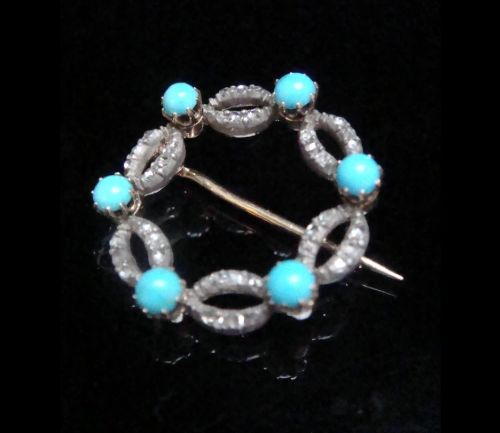

Cluster Brooch Jewellery
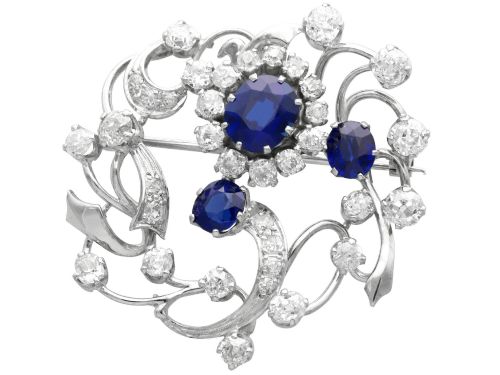
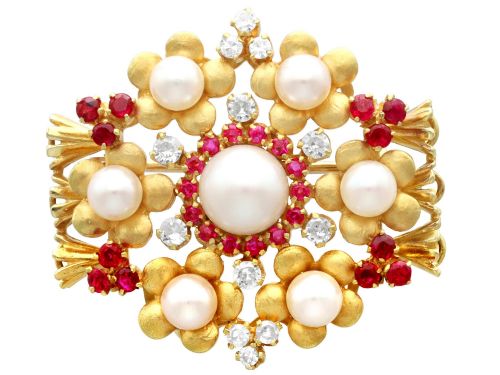
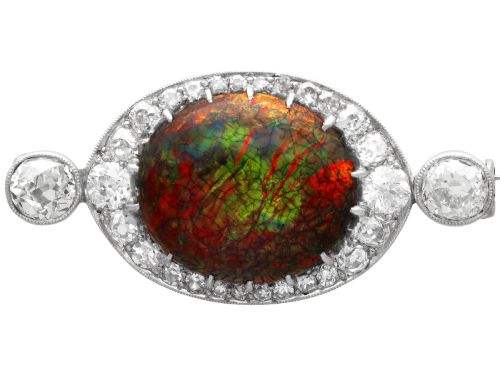
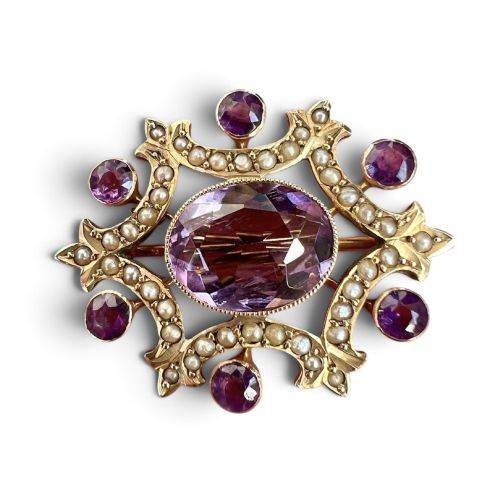
Cluster brooch jewellery brings together stones arranged in concentric patterns of gold, silver and platinum.
Cluster Brooch Jewellery
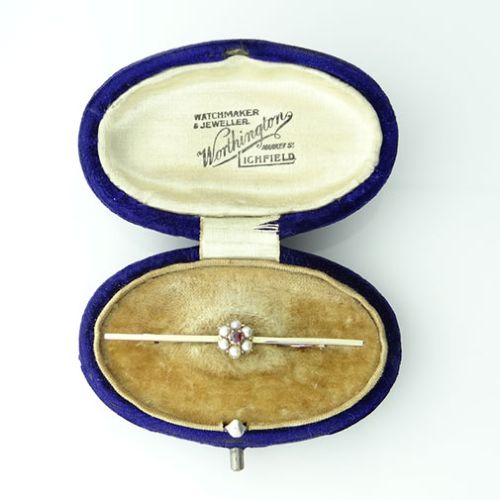
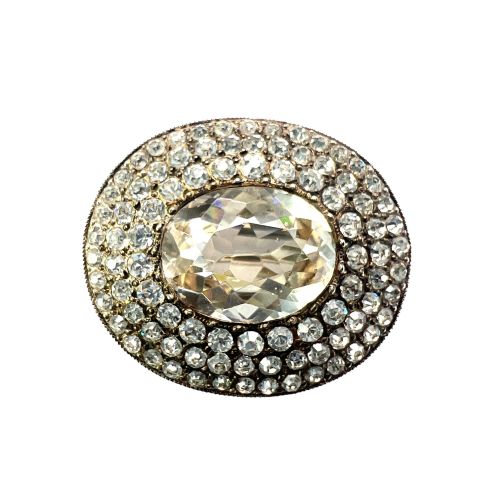
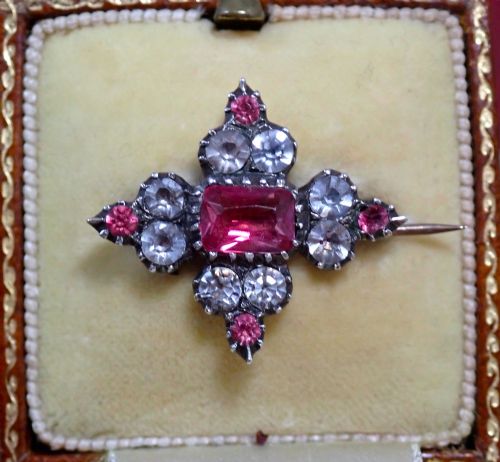
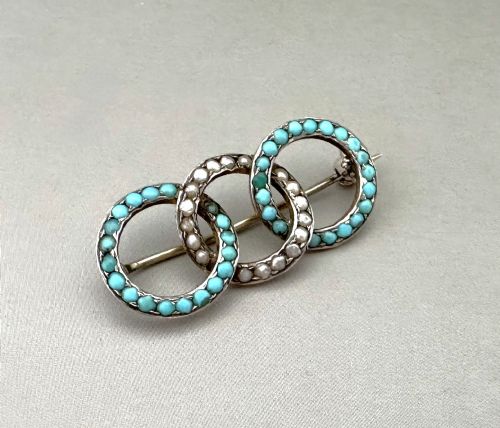
Cluster brooch jewellery gathers central gemstones surrounded by smaller accent stones, typically diamonds, pearls or coloured gems. When you search for cluster brooch jewellery, you encounter pieces spanning from the Georgian and Victorian eras through the Edwardian period to mid-century modern designs.
The most common formats on this page include floral arrangements, geometric star bursts and traditional circular clusters set in yellow gold, white gold or platinum. Many examples function as convertible pendant brooches, offering multiple ways to wear the item.
Materials and construction
Maker techniques rely heavily on combinations of silver and gold, particularly silver-topped gold settings common in earlier Victorian and Edwardian pieces to enhance diamond brilliance. Platinum emerges in later twentieth-century pieces, providing a secure and durable mount for intricate stone arrangements.
Gems such as rubies, sapphires, emeralds, amethysts, garnets and opals are hand-set alongside seed pearls, paste stones and rose-cut or brilliant-cut diamonds. Metalwork ranges from cast and chased yellow gold to delicate pierced platinum frames.
Cluster Brooch Jewellery Retail Price Guide 2026
Typical asking prices for cluster brooch jewellery among the pieces listed under this phrase on Sellingantiques today, from the lower quarter to the upper quarter. They describe what is for sale here now, not the wider market.
One cheerful flower basket brooch arranges colourful paste stones into a tiny garden scene that refuses to wilt.
Factors in quality
Quality rests upon the match, cut and saturation of the central stones relative to their surrounding accent gems. Balanced proportions, secure stone settings and harmonious colour pairings distinguish finer pieces.
The integrity of the metalwork, whether hand-carved gold or finely pierced platinum and silver, dictates the overall refinement. Original boxes, maker stamps and untouched stone arrangements elevate the standing of a piece.
G Colani·Christian Dior·Mikimoto·Beto
The Cluster Brooch Jewellery Glossary
- Cluster
- A stone arrangement featuring a prominent central gem encircled by a border of smaller stones. This layout maximises visual impact and light reflection.
- Paste
- Hand-cut glass used as a gemstone substitute in historic jewellery. Fine paste stones exhibit careful faceting and bright internal colour.
- Parure
- A matched set of jewellery designed to be worn together, typically including a brooch, earrings and necklace. Complete sets remain notable survivals.
- Seed pearl
- Very small natural or cultured pearls used as delicate accents in clusters. They add subtle lustre around coloured central stones.
- Silver-topped gold
- A manufacturing technique where gold forms the structural reverse of a piece with a silver layer soldered to the front. This method kept silver bright against stones while utilising gold strength.
Cluster Brooch Jewellery: Frequently Asked Questions
How do I wear a convertible pendant brooch?
These versatile pieces feature a hidden loop or fold-down bail at the reverse, allowing you to slide them onto a chain as a pendant.
When you wish to wear the piece as a brooch, simply tuck the bail away and secure the pin fastening to your garment.
How do I care for antique cluster jewellery?
Protect delicate materials like pearls, opals and emeralds by avoiding harsh chemical dips, ultrasonic cleaners and prolonged exposure to water.
Instead, wipe metal and durable stones gently with a soft dry cloth and store each piece separately in a lined box.
What is the difference between paste and real stones?
Paste is specially formulated lead glass hand-cut and polished to imitate precious gems such as rubies, emeralds and diamonds in antique pieces.
While not naturally occurring, high-quality historic paste carries its own collector value due to the exceptional skill required to fashion it.
How can I date a cluster brooch?
Examine the metal alloys, pin mechanisms and stone-cutting styles, noting that silver-topped gold and rose-cut diamonds typically point to Victorian and Edwardian eras.
Platinums, white golds and geometric motifs often indicate later Edwardian, Art Deco or mid-century origins.