





Clerical Portrait Canvas
A clerical portrait canvas captures the solemn dignity of ministers, bishops, and scholars through enduring oil and canvas.
Clerical Portrait Canvas
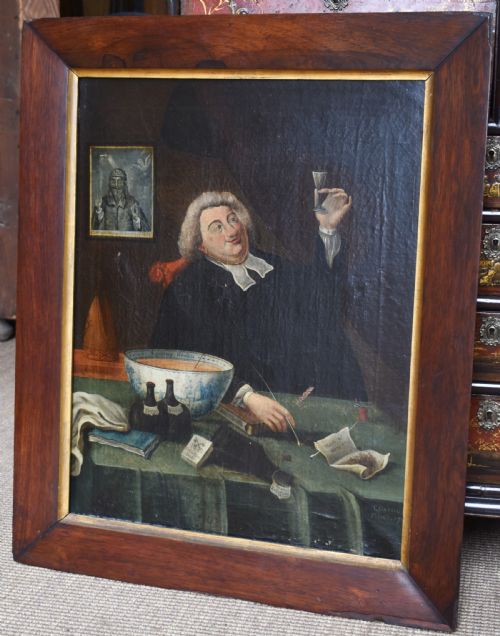
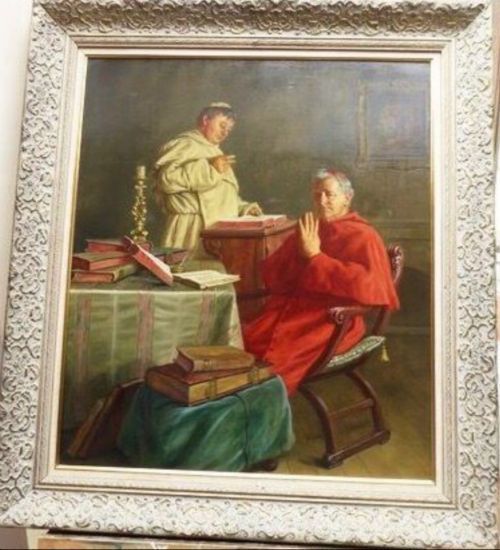
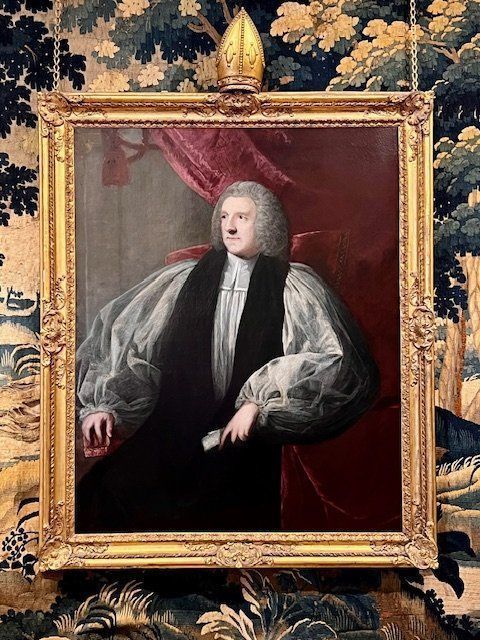
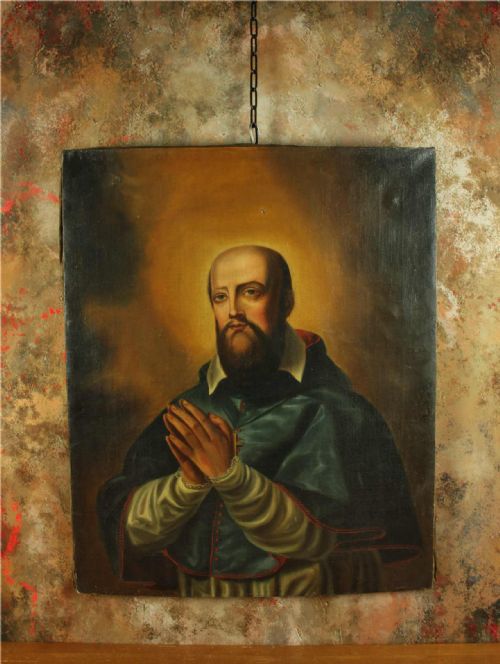
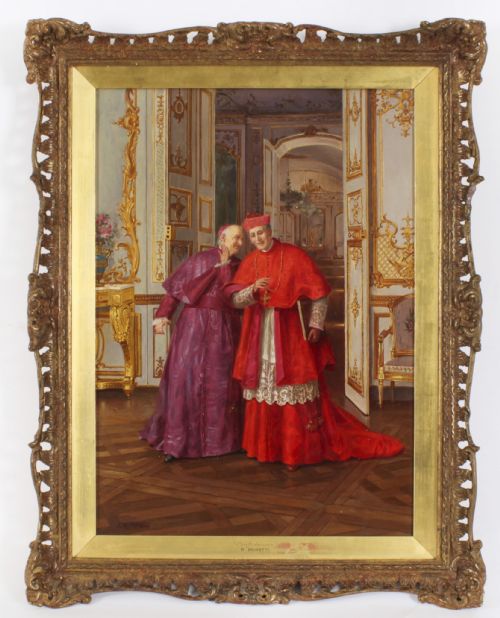
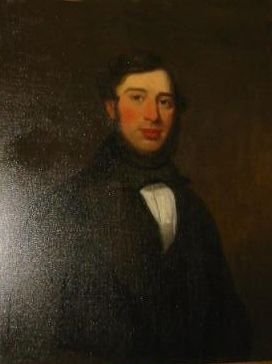
A clerical portrait canvas represents figures of faith and intellect, primarily spanning the seventeenth, eighteenth, and nineteenth centuries. These works depict archbishops, cardinals, vicars, and theologians posed in solemn contemplation or formal clerical attire.
The pieces on this page originate from British, Italian, and Spanish schools, ranging from anonymous regional churchmen to prominent prelates. Canvases vary from intimate head-and-shoulder studies to imposing three-quarter length compositions housed in giltwood frames.
Materials and technique
These works are painted in oil upon stretched canvas, utilising layers of pigment and glaze to build depth in heavy robes and facial shadows. Painters applied oil paint with varied brushwork, capturing the rich textures of ecclesiastical wool, lawn sleeves, and powdered wigs.
Clerical Portrait Canvas Retail Price Guide 2026
Typical asking prices for clerical portrait canvas among the pieces listed under this phrase on Sellingantiques today, from the lower quarter to the upper quarter. They describe what is for sale here now, not the wider market.
Monks admiring fish and cardinals dining at table provide charming glimpses of clerical life beyond the solemn formal pulpit.
What separates the finest works
Quality rests upon the artist's command of anatomy and psychological presence, distinguishing routine provincial output from masterwork portraiture. The finest canvases render hands, facial expressions, and the subtle play of light across clerical bands with striking naturalism.
Condition and originality dictate lasting merit, particularly the stability of the oil ground and the preservation of original canvas stretchers. Works with documented attribution to known portraitists or identifiable sitters command greater historical interest.
Ernst Stierhof·Sir Joshua Reynolds·Frank Moss Bennett·Frank Hyde·Alan Ramsay·Eden Upton Eddis·James Ward·John Jackson·Edward Penny
The Clerical Portrait Canvas Glossary
- Oil on canvas
- Pigments bound in a drying oil medium applied to a woven fabric support. This combination allowed artists to blend tones smoothly and achieve rich luminosity.
- Giltwood
- Timber carved and coated with a thin layer of gold leaf or gilt finish. These frames often complement the age and prestige of the central painting.
- School
- A group of artists working in a similar geographical region or stylistic tradition during a specific period. It is frequently attributed when an individual maker remains anonymous.
- Pinxit
- A Latin term meaning he painted it, traditionally inscribed alongside an artist's signature. It denotes authorship on historical portrait canvases.
Clerical Portrait Canvas: Frequently Asked Questions
What is a clerical portrait canvas?
A painted oil depiction of a religious figure, minister, or theologian executed on a canvas support. These works record the likeness and status of churchmen across several centuries.
Subjects range from local parish reverends to high-ranking cardinals and archbishops, often rendered in traditional clerical vestments.
How were these portraits displayed?
Historical portraits of clergy members typically hung in ecclesiastical residences, colleges, and grand country houses to mark ecclesiastical lineage and authority.
Today, they suit traditional studies, libraries, or living spaces where their rich tones and historical gravity complement period interiors.
How can I date a canvas?
Dating relies on stylistic clues such as the sitter's costume, wig style, collar design, and the preparation of the canvas itself. Seventeenth-century examples often feature stiffer rands and linear rendering, while eighteenth and nineteenth-century works display greater painterly freedom.
Inscriptions on the reverse or frame frequently record the sitter's dates, age, or the year the portrait was painted.
Who are the typical sitters?
Sitters include bishops, vicars, popes, puritan ministers, and theologians from various European traditions. Many canvases identify the subject through contemporary lettering painted onto the canvas edge or frame plaque.
Others depict anonymous monks or churchmen engaged in quiet contemplation or daily clerical life.