

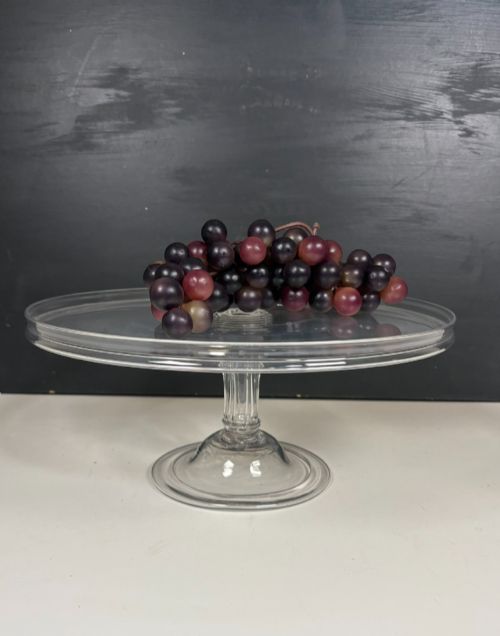

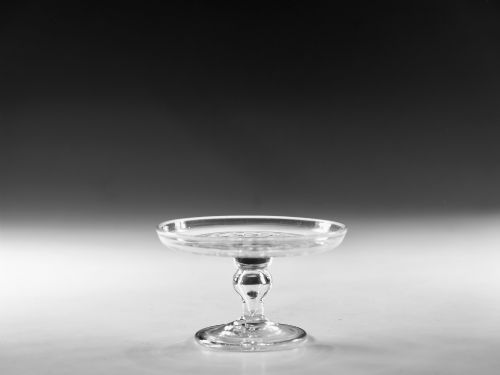


Clear Glass Sweetmeat
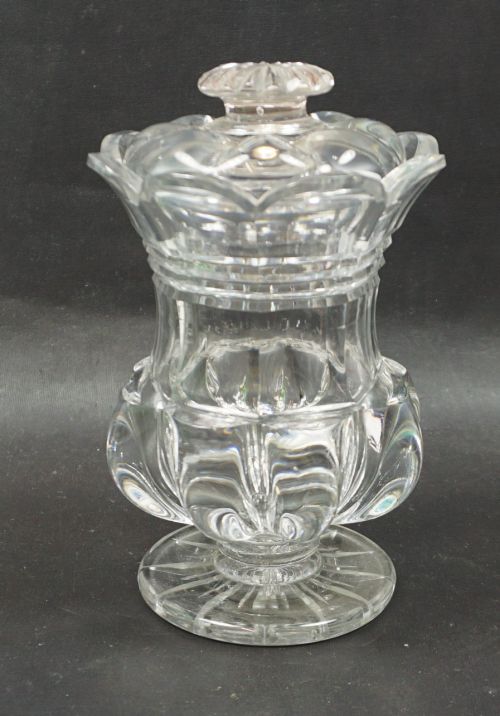
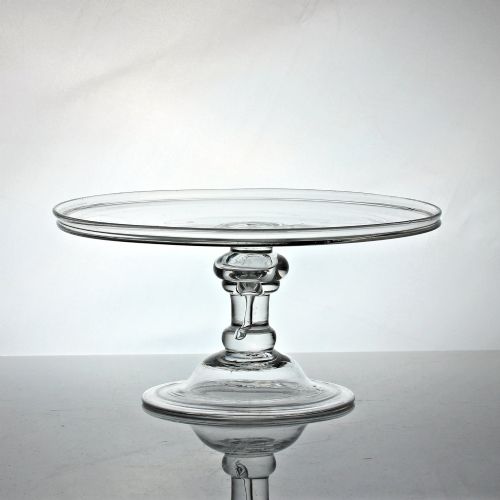
Clear glass sweetmeat vessels combine heavy lead crystal bowls, raised tazza forms and intricate stems to serve confectionery on Georgian and Victorian tables.
Clear Glass Sweetmeat
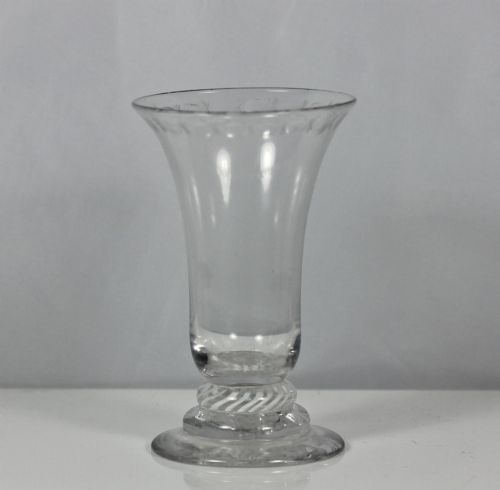
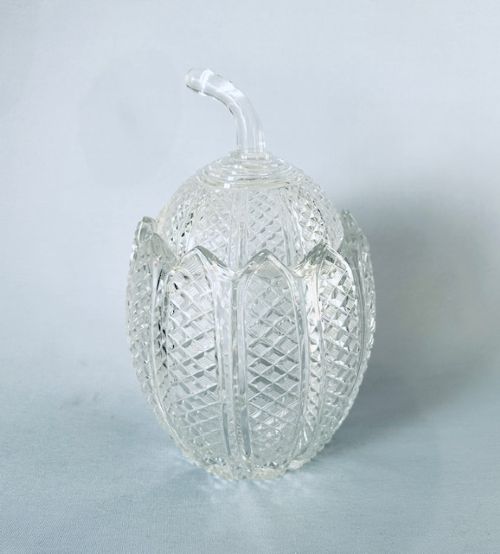
A clear glass sweetmeat search reveals tall tazzas, lidded jars, shallow bowls and stemmed glasses designed for serving sweet delicacies. These items originate predominantly from the eighteenth and nineteenth centuries, taking the form of baluster glasses, patch stands and covered bowls.
The most common examples encountered on this page belong to the Georgian and Victorian periods. Buyers will find footed tazzas, rib-moulded sweetmeat glasses and cut crystal jars spanning the 1740s through to the late nineteenth century.
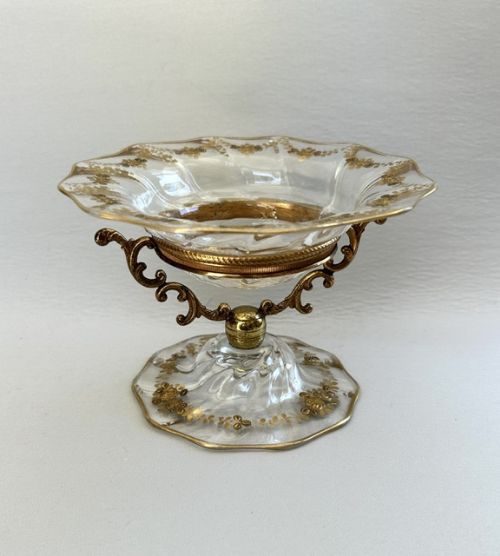
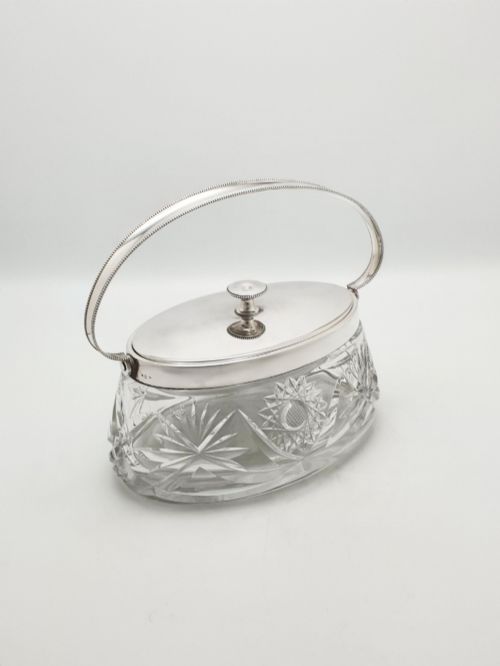
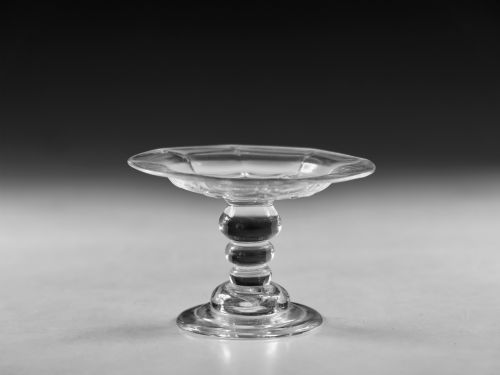
Forms range from miniature patch stands with terraced feet to large George III tazzas and silver-mounted biscuit boxes. Many feature crisp honeycomb mouldings, double series opaque twist stems or gilded details reflecting Georgian and Edwardian tastes.
Distinctions in quality and execution
Quality rests upon the crispness of the glass cutting and the precision of the mould work, particularly on honeycomb patterns and facet-cut stems. Superior examples display sharp, clean facets and well-proportioned baluster or triple-knop stems without distortion.
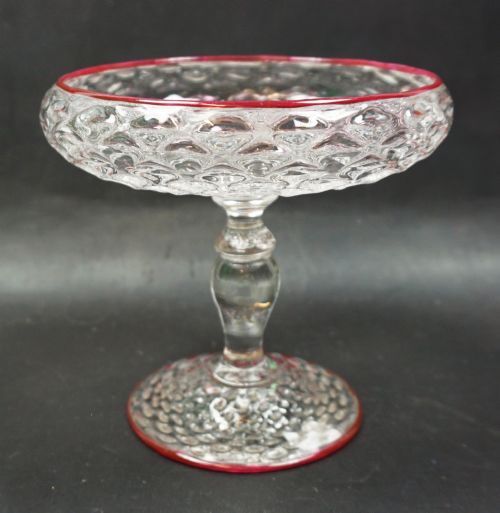
The integration of secondary materials such as silver mountings or applied red cane decoration alters the character of a piece. Finer items maintain structural balance between the heavy lead glass bowl and the terraced or domed foot.
Clear Glass Sweetmeat Retail Price Guide 2026
Typical asking prices for clear glass sweetmeat among the pieces listed under this phrase on Sellingantiques today, from the lower quarter to the upper quarter. They describe what is for sale here now, not the wider market.
Listings feature lead glass, flint glass and cut crystal objects spanning the Georgian, Victorian and Edwardian periods.
WMF
The Clear Glass Sweetmeat Glossary
- Sweetmeat glass
- A stemmed glass vessel with a shallow bowl designed for holding small sweet confections, sugar plums or nuts at the dining table.
- Tazza
- A small shallow bowl or dish raised on a high foot and central stem, commonly utilised for serving sweetmeats or fruit.
- Patch stand
- A miniature footed dish or small tazza from the eighteenth century, originally intended to hold cosmetic beauty patches.
- Baluster
- A swelling, turned stem shape found on eighteenth-century drinking vessels and sweetmeat glasses.
- Lead glass
- A heavy, dense type of glass containing lead oxide that increases brilliance, refractive index and weight.
Clear Glass Sweetmeat: Frequently Asked Questions
What were sweetmeat glasses used for?
These vessels held sweet confections, dry sweetmeats, nuts and small desserts served at the conclusion of formal meals in the eighteenth and nineteenth centuries.
Hosts placed tazzas and stemmed sweetmeat dishes directly on the dining table to allow guests to select confectionery between courses.
How do I date an 18th-century tazza?
Dating relies on examining the stem formation, foot construction and metal characteristics. Eighteenth-century pieces frequently feature baluster stems, folded feet or heavy lead glass composition.
Tool marks, pontil scars on the underside and rib-moulding patterns provide further clues to the manufacturing decade.
Can I use antique sweetmeat jars today?
These glass pieces function well for display or for holding dry items on a sideboard or table. Hand washing in tepid water preserves the historic glass and any silver mounts.
Sudden temperature changes should be avoided to protect antique lead crystal from thermal shock.