

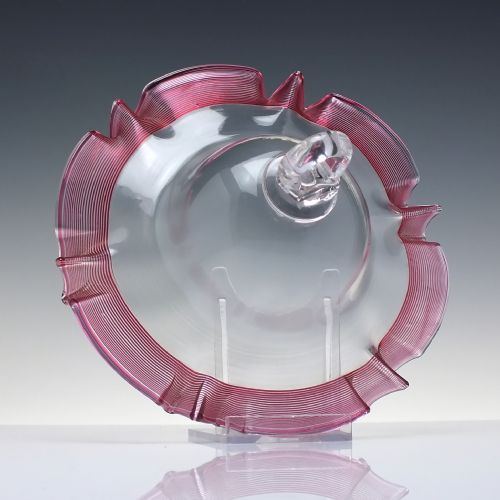


Clear Glass Cover
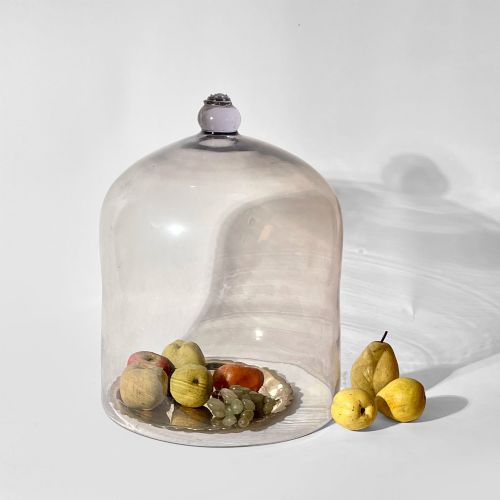
A clear glass cover protects and frames treasured items, bringing period craftsmanship into modern rooms.
Clear Glass Cover
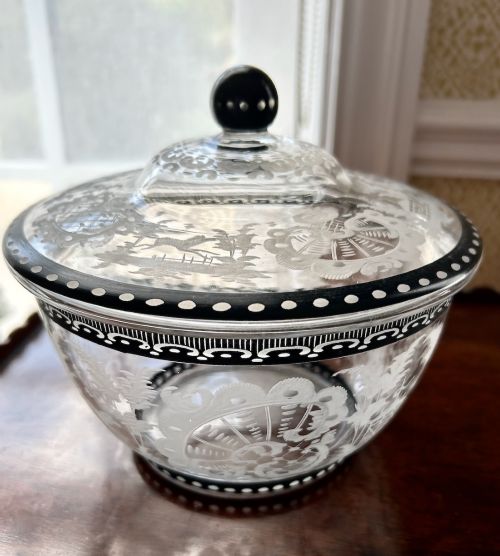
A clear glass cover serves multiple purposes across different periods, appearing most frequently as display domes, cloches, and lidded jars. Buyers searching for a clear glass cover will encounter Victorian and Edwardian display domes mounted on wooden bases, alongside Georgian and 19th-century cut glass bowls and condiment containers.
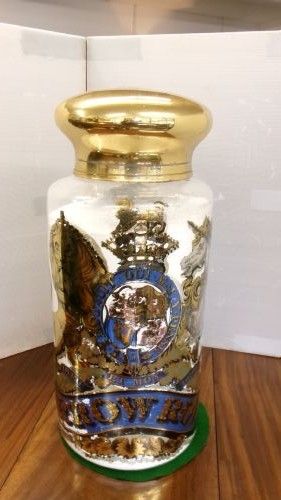
The selection ranges from large taxidermy showcases and clock domes to apothecary jars and table vessels. Victorian examples often house specimens or timepieces, while earlier Georgian and 19th-century variants emphasise cut crystal and decorative tableware.
Materials and construction
Makers utilised blown and lead crystal glass, shaping vessels and domes while combining them with wooden bases of ebonised wood, beech, oak, and pine. Metal elements such as silver plate and copper appear alongside enamel and fabric in specific serving dishes and cloches.
Cutting and etching techniques define the decorative vessels, creating faceted surfaces on lead crystal bowls and jars. Domes rely on clear, heavy glass blown to fit wooden display stands precisely.
Clear Glass Cover Retail Price Guide 2026
Typical asking prices for clear glass cover among the pieces listed under this phrase on Sellingantiques today, from the lower quarter to the upper quarter. They describe what is for sale here now, not the wider market.
Listings feature items from the Georgian, Victorian, and Edwardian periods, constructed in glass, wood, copper, and silver plate.
Quality variations
The integration of the accompanying base or cover mount influences overall standard. Finely turned wooden bases and substantial silver-plated or copper fittings indicate superior manufacture.
The Clear Glass Cover Glossary
- Cloche
- A bell-shaped glass cover used traditionally to protect plants or display food and delicate objects.
- Display dome
- A blown glass cover placed over a wooden base to protect and exhibit taxidermy, clocks, or curiosities.
- Lead crystal
- A type of glass containing lead oxide, which increases weight, brilliance, and clarity for deep cutting.
- Sweetmeat jar
- A covered glass vessel designed originally for holding small confectionery items or sweet preserves.
- Taxidermy showcase
- A large glass dome and base assembly built specifically to preserve and display animal specimens.
Clear Glass Cover: Frequently Asked Questions
What fits under a glass dome?
Display domes traditionally house delicate specimens, taxidermy, clocks, and botanical collections to protect them from dust. They also serve to highlight sculptural ornaments and decorative objects on mantels and tables.
Selecting a dome requires measuring both the height and diameter of the intended object to ensure adequate clearance beneath the glass curve.
How do I clean antique glass?
Warm water and a mild detergent suit most plain glass covers and jars. Avoid harsh abrasives that might scratch older surfaces.
Items with cut crystal or metal mounts require careful handling to preserve the integrity of the secondary materials.
Are these covers period originals?
The pieces span the Georgian, Victorian, and Edwardian eras, reflecting the manufacturing standards of their respective decades. Hand-blown glass often displays small bubbles and minor irregularities indicative of period production methods.
Matching a cover to a base involves examining the fit and the type of wood or metal used in the construction.
How were lidded jars used?
Lidded jars functioned as apothecary containers, sweetmeat vessels, and butter dishes in dining and domestic settings. Their covers kept contents clean while allowing visibility of the provisions.
Displaying these jars today involves placing them on sideboards or dressing tables as standalone decorative pieces.