


Clear Glass Box
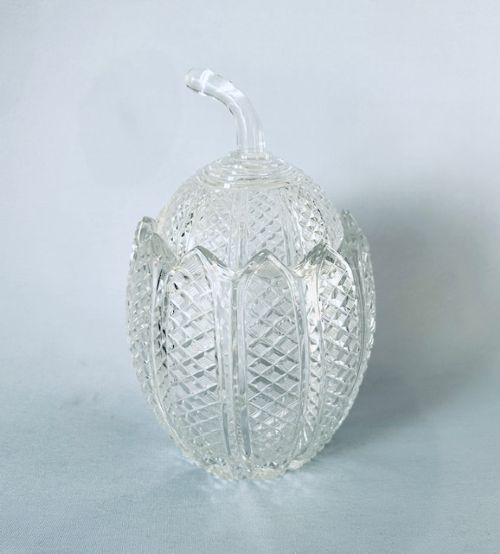
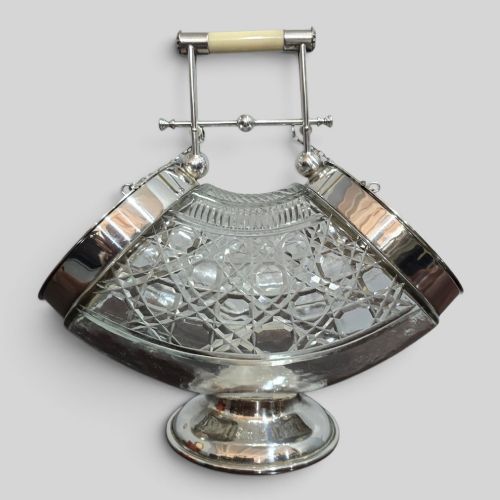
A clear glass box brings a bright weight to a dressing table or desk, holding trinkets, powder or biscuits behind heavy facets.
Clear Glass Box
When you search for a clear glass box, you encounter objects designed to contain biscuits, trinkets, powder and vanity items across the Georgian, Victorian, Edwardian and Art Deco periods.
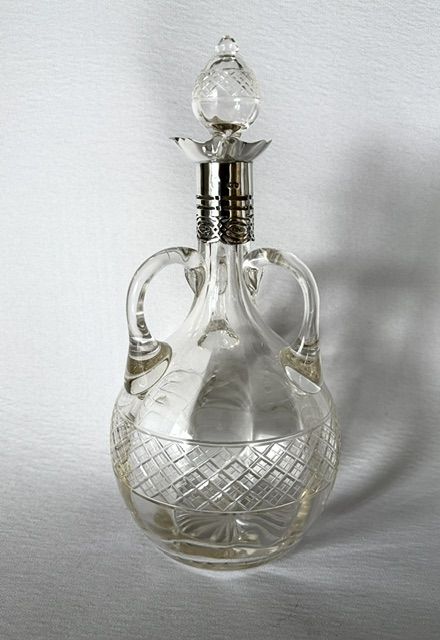
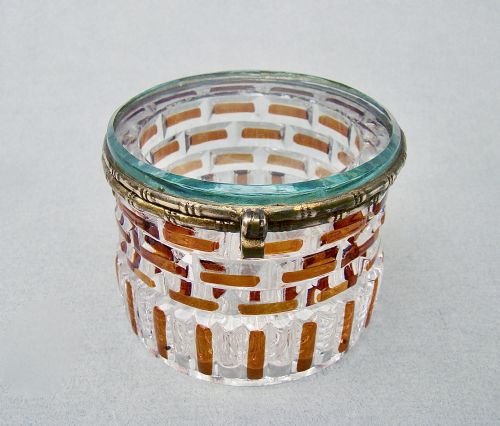
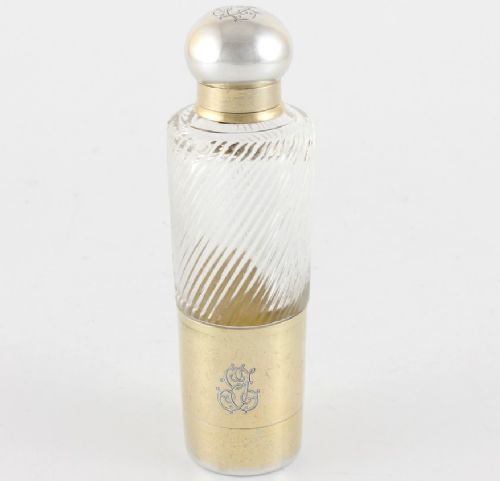
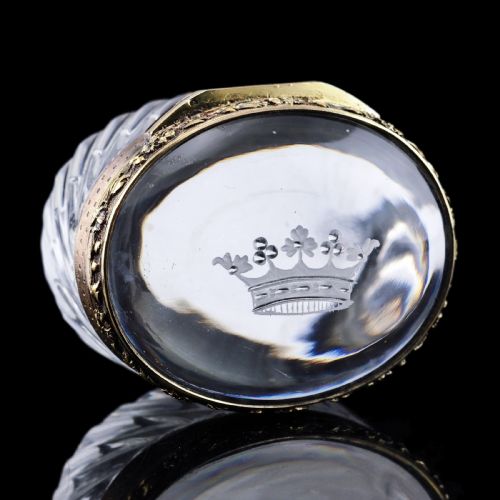
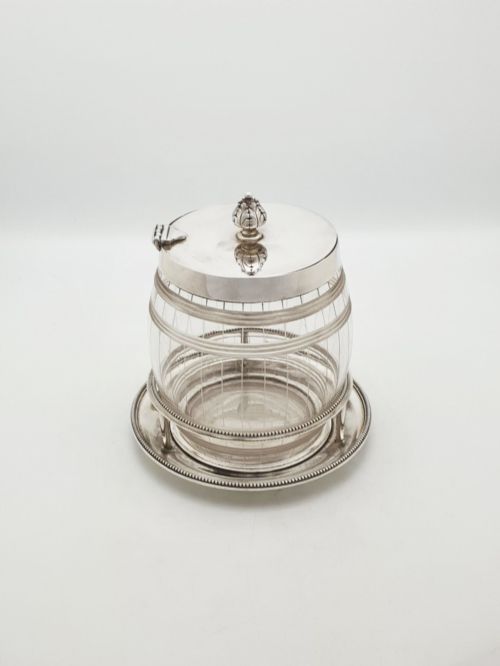
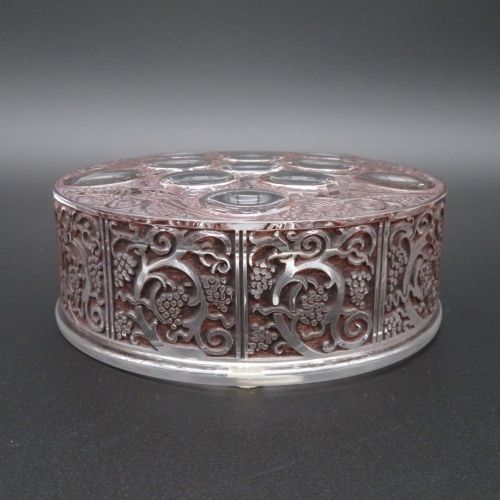
The pieces meeting you on this page take the form of biscuit barrels, trinket boxes, scent bottles, powder boxes and jewellery boxes made from glass, crystal and cut glass.
Originating largely from English and French workshops, these items span periods from the late eighteenth century through to the nineteen-thirties.
How they were made
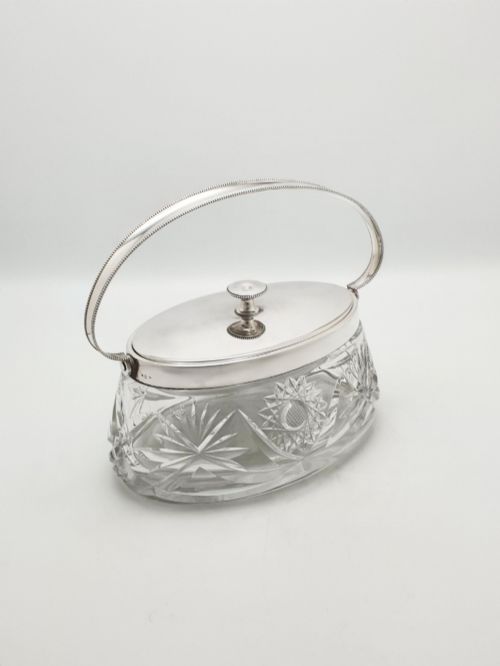
Makers shaped the vessels from clear glass or crystal using heavy cutting, hobnail patterns and faceting to catch the light.
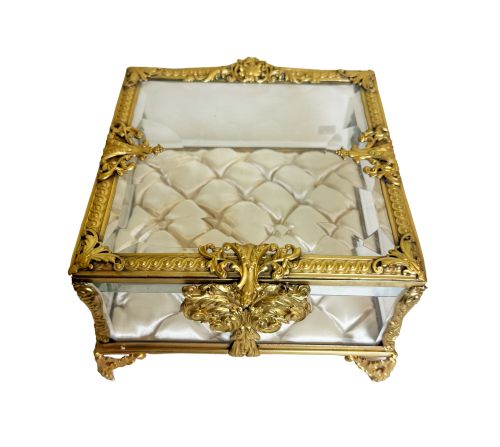
Metal mounts in sterling silver, silver plate, brass, gilt bronze and ormolu secure the rims, hinged lids and swing handles.
The listings on this page span the Georgian, Victorian, Edwardian and Art Deco periods, utilising materials such as cut crystal, sterling silver and ormolu.
What varies in quality
The distinction between ordinary and exceptional pieces rests upon the crispness of the glass cutting and the weight of the metal mountings.
Finely cast bronze frames, solid silver lids bearing clear hallmarks and heavy crystal bodies separate the finer examples from standard production.
William Rudkins·James Dixon and Sons·John Grinsell and Son·Elkington·WMF
The Clear Glass Box Glossary
- Hobnail cut
- A pattern of raised square points resembling a hobnail boot, frequently seen on Victorian and Edwardian glass.
- Biscuit barrel
- A cylindrical container with a fitted lid used for storing biscuits, often mounted with a silver-plated handle.
- Ormolu
- Gilded bronze used for decorative mounts and frames on nineteenth-century French caskets.
- Tea caddy
- A box designed for storing tea leaves, sometimes fashioned from cut glass with a lockable lid.
Clear Glass Box: Frequently Asked Questions
What were clear glass boxes used for originally?
These vessels served practical domestic roles, holding biscuits on dining tables or keeping trinkets and powder secure on dressing tables.
They also functioned as presentation pieces, housing tea or perfume bottles within fitted interiors.
How do I identify a Georgian clear glass box?
Georgian pieces display heavier lead glass with hand-cut facets and simpler, sturdier proportions than later examples.
Silver mounts on these earlier items typically lack the extensive machinery engraving found on Victorian and Edwardian pieces.
How should I clean a glass box with metal mounts?
Use a soft cloth dampened with warm soapy water for the glass, taking care to keep moisture away from fabric linings and paper labels.
Clean metal mounts separately with a gentle cloth, avoiding abrasive polishes that might scratch the surrounding glass.
Are French glass boxes different from English ones?
French pieces from the nineteenth and early twentieth centuries often feature elaborate ormolu or gilt bronze mounts with detailed chasing.
English equivalents tend to focus on heavy cut crystal combined with sterling silver or silver plate.