


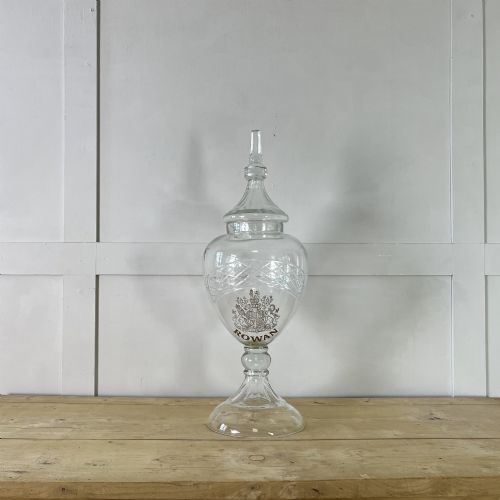


Clear Cut Glass Jar
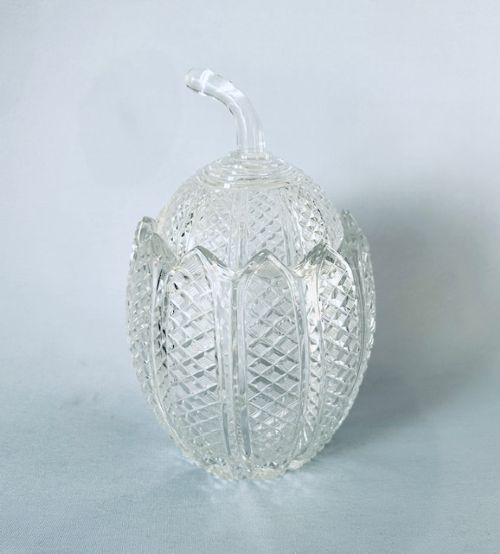
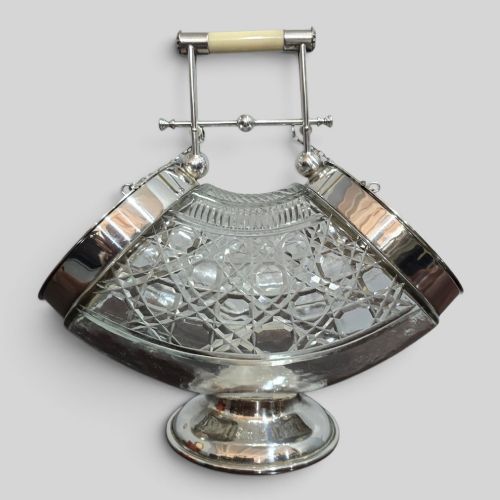
These heavy glass vessels and containers deliver brilliant light refraction and practical storage, making a clear cut glass jar a classic desk or dining table centrepiece.
Clear Cut Glass Jar
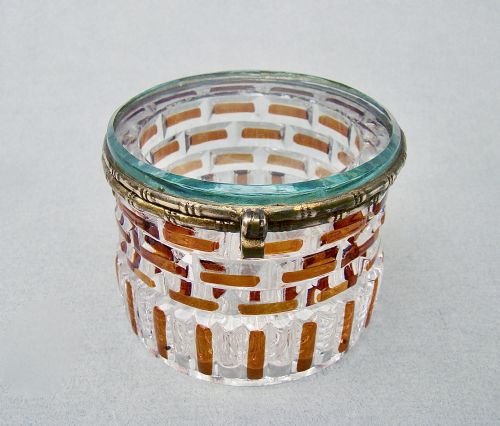
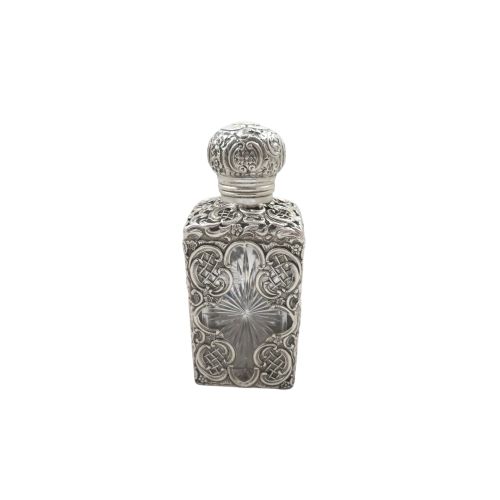
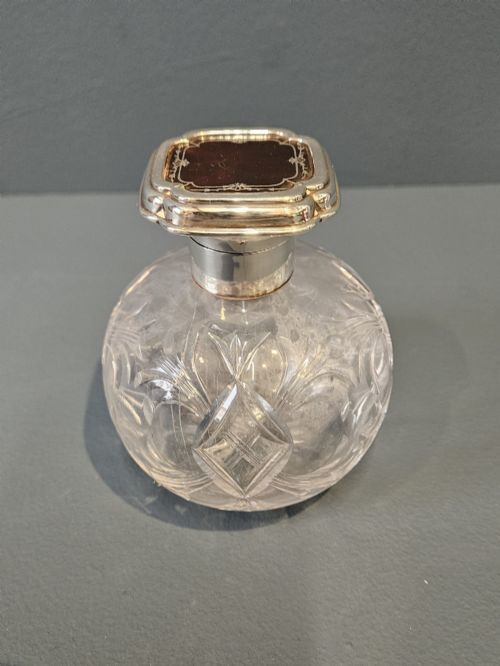
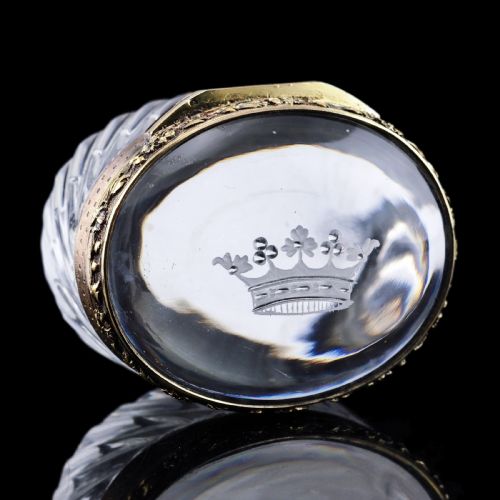
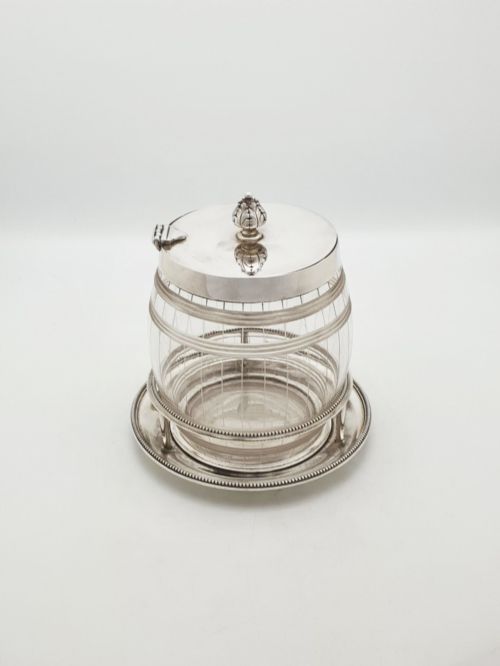
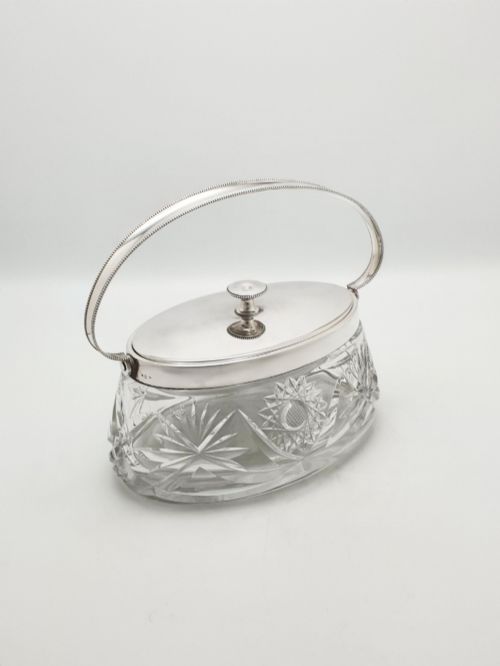
When you search for a clear cut glass jar, you encounter a varied collection of utilitarian and decorative containers spanning the Georgian, Victorian, Edwardian and early twentieth century periods. The forms range from biscuit barrels and preserve pots to trinket boxes, scent bottles and tea caddies, often combined with sterling silver, silver plate or brass mounts.
You are most likely to meet Edwardian and Victorian biscuit barrels, lidded dressing table boxes and perfume bottles on this page. These pieces reflect the domestic habits of past centuries, where heavy glass held everything from sweetmeats and butter to tea and glue.
The origins span English workshops alongside continental makers from France, Germany and Bohemia. Each piece demonstrates how glasscutting transformed simple utilitarian vessels into decorative household objects.
How they were made
The foundation of these pieces lies in heavy lead crystal or standard glass, shaped either by hand blowing into moulds or by free blowing before cooling. Artisans then applied deep facets, hobnail patterns or delicate engraving using abrasive wheels.
Metal components such as sterling silver, silver plate, brass and tortoise shell were fashioned separately to fit the rims, collars and lids of the glass bodies. Silversmiths integrated hallmarks, hinges and swing handles to complete the functional designs.
Among the storage jars sits a dedicated glue pot, proving that even household adhesives once deserved a cut crystal vessel.
What varies in quality
Quality rests primarily on the crispness and depth of the glass cutting, where sharp, well-defined facets refract light cleanly rather than appearing blurred or smoothed over. The weight and purity of the metal mounts, such as thick sterling silver or substantial silver plate, also separate standard production wares from finer examples.
The integration between the glass body and its metal collar determines the structural success of the piece. Superior items show careful fitting and secure mounts that respect the proportions of the cut glass beneath.
Baccarat·Elkington·WMF·Asprey & Co.·Barnsley & Co.
The Clear Cut Glass Jar Glossary
- Biscuit barrel
- A covered ceramic or glass container designed for storing dry biscuits on the dining table or sideboard. These often feature silver plated swing handles and matching lids.
- Hobnail cut
- A raised, diamond-shaped geometric cutting pattern resembling the hobnails used in traditional boot soles. It creates a tactile texture that catches the light from multiple angles.
- Tea caddy
- A small lidded container built to store loose tea leaves securely before brewing. In crystal examples, the heavy glass protected the tea from moisture and air.
- Sweetmeat jar
- A decorative vessel intended for holding small sugary confections or dried fruits. These typically stand on a short stem or foot and include a matching lid.
- Lead crystal
- Glass containing a significant proportion of lead oxide, which increases weight, clarity and refractive index. This material allows for deeper and sharper decorative cuts.
Clear Cut Glass Jar: Frequently Asked Questions
What were clear cut glass jars used for?
These vessels served a multitude of domestic storage purposes in the nineteenth and early twentieth centuries. Households used them to keep biscuits fresh, store tea leaves, hold cosmetics on dressing tables or serve preserves at the dining table.
The inclusion of tight-fitting metal lids and collars helped protect perishable contents from moisture and pests. Over time, their utility expanded into purely decorative display pieces that reflected the wealth and taste of the owner.
How do I date a cut glass jar?
Dating relies heavily on accompanying metal mounts, hallmarks and styles of glass cutting. Georgian pieces often exhibit thick, heavy lead crystal with deep hand-cut facets, while Victorian and Edwardian examples frequently incorporate silver hallmarks that reveal the exact year and assay office.
Changes in silhouette and decorative motifs also provide chronological clues. Art Deco and early twentieth-century pieces lean towards geometric simplicity, whereas French Belle Epoque and Victorian items favour ornate brass or silver gilt mountings.
How do I clean antique cut glass?
Maintenance requires gentle hand washing in lukewarm water with mild soap and a soft cloth or sponge. Avoid harsh chemical cleaners and abrasive scrubbing pads that can scratch the glass surface or damage delicate silver and brass mounts.
Silver components should be polished carefully with a dedicated cloth, taking care to keep polish residue away from the glass recesses. Submerging pieces with metal mounts or glued components in water for extended periods should be avoided to protect internal adhesives.
Are these jars safe for food use?
While many historical jars originally held food items like biscuits, butter or preserves, antique glass and silver mounts require careful consideration before modern culinary use. Older crystal may contain trace lead content, and silver plate or antique solders can degrade over time.
For practical modern living, most collectors prefer to utilise these pieces for dry storage, display or vanity organisation rather than daily food service. Assessing the interior condition and mount stability helps determine whether a piece remains suitable for edible contents.