
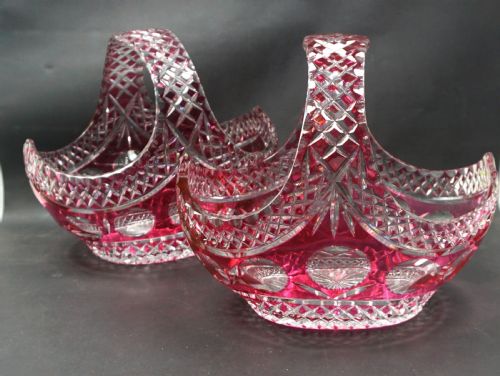
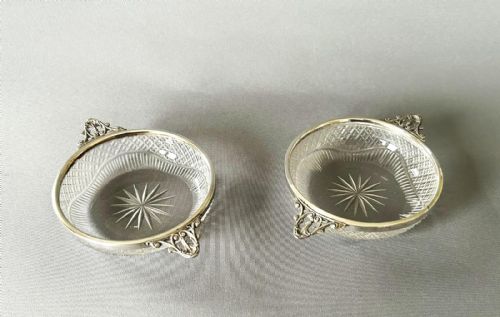


Clear Cut Glass Bowl
These heavy table pieces catch the light across a room, and a clear cut glass bowl brings bright refraction to any dining table or sideboard.
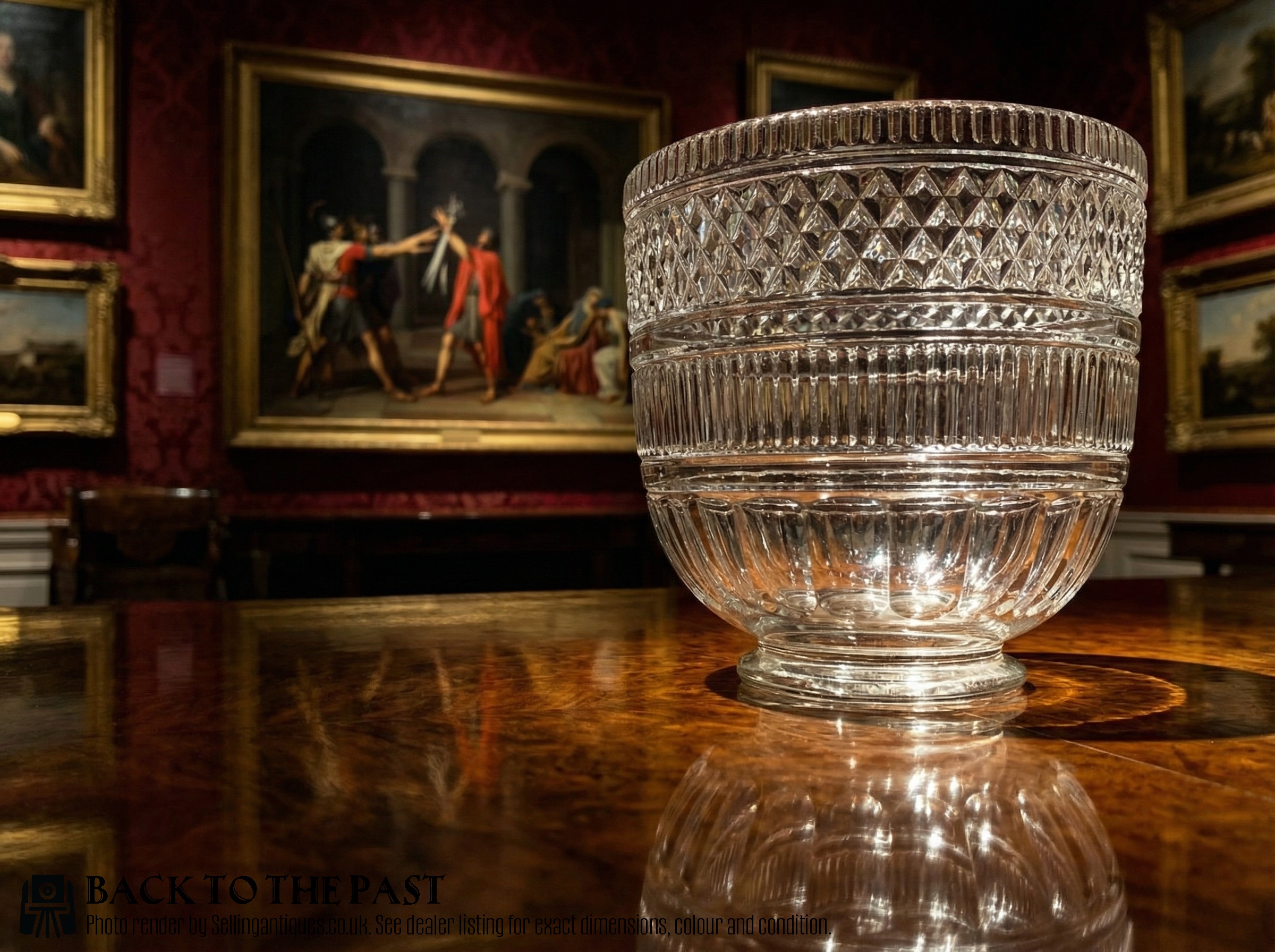
Clear Cut Glass Bowl
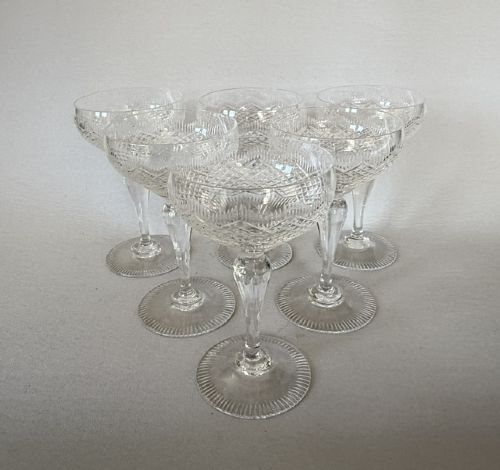
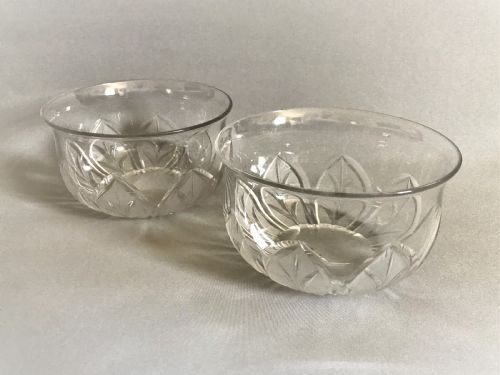
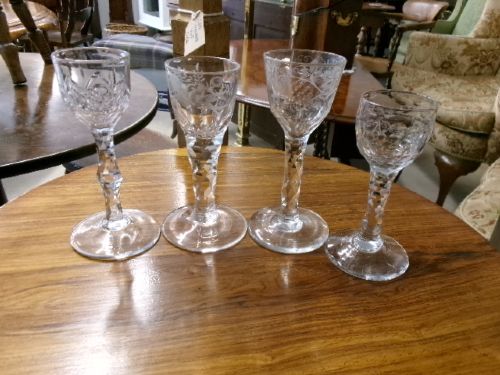
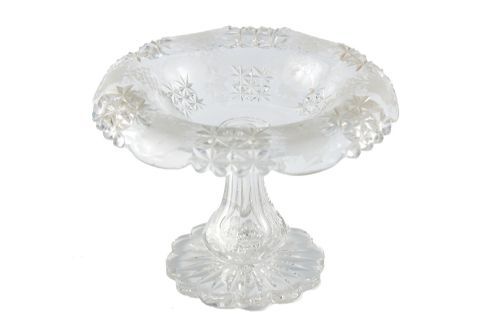
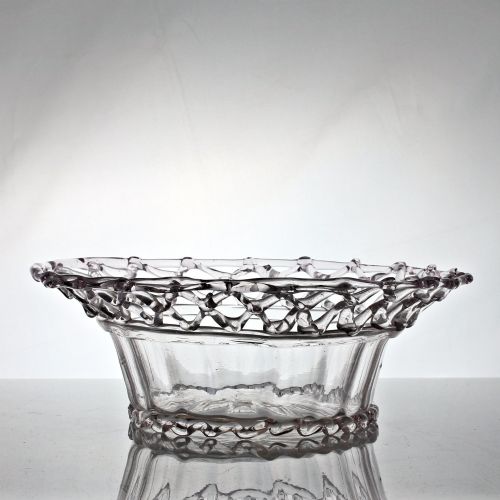
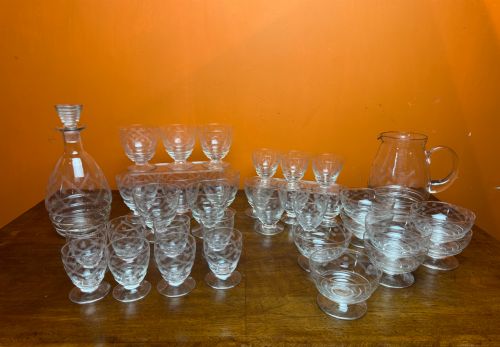
A clear cut glass bowl encompasses a variety of antique forms, from substantial Georgian fruit bowls and standing bowls to Victorian pedestal comports, Edwardian dishes, and Art Deco table centrepieces.
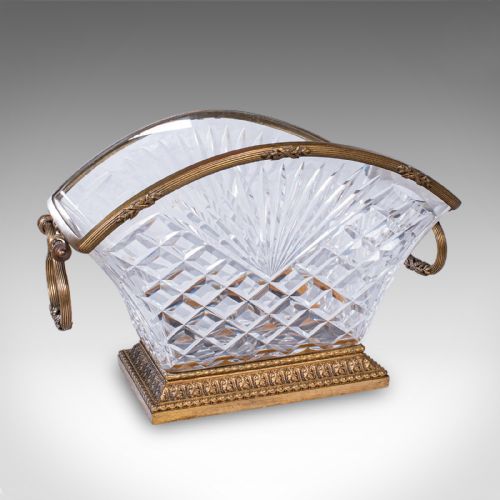
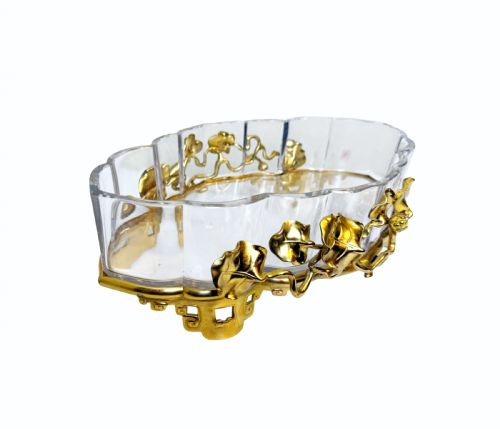
Many examples emerge from the Georgian and Victorian eras, alongside Edwardian and 1930s pieces incorporating silver plate, brass, or gilt bronze mounts.
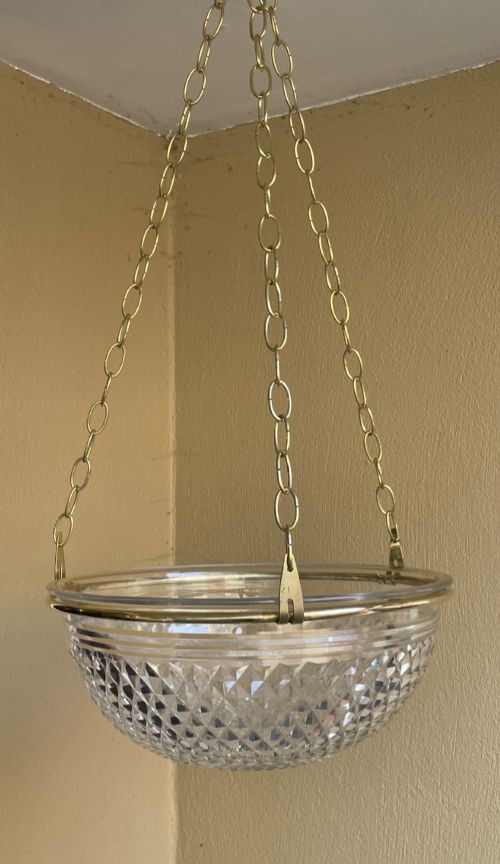
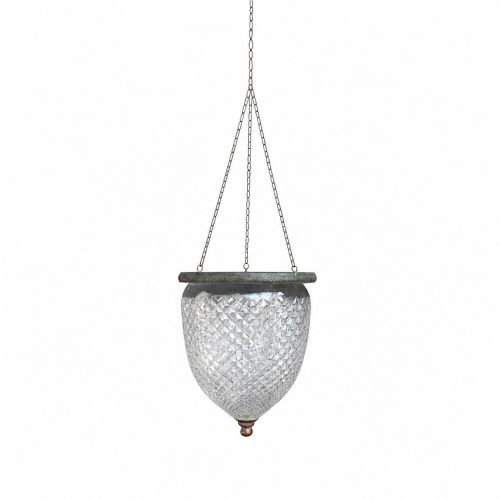
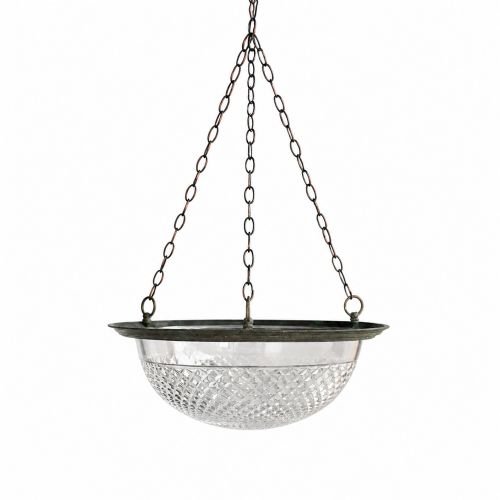
The selection ranges from deep tea mixing bowls and rummers to smaller finger bowls, trinket dishes, and hanging plafonnier ceiling lights.
Materials and production
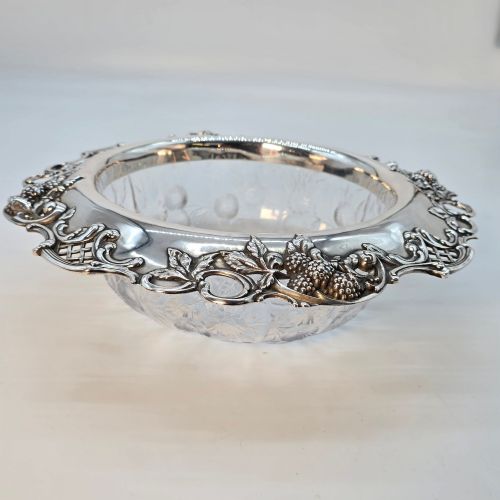
Items are formed from heavy lead crystal or clear glass, frequently paired with metalwork such as silver, silver plate, brass, or ormolu frames.
Craftsmen utilised hot glass blowing techniques before cutting facets, hobnail patterns, and decorative motifs directly into the material using wheel-cutting methods.
Some decorative vessels introduce coloured layers over clear crystal, including cobalt blue, ruby red, and yellow glass.
Judging the work
The depth, crispness, and precision of the wheel-cut facets dictate the standard of execution, where sharper edges and deeper incisions demand greater skill from the glasscutter.
The weight and clarity of the metal-infused lead crystal differentiate superior vessels from simpler pressed glass alternatives.
The integration of metal mounts, such as gilt bronze frames or silver plated rims, contributes to the overall substance and refinement of the piece.
Tiffany and Co·Val St Lambert·Joseph Simon
The Clear Cut Glass Bowl Glossary
- Hobnail cut
- A raised, multi-faceted diamond pattern resembling the hobnails on traditional boots. This texture provides a tactile grip and maximises light refraction across the surface.
- Plafonnier
- A ceiling-mounted bowl light fixture held by metal frames or chains. These glass shades diffuse overhead illumination.
- Comport
- A raised serving vessel or pedestal bowl used for fruit and sweetmeats at the table. They elevate the display above the table surface.
- Tazza
- A shallow saucer-like dish set upon a stem and foot base. It serves a similar function to a comport.
- Toddy lifter
- A small glass tube used in the Georgian period to transfer punch or liquor from a bowl to a glass. Placing a finger over the top holds the liquid inside.
Clear Cut Glass Bowl: Frequently Asked Questions
How do I date an antique glass bowl?
Dating relies on observing the form, weight, cutting style, and pontil mark on the base. Georgian and early Victorian pieces often display heavier lead content and hand-polished pontils.
Later Edwardian and Art Deco examples adopt lighter proportions, sometimes integrating machine finishing or metal frames from specific twentieth-century periods.
Were these bowls used for fruit?
Large pedestal bowls and centrepieces served primarily to hold fresh fruit or flowers as decorative table centrepieces during formal meals. Smaller variations functioned as finger bowls or sweetmeat dishes.
Heavier tea mixing bowls occupied a central role in preparing tea infusions before serving into individual cups.
How should I clean antique crystal?
Wash pieces by hand in warm water using mild detergent, lining the sink with a towel to prevent accidental chips against the porcelain. Avoid hot water, which can thermal-shock old glass.
Dry the vessel immediately with a lint-free linen cloth to restore the brilliant shine to the cut facets.
What is the difference between glass and crystal?
Crystal contains lead oxide, which increases the weight, refractive index, and softness of the material, making it ideal for deep wheel cutting. Standard glass lacks this lead content.
Lead crystal produces a distinct ringing tone when tapped gently, whereas ordinary glass produces a duller sound.