

Clear Crystal Spirit Carafe
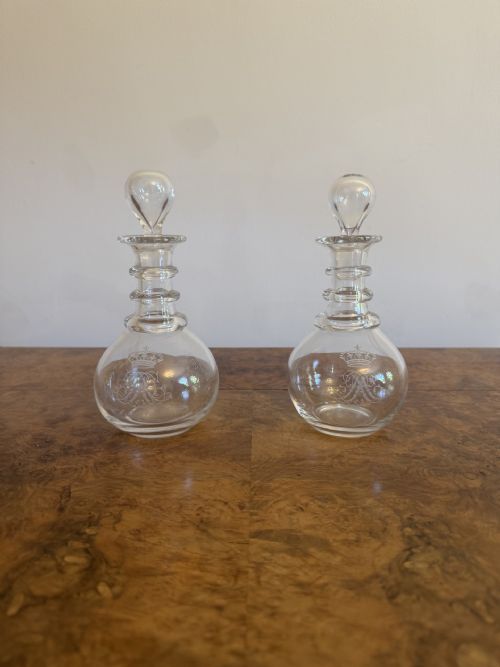
A clear crystal spirit carafe brings heavy brilliance to a sideboard, holding amber spirits in heavy glass shaped by Victorian, Edwardian, and Regency hands.
Clear Crystal Spirit Carafe
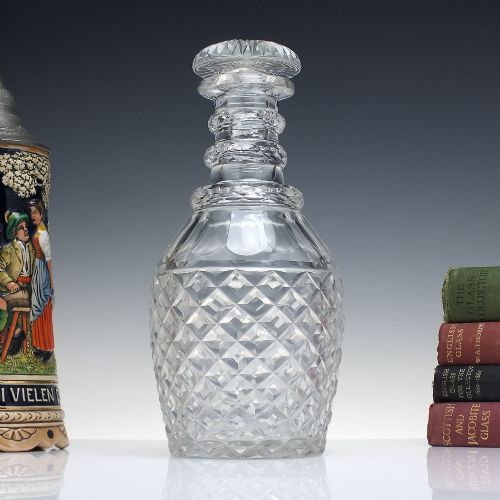
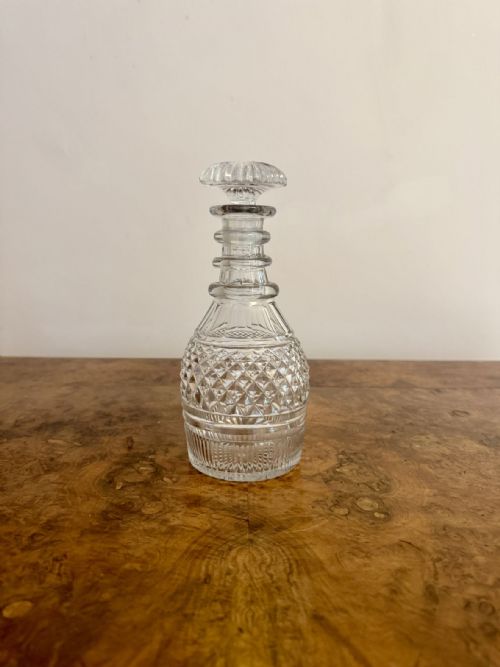
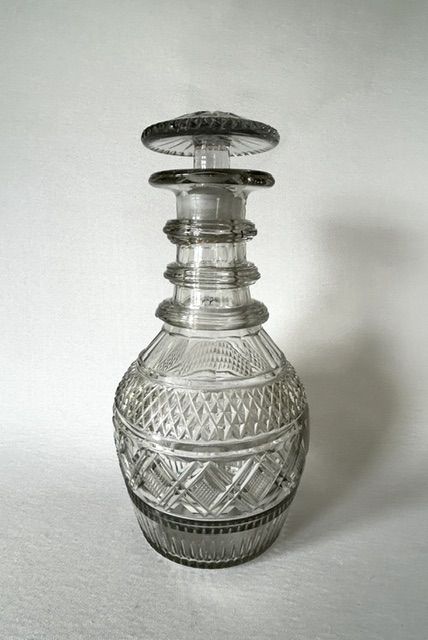
When you search for a clear crystal spirit carafe, you are looking at heavy glass vessels designed for holding and pouring spirits like whisky, brandy, or wine. The pieces found here span multiple periods, ranging from Georgian and Regency eras through the Victorian and Edwardian decades up to the mid-twentieth century.
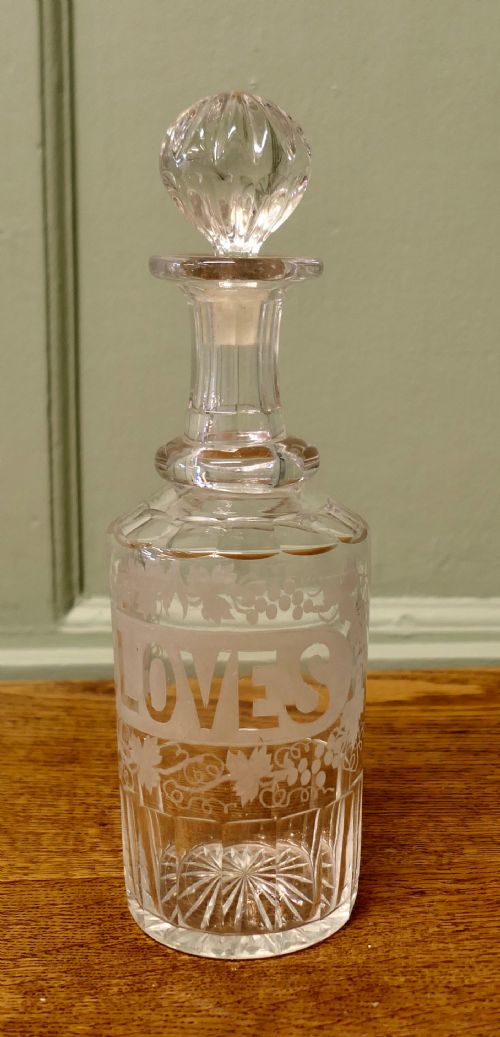
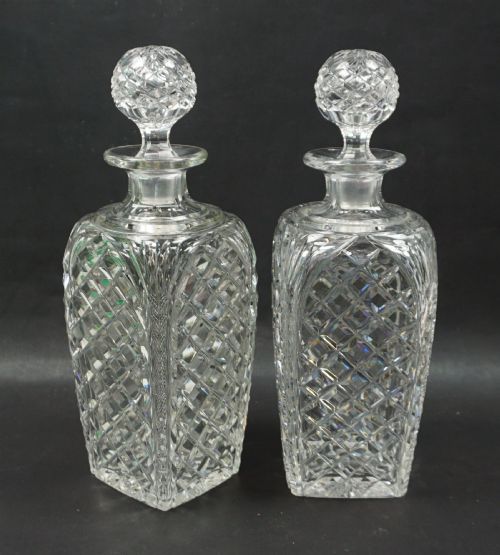
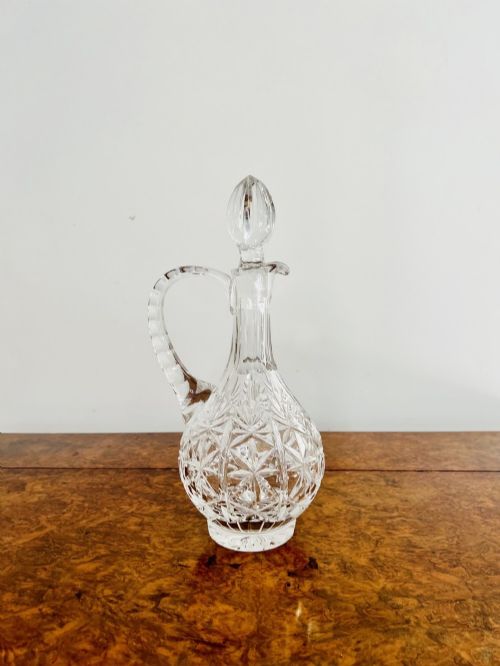
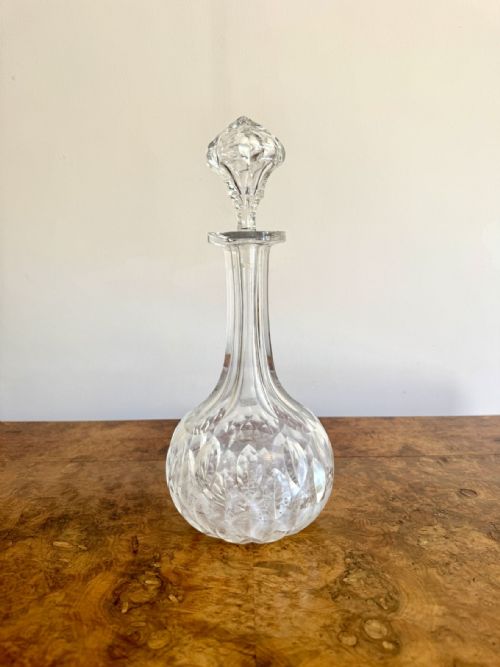
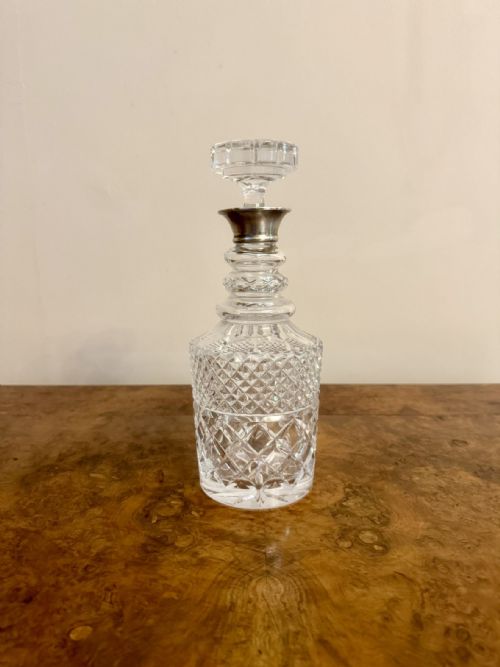
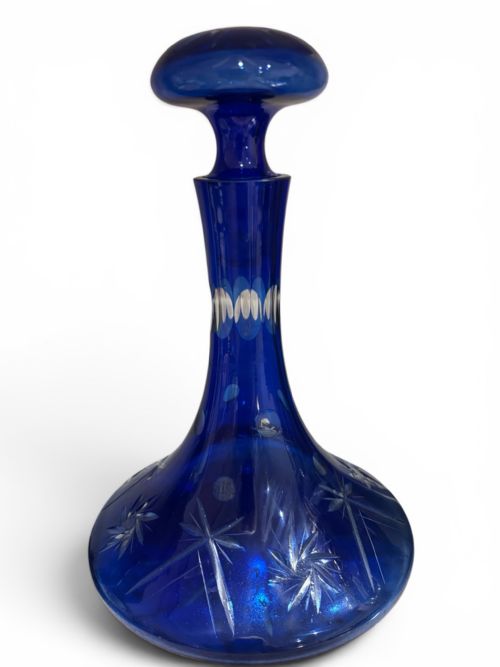
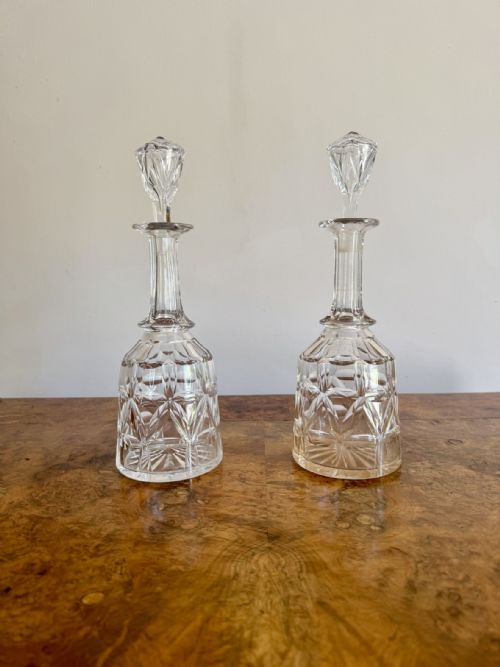
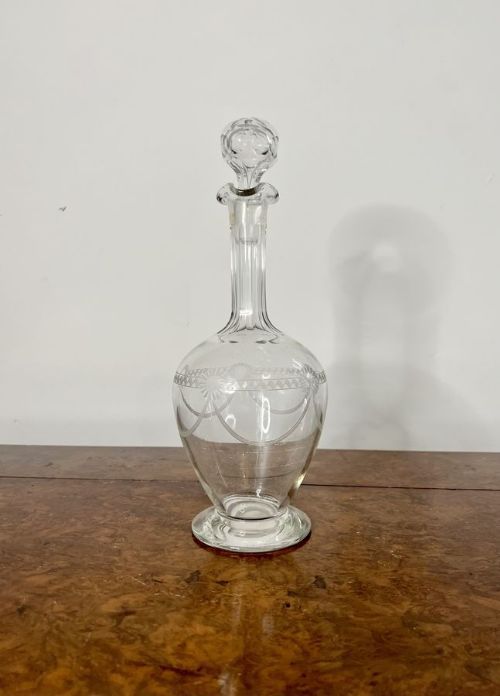
The most common form you will meet on this page is the Edwardian cut glass decanter, often shaped as a bell, square section, or tapered bottle. Alongside these, you will find Victorian shaft and globe forms, ship's decanters, and tall ewers.
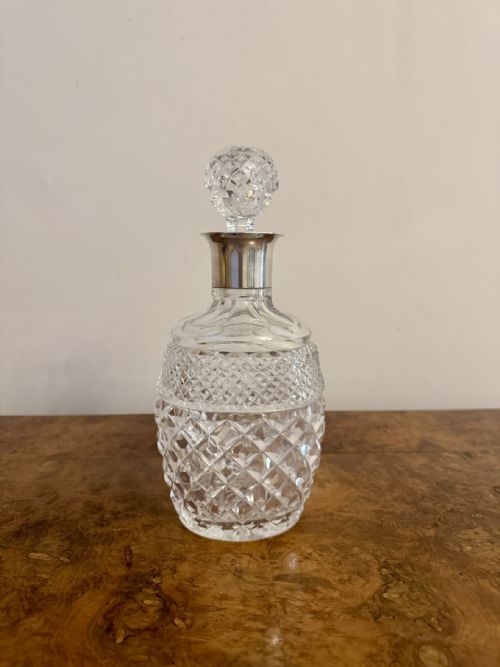
Origins include English production, Irish glasshouses, and continental workshops such as Bohemian makers. Many examples arrive paired with matching sets or feature fitted silver collars and engraved spirit labels.
How they were made
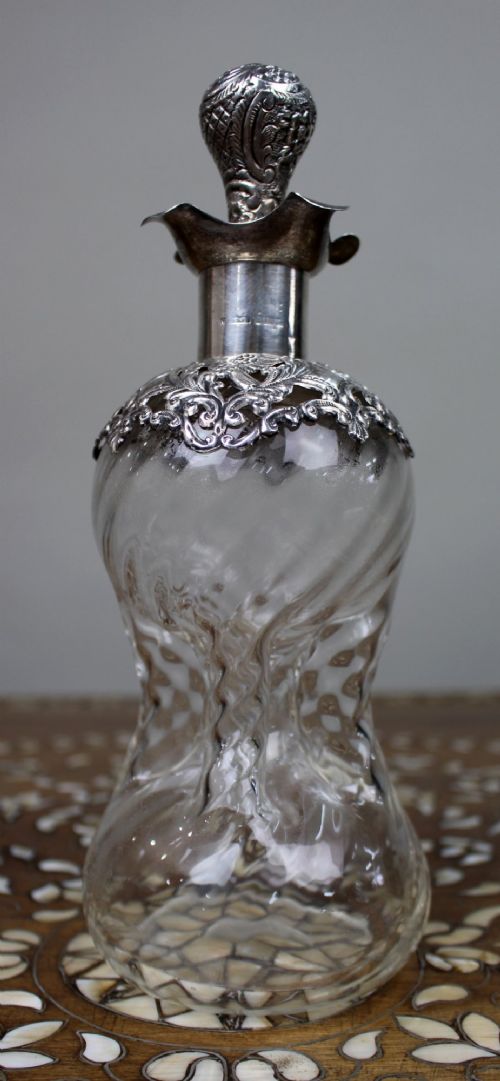
The primary materials recorded in these listings are lead crystal, cut glass, and lead glass, frequently paired with silver collars or mounts. Glassmakers utilised blowing techniques, sometimes opting for optical blowing to create ribbed or patterned bodies before shaping the vessel by hand.
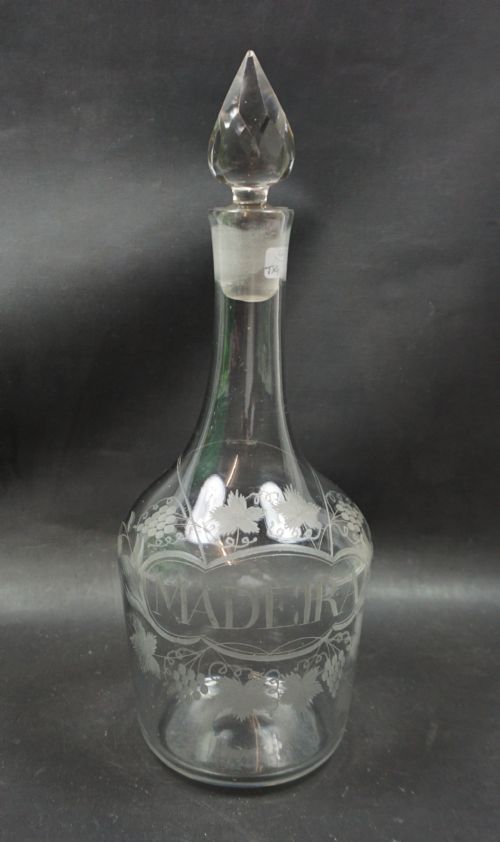
Surface decoration relies heavily on wheel-cutting and engraving. Artisans carved geometric facets, flutes, and stars into the heavy crystal, or applied delicate wheel-engraved botanical motifs and specific spirit labels directly onto the clear glass surface.
Some Edwardian bottles wear tiny silver neck ruffs like polite Victorian guests attending a very sparkly dinner party.
What varies in quality
The distinction between standard vessels and the finest examples rests on the depth and crispness of the glass cutting. Superior pieces display sharp, precise facets that catch the light cleanly, whereas lesser items show softer, shallower grinding.
Weight and metal content also divide the range. Heavy lead glass provides a resonant ring and substantial heft, while secondary factors like the addition of hallmarked silver collars or matched pairs elevate the standing of a piece.
James Powell
The Clear Crystal Spirit Carafe Glossary
- Lead crystal
- Glass containing a significant proportion of lead oxide, which increases the weight, refractive index, and clarity of the material.
- Shaft and globe
- A traditional bottle silhouette featuring a long, slender neck above a rounded globular body, common in nineteenth-century examples.
- Ship's decanter
- A stable decanter form with a broad flat base and conical body designed to prevent tipping aboard a vessel.
- Silver collar
- A decorative and protective band of silver fitted around the neck of a decanter, frequently bearing hallmarks.
- Optically blown
- A technique where molten glass is inflated into a ribbed or patterned mould before being expanded, creating internal texture within the walls.
Clear Crystal Spirit Carafe: Frequently Asked Questions
How do I clean an old decanter?
Fill the vessel with warm water and mild detergent, avoiding harsh abrasives that might scratch the interior surface. Specialised cleaning beads can be swirled inside to dislodge residue without damaging the glass.
Rinse thoroughly with clean water and leave the bottle inverted on a draining rack until completely dry to prevent water spots from forming on the clear surfaces.
Were these used for wine or spirits?
Historic glass vessels served both purposes depending on their specific form and engraved labels. Many nineteenth-century examples held fortified wines like Madeira, while others were specifically engraved for whisky or brandy.
Heavier cut glass bottles with tight stoppers protected the contents from air exposure, making them equally suited for serving various potent potables at the dining table.
How can I tell a Victorian decanter from a Regency one?
Regency pieces often display heavier, broader bases and deep, sharp prismatic cutting styles typical of the early nineteenth century. They frequently present a simpler, robust silhouette suited to maritime or formal dining use.
Victorian and Edwardian versions tend toward more varied forms, including bell shapes and shaft-and-globe profiles, sometimes accompanied by sterling silver collars and wheel-engraved floral decoration.
Can I use these daily?
These glass vessels are robustly constructed from lead crystal and heavy glass, making them entirely suitable for regular pouring and serving. Hand washing is strongly recommended to protect any applied silver collars and vintage glass.
Store them securely on flat surfaces away from edge hazards, and avoid sudden temperature changes that could stress the thick antique material.