

Clear Crystal Glass
Clear crystal glass brings brilliance to a room, offering everything from Georgian drinking vessels to monumental chandeliers.
Clear Crystal Glass
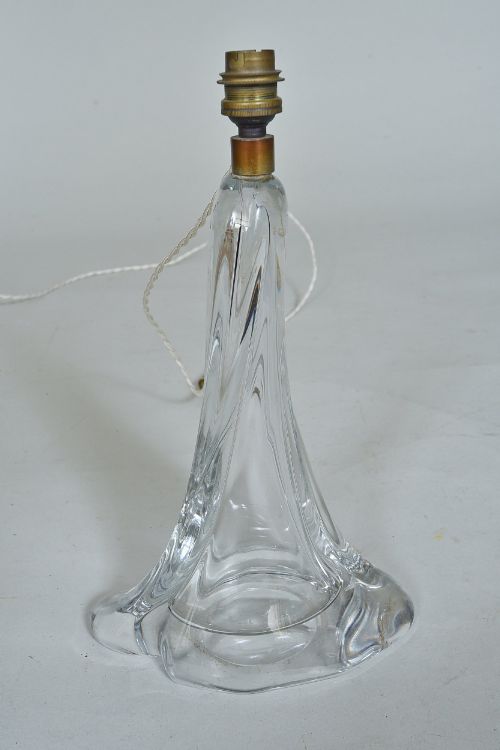
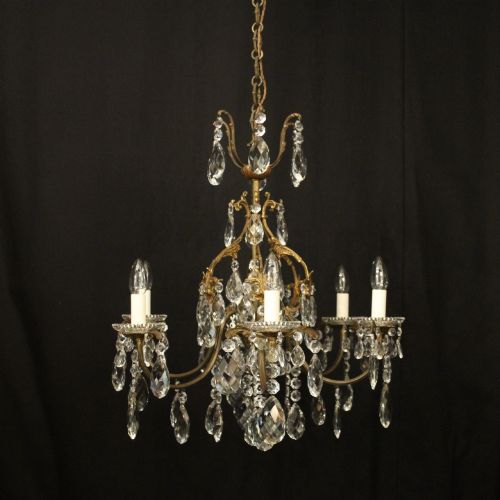
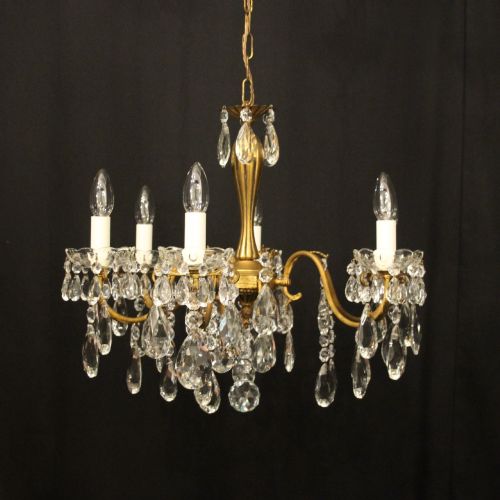
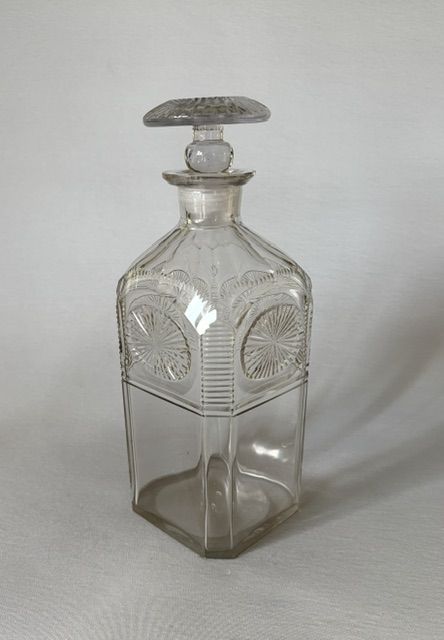
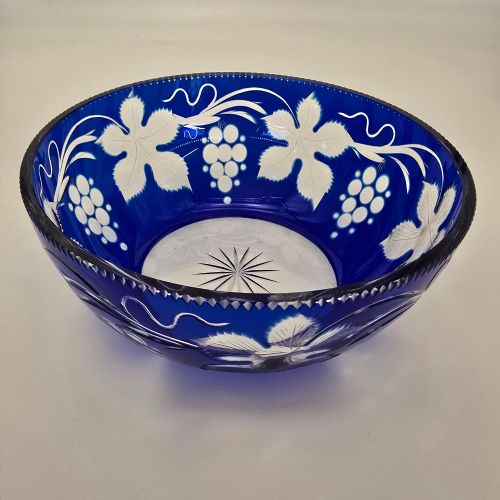
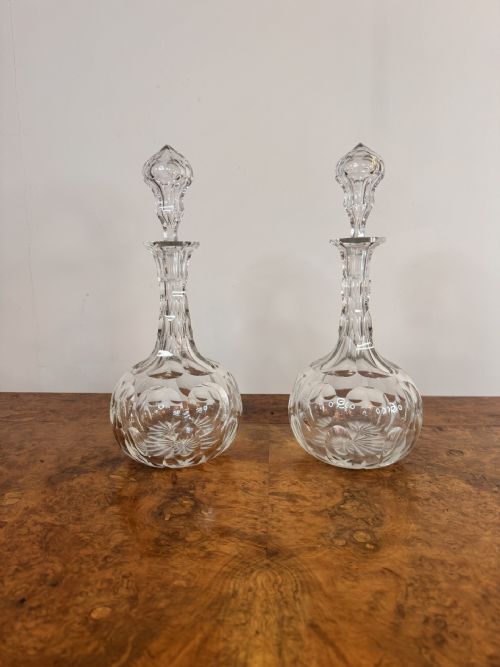
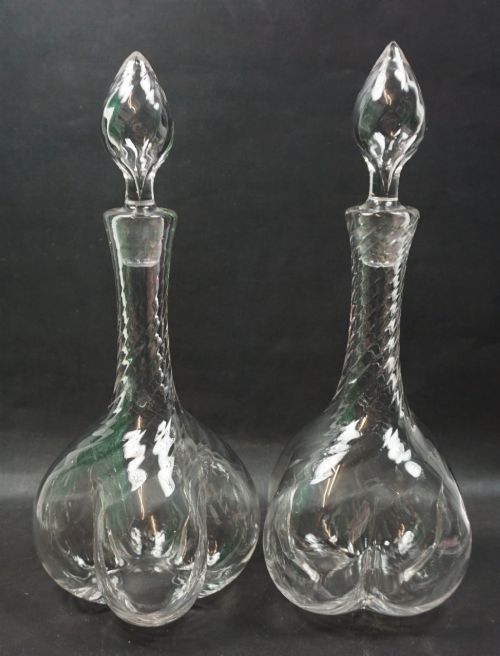
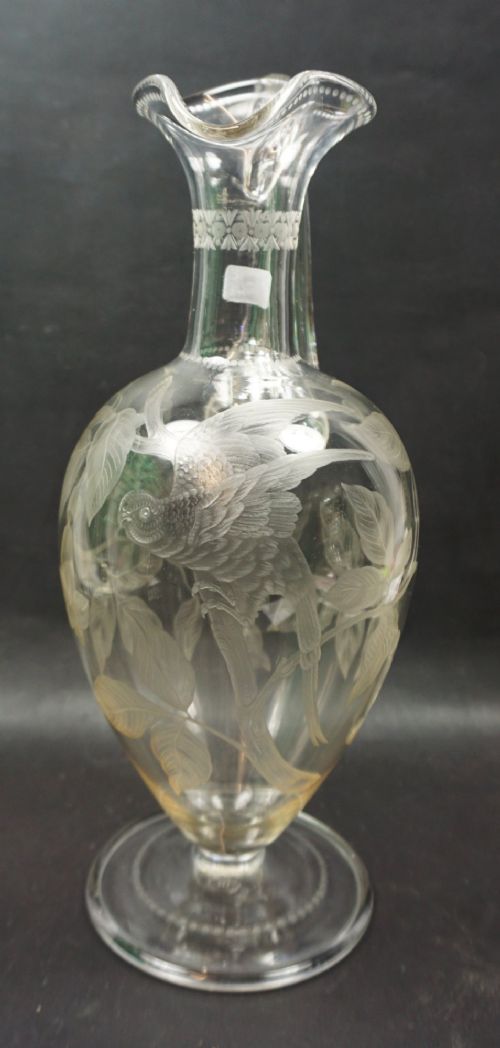
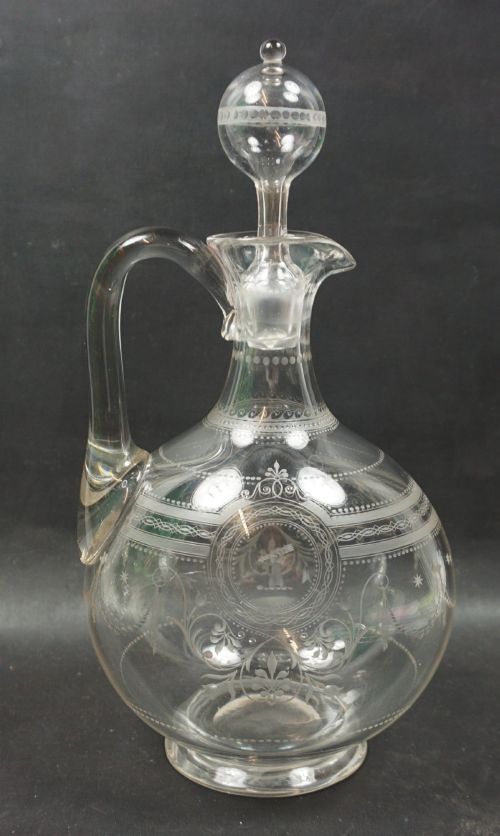
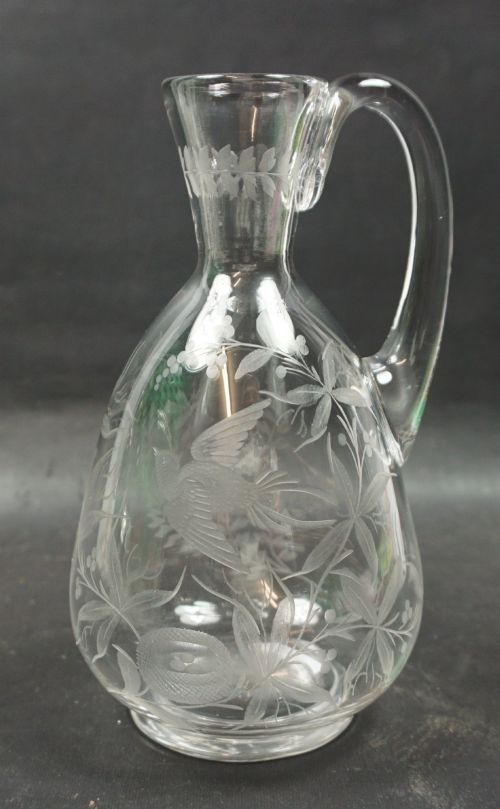
When you search for clear crystal glass, you encounter an array of functional and decorative items spanning multiple centuries and European traditions. The pieces on this page range from delicate 18th-century drinking vessels with intricate twists to early 20th-century chandeliers and French tablewares. Stemware and decanters dominate the drinking vessels, while spike and waterfall fixtures represent the lighting.
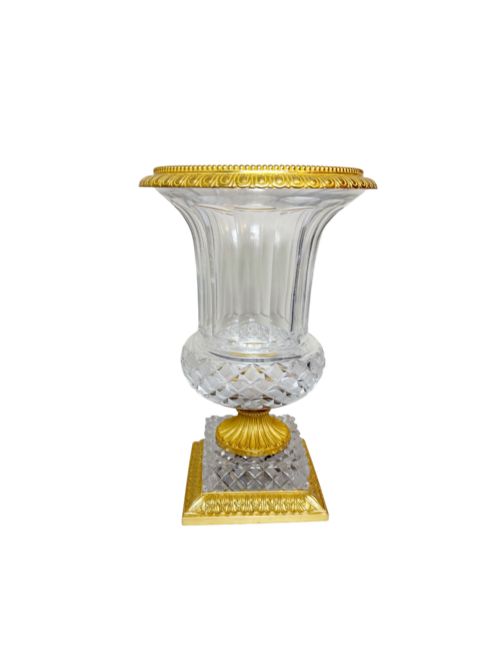
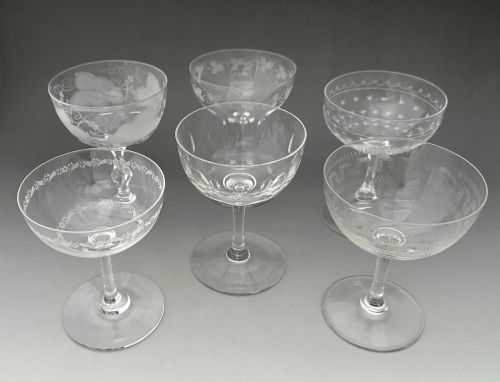
Georgian drinking vessels feature prominently, alongside Victorian champagne flutes and Edwardian coupes. Lighting spans French Empire, Art Nouveau, and Italian antique styles, often incorporating brass or ormolu mounts. The collection bridges domestic dining and grand interior illumination without leaning too heavily into one single era.
Materials and construction
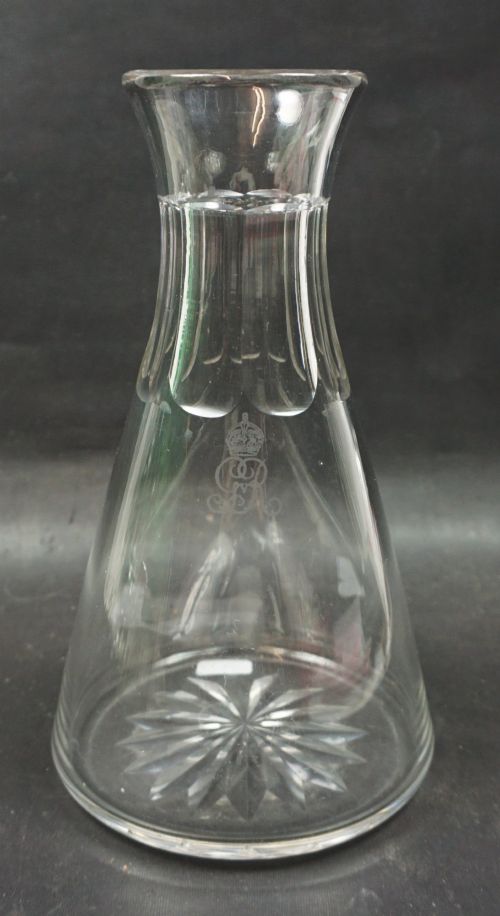
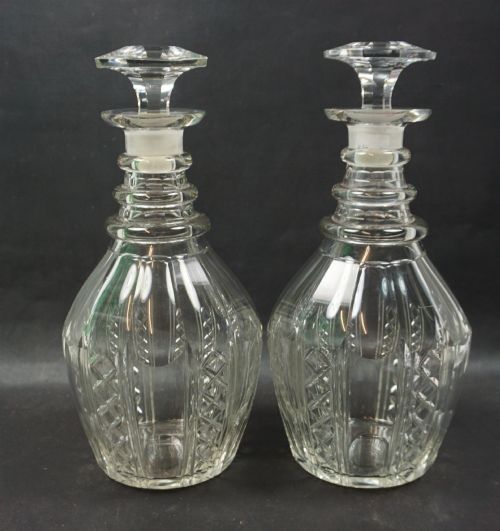
The objects combine lead glass, clear glass, and cut glass with secondary materials such as brass, silver, and enamel. Artisans formed the drinking vessels using traditional glass-blowing techniques, incorporating air twists, opaque twists, and baluster stems into the profiles. Wheel-cutting and hand-cutting techniques created facets on decanters, ice buckets, and chandeliers.
Chandeliers and mounted bottles integrate metalwork, binding glass droplets and bezels with brass or silver collars. Engraved decoration on rummers, ale glasses, and bowls relies on precise wheel-engraving or diamond-point work. The physical weight of lead crystal provides the substance required for deep cutting and stable stems.
Clear Crystal Glass Retail Price Guide 2026
Typical asking prices for clear crystal glass among the pieces listed under this phrase on Sellingantiques today, from the lower quarter to the upper quarter. They describe what is for sale here now, not the wider market.
Listings combine 18th-century opaque twist drinking glasses with early 20th-century cut glass spike chandeliers and Victorian champagne flutes.
Quality and craftsmanship
The clarity and brilliance of the metal set the baseline for quality in clear crystal glass. Heavier lead content allows for sharper facets and deeper wheel-engraving that catches light cleanly. Superior items maintain uniform wall thickness and precise symmetry in stems and bowls.
In lighting and mounted pieces, the refinement of the metal fittings and the security of the bead connections separate standard production from finer work. Cut glass relies on the crispness of the edges between facets rather than softened transitions.
The Clear Crystal Glass Glossary
- Opaque twist
- A glass stem decoration formed by drawing out white or coloured enamel threads inside the molten glass to create a spiral pattern. This technique gained popularity in mid-18th-century English wine glasses.
- Baluster
- A heavy, swelling stem form resembling an architectural pillar, common in early Georgian drinking vessels. It provides a solid grip and substantial weight.
- Spike chandelier
- A central metal rod or spine supporting tiers of glass plates and hanging crystal prisms. These fixtures date frequently to the early 20th century.
- Wrythen
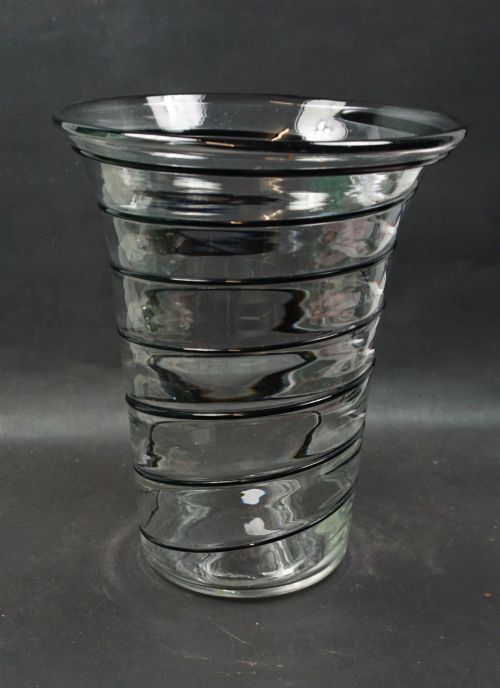
- A decorative spiral swirl moulded into the body or bowl of a glass vessel. It creates an optical distortion as light passes through the clear material.
- Rummer
- A large, robust drinking glass used for punch, beer, or rum during the late 18th and 19th centuries. They often sit on a short, sturdy stem with a square or domed foot.
Clear Crystal Glass: Frequently Asked Questions
How do I clean antique crystal chandeliers?
Dust the prisms regularly with a soft brush and wash individual glass components by hand using warm water and a mild detergent. Dry each piece thoroughly with a lint-free cloth before reattaching it to the metal frame.
Avoid spraying cleaning solutions directly onto the fixture to protect any brass, ormolu, or silver mounts from moisture damage.
What is the difference between glass and lead crystal?
Lead crystal contains a percentage of lead oxide, which increases the weight, refractive index, and softness of the material. This softness makes it easier for artisans to cut deep, sharp facets.
Standard clear glass lacks this lead content, resulting in a lighter weight and less dispersion of light into spectral colours.
How can I tell an 18th-century wine glass from a later reproduction?
Examine the foot for pontil marks, wear scratches, and slight irregularities in the metal that indicate hand-tooling. Georgian glasses often feature folded feet or baluster stems with air bubbles trapped within the clear material.
Weight, bowl proportion, and the method of stem construction also offer strong indicators of period manufacture.
Can I use antique wine glasses for daily dining?
Antique stemware can handle careful use, but hand washing is mandatory to preserve the fragile glass and engraved surfaces. Extreme temperature shifts can crack old metal, so avoid pouring boiling liquids into cold vessels.
Store them securely with adequate space between stems to prevent chipping.