



Clear Crystal Decanter Set
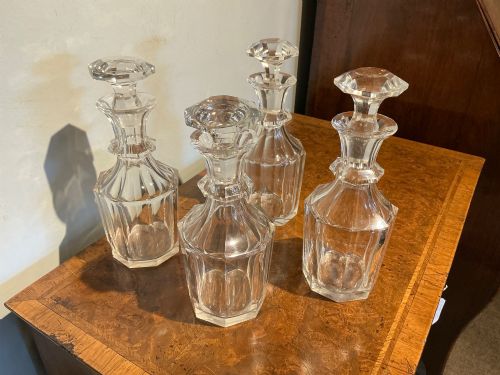
These heavy drinking vessels form a clear crystal decanter set, bringing period elegance and practical service to any dining table.
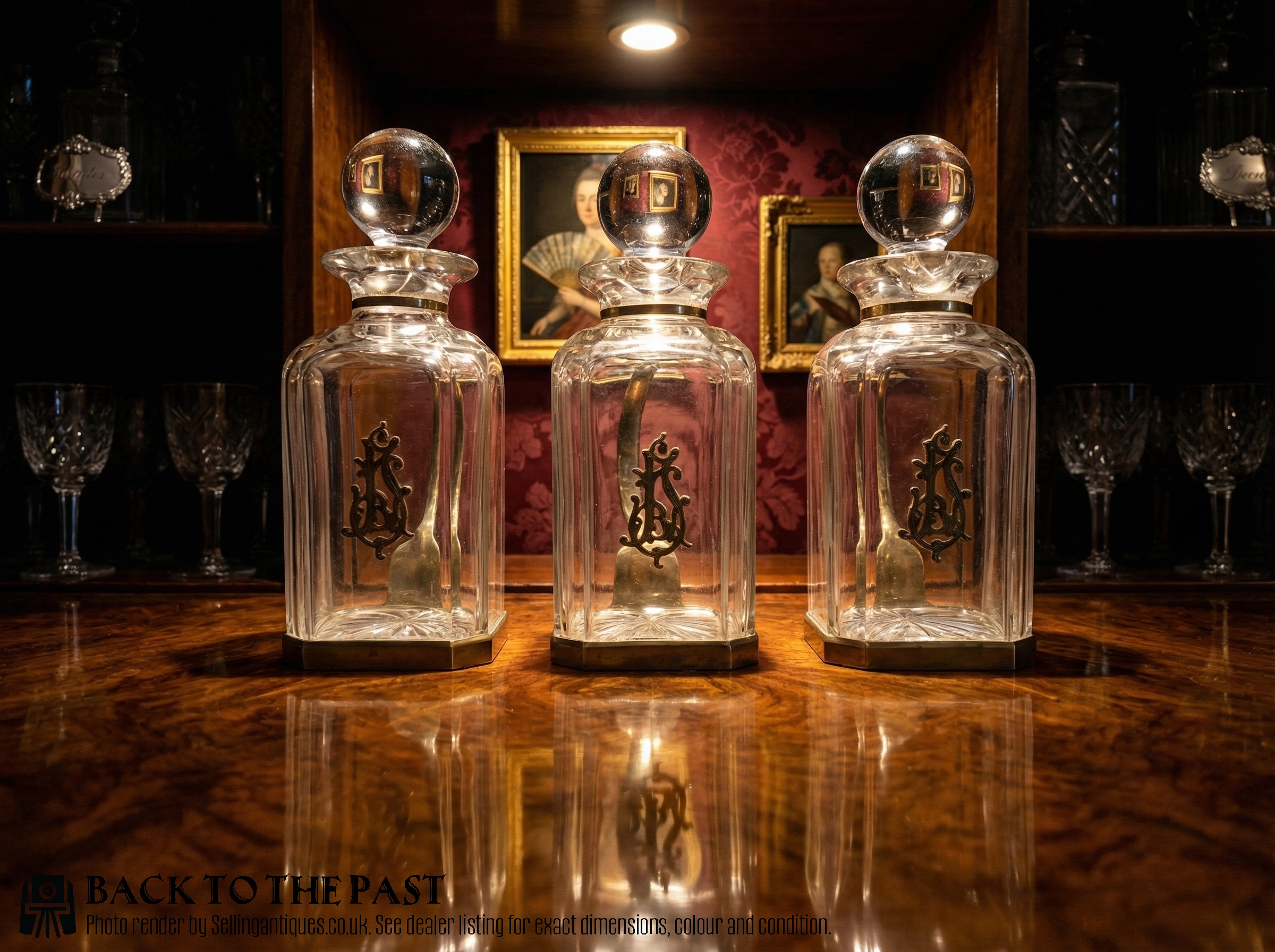
Clear Crystal Decanter Set
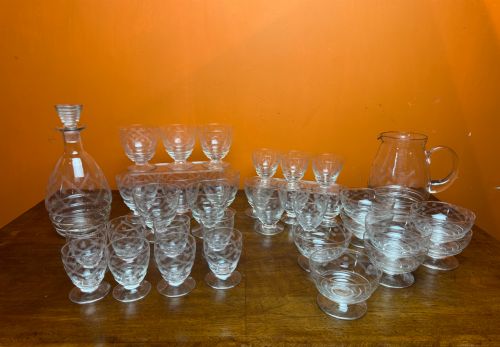
A clear crystal decanter set brings together matching vessels and glasses for serving spirits and liqueurs with formal elegance. When searching for this phrase, collectors encounter various configurations ranging from pairs and trios to extensive drinking services.
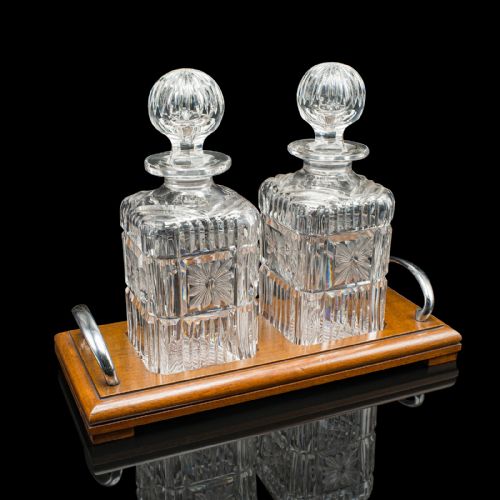
The pieces span from the nineteenth century into the mid-twentieth century, capturing shifts in design from ornate Victorian mounts to geometric Art Deco silhouettes. Sets frequently include fitted stands, silver-plated trays, or locking frames that secure the bottles.
Edwardian and Victorian examples dominate the traditional end of the selection, often featuring cut glass patterns and silver-plated hardware. Art Deco offerings bring contrasting angular motifs and vibrant enamel or engraved decoration.
Judging the standard
Quality rests upon the crispness of the glass cutting, the weight and purity of the crystal, and the structural integrity of any fitted stands or metal mounts. Finer sets display precise symmetry in their geometric facets or deeply carved intaglio decoration.
The integration between the glass bottles and their matching glasses or serving trays dictates the overall cohesion of a set. Maker attribution, through signatures or documented house styles, further elevates certain groupings.
Some nineteenth-century sets feature locking tantalus frames that literally teased guests by locking the whisky away.
Karl Palda·James Powell·Elkington·Val Saint Lambert·Mappin & Webb·Moser Glass
The Clear Crystal Decanter Set Glossary
- Cut glass
- Glassware decorated by grinding facets or patterns into the surface using rotating wheels. This technique enhances the refractive quality of lead crystal.
- Intaglio
- A design carved into the surface of the glass rather than raised above it. It creates a subtle, matte textured relief against polished clear crystal.
- Tantalus
- A wooden or metal locking frame designed to hold decanters securely while keeping the contents visible but physically restricted. It prevents unauthorized access to the spirits.
- Silver plate
- A base metal foundation coated with a thin layer of silver. It provides the decorative shine of solid silver while maintaining structural strength for stands and mounts.
- Optical mould
- A glassblowing technique that creates a ribbed or fluted pattern within the walls of the vessel as it expands inside a patterned mould.
Clear Crystal Decanter Set: Frequently Asked Questions
How do I date an old decanter set?
Dating relies on stylistic markers such as the heavy geometric cuts of the Victorian era or the clean lines associated with Art Deco production. Hardware such as silver-plated trays and locking frames also provide clues through manufacturing hallmarks and construction methods.
Changes in glass clarity and stopper shapes help narrow the timeframe further. Comparing the overall design vocabulary against documented period pieces establishes the decade of manufacture.
What is the difference between a decanter and a carafe?
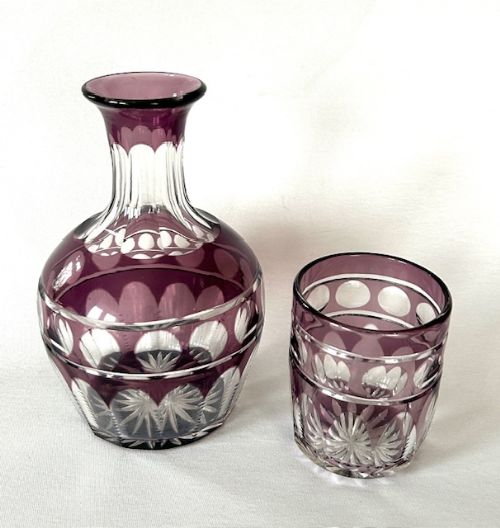
Decanters feature fitted stoppers designed to seal the contents and preserve spirits or wine over longer periods. Carafes typically remain open-topped and serve water or wine directly to the table during a meal.
Traditional decanter sets often pair the bottles with matching glasses on a dedicated tray. Carafes appear more frequently with a single accompanying tumbler rather than a full service.
Are antique crystal decanters safe for daily use?
Period crystal serves safely for holding and pouring spirits during dining or entertaining. Hand washing protects the delicate glass and any silver-plated mounts from harsh dishwasher detergents.
Avoiding sudden temperature changes prevents thermal shock to heavy lead crystal. Storing the vessels securely on sturdy trays or within cabinets keeps them safe from accidental knocks.
Why do some decanter sets include locking frames?
Locking frames, known as tantalus mechanisms, secured expensive spirits away from servants or children in nineteenth and early twentieth-century households. The frame holds the decanter necks firmly in place so they cannot be removed without a key.
This security measure allowed hosts to display their fine glassware on sideboards while retaining control over the contents. The locking design became a popular feature for luxury entertaining.