




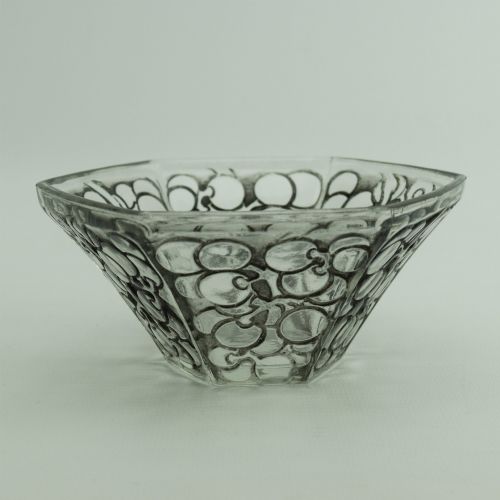
Clear and Frosted Glass
Clear and frosted glass brings together the crispness of transparent light and the tactile depth of matte surfaces.
Clear and Frosted Glass
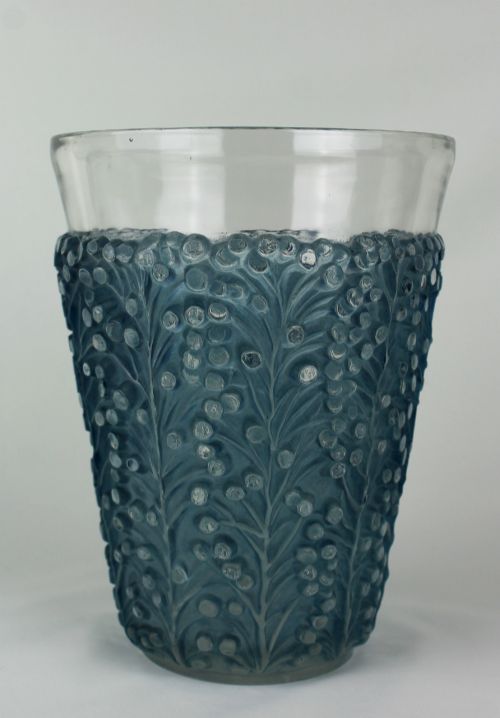
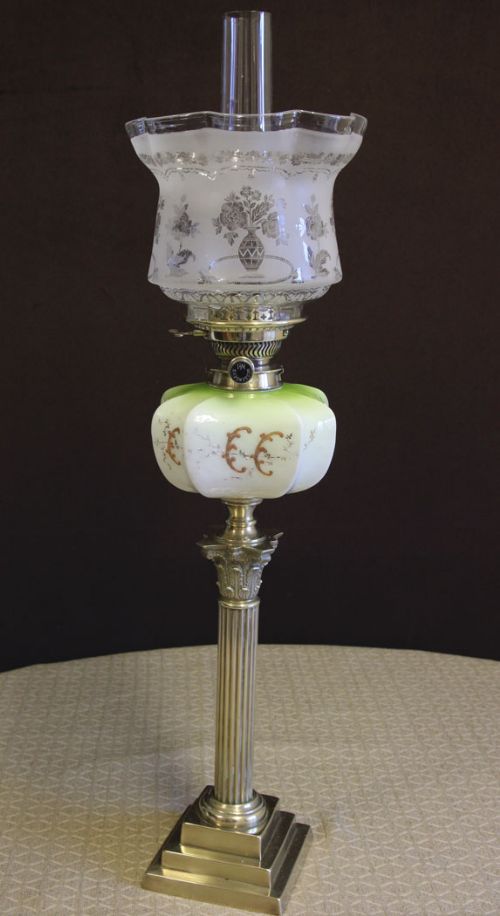
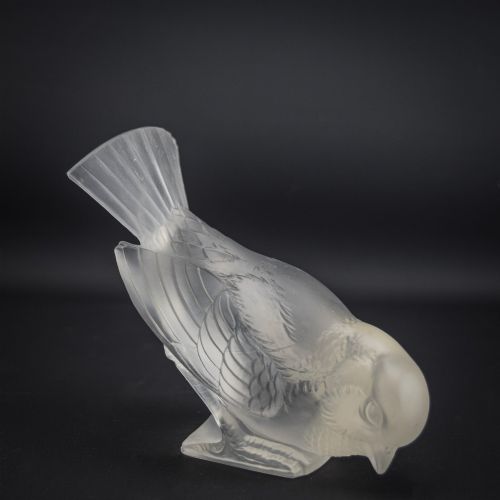
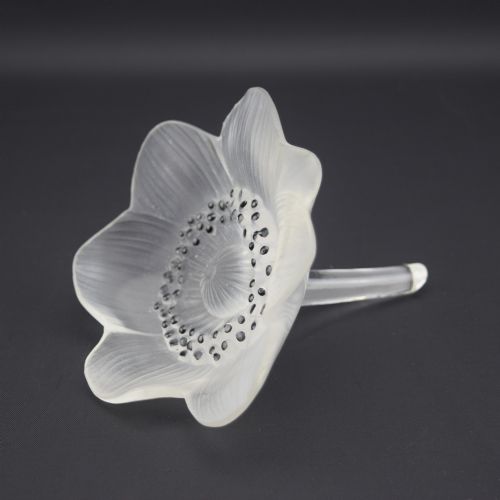
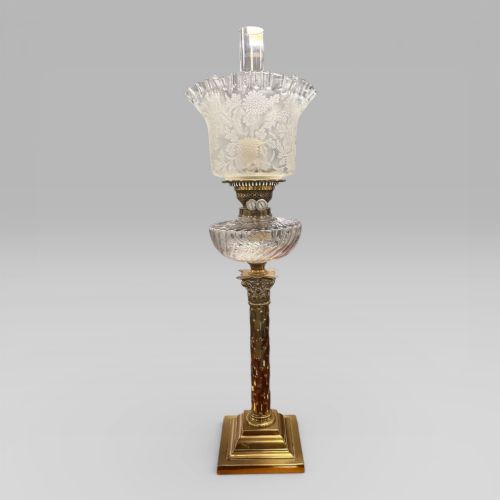
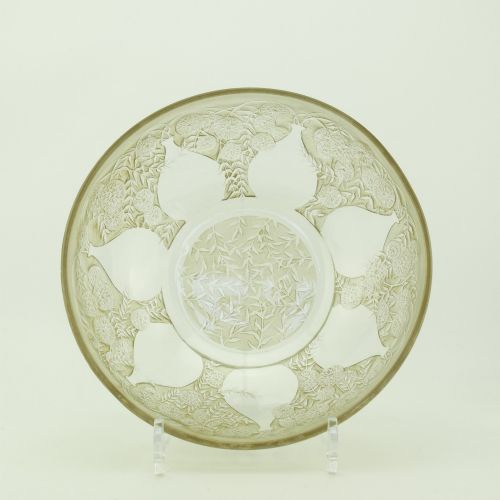
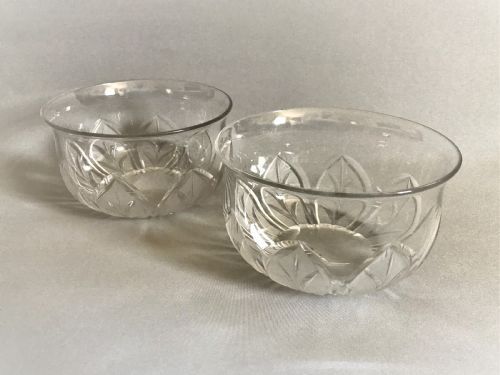
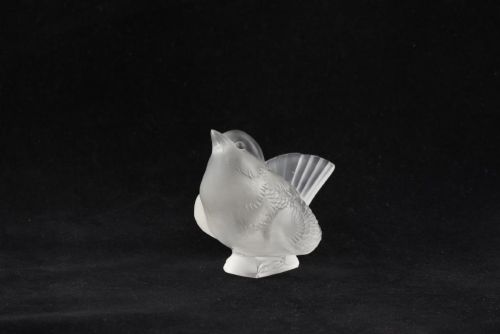
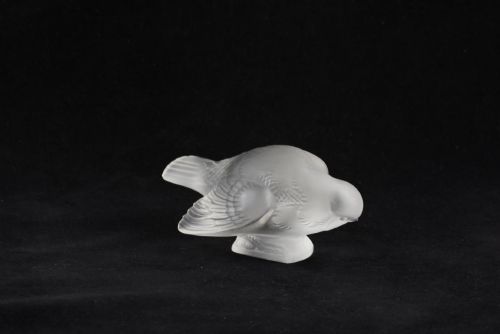
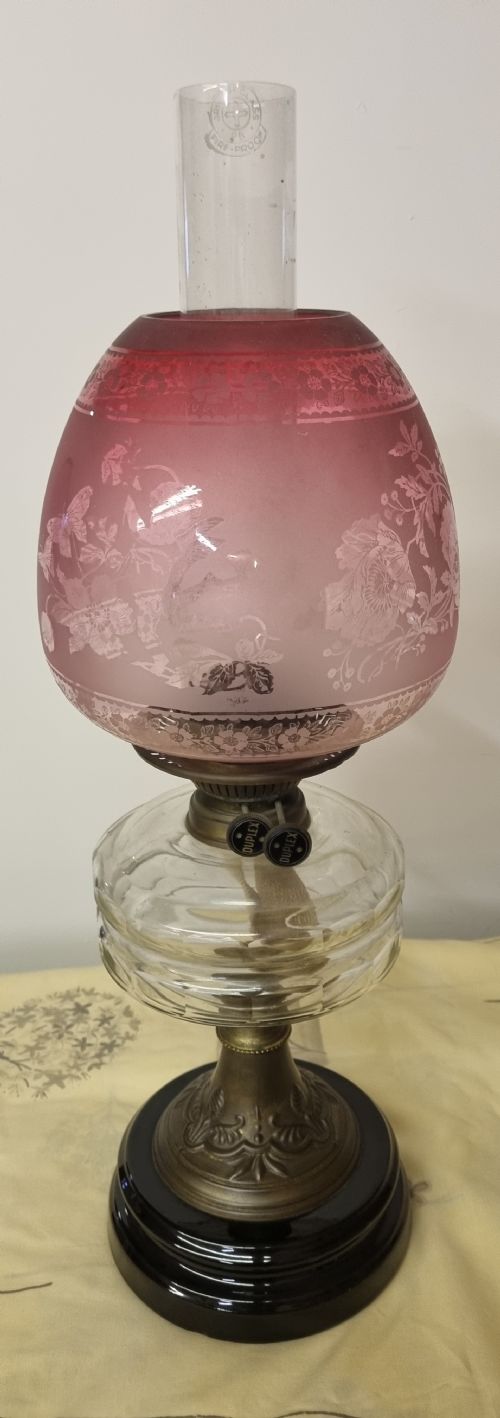
Clear and frosted glass pieces span from the 19th Century through the Art Deco era, appearing in forms such as vases, paperweights, perfume bottles, and lighting. Buyers seeking clear and frosted glass will encounter everything from Victorian oil lamps and finger bowls to French Art Deco tableware and car mascots.
The aesthetic relies on the interplay between transparent clarity and textured, matte opacity. This contrast highlights sculptural detail, particularly in pieces from the Edwardian and Victorian periods alongside prominent 1930s designs.
Materials and Techniques
Makers utilised glass, crystal, and opalescent glass, often combining them with brass, enamel, and carved wood. The contrast between bright polished surfaces and satin frost is achieved through moulding, acid-cutting, or etching.
Many works incorporate coloured staining or blue enamel highlights within the frosted relief to accentuate depth. Structural elements such as columns and mounts frequently employ cast or turned brass.
Clear and Frosted Glass Retail Price Guide 2026
Typical asking prices for clear and frosted glass among the pieces listed under this phrase on Sellingantiques today, from the lower quarter to the upper quarter. They describe what is for sale here now, not the wider market.
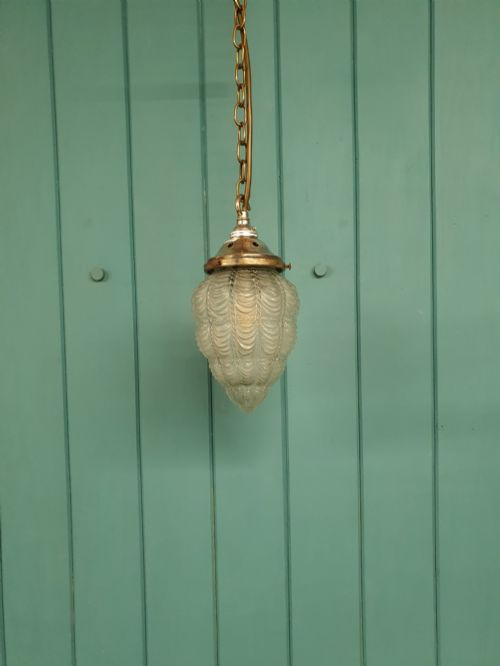
Object types span decorative bowls, perfume bottles, pendant lights, paperweights, and car mascots originating from Britain, France, and Bohemia.
Judging Quality
Quality rests on the crispness of the moulding and the depth of the contrast between the polished transparent areas and the velvety, tactile frost. Superior examples maintain sharp relief in intricate figural and geometric motifs without blurring at the edges.
The integration of secondary materials, such as finely detailed brass columns or precise enamel work, elevates a piece. Evidence of hand-finishing, such as polished pontil marks and clean cameo cutting, distinguishes finer production.
Rene Lalique·Baccarat·Stevens and Williams
The Clear and Frosted Glass Glossary
- Frosted glass
- Glass rendered opaque and matte by acid-etching, sandblasting, or moulding. This surface treatment diffuses light and creates a tactile contrast against polished transparent sections.
- Moulded glass
- Glass shaped by being pressed into a metal or wooden form while molten. This technique allows for repeatable, highly detailed decorative relief patterns.
- Cameo glass
- Vessels constructed with multiple layers of different coloured glass, where outer layers are carved away to reveal the contrasting colour beneath.
- Epergne
- An ornamental centrepiece for a table, typically holding several dishes, baskets, or vases branching from a central support.
- Car mascot
- An ornamental sculpture mounted on the radiator cap of a motor car, popular during the Art Deco period in moulded glass.
Clear and Frosted Glass: Frequently Asked Questions
How do I clean frosted glass?
Wash gently in warm water using a mild, unscented detergent and a soft cloth. Avoid harsh scrubbing on textured or stained areas to protect the matte finish.
Dry thoroughly with a lint-free cloth to prevent water spots from forming on the clear and polished sections.
What is the difference between frosted and opalescent glass?
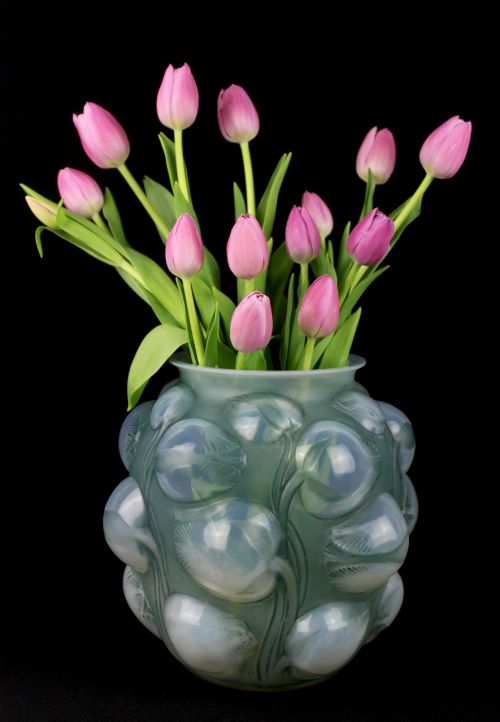
Frosted glass has a mechanically or chemically roughened surface that diffuses light and creates a matte texture. Opalescent glass contains ingredients that cause it to milky-blue or fire-like appearance when light passes through.
Many decorative pieces combine both effects within a single moulded design to enhance sculptural depth.
How were glass car mascots used?
Motorists mounted these heavy glass sculptures onto the radiator caps of luxury automobiles during the 1920s and 1930s. Some were illuminated from below to display the frosted relief at night.
Today they are collected primarily as desk ornaments, paperweights, or cabinet display pieces.
How do I date an Art Deco glass vase?
Examine the stylistic motifs for geometric symmetry, stylised flora, or fauna typical of the 1920s and 1930s. Signatures, registration numbers, or specific manufacturer marks stamped into the glass provide a precise period.
The weight, presence of mould seams, and manner of finishing also indicate the manufacturing era.