





Classical Wood Table
A classical wood table brings structural symmetry and enduring architectural form into a room.
Classical Wood Table
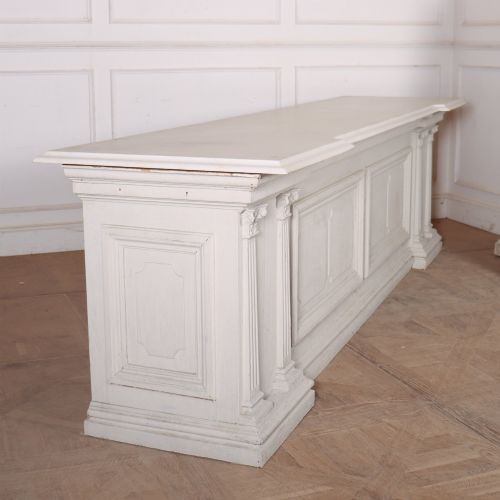
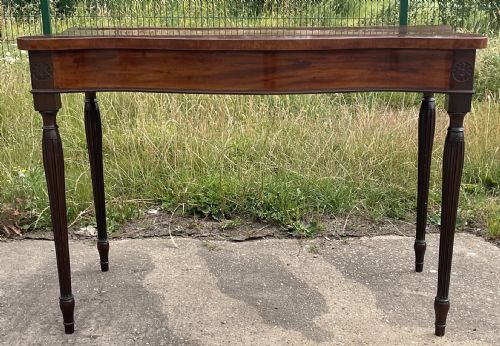
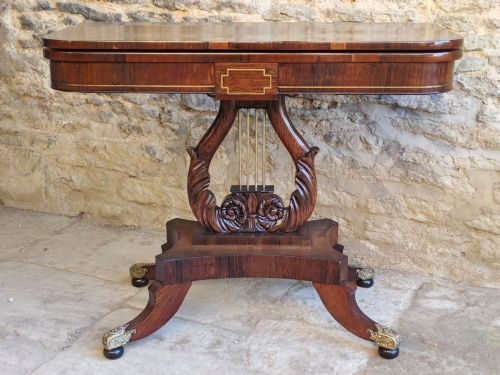
When searching for a classical wood table, buyers encounter a variety of forms rooted in historical design traditions, ranging from console tables and side tables to dining tables and serving tables. These pieces draw upon Georgian, Regency, Victorian, and Neoclassical styles, frequently utilising timber frameworks influenced by antique architectural motifs.
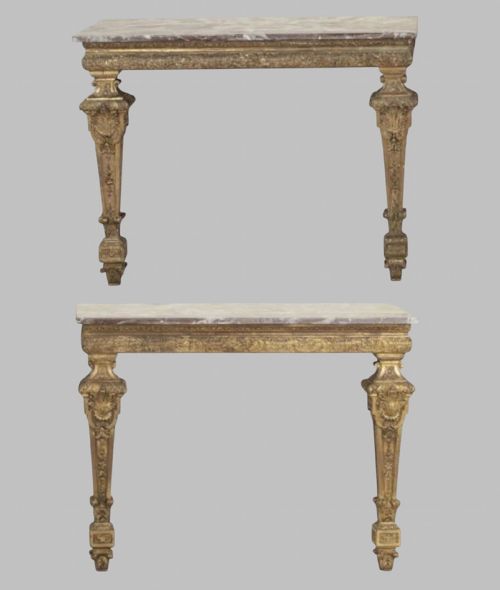
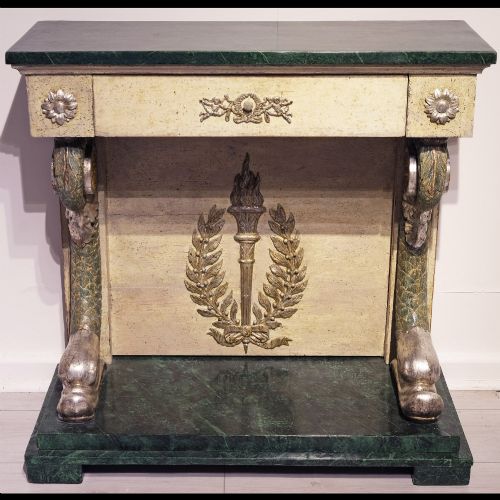
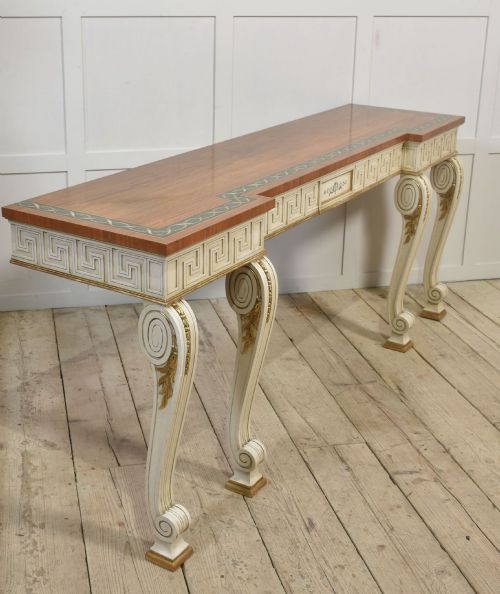
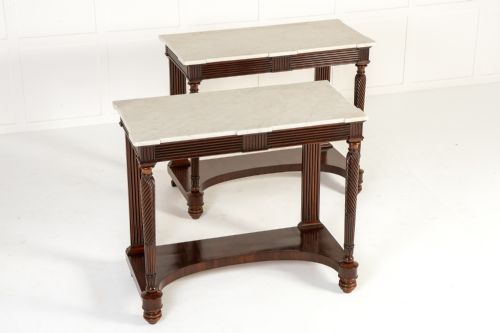
The version most commonly met on this page is the console table, often originating from 19th-century Italy, France, or England. These tables frequently feature polished mahogany, painted wood, or satinwood surfaces, sometimes paired with marble tops and giltwood detailing.
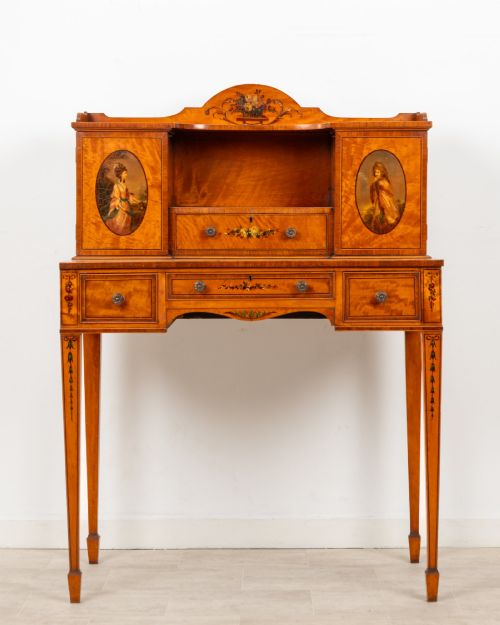
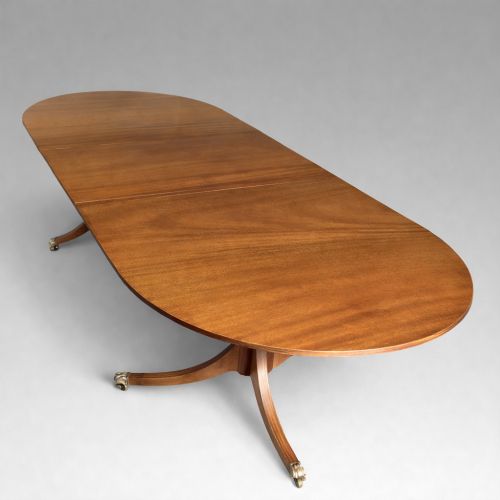
Beyond console tables, the selection includes twin pillar dining tables, occasional tables, and writing desks produced across the eighteenth, nineteenth, and early twentieth centuries. Each form displays characteristic elements of the classical vocabulary, such as symmetry, restrained carving, and orderly proportions.
Materials and construction methods
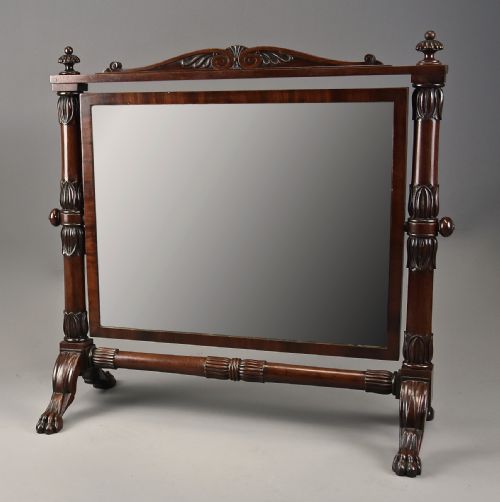
Makers relied heavily on dense hardwoods such as mahogany, rosewood, and walnut, often employing them as solid timbers or as smooth veneers over secondary woods. Satinwood and painted pine provided lighter alternatives for decorative items, while brass hardware offered functional and visual contrast.
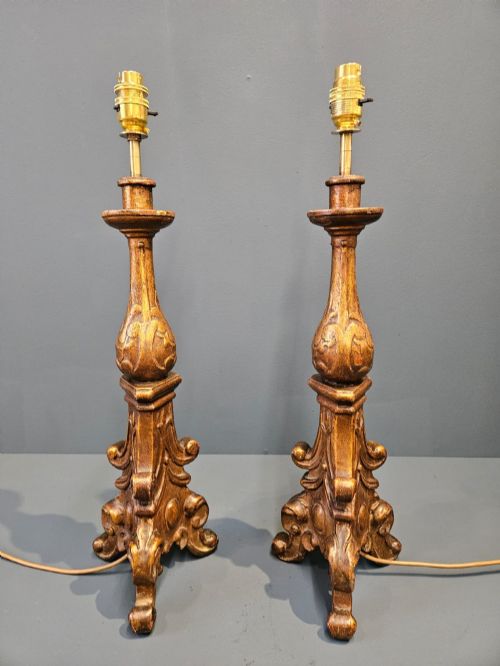
Surface decoration frequently incorporated hand-carved gesso, gilding, and parcel-gilt highlights to emulate stone or bronze elements found in ancient architecture. Marble tops, including rouge and faux porphyry variations, were fitted directly to wooden console and table bases.
Joinery techniques followed traditional workshop practices, utilising stable frames to support heavy stone tops or extendable dining leaves. Marquetry and inlay added geometric or floral patterns to table surfaces using contrasting wood veneers.
Classical Wood Table Retail Price Guide 2026
Typical asking prices for classical wood table among the pieces listed under this phrase on Sellingantiques today, from the lower quarter to the upper quarter. They describe what is for sale here now, not the wider market.
Several console tables feature carved wooden dolphins supporting the frame, bringing a splash of marine mythology directly into the parlour.
Factors determining quality
Quality rests significantly on the selection of timber and the precision of its figure, with choice Cuban mahogany and finely grained satinwood commanding greater appreciation than plain or secondary timbers. The depth, crispness, and hand-carved execution of wooden mouldings and giltwood ornaments also separate standard production from superior output.
Structural integrity defines the upper tier of tables, visible in the stability of heavy marble tops resting on wooden bases and the alignment of twin pedestals on dining tables. Original surfaces, including untouched patination on mahogany and genuine period gilding, hold higher regard than later repainting or heavy restoration.
Edwards and Roberts·Mack Williams and Gibton·P & MA Nicholson·George Hepplewhite
The Classical Wood Table Glossary
- Console table
- A table designed to be fixed against a wall, frequently supported by two front legs or brackets and topped with marble or wood.
- Giltwood
- Wood that has been coated with gold leaf or powder over a prepared gesso ground, common in Neoclassical and Regency furniture.
- Marquetry
- The art of applying decorative pieces of veneer to a structural structure to form intricate geometric or pictorial designs.
- Regency
- A British design period spanning the early nineteenth century, characterised by a revival of classical Greek and Roman motifs alongside robust mahogany forms.
- Porphyry
- An igneous rock with large crystals, imitated in furniture decoration through specialist faux painting techniques to replicate ancient imperial stone.
Classical Wood Table: Frequently Asked Questions
What defines a classical wood table?
A classical wood table incorporates historical architectural proportions, symmetry, and decorative motifs derived from ancient Greek and Roman design. These pieces often feature timber frames in mahogany, walnut, or painted wood.
They frequently include styling cues such as tapered legs, carved friezes, or gilded details typical of Georgian, Regency, and Neoclassical periods.
How do I care for marble topped tables?
Marble surfaces require regular dusting with a soft, dry cloth to prevent surface scratching from grit or debris. Avoid acidic liquids, oils, and harsh chemical cleaners which can etch or dull the polished stone.
Wooden bases should be treated with appropriate furniture wax according to the timber finish, keeping the piece away from direct heat sources and strong sunlight.
Are these tables suitable for modern rooms?
These tables adapt well to contemporary interiors by providing a strong focal point and functional surface area in hallways, living rooms, or dining spaces. Their architectural lines complement minimalist environments by introducing texture and historical depth.
Different forms serve specific spatial needs, from slim console tables against narrow walls to large twin pillar dining tables.
How can I tell the period of a table?
Dating relies on examining construction techniques, timber choices, and stylistic vocabulary associated with specific eras like the Georgian or Victorian periods. Tool marks, joint types, and the nature of fixings offer clues to manufacturing dates.
Comparative analysis of decorative details, such as the specific style of neoclassical carving or gilding, helps narrow down the origin.