





Classical Wall Textile
A classical wall textile brings centuries of woven mythology, pastoral verdure and courtly scene straight into a room.
Classical Wall Textile
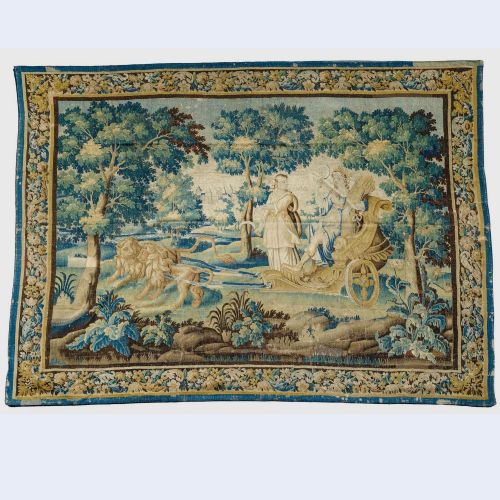
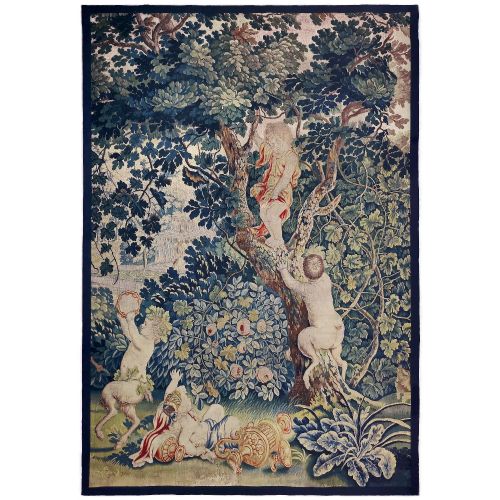
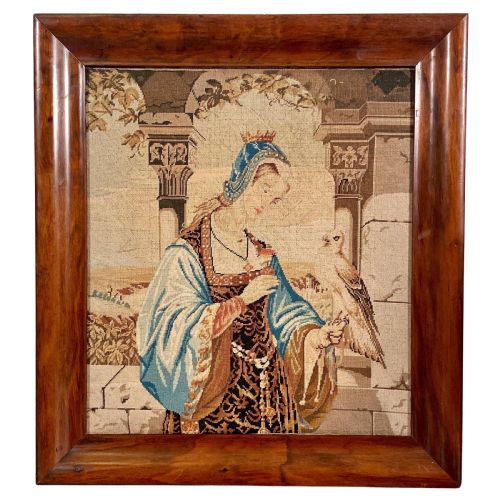
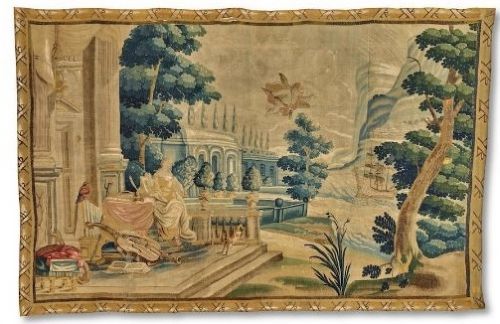
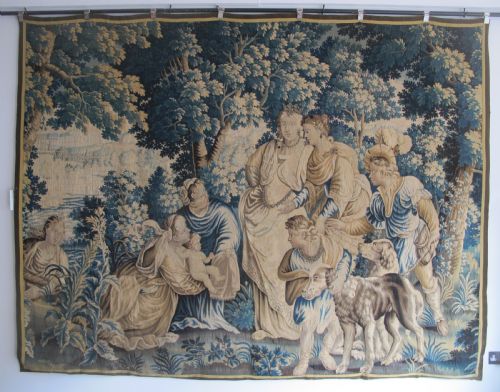
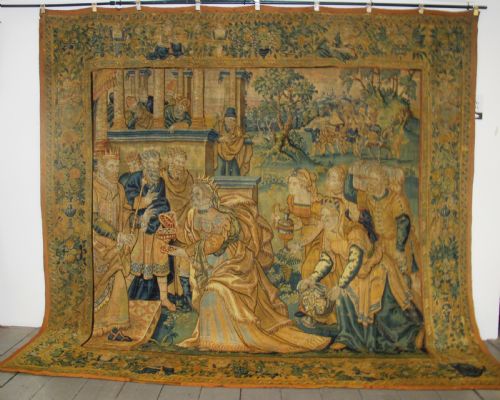
A classical wall textile encompasses large woven tapestries, framed tapestry panels, embroidered classical panels, and textile art spanning from the sixteenth century through the nineteenth century. Buyers searching for a classical wall textile encounter monumental Flemish verdure weaves, French Aubusson examples, and intricately embroidered hunting scenes that transform plain plaster into a historic focal point.
The pieces on this page lean heavily towards seventeenth century Flemish and eighteenth century French aesthetics, alongside nineteenth century revivals and mid-century paintings. Common formats include grand scale wall hangings, framed panels, and smaller decorative textile items such as cushion covers.
Choosing the right piece depends on scale and palette, whether selecting a majestic mythological Flemish scene from the sixteen-eighties or a later French Rococo revival textile. Each hanging carries the weight of traditional textile arts, bringing architectural presence and rich texture to an interior.
Materials and construction
These textiles rely primarily on natural fibres such as wool, silk, linen, and cotton, spun and dyed by hand to create intricate pictorial narratives. Master weavers interlaced warp and weft threads to build dense, durable pictorial surfaces that have survived across centuries.
Classical Wall Textile Retail Price Guide 2026
Typical asking prices for classical wall textile among the pieces listed under this phrase on Sellingantiques today, from the lower quarter to the upper quarter. They describe what is for sale here now, not the wider market.
Some centuries-old textile panels unexpectedly double as cushion covers, proving historical comfort was taken very seriously.
Assessing quality and execution
Quality rests in the density of the weave, the complexity of the narrative composition, and the survival of the original dyes. Superior examples demonstrate remarkable depth in shading and perspective, particularly in facial expressions, foliage, and architectural elements.
The condition of the fibres and the integrity of the structural support also determine the standing of a textile. Works that retain their original scale and rich coloration without excessive restoration hold greater visual harmony and historical resonance.
The Classical Wall Textile Glossary
- Verdure tapestry
- A type of woven wall hanging featuring lush botanical foliage, trees, and often animals or distant landscapes. These scenes dominated seventeenth-century Flemish production.
- Aubusson
- A traditional style of French tapestry woven in the town of Aubusson, known for delicate floral motifs and pastoral or classical narratives.
- Grotesque
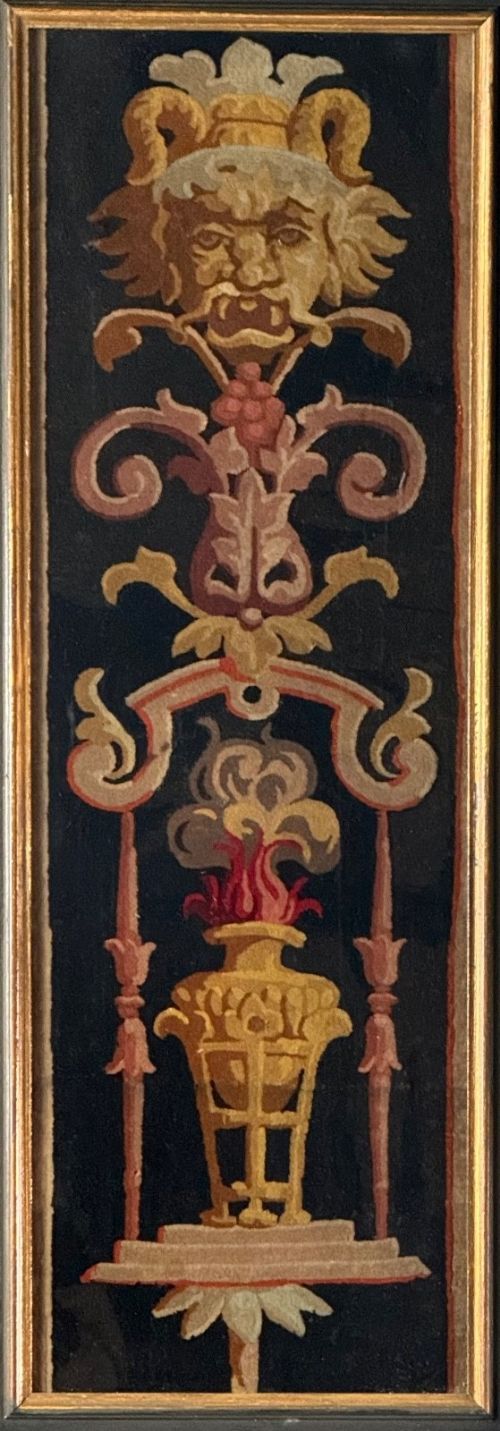
- A style of decorative ornamentation featuring fantastical human and animal figures intertwined with foliage and architectural scrolls, popular in classical embroidery.
- Warp and weft
- The foundational structure of woven textiles where vertical warp threads are held in tension while horizontal weft threads are passed through to create the image.
- Embroidered panel
- A textile work created by stitching decorative threads onto a woven ground fabric rather than weaving the design directly on a loom.
Classical Wall Textile: Frequently Asked Questions
How do I hang a heavy antique tapestry?
Large tapestries require even distribution of weight across a robust wooden batten or a hidden metal suspension system sewn securely to the upper reverse edge.
Avoid hanging textiles directly in strong sunlight to protect the natural wool and silk fibres from fading.
Can I clean an antique wall textile?
Routine maintenance involves very gentle surface dust removal using a soft brush or low-suction vacuum with a mesh screen guard.
Professional textile conservators should handle any deep cleaning or structural repairs to prevent damaging fragile historical threads.
How do I identify a Flemish verdure piece?
Flemish verdure textiles typically showcase dense, multi-layered woodlands, oversized leaves, and naturalistic flora in deep greens, blues, and browns.
These seventeenth-century works often reflect the damp climate and rich forested landscapes of Flanders through heavy woollen construction.
What is the difference between woven and embroidered textiles?
Woven tapestries build the design simultaneously with the fabric structure on a loom using warp and weft threads.
Embroidered panels apply decorative threadwork onto an existing base fabric, offering a different texture and method of pictorial storytelling.