







Classical Torchere Stand
A classical torchere stand elevates light or sculpture, bringing Neoclassical dignity and height to a room.
Classical Torchere Stand
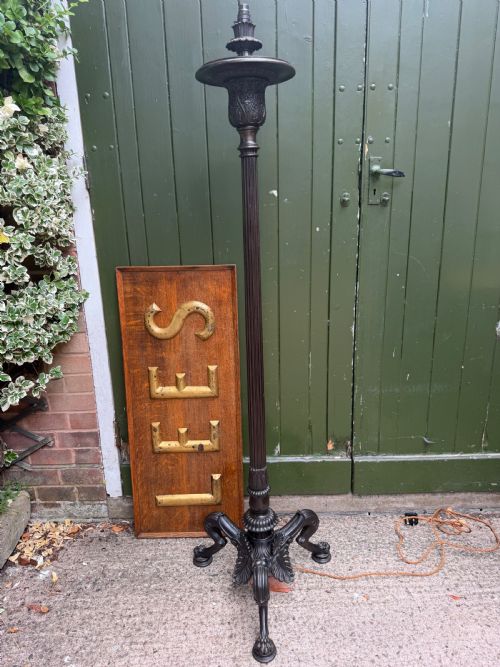
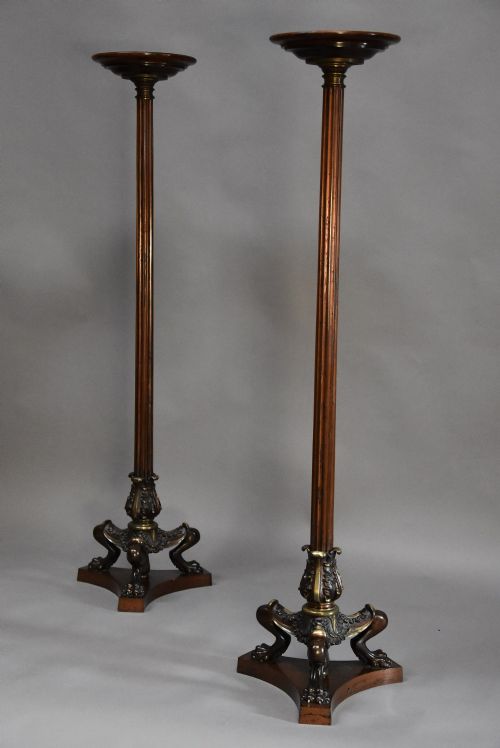
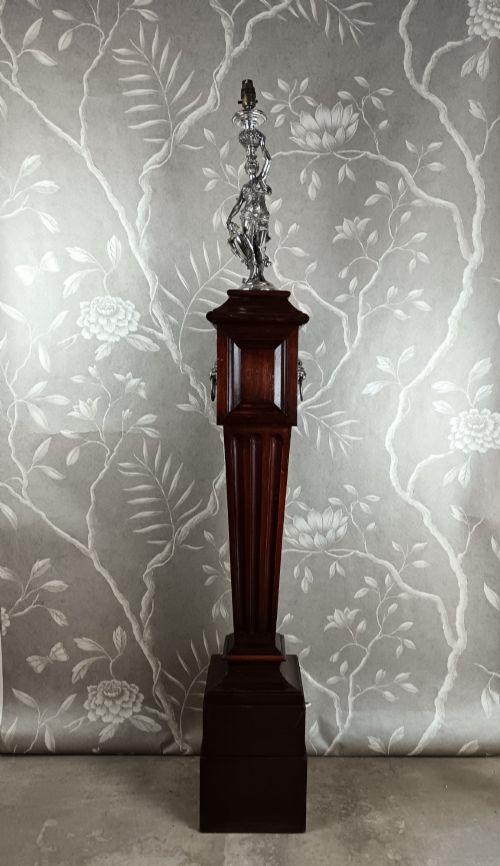
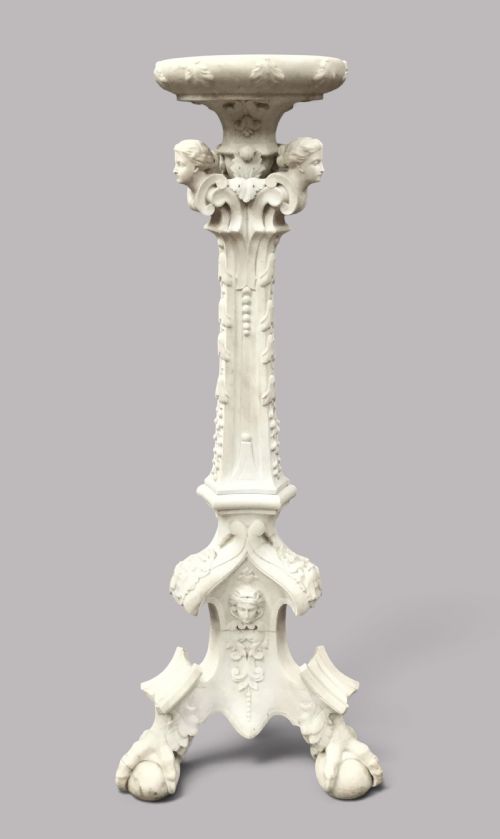
A classical torchere stand is a tall, slender support designed for lamps, urns, or figures, rooted in the Neoclassical taste of the Regency and Victorian eras.
The selections on this page span floor lamps, pedestals, and torchere stands from the nineteenth and early twentieth centuries, alongside earlier styles.
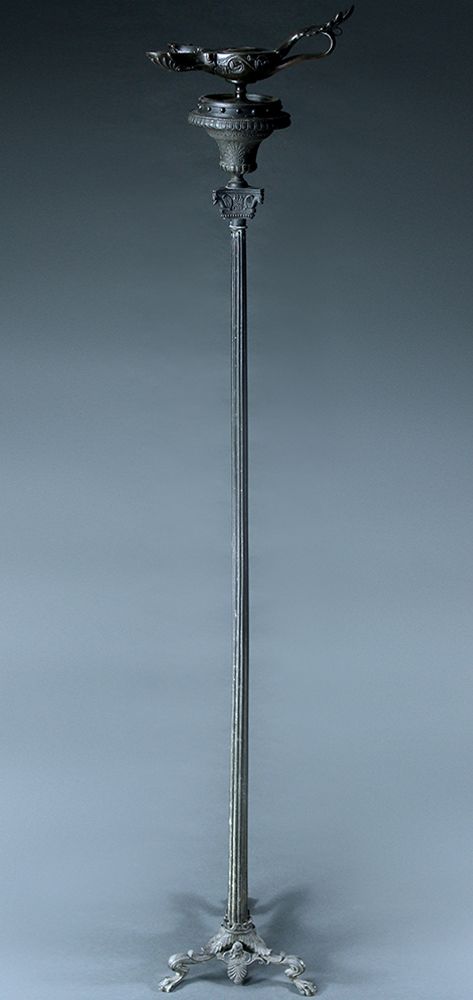
Makers drew on ancient Greek, Roman, and Pompeian motifs to create these vertical architectural statements.
How they were made
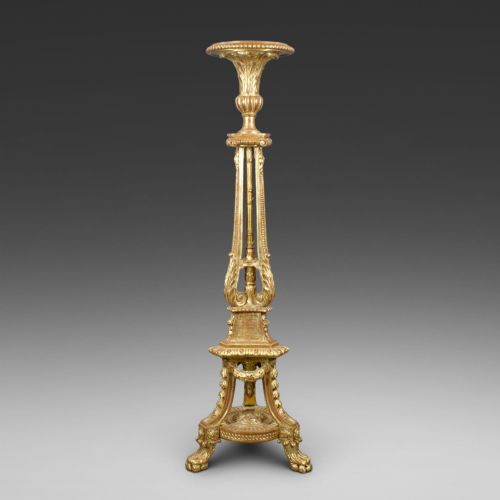
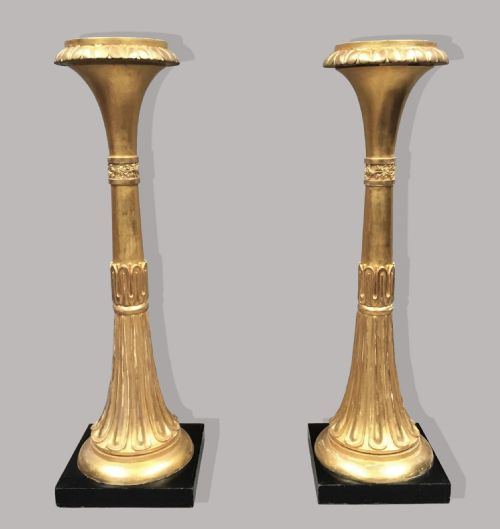
Carved mahogany, walnut, and pine provide the structural timber core for many pieces, often finished with gesso, gold leaf, or painted simulated marble.
Foundries cast bronze, brass, and iron into intricate figural statues and classical Grecian designs, sometimes combining metal with onyx or Carrara marble.
Classical Torchere Stand Retail Price Guide 2026
Typical asking prices for classical torchere stand among the pieces listed under this phrase on Sellingantiques today, from the lower quarter to the upper quarter. They describe what is for sale here now, not the wider market.
What varies in quality
Quality rests upon the crispness of the carved ornament, whether acanthus leaves on wood or cast details on bronze, and the integrity of the materials.
The weight and balance of the column dictate its success as a standalone pedestal or a fitted floor lamp supporting heavier weighted tops.
Humphrey Hopper·George Smith·Thomas Hope·WMF·Coutan
The Classical Torchere Stand Glossary
- Torchere
- A tall stand designed to carry a light or candle, evolving into pedestals for sculpture and standard lamps. These vertical stands elevate decorative objects to eye level.
- Neoclassical
- A style reviving the classical antiquity of ancient Greece and Rome, dominant during the Regency and Victorian periods. It relies on symmetry, columns, and mythological motifs.
- Gesso
- A plaster-like mixture applied to wood surfaces and carved or gilt. It provides a smooth base for gold leaf and fine painted finishes.
- Grand Tour
- A cultural journey undertaken by wealthy young Europeans to study classical antiquities, inspiring souvenir pieces and furniture designs brought home.
- Carrara marble
- A type of white or blue-grey marble from the city of Carrara in Italy, prized for classical columns and sculptural torchere stands.
Classical Torchere Stand: Frequently Asked Questions
Where should I place a torchere stand?
These tall stands suit corners, empty wall spaces, or flanking doorways where they add height and architectural interest to a room.
Ensure the base has stable footing, particularly if the stand supports a heavy lamp or sculpture.
How do I distinguish Regency from Victorian examples?
Regency pieces often exhibit strict classical restraint, simulated marble finishes, and delicate giltwood carving inspired by ancient models.
Victorian stands tend to be heavier, incorporating spiral pillars, darker woods, or robust cast-iron and bronze components.
Can these stands support modern lighting?
Many pieces function as floor lamps or standard lamps, while others are purely pedestals intended to hold an independent light source or decorative object.
Electric wiring on older pieces should be inspected and tested by a qualified electrician before use.
What materials were commonly used?
Craftsmen utilised timbers such as mahogany, walnut, and pine, frequently pairing them with bronze, brass, iron, or carved gesso and gold leaf.
Some later nineteenth-century examples incorporate natural stone elements like onyx and Carrara marble.