






Classical Torchere Lamps
Classical torchere lamps are sculptural lighting pieces carrying ancient motifs into domestic interiors, combining figure work with illumination.
Classical Torchere Lamps
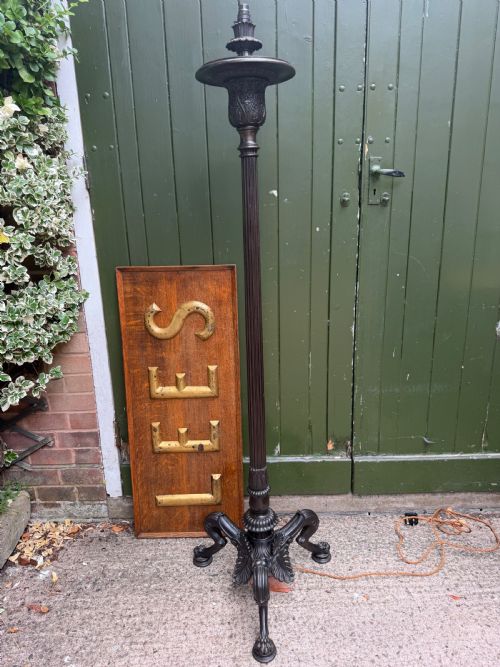
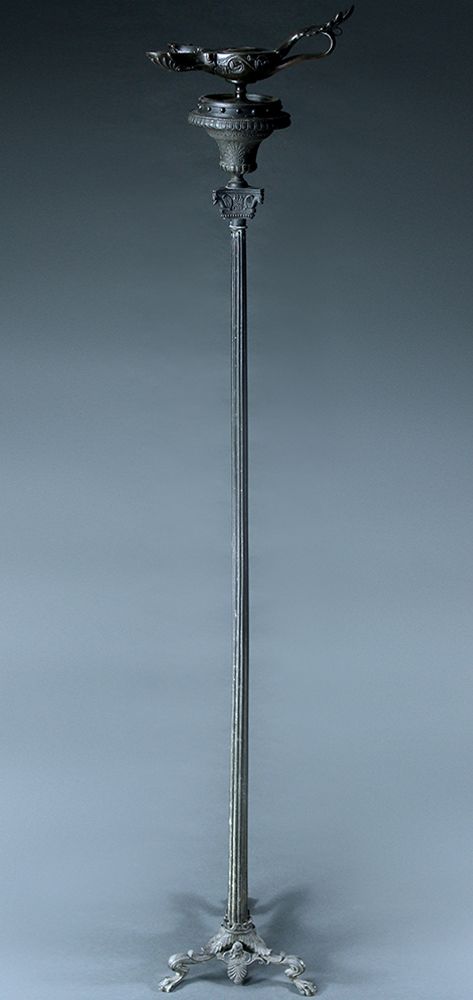
Classical torchere lamps combine sculptural figures with lighting functions, drawing directly on ancient architectural and decorative forms. When you search for classical torchere lamps, you find floor-standing and standard lamps alongside wall lights and table lamps, spanning the nineteenth century through to the early decades of the twentieth century.
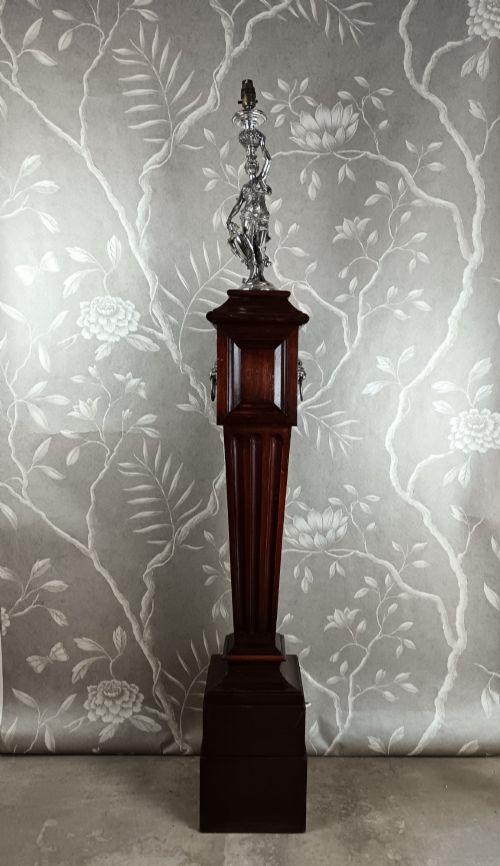
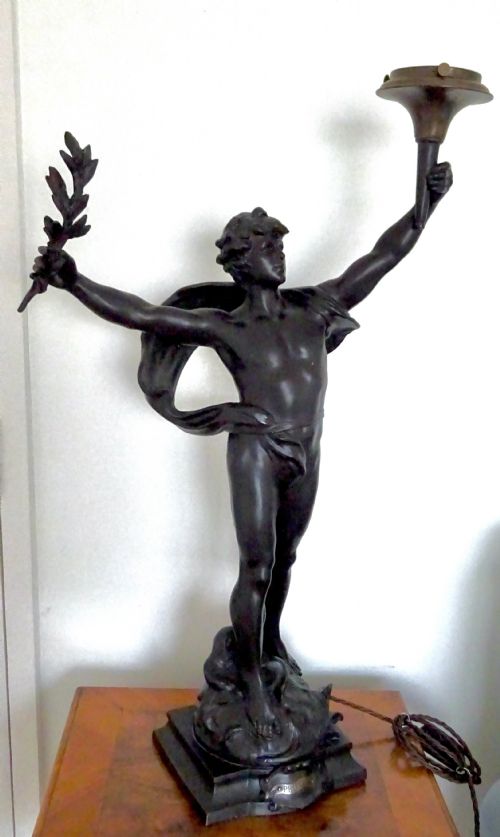
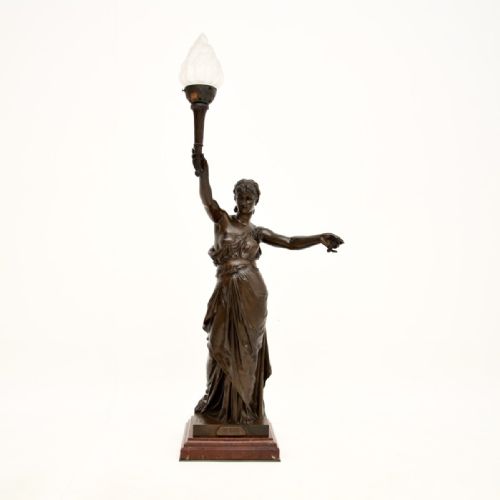
The objects frequently take the form of patinated or gilt bronze figures holding aloft flame or torch motifs. Makers and artists of the period referenced classical Grecian, Neo-Pompeian, and French neoclassical styles, using mythological and allegorical subjects to support the illumination.
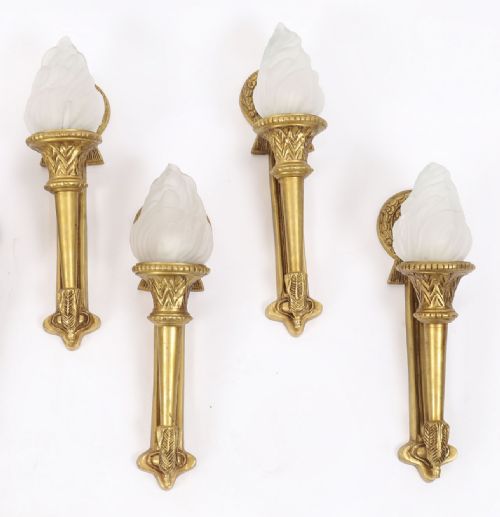
Floor-standing pieces dominate the selection, often reaching significant heights with marble, cast-iron, or specialised bases. Alongside these tall standards, you meet matched pairs of wall lights and figural lampbases adapted from earlier decorative arts.
How they were made
Foundry casting dominates production, utilising bronze, spelter, and cast-iron to render complex figural statues with sharp detail. Artisans applied patination, ormolu gilding, and silver-plating to enrich the metal surfaces before mounting them upon stone or ceramic bases.
Columns and light-bearing elements incorporate natural materials such as marble and rock crystal alongside frosted or clear glass shades. Assembly involved mechanical joinery to unite heavy metal figures with stone pedestals and internal electrical or burner fittings.
Classical Torchere Lamps Retail Price Guide 2026
Typical asking prices for classical torchere lamps among the pieces listed under this phrase on Sellingantiques today, from the lower quarter to the upper quarter. They describe what is for sale here now, not the wider market.
Look closely for the mythical mermaid base holding a rock crystal column, proving that even illumination needs a splash of sea-monster magic.
What varies in quality
Material selection separates standard production from exceptional pieces, particularly through the use of solid cast bronze, fine ormolu, and substantial marble pedestals. Lesser items utilise spelter or cast-iron with applied finishes that show greater wear and simpler construction.
WMF·F. De Luca·Emile Picault·Humphrey Hopper·Jean-Jules Cambos·François-Christophe-Armand Toussaint·Coutan·Moreau
The Classical Torchere Lamps Glossary
- Torchere
- A tall ornamental stand or floor lamp designed to carry a light source, originating from seventeenth-century torch-holders. These pieces translate the concept into figural and architectural standards.
- Ormolu
- Gilt bronze produced by applying a finely ground high-carat goldmercury amalgam to a bronze object, which is then fired. This technique creates a rich, durable golden surface.
- Spelter
- A zinc alloy frequently used as a less costly alternative to bronze for nineteenth-century decorative castings. It takes patination well but possesses a lower tensile strength than bronze.
- Patinated bronze
- Bronze treated with chemical solutions to produce a controlled surface colour such as dark brown or green. This finish protects the metal and accentuates the sculptural contours.
- Rock crystal
- Clear, colourless natural quartz used in select columns and decorative mounts. It requires specialist cutting and polishing to achieve transparency and light refraction.
Classical Torchere Lamps: Frequently Asked Questions
What is a classical torchere lamp?
A classical torchere lamp is a tall lighting fixture supported by a figural or architectural column. It draws inspiration from ancient motifs and historical revival styles.
These pieces typically feature human figures, allegorical subjects, or mythical characters holding lights. They function as both primary illumination and decorative sculpture within a room.
How were these lamps used originally?
Historically, tall torchere stands illuminated grand reception rooms, hallways, and drawing rooms in large townhouses and country homes. They positioned light sources at elevated levels to brighten dark corners.
Over time, many of these stands were converted to electricity as domestic lighting technology changed. Wall lights served a similar purpose along corridors and architectural focal points.
Are these lamps made of solid bronze?
Materials vary across the pieces, with many utilising cast bronze, gilt bronze, and patinated bronze for the primary figures. Other items employ alternative metals such as spelter or cast-iron.
Bases and columns frequently incorporate contrasting materials like marble, porcelain, or rock crystal. Each material combination affects the overall weight and stability of the standard.
How do I identify nineteenth-century pieces?
Nineteenth-century examples often display specific foundry marks, artist signatures, or distinct casting methods characteristic of the period. Stylistic cues include Neo-Classical revival, French Rococo, and Grand Tour influences.
Examination of the metal patination, base construction, and mounting hardware helps distinguish original nineteenth-century manufacture from later reproductions. Signed pieces by recorded sculptors provide clear chronological anchors.
How do I live with a tall torchere lamp?
Placing a tall torchere requires a stable floor surface and adequate clearance to accommodate its height and footprint. They work well in corners or beside substantial pieces of furniture.
Because many are heavy, particularly those with marble bases, positioning them away from heavy foot traffic protects both the lamp and surrounding objects. Electrical cords should be routed safely beneath carpets or along skirting boards.