

Classical Table Lamps
Classical table lamps bring architectural proportion and patinated metal to a room, channelling antique columns and classical urns into domestic lighting.
Classical Table Lamps
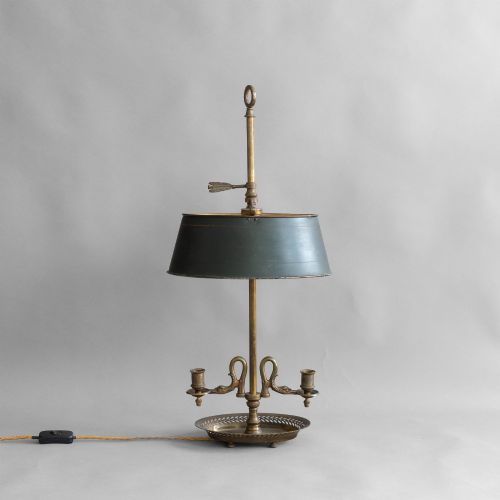
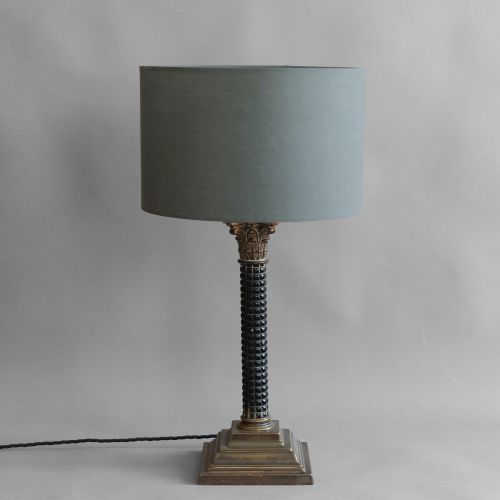
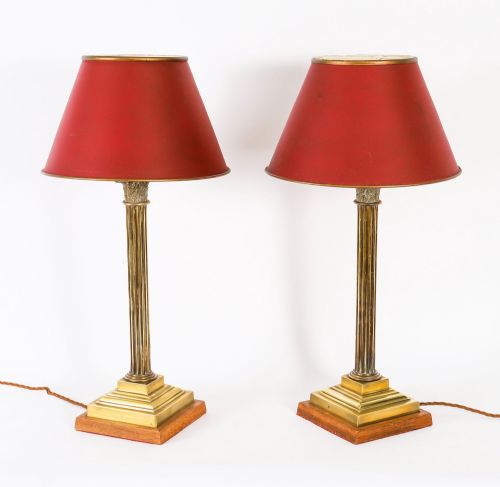
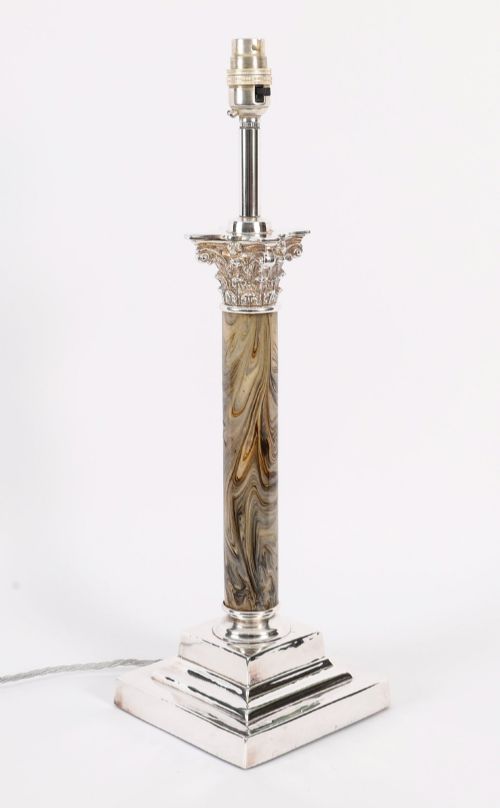
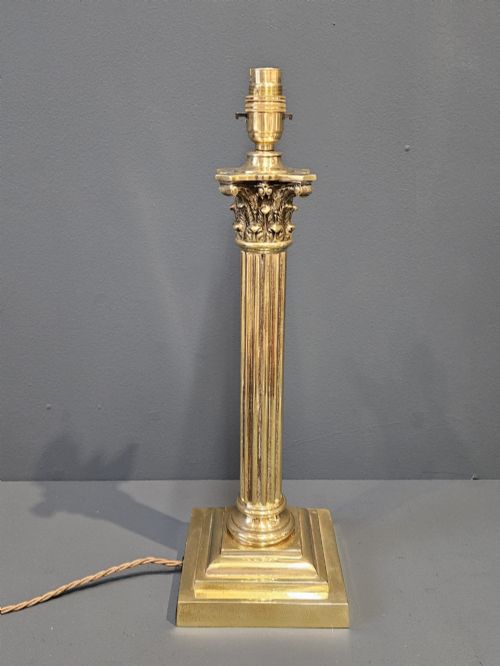
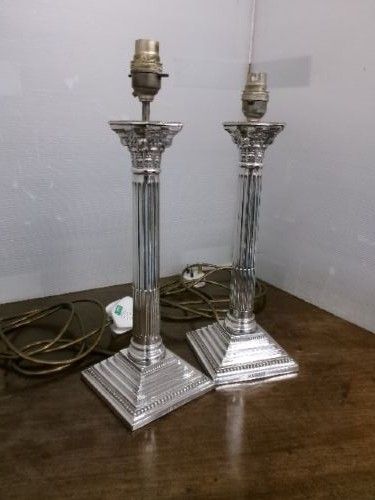
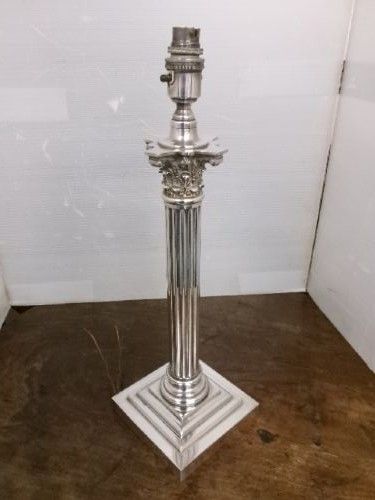
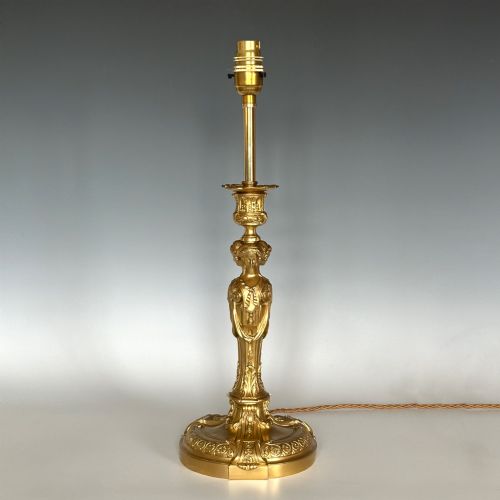
Classical table lamps draw heavily on architectural orders and antique ornament, translating ancient forms into functional domestic lighting. When searching for classical table lamps, a buyer encounters a strong presence of Corinthian and Ionic columns cast in brass or silver plate, alongside figural bronzes and marble urns.
The prevailing examples originate from the nineteenth century through the Edwardian period, often reflecting the tastes of the Grand Tour or Neoclassical revivals. Many pieces began life as oil lamps or candelabra before later conversion to electricity, retaining their heavy bases and substantial proportions.
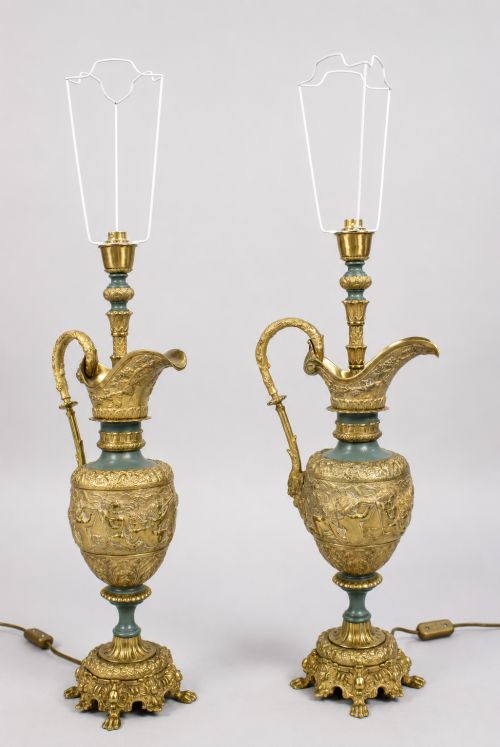
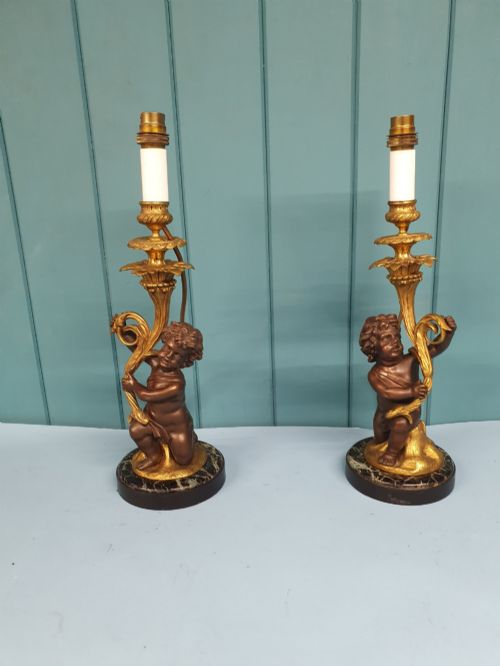
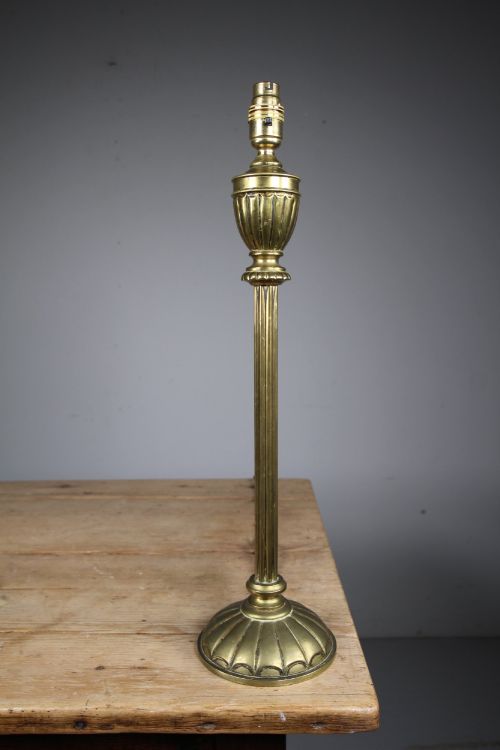
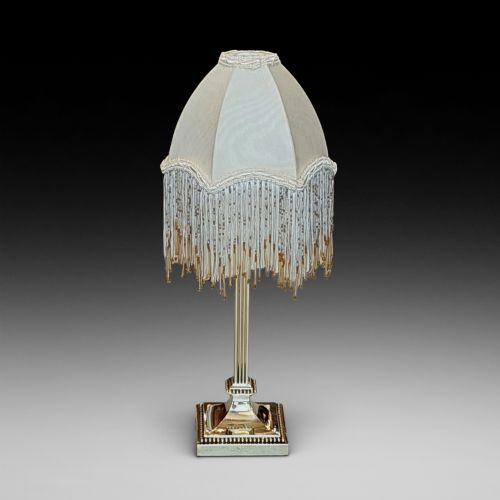
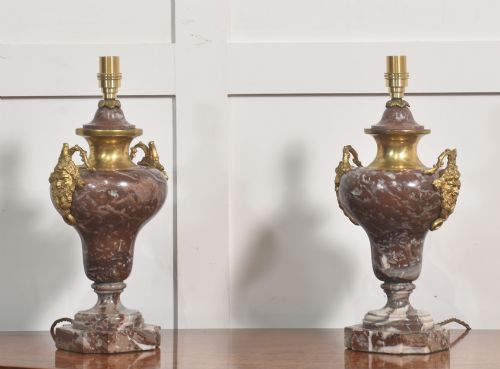
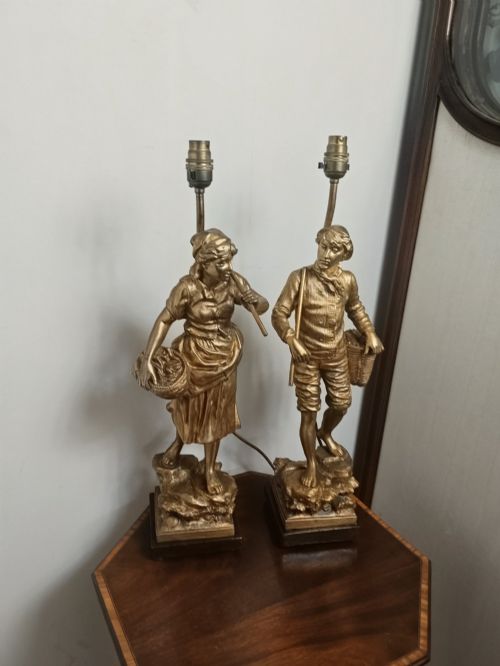
French and English workshops dominate the surviving record, employing materials such as ormolu, patinated bronze, rouge marble, and carved alabaster. These pieces range from restrained reeded columns to ornate figures and classical vases adapted for the table.
Standards of execution
Quality rests primarily on the crispness of the casting and the depth of the chasing on metal mounts, where sharper acanthus leaves on a Corinthian capital indicate superior workshop practice. Heavier gauge brass and thick silver plating distinguish substantial table pieces from lighter, mass-produced domestic alternatives.
The selection of stone and marble dictates the upper tier of production, with dense, unblemished onyx, fine-grained alabaster, and richly variegated French marble commanding attention over plain or composite materials. Furthermore, the retention of signed or attributed foundry marks elevates certain figural works above standard anonymous production.
Listings demonstrate a strong preference for nineteenth-century brass Corinthian column forms, alongside French marble and alabaster urns.
E Rousseau·L & F Moreau·G. Amodio
The Classical Table Lamps Glossary
- Ormolu
- Gilded bronze, where finely ground gold is amalgamated with mercury and applied to a bronze base by heat. This technique produces a durable, rich golden surface typical of French neoclassical decorative arts.
- Corinthian column
- An architectural order featuring an ornate capital decorated with rows of acanthus leaves. It is the most frequently encountered column style among brass and silver-plated table lamps.
- Pâte-sur-pâte
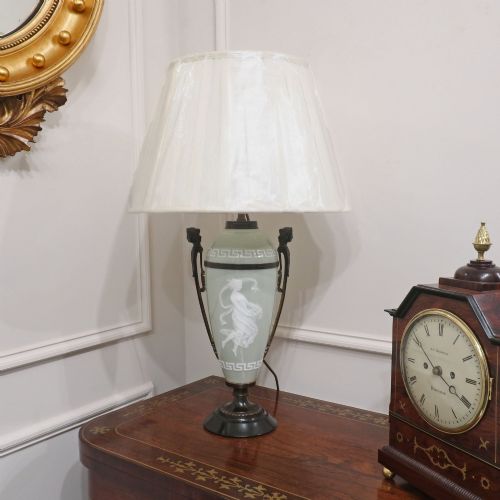
- A ceramic decorating technique where wet porcelain slip is applied layer by layer to a contrasting background to build up a low-relief cameo effect. This method creates delicate translucent details on porcelain lamp bodies.
- Grand Tour
- A traditional trip through Europe undertaken by upper-class young men in the eighteenth and nineteenth centuries to study classical art. Souvenirs included small bronzes and architectural models later converted into lighting.
- Volute krater
- An ancient Greek vase form characterised by scroll-shaped handles, which inspired the silhouette of several patinated metal lamps found in the archive.
Classical Table Lamps: Frequently Asked Questions
What periods do these lamps come from?
The majority date from the nineteenth century, including the Victorian era, through to the Edwardian period and the 1920s. These pieces often reflect revivals of Neoclassical and French design.
Earlier examples from the mid-nineteenth century frequently started as oil lamps or candelabra before later conversion to electricity.
Were these always electric lamps?
Most antique examples began life as oil lamps or candelabra and were converted to electricity during the twentieth century. This conversion process often utilised the original burner mechanisms or central columns.
As a result, many retain the heavy weight and sturdy construction required for burning oil or supporting heavy candle branches.
How do I identify a column lamp style?
Column lamps typically follow classical architectural orders, most commonly the Corinthian style with its leafy capital. You will also find Ionic capitals with scroll details and plain reeded brass shafts.
Examining the metalwork and weight of the base usually reveals whether the column is cast in solid brass or silver-plated metal.
What materials were used for the bases?
Foundries and makers relied heavily on cast brass, bronze, ormolu, and silver plate for structural columns and figural mounts. These metal elements were frequently combined with contrasting stone elements.
Common stone materials include white marble, rouge marble, onyx, and carved alabaster, which added substantial weight and colour variety.