





Classical Stone Plinth
A classical stone plinth elevates garden sculpture and interior busts, bringing proportion and architectural presence to any display.
Classical Stone Plinth
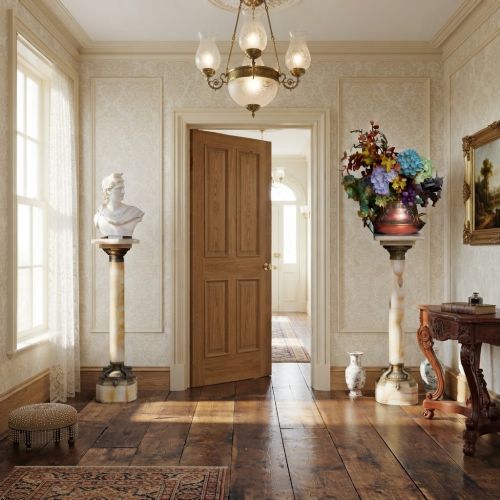
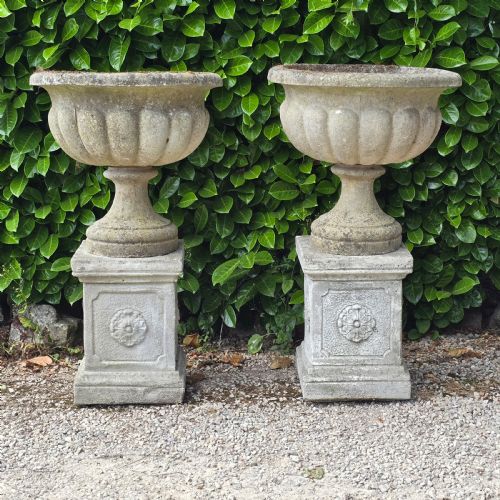
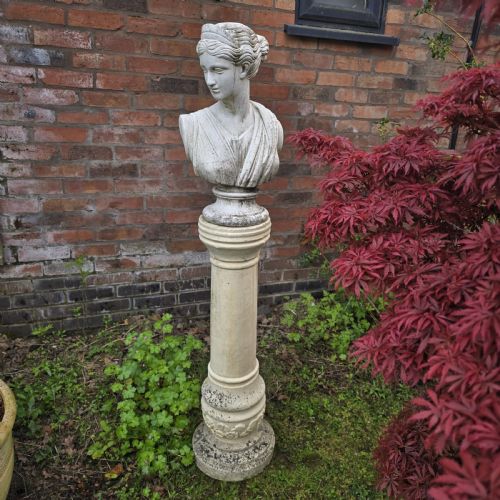
A classical stone plinth provides a sturdy architectural foundation for garden statues, urns, and portrait busts. When you search for a classical stone plinth, you encounter supports designed to lift art into primary view.
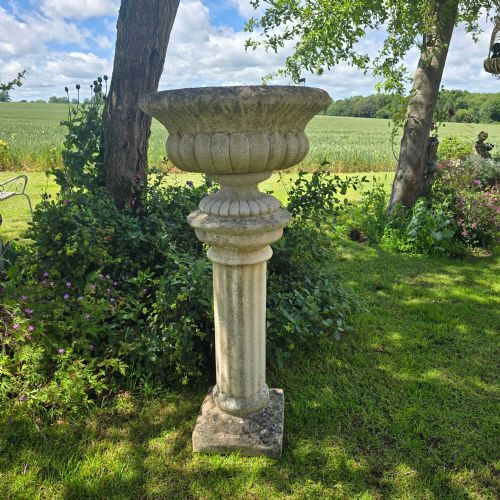
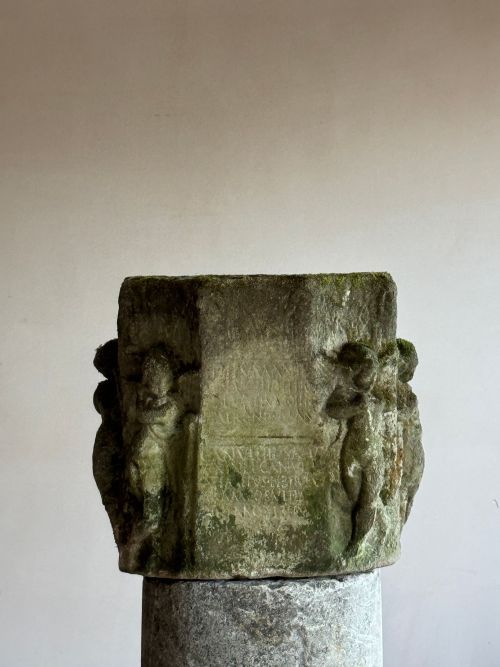
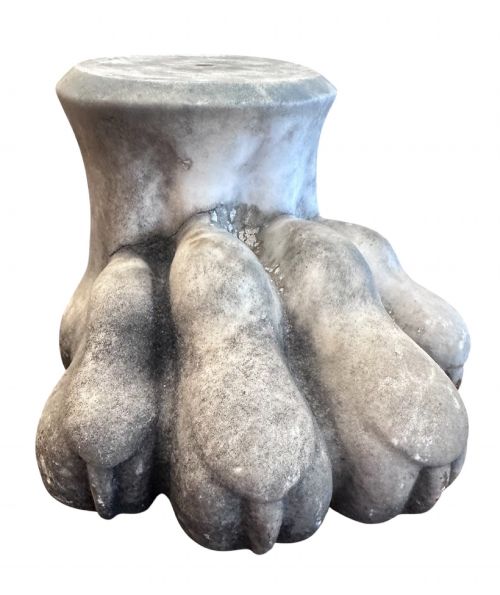
The selection ranges from Victorian examples and Edwardian stone altars to mid-century garden pedestals and 19th-century columns. Materials vary from heavy cast stone and reconstituted stone to carved marble and alabaster.
Forms span simple square shafts and tapered columns to elaborately moulded pedestals. These pieces originate from domestic gardens, conservatory displays, and grand tour collections.
Materials and construction methods
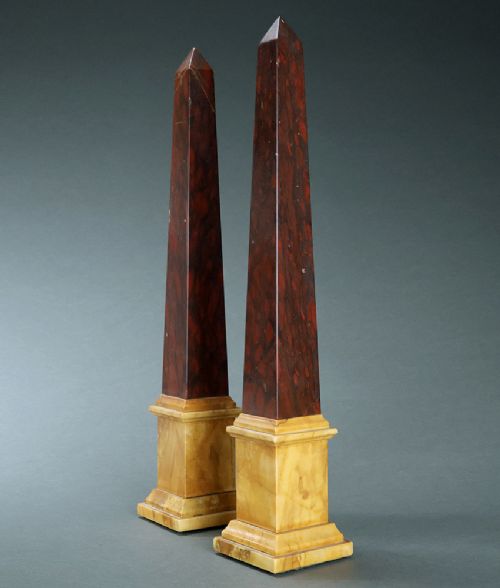
Masonry and sculptural pieces rely on natural stone, marble types such as Carrara and Verde Antico, and moulded composites. Stonemasons carved structural columns and plinths by hand, applying classical orders and decorative details.
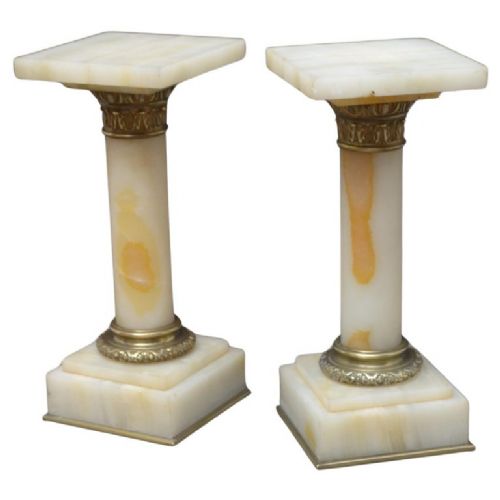
Cast stone and reconstituted stone pieces utilised aggregate bound with cement, poured into durable moulds to replicate carved stonework efficiently. Alabaster and onyx required careful lathe-turning and hand-polishing for interior plant stands and torchere plinths.
Listings feature items spanning the 17th century through the Victorian era up to 1950, utilising marble, cast stone, and brass.
Assessing quality and craftsmanship
Quality rests in the precision of the carving, the crispness of mould details, and the selection of the stone. Superior examples display balanced proportions, clean architectural lines, and harmonious veining in natural marbles.
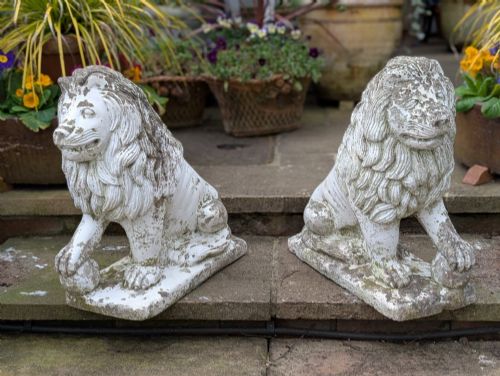
The degree of weathering on garden stone alters the surface character over decades. Finer pieces maintain structural integrity and decorative relief regardless of whether exposure has softened their external edges.
Andrew Handyside·Selim Bright·Fritz Kochendorfer
The Classical Stone Plinth Glossary
- Plinth
- A heavy base supporting a statue, column, or urn. It provides stability and visual weight to elevated objects.
- Campana
- A bell-shaped garden urn commonly mounted on a pedestal. This classic profile originates from ancient Roman metal and stone vessels.
- Scagliola
- A composite material made from selenite, glue, and pigments, mimicking genuine marble. Craftsmen applied and polished it to imitate costly stones on pedestals and columns.
- Grand Tour
- A cultural journey through Europe undertaken by 19th-century travellers collecting classical antiquities and marble souvenirs. Many architectural fragments and small columns date from this period of acquisition.
- Corinthian
- An architectural order defined by ornate capitals decorated with acanthus leaves. Columns and capitals of this style appear frequently on formal pedestals.
Classical Stone Plinth: Frequently Asked Questions
What goes on a classical stone plinth?
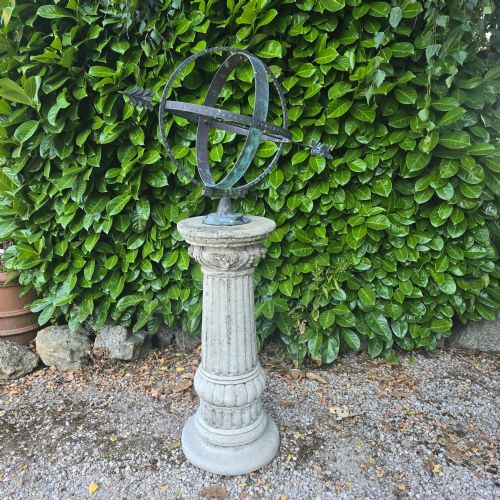
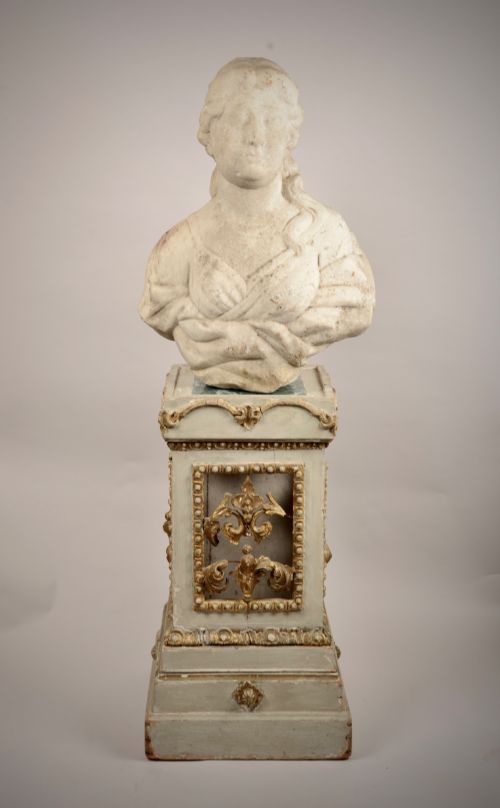
Garden urns, bronze and stone busts, sundials, and sculptural figures rest upon these pedestals. The combination lifts decorative art to eye level in gardens and interior spaces.
Heavier items require a solid square base to ensure stability outdoors or on level flooring.
How do I identify a 19th-century pedestal?
Nineteenth-century pieces often reflect Neoclassical Revival tastes through specific marble types like Verde Antico, Carrara, or onyx. Tool marks, patination, and construction joints provide clues to their age.
Heavier architectural salvage and Grand Tour items also point firmly to this century of manufacture.
How do I clean weathered stone plinths?
Gentle brushing with water removes accumulated moss and dirt without damaging the historic surface. Harsh chemical cleaners and pressure washers strip away the desirable weathered patina built up over decades.
Allow natural stone to dry completely after cleaning to preserve its structural integrity.