




Classical Side Table
A classical side table brings architectural discipline and refined surface to a room, drawing on neoclassical, Regency, and French Empire traditions.
Classical Side Table
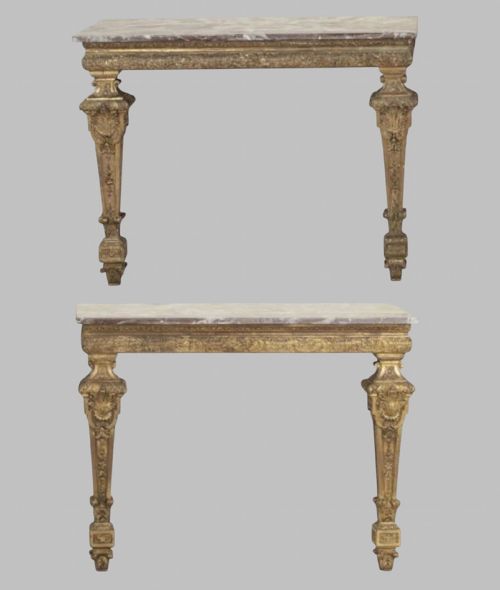
A classical side table encompasses console tables, centre tables, occasional pieces, and bedside cabinets drawn from nineteenth-century and early twentieth-century periods. These forms frequently adopt architectural silhouettes, drawing directly from Neoclassical, Regency, French Empire, and Edwardian design vocabularies.
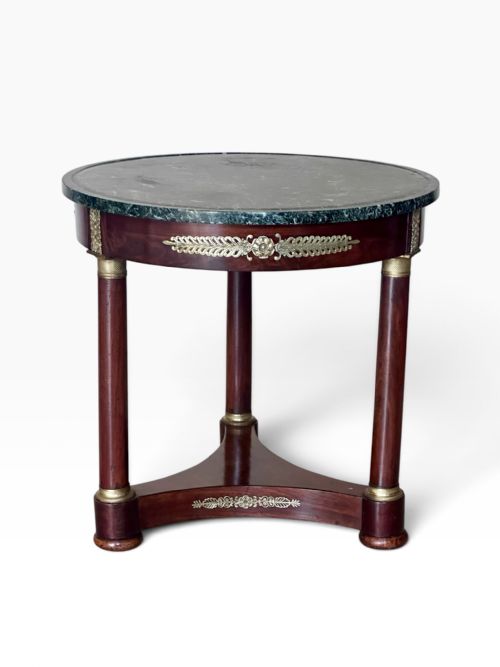
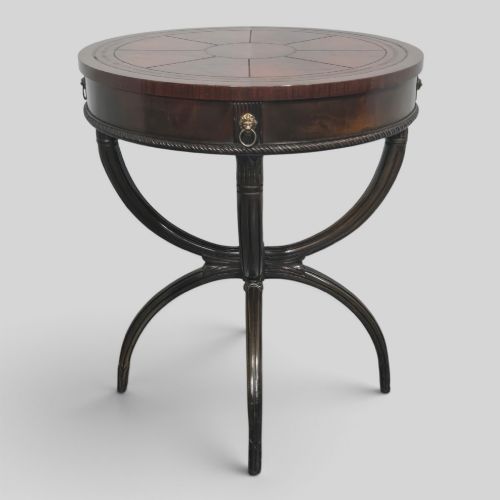
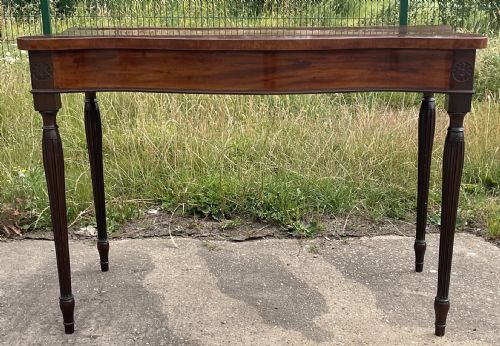
Console tables and centre tables dominate the larger expressions of this aesthetic, often positioned against walls or centred in reception rooms. Side cabinets, bedside tables, and occasional variants offer the same formal rigour on a smaller domestic scale.
Makers and manufacturers across Britain, France, and Italy produced these pieces during the Victorian and Edwardian eras, utilising revivalist styles that reinterpreted earlier eighteenth-century ideals. The resulting inventory ranges from monumental marble-topped consoles to compact occasional pieces suited to modern interiors.
Materials and construction
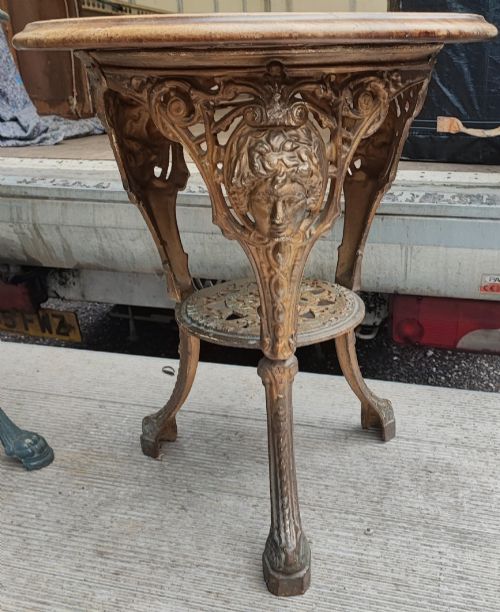
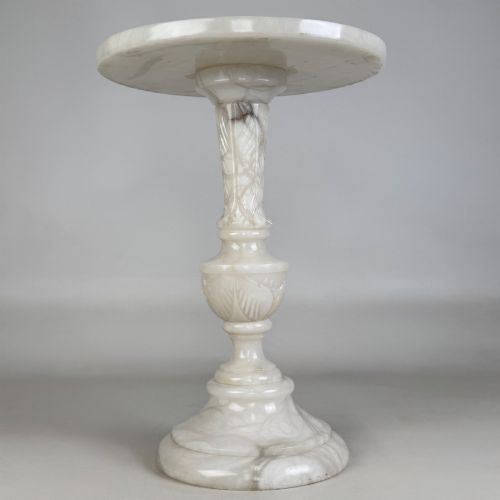
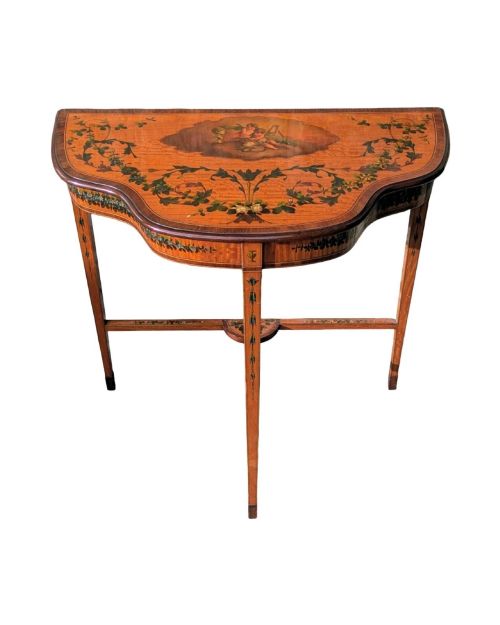
Makers relied heavily on dense hardwoods such as mahogany and satinwood for structural frames, frequently incorporating marquetry, polychrome paint, or gilded finishes to achieve surface richness. Console and centre tables often feature heavy stone elements, utilising rouge, Siena, or white marble tops supported by carved wood or cast metal bases.
Bronze, brass, and silver plating appear frequently in decorative mounts, columns, and structural supports, aligning with French Empire and neoclassical tastes. Gilding, whether applied to wood as giltwood or to bronze and other metals, defines the ornamental vocabulary across the majority of these listings.
Classical Side Table Retail Price Guide 2026
Typical asking prices for classical side table among the pieces listed under this phrase on Sellingantiques today, from the lower quarter to the upper quarter. They describe what is for sale here now, not the wider market.
Listings feature woods like mahogany and satinwood alongside marble tops and gilded bronze mounts across nineteenth-century and Edwardian periods.
Assessing execution and materials
Quality rests primarily in the selection of materials and the crispness of surface ornament, distinguishing standard production from exceptional studio output. The depth of hand-carving in wood or cast metal, the integrity of marble slabs, and the precision of marquetry inlay dictate the overall standing of an individual piece.
The integration of secondary materials, such as finely painted polychrome decoration on satinwood or fire-gilding on bronze mounts, separates masterwork examples from simpler commercial furniture. Structural honesty, such as the use of solid mahogany rather than thin veneers over secondary woods, further elevates a piece within its period.
Alexander McKenzie of Glasgow·E Rousseau
The Classical Side Table Glossary
- Neoclassical
- A style spanning the eighteenth and nineteenth centuries that revived classical Greek and Roman motifs, focusing on symmetry, columns, and restraint.
- Console table
- A table designed to be fixed against a wall, traditionally supported by console brackets or legs rather than four independent vertical posts.
- Satinwood
- A lustrous, yellowish-wood timber prized for fine cabinetmaking and frequently utilised in Regency and Edwardian decorative furniture.
- Giltwood
- Wood that has been coated with gold leaf or powder, standard in formal furniture from the nineteenth century and earlier.
- Marquetry
- The art of applying decorative veneer pieces in various woods, metals, or shells to form geometric or pictorial patterns on a surface.
Classical Side Table: Frequently Asked Questions
What is a classical side table?
A classical side table is a piece of furniture drawing on Greek, Roman, or Renaissance architectural motifs, typically produced during the nineteenth or early twentieth centuries. These tables incorporate forms such as consoles, occasional pieces, and centre tables.
Characterised by straight lines, columns, or classical mounts, they serve functional surface roles while introducing formal architectural presence into domestic spaces.
Where do these tables originate?
The pieces originate primarily from British, French, and Italian workshops spanning the Victorian, Edwardian, and Regency periods. Makers in these regions reinterpreted classical ideals using local and imported materials.
French pieces often display Empire or Louis Seize influences, while British examples lean towards Regency and Edwardian formal cabinetmaking traditions.
How do I style a classical side table?
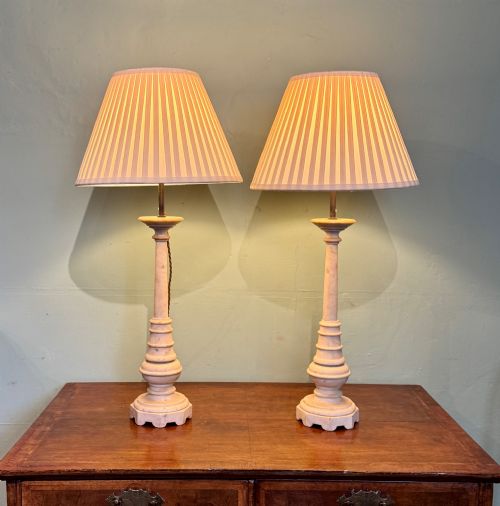
These tables integrate effectively into both traditional and contemporary interiors by acting as focal points for lamps, decorative urns, or books. Placing a console against an entryway wall or a centre table in a larger room highlights their sculptural qualities.
Pairing them with neutral walls allows the mahogany grain, marble tops, or gilded details to stand out without visual clutter.
How do I identify the period of a table?
Dating relies on examining the timber species, construction methods, and decorative motifs relative to known historical styles. Regency and nineteenth-century pieces often feature heavier mahogany framing and genuine marble inserts, while Edwardian revivals may display lighter satinwood and painted finishes.
Secondary woods and hardware fixings further assist in narrowing the decade of manufacture.