




Classical Scene Oil Artwork
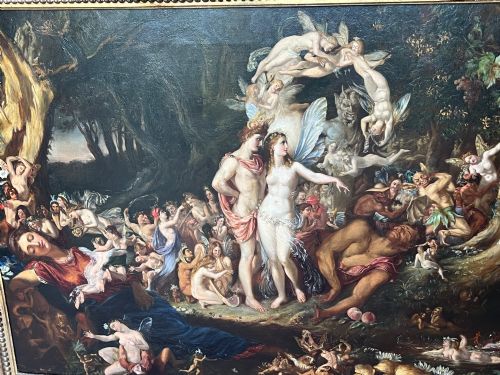
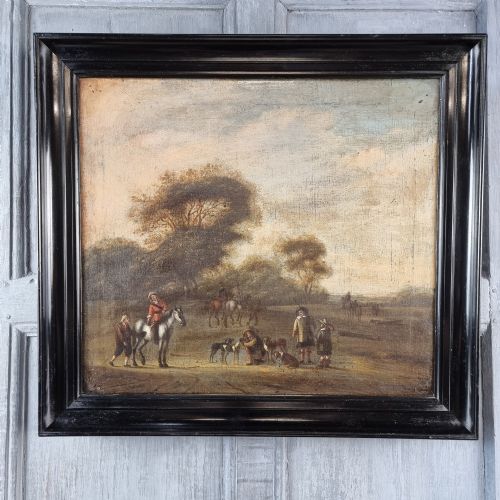
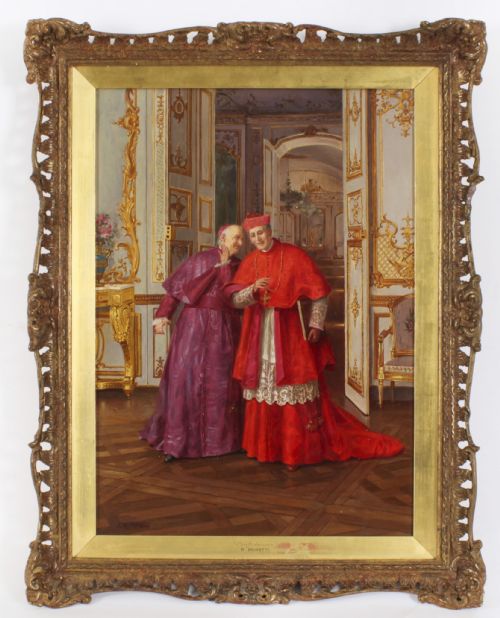
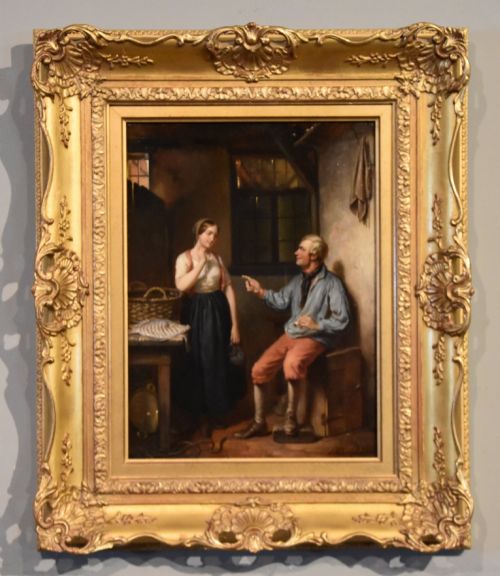
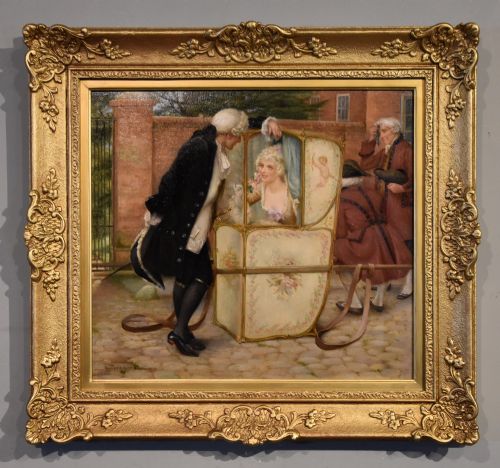
Classical scene oil artwork brings dramatic landscapes, mythological narratives and historical subjects into rooms through traditional painted compositions.
Classical Scene Oil Artwork
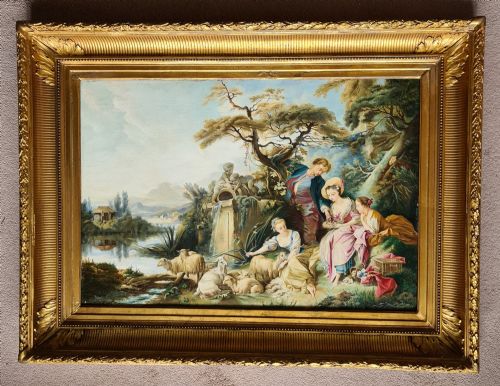
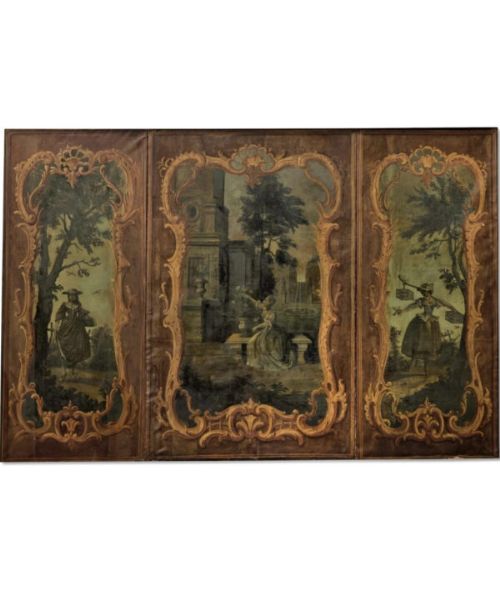
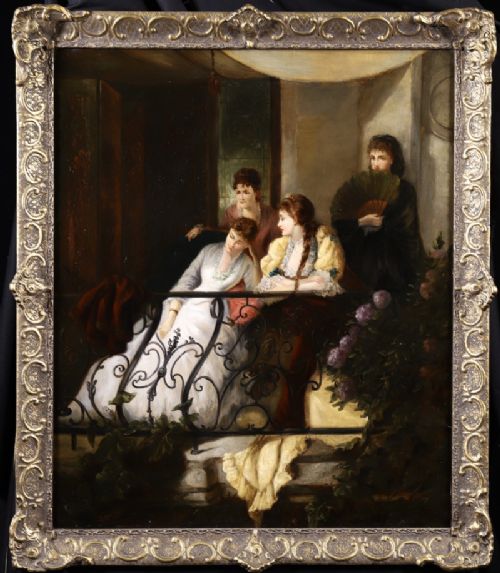
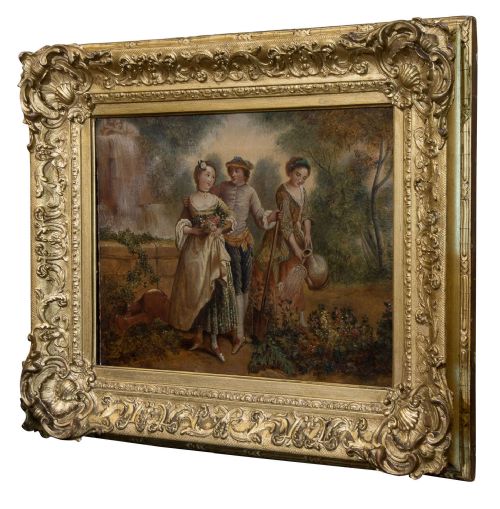
A classical scene oil artwork presents historical, mythological or pastoral subjects rendered in oil paint upon canvas, panel or board. These works reflect traditions spanning from the seventeenth century through to the nineteenth century, encompassing European schools such as Italian, French and Dutch.
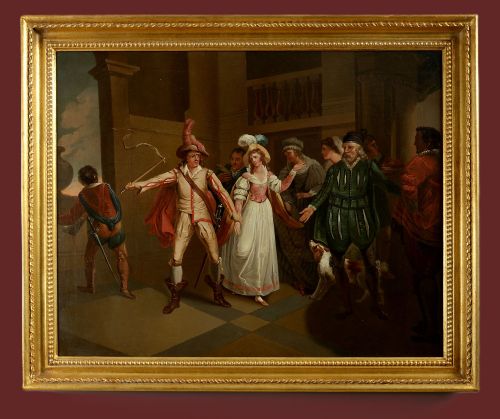
The selections available here range from grand Venetian canal views and Italianate river landscapes to theatrical interpretations of classical stories. Many pieces draw inspiration from earlier masters, offering interpretations in the manner or circle of recognised historical painters.
Materials and Construction
Pigments suspended in oil paint are applied to prepared canvas, wood panel or board surfaces, allowing for rich colour depth and gradual blending. Canvases are frequently stretched over wooden frames, whilst older panels utilise solid timber substrates.
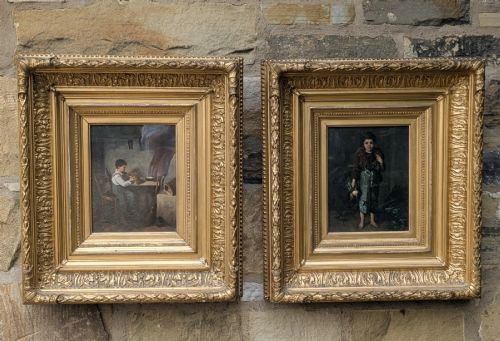
Frames incorporate materials such as giltwood, gesso and gold leaf to complement the painted imagery. Elaborate mouldings frame the artworks, echoing the decorative styles of the periods in which they were produced.
Listings feature works spanning the seventeenth to the twentieth century, utilising oil on canvas, wood panel and gesso frames.
Factors of Quality
Technical proficiency in handling light, shadow and human anatomy distinguishes exceptional compositions from simpler workshop pieces. Mastery over perspective in architectural elements and natural landscapes indicates the skill of the artist.
The condition of the paint surface, stability of the canvas or panel, and the authenticity of the associated period frame contribute significantly to the standing of an individual work.
Sir Joseph Noel Paton·Francois Boucher·Renato Moretti·Jacob Akkersdijk·Delapoer Downing·David Teniers·Jean baptiste Joseph Pater·Claude Lorrain·Pierre Emmanuel Dielmans·Jan Evert Morel·William Raymond Dommersen·Antonio Tempesta·Pietro Dasaro·Andrea Celesti·Francesco Guardi·Paul Viry·Richard Wilson·Sir Edwin Henry Landseer
The Classical Scene Oil Artwork Glossary
- Capriccio
- An architectural fantasy placing together buildings, archaeological ruins and other architectural elements in a fictional combination for compositional effect.
- Grisaille
- A painting executed entirely in shades of grey or neutral greyish monochrome, often designed to imitate sculpture.
- Impasto
- The process of applying paint thickly on a canvas so that it stands out from the surface, adding texture and three-dimensional quality to brushstrokes.
- Provenance
- The chronology of the ownership, custody or location of a historical historical painting, helping to establish authenticity.
- Triptych
- A work of art divided into three sections, or three carved panels that are hinged together and can be folded shut or displayed open.
Classical Scene Oil Artwork: Frequently Asked Questions
What defines a classical scene oil artwork?
These works depict historical, mythological, literary or pastoral subjects derived from classical antiquity and European artistic traditions. They utilise traditional oil painting techniques on canvas or panel to create narrative or landscape compositions.
Subjects often include figures in architectural settings, coastal harbours, or dramatic theatrical moments drawn from Shakespeare, opera and classical history.
How do I hang a large oil painting safely?
Large canvases require secure wall fixings distributed across heavy-duty picture wire or D-rings attached directly to the wooden stretcher frame. Weight must be properly supported by masonry anchors or wall studs.
Position paintings away from direct sunlight and steady heat sources to protect the canvas, oil pigments, and giltwood frames from environmental damage.
Are these paintings original period pieces?
The inventory includes original works from the seventeenth, eighteenth and nineteenth centuries, alongside historical copies and works created in the manner of earlier masters. Documentation within titles often notes if a piece is painted after an earlier artist.
Materials such as aged canvas, traditional stretchers and period gilt frames help indicate the historical age of individual artworks.