



Classical Relief Panel
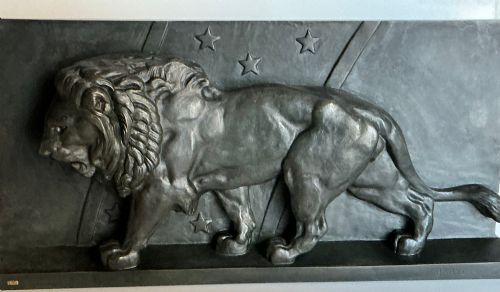
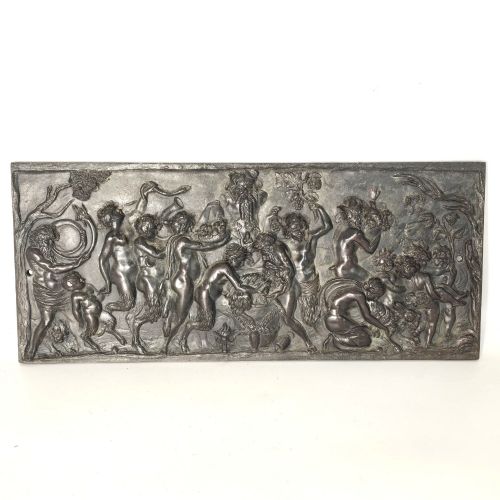
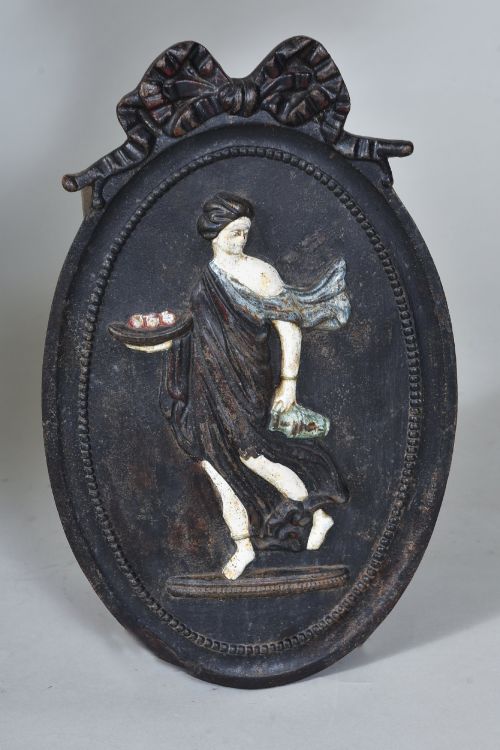
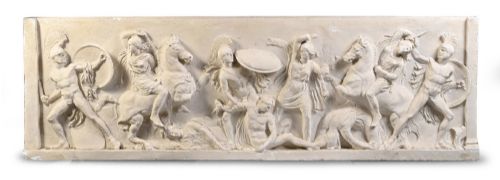
A classical relief panel brings mythological figures and neoclassical motifs into an interior through carved wood, cast plaster or bronze.
Classical Relief Panel
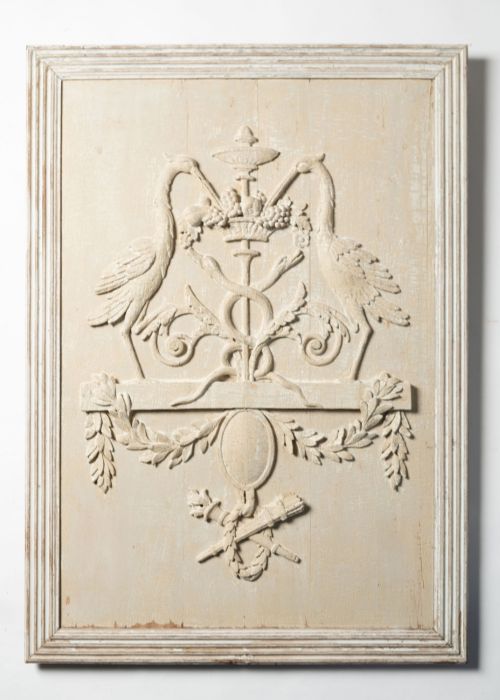
A classical relief panel draws on historical subjects, architectural friezes and mythological scenes to adorn walls and architectural joinery. When exploring a classical relief panel, you encounter formats ranging from carved timber plaques and over-door panels to framed plaster casts and cast bronze plaques.
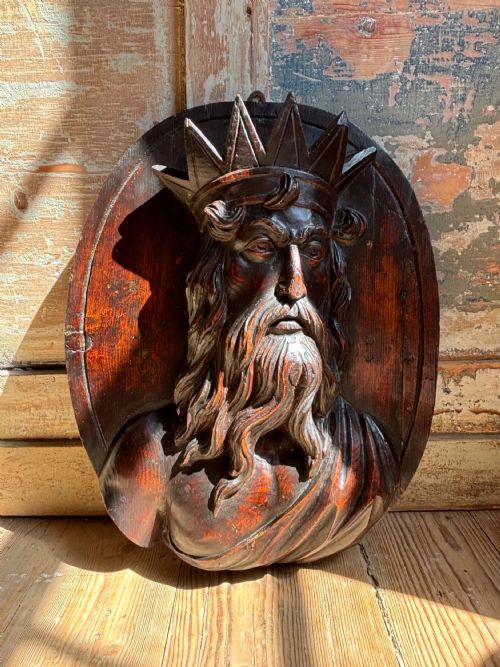
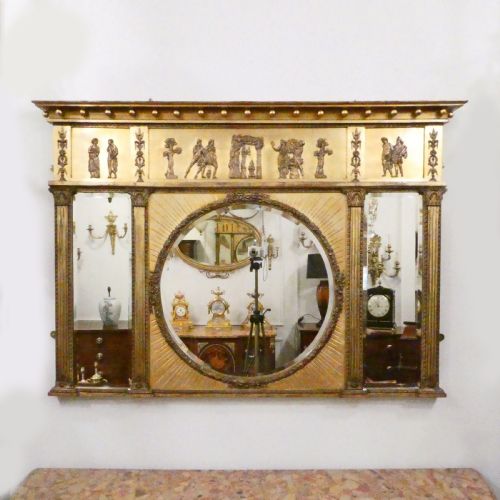
The objects span the eighteenth and nineteenth centuries, taking shape through periods such as the Regency, Victorian and Neoclassical styles. French and Italian craftsmanship appears frequently among the carved walnut items, marble reliefs and giltwood mirrors.
Wall plaques and sculptural friezes represent the core forms within this selection, often depicting deities, allegorical figures or narrative scenes. These pieces function as architectural ornaments or independent wall art depending on their original mounting.
Assessing quality
Quality rests upon the crispness of the carving or casting, where sharp definition in facial expressions and musculature distinguishes superior work from softer secondary iterations. The depth of the relief and the proportion of the figures dictate the visual impact of the piece against a wall.
The integrity of the material dictates longevity, with tight-grained walnut showing precise tool marks while fine plaster retains delicate surface textures without excessive abrasion. Original surfaces and patination on bronzes or carved wood contribute significantly to the character of each piece.
Classical Relief Panel Retail Price Guide 2026
Typical asking prices for classical relief panel among the pieces listed under this phrase on Sellingantiques today, from the lower quarter to the upper quarter. They describe what is for sale here now, not the wider market.
Cherubs and winged figures appear across multiple centuries, keeping watch over centuries of domestic walls.
Carlhian and Corbiere London·Kasper Hendrik Roskam·Coalbrookdale
The Classical Relief Panel Glossary
- Relief sculpture
- A sculptural technique where figures project from a flat background plane. High relief projects significantly, whereas low relief remains relatively flat against the support.
- Frieze
- A long, narrow band of sculpture or decoration adorning a wall, mantel or architectural entablature. These horizontal panels frequently depict figures in motion or formal processions.
- Plaster cast
- A copy of a three-dimensional work produced by pouring liquid plaster into a mould. This method allows the reproduction of intricate sculptural details for interior display.
- Neoclassical
- A style originating in the mid-eighteenth century inspired by classical antiquity. It emphasises symmetry, proportion and direct references to Greek and Roman art.
- Gesso
- A plaster-like mixture applied to wood surfaces to create a smooth base for gilding or painting. It holds fine decorative detail when carved or moulded.
Classical Relief Panel: Frequently Asked Questions
How were these panels originally displayed?
These panels functioned as architectural ornaments set into wood-panelled rooms, mounted above doors, or integrated into fireplace friezes and overmantels. Many served as standalone wall plaques or framed artworks within domestic interiors.
Over time, numerous items transition from architectural fixtures to movable wall sculptures, displayed simply with hanging brackets or resting on shelves.
What subjects typically appear on them?
Mythological figures, deities and allegorical scenes dominate the imagery, including representations of Diana, Neptune, Bacchus and classical dancers. Biblical subjects and historical literary themes also recur across nineteenth-century plaster and bronze works.
Figures appear in narrative groups, such as battles or mythological pairings, reflecting the academic training of the sculptors who produced them.
How do I distinguish eighteenth from nineteenth-century pieces?
Eighteenth-century examples often display hand-carved timberwork with deeper undercutting and a softer organic patination developed through age. Plaster casts and bronzes from this era generally follow strict neoclassical proportions tied to Grand Tour aesthetics.
Nineteenth-century items frequently incorporate industrial foundry marks, specific revival styles like Renaissance Revival, or direct signatures from documented Victorian sculptors.
Can these heavy panels hang safely on modern walls?
Wall-hanging capacity depends entirely on the weight of the material, with solid walnut panels, marble reliefs and large bronzes requiring substantial wall anchors. Plaster and timber plaques need secure fixings aligned with wall studs or masonry plugs.
Professional installation is advisable for large overmantels and heavy timber cabinets to support the combined weight of the wood, mirror glass and applied relief.