




Classical Putti Statues
Classical putti statues capture the playful winged figures of myth, bringing neoclassical charm and enduring sculptural detail into interior and garden spaces.
Classical Putti Statues
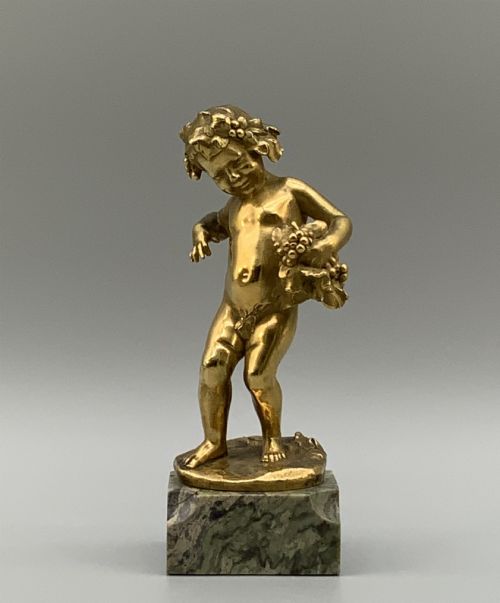
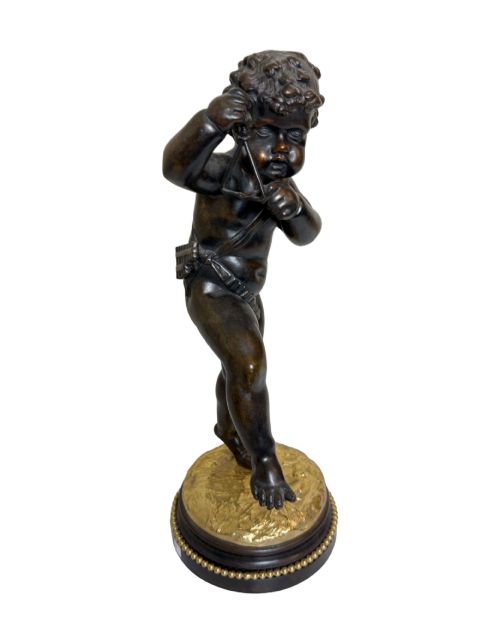
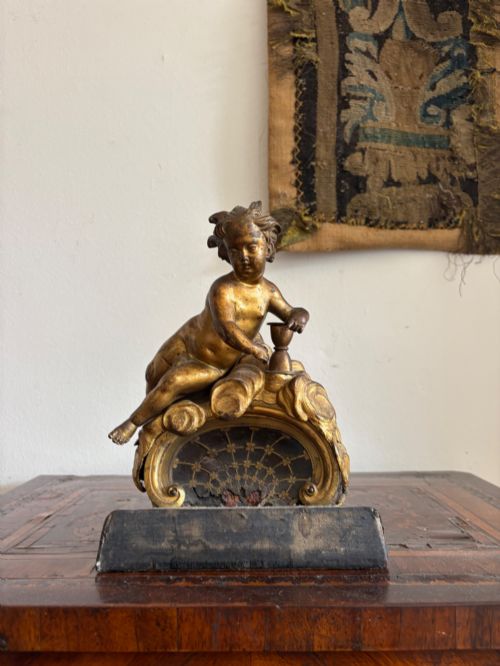
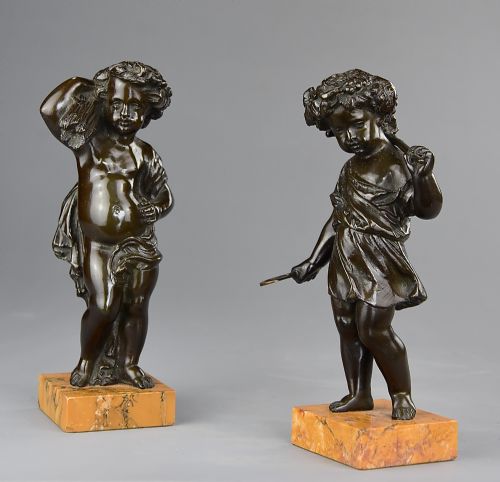
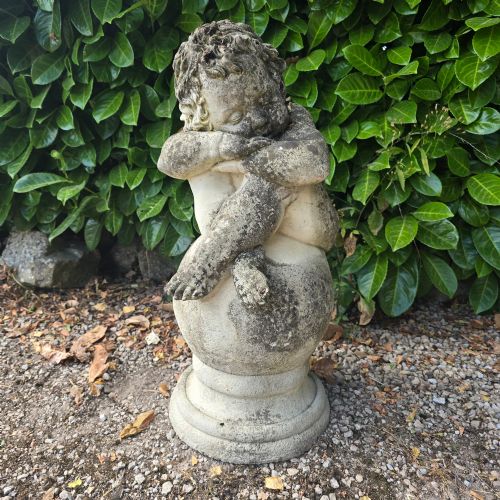
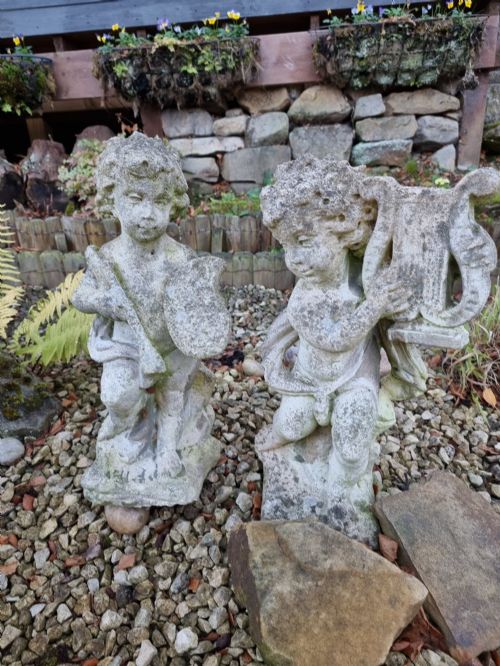
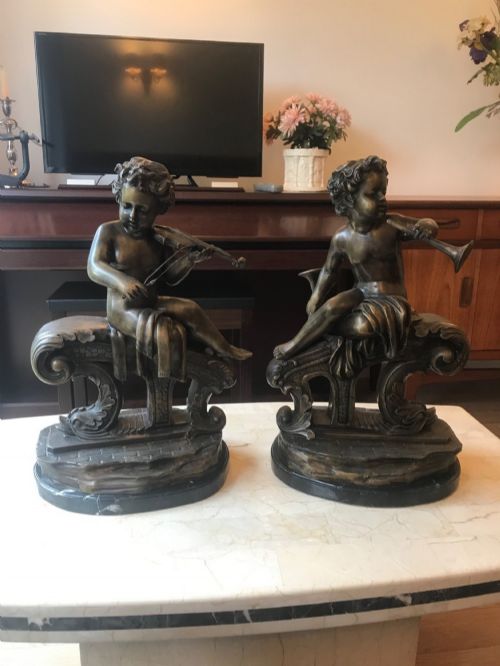
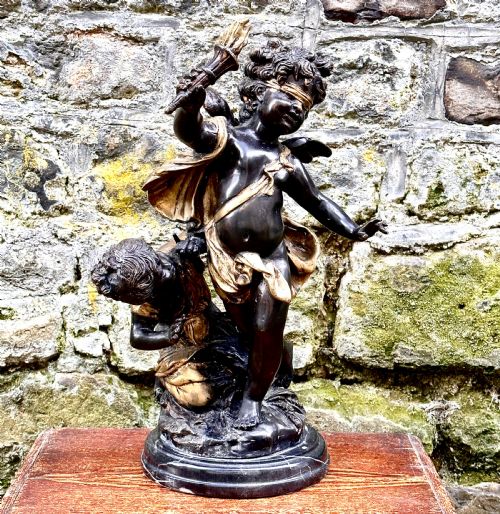
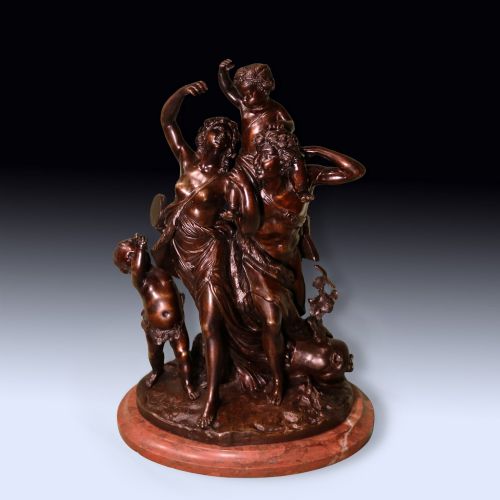
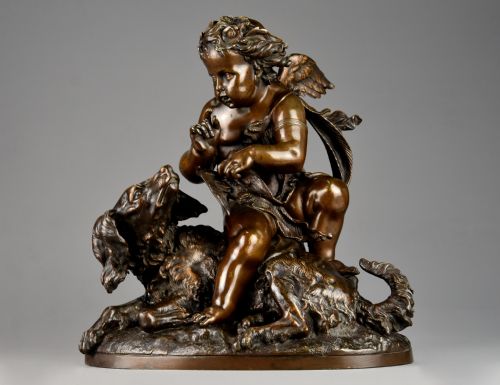
When you search for classical putti statues, you encounter sculptural depictions of winged infants, cherubs, and amorini engaged in musical, harvest, or mythological pursuits. These figures appear frequently as bronze table sculptures, garden figures in stone, and decorative mounts from the nineteenth century. Buyers often find pairs designed as allegorical representations of seasons or wine-making.
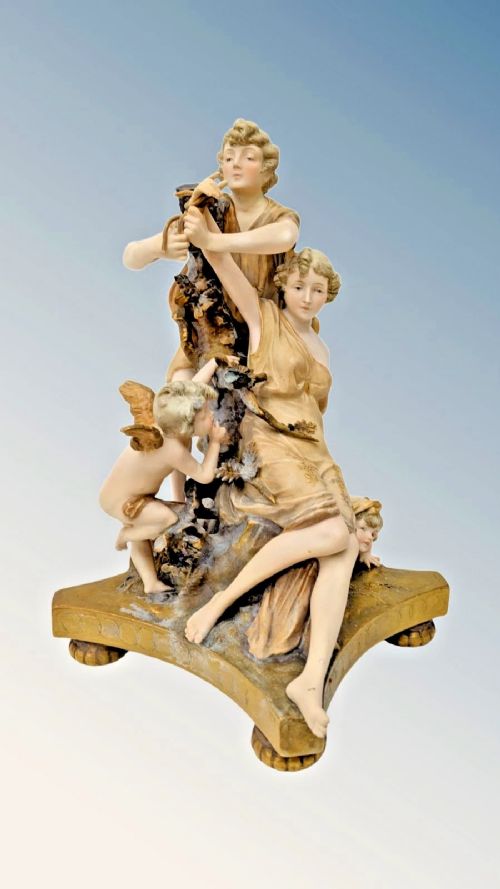
The pieces on this page span from the late eighteenth century through the mid twentieth century, heavily favouring nineteenth-century French and Italian foundry work. Forms range from small gilt bronze finials and bookends to substantial garden statues and marble figures. Many adopt styles inspired by classical antiquity and French rococo revival models.
Materials and casting methods
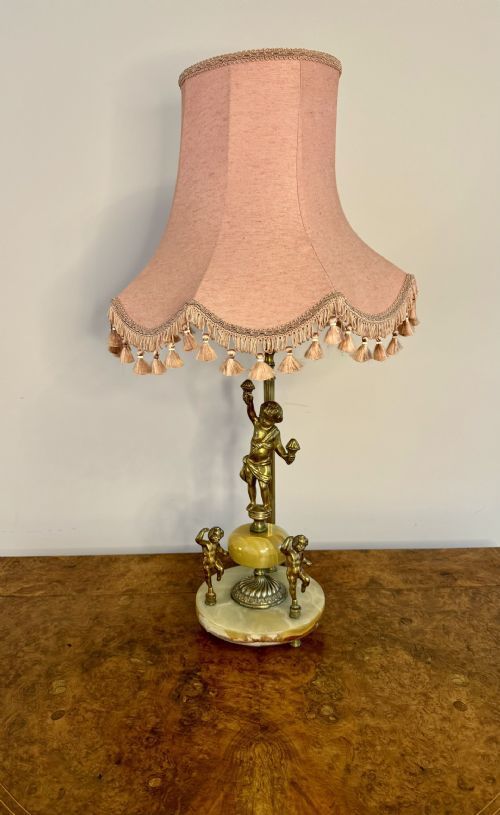
Foundries produced these figures primarily through traditional metal casting, using bronze, gilt bronze, and patinated bronze to achieve deep tonal variation. Marble, alabaster, and stone served for carved figures, while reconstituted and cast stone provided durable alternatives for garden ornaments. Wood and onyx appear occasionally in supporting bases and lamp bodies.
Craftsmen chased and finished cast metal surfaces by hand, adding patination and gilding to accentuate facial expressions, hair texture, and drapery. Marble and stone sculptures relied on manual carving techniques to shape limbs and wings from solid blocks.
Listings feature materials spanning bronze, marble, alabaster, lead, and stone, alongside fitted onyx lamp bases.
Factors that distinguish finer pieces
The choice of base materials and the depth of the foundry patina also divide the grade of the work. Signed pieces by established makers or those utilising finely grained marble bases demonstrate superior craftsmanship.
Charles Louis Malric·Susse Frères·Claude Michael Clodion·Antonio Canova·Ernst Wallace·Louis Auguste Moreau·Dumond·Charles Cumberworth·Carrier·Denise Delavigne
The Classical Putti Statues Glossary
- Putto
- A chubby, naked male child depicted in classical art, often winged. These figures populate Renaissance and neoclassical works.
- Patination
- The surface coloration and finish applied to bronze or metal through chemical means or natural ageing. It protects the metal and defines the visual tone.
- Ormolu
- Gilt bronze produced by applying a fine layer of gold amalgam to a bronze object. This technique flourished in eighteenth and nineteenth-century French workshops.
- Neoclassical
- An artistic style drawing inspiration from the classical art and culture of ancient Greece and Rome. It emphasises proportion, restraint, and mythological themes.
- Finial
- A decorative ornament fixed to the top of an object, such as a clock, lamp, or furniture mount. They often take figurative or floral forms.
Classical Putti Statues: Frequently Asked Questions
What is the difference between putti and cherubs?
Putti originate in classical mythology as winged infant spirits associated with secular or amorous themes. Cherubs possess biblical origins and higher celestial status in religious hierarchy.
Over the centuries, decorative arts blended the terms, leading nineteenth-century makers to use them interchangeably for winged children.
How can I identify a nineteenth-century bronze?
Examine the weight, the warmth of the metal, and the depth of the hand-applied patina. Nineteenth-century castings often feature multi-part construction joined by threaded pins.
Look for foundry stamps, artist signatures, and crisp chasing details that distinguish period work from later reproductions.
Where should I place a stone putto statue?
Stone and reconstituted stone statues suit outdoor placement in gardens, courtyards, or terrace settings. Weathering over time enhances the porous surface texture.
For interior display, select smaller bronze or marble versions that sit safely on stable tables, mantels, or dedicated pedestals.
Are these statues reproductions or period antiques?
The pieces listed originate from historical production periods, spanning the nineteenth and early twentieth centuries. They reflect the revival styles popular during those eras.
Stylistic markers, material ageing, and maker signatures help confirm the specific era of manufacture.