






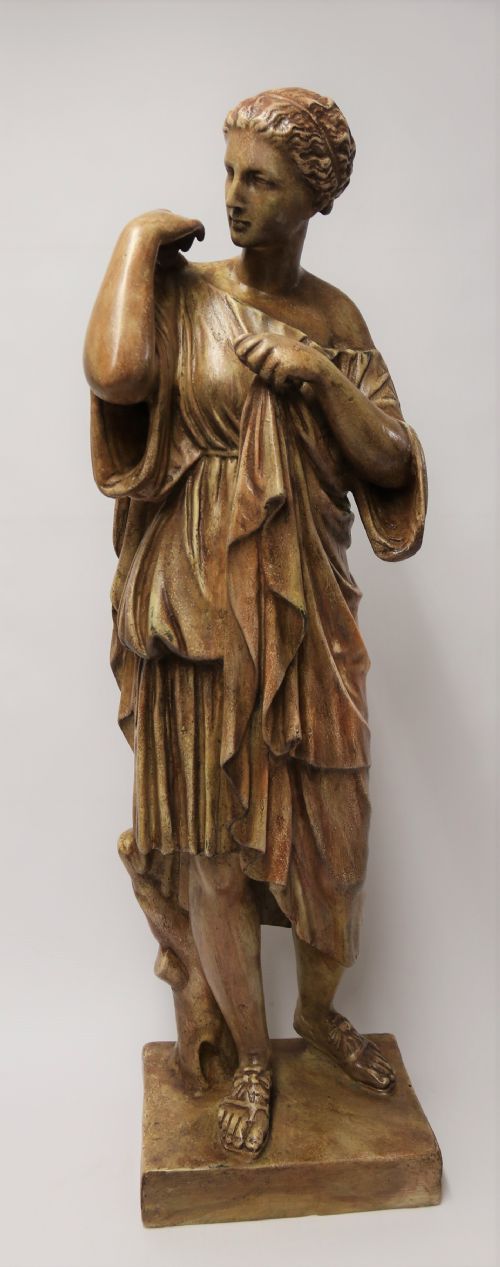


Classical Plaster Figure
A classical plaster figure brings the quiet dignity of ancient sculpture into domestic spaces.
Classical Plaster Figure
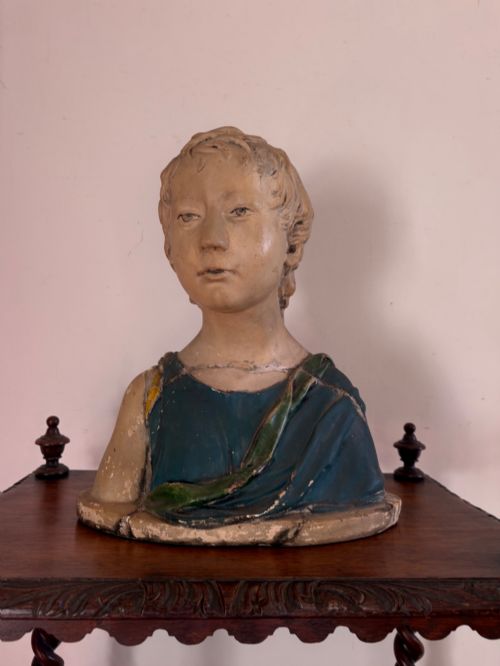
A classical plaster figure represents subjects from antiquity, mythology, and history, modelled in solid plaster or stucco. You encounter library busts, full figures of deities, and decorative pairs of caryatids spanning the nineteenth and early twentieth centuries.
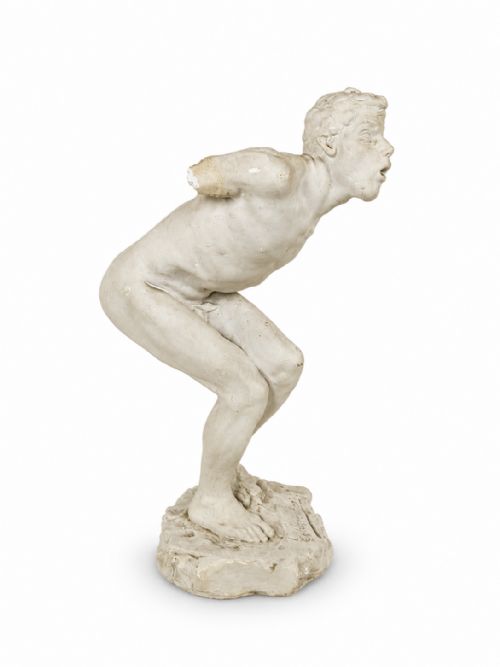
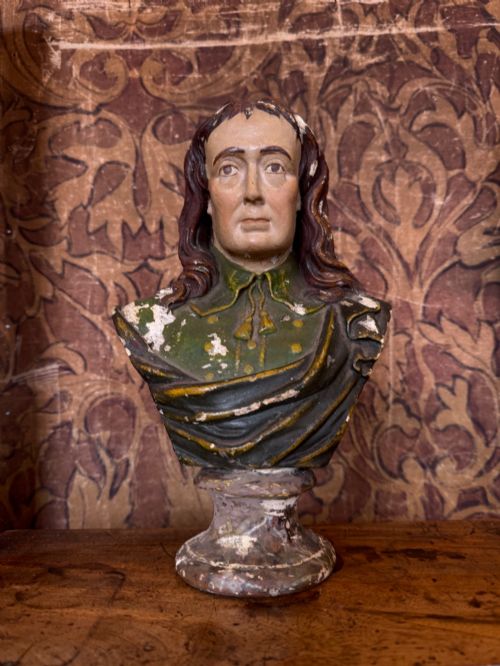
The selection ranges from grand tour souvenirs of dancing fauns to library busts of historical figures like John Milton and Ludwig Van Beethoven. Regency neoclassical pieces and Victorian academic realisms dominate the forms available here.
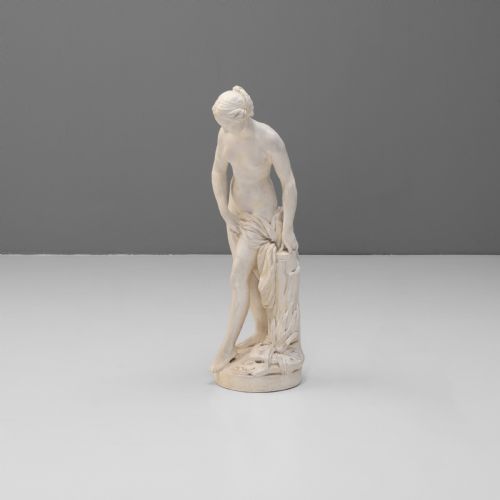
Many items adopt specific classical guises, such as Diana the Huntress or the Emperor Augustus, executed in proportions suited to domestic display or architectural niches.
Materials and methods
Makers formed these pieces using plaster of Paris or stucco, poured into moulds taken from original sculptures and carved works. Touches of paint, polychrome decoration, or dark patination were applied to simulate marble, bronze, or terracotta.
Certain works incorporate integral bases of marble or granite, while others pair the plaster figure with timber or brass torcheres and pedestals. The surface finish relies on the careful application of layered paint to evoke age and depth.
Classical Plaster Figure Retail Price Guide 2026
Typical asking prices for classical plaster figure among the pieces listed under this phrase on Sellingantiques today, from the lower quarter to the upper quarter. They describe what is for sale here now, not the wider market.
Several figures spent a century watching over quiet libraries before finding their way onto the open market.
Assessing quality and execution
The weight of the piece and the integrity of the underlying plaster body indicate superior construction. Patination and painted surfaces vary from flat monochrome coats to sophisticated patinated chalk finishes that mimic weathered stone.
Humphrey Hopper·Dopmeier·Antonio Rossellino·Octave Galliard-Sansonetti·B. Rezl
The Classical Plaster Figure Glossary
- Stucco
- A fine plaster mixture used for decorative modelling and architectural casting. It sets hard and takes fine detail well.
- Patination
- The surface ageing or applied colouring that gives plaster the appearance of bronze, terracotta, or weathered stone. It adds visual depth to the form.
- Caryatid
- A sculpted female figure serving as an architectural support taking the place of a column or pilaster. Pairs of these often frame doorways or mantelpieces.
- Grand Tour
- A cultural journey undertaken by wealthy young Europeans to view classical antiquities. Souvenirs from these trips included reduced plaster casts of famous statues.
- Torchere
- A tall ornamental stand or candlestick designed to support a light or a figure. Several examples carry sculptures on their upper platforms.
Classical Plaster Figure: Frequently Asked Questions
What is a classical plaster figure?
A classical plaster figure is a cast sculpture modelled on ancient Greek or Roman forms, produced primarily during the nineteenth and early twentieth centuries for interior decoration and study.
These pieces range from portrait busts of historical figures and composers to full statues of mythological characters and allegorical subjects.
How were these figures used originally?
Libraries, hallways, and drawing rooms of grand homes displayed these figures to signal classical learning and refined taste.
Smaller pieces served as cabinet ornaments or desk accessories, while larger figures and busts stood on dedicated pedestals or brackets.
How do I care for a plaster figure?
Keep plaster figures away from damp environments and direct moisture, which softens the material and damages painted surfaces. Dust them gently with a soft, dry brush rather than liquid cleaners.
Handle pieces by their main body or base rather than projecting details like fingers or noses, which break easily.
How do I distinguish nineteenth century pieces?
Examine the surface texture, weight, and the nature of any paint or patination layers for signs of age. Nineteenth-century castings often exhibit sharper mould lines and heavier plaster bodies than later commercial reproductions.
Maker signatures, stamps, or inscriptions incised into the plaster base also help anchor the date.