




Classical Pillar Lamp
A classical pillar lamp brings architectural presence to a room, channelling ancient forms into a functional light source.
Classical Pillar Lamp
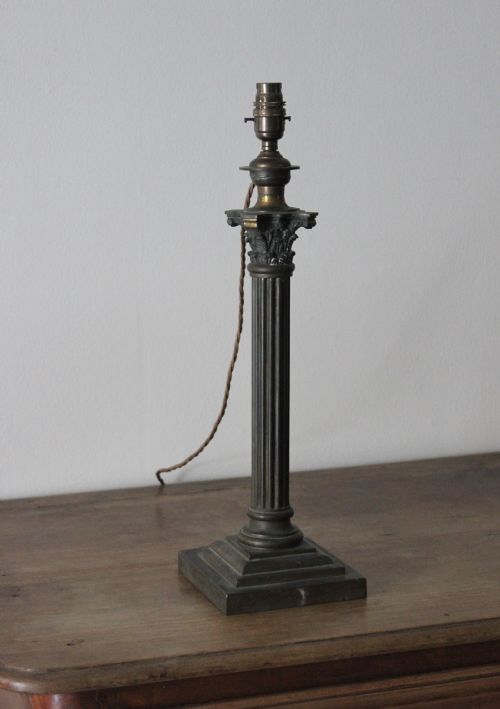
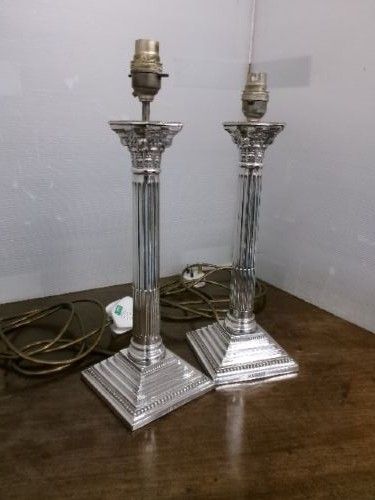
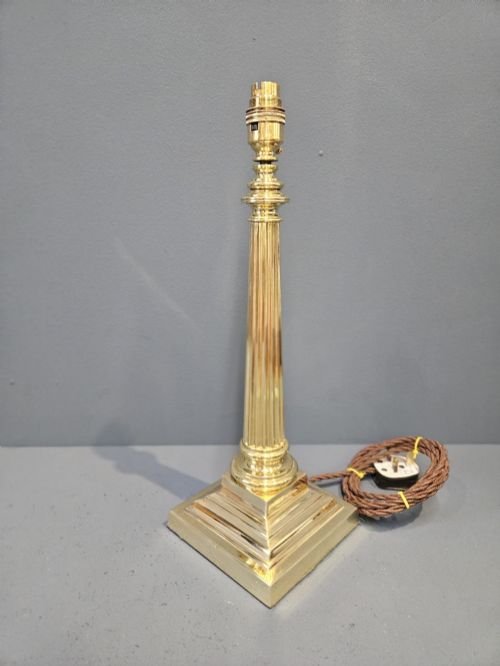
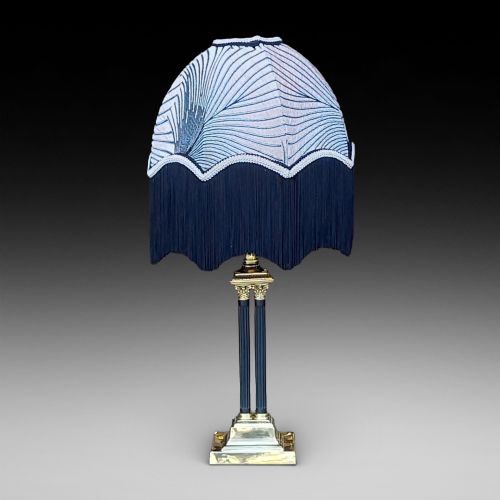
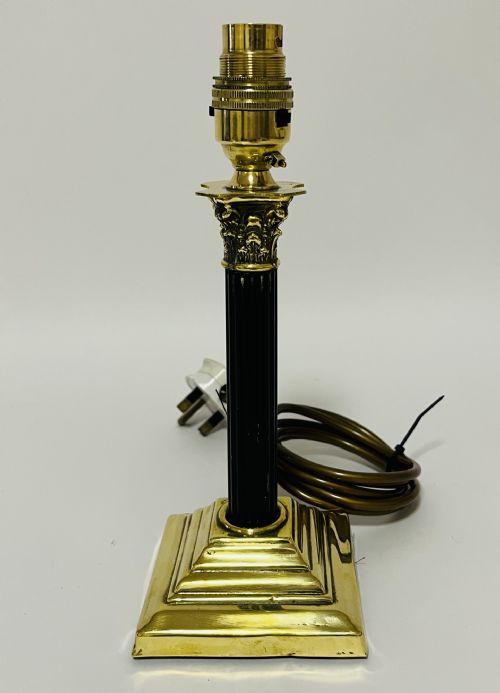
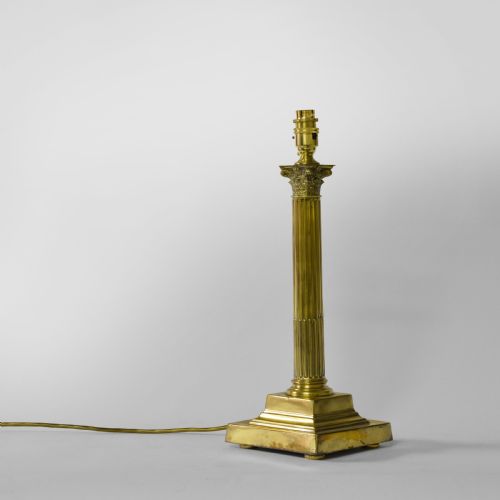
A classical pillar lamp takes its design cues from ancient architectural orders, most notably through the Corinthian column form seen across many examples. These pieces often feature stepped square bases and fluted shafts topped with characteristic acanthus leaf capitals, echoing stone temples in miniature metal or marble structures.
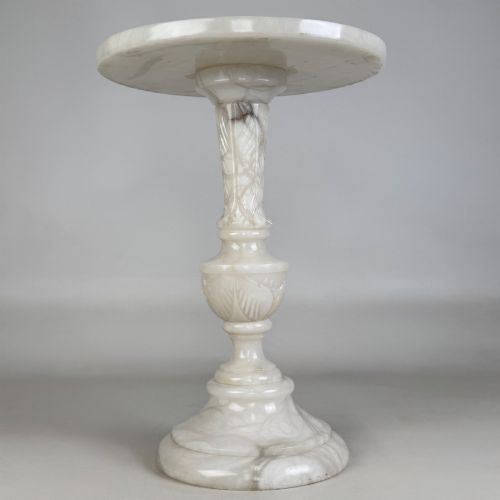
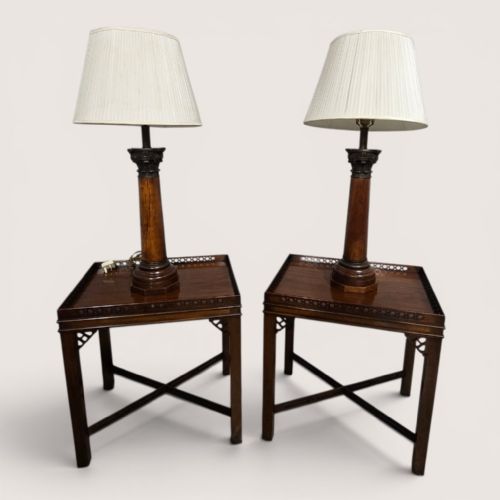
The selection here encompasses table lamps alongside occasional side tables that utilise a pillar support, spanning the nineteenth century through to the art deco era of the 1930s. Brass and silver-plated finishes dominate the offerings, frequently accompanied by fabric shades and wired with braided fabric flex.
Victorian and Edwardian iterations tend to favour heavy cast brass or silver plate, whilst later twentieth-century examples introduce materials such as Italian onyx and oak. The core aesthetic remains rooted in neoclassical revival and classical revival styles, translating monumental stone architecture into domestic illumination.
Materials and construction
Construction relies heavily on metal casting, with brass and silver plating providing the substantial weight required to support tall columns safely. Ormolu, bronze, and sterling silver also appear, demonstrating the range of metalworking techniques employed by period makers.
Stone and timber variants incorporate carved marble, alabaster, or onyx for the pillar shafts and bases, paired with cast metal capitals. Fabric components complete the construction, utilising braided fabric flex for electrical wiring on pieces adapted for modern use.
Classical Pillar Lamp Retail Price Guide 2026
Typical asking prices for classical pillar lamp among the pieces listed under this phrase on Sellingantiques today, from the lower quarter to the upper quarter. They describe what is for sale here now, not the wider market.
Some nineteenth-century makers secretly weighted their column bases with lead shot just to ensure an exceptionally satisfying thud when placed down.
Judgements of quality
The calibre of a piece rests upon the crispness of the casting in the capital's acanthus leaves and the precise execution of the fluting along the column shaft. Finer examples maintain sharp architectural detailing without the softening often found in mass-produced or later copies.
Substance and material choice dictate the tier of an object, with solid brass, substantial silver plate, and genuine carved onyx or marble holding greater integrity than lighter plated alternatives. Proportion and scale also govern the hierarchy, as larger matched pairs demand superior engineering to maintain stability across a slender vertical form.
Walter Latham & Son
The Classical Pillar Lamp Glossary
- Corinthian capital
- The ornate, bell-shaped top of a column decorated with rows of carved acanthus leaves and small volutes. This feature defines the majority of column lamp designs found in this category.
- Ormolu
- Finely ground high-carat gold-copper mercury gilding applied to bronze metal objects. This technique creates a rich, enduring metallic lustre on nineteenth-century pieces.
- Reeded column
- A pillar shaft decorated with parallel, convex rounded mouldings running vertically along its length. It provides textural contrast to the smooth background of classical standards.
- Braided fabric flex
- A flexible electrical cord covered in a woven textile sleeve, historically utilised to replicate period wiring aesthetics while maintaining modern safety standards.
- Neoclassical revival
- An artistic movement drawing inspiration from the classical art and architecture of ancient Greece and Rome. This style informs the architectural proportions and decorative vocabulary of these lamps.
Classical Pillar Lamp: Frequently Asked Questions
How do I date a brass column lamp?
Dating relies on examining the weight of the metal, the method of assembly, and the style of the capital and base. Nineteenth-century examples often feature heavy cast brass components with hand-finished details.
Later twentieth-century versions may show different casting seams or utilise materials like onyx and oak alongside standard brass and silver plate.
Are these lamps originally electrified?
Many nineteenth-century and early twentieth-century examples were originally manufactured for oil or gas before being converted to electricity at a later date. This conversion process is standard for period lighting.
Original components are often updated with modern wiring and braided fabric flex to ensure safety while preserving the external historical appearance.
How do I style a pillar lamp?
These lamps suit traditional sideboards, desks, and side tables where their vertical proportions can command attention. They anchor a room by introducing symmetry and classical architectural lines.
Pairing them with simple fabric shades allows the intricate metalwork of the Corinthian capital and column shaft to remain the visual focal point.