

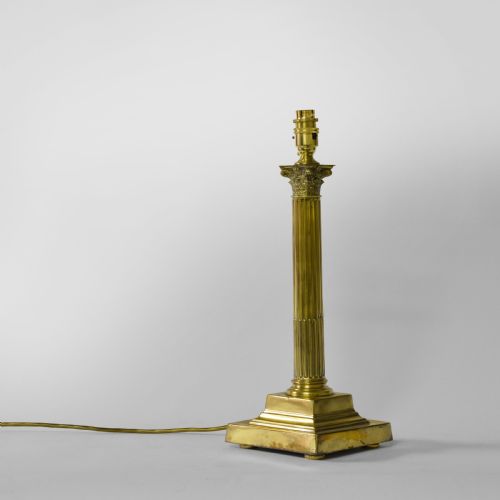


Classical Pedestal Desk
These pieces sold under classical pedestal desk are primarily grand column lamps and architectural models in bronze, brass, and marble.
Classical Pedestal Desk
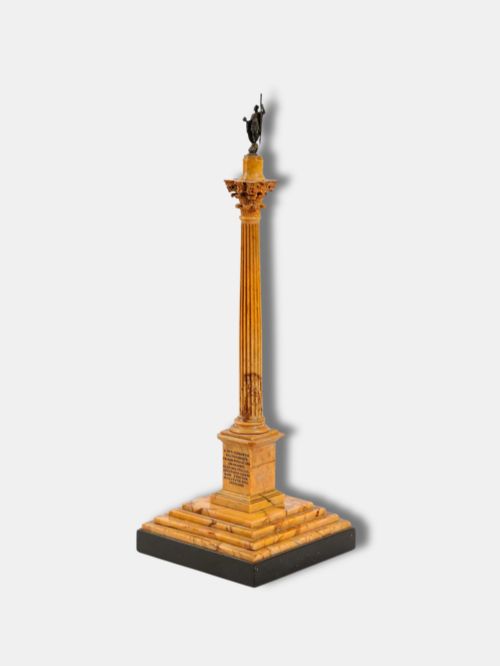
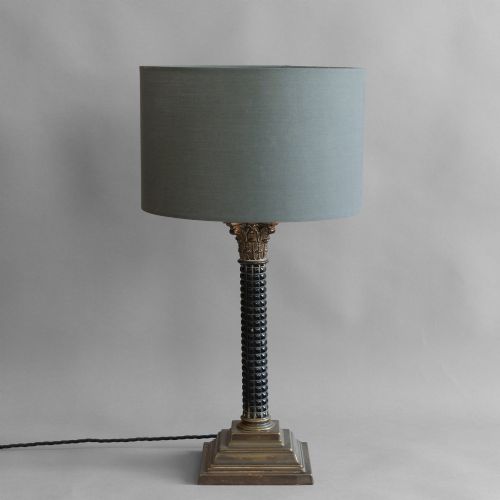
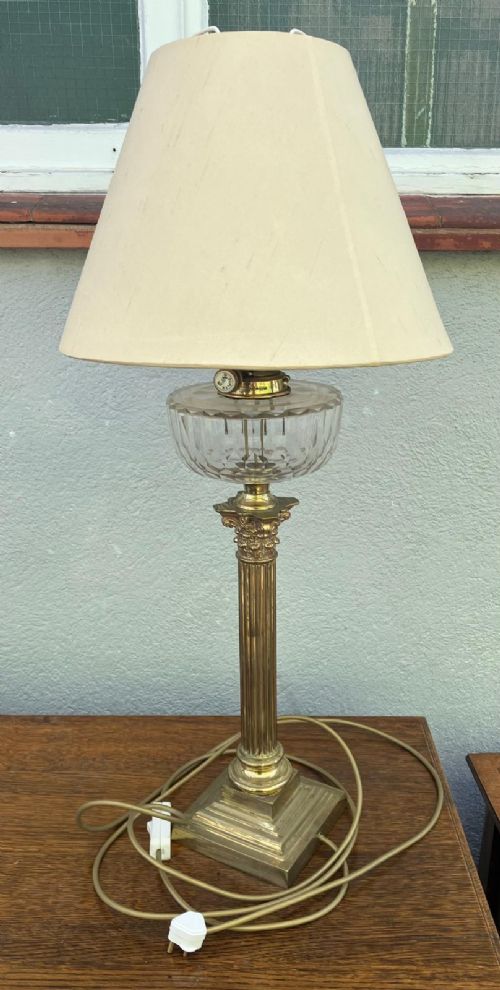
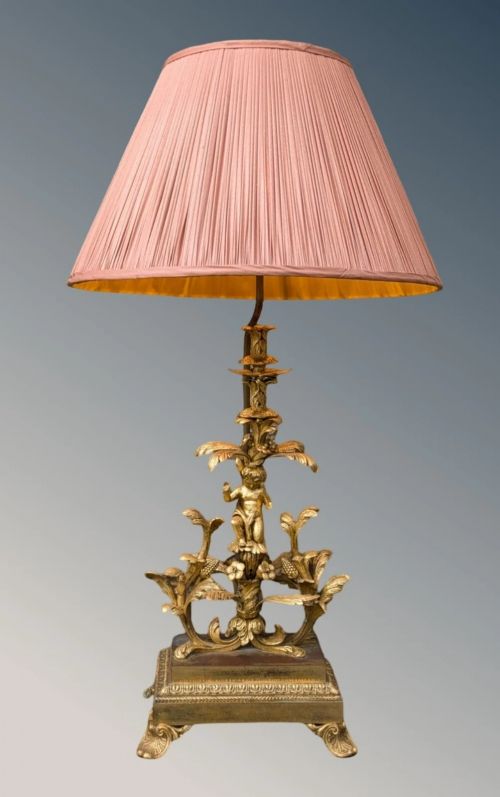
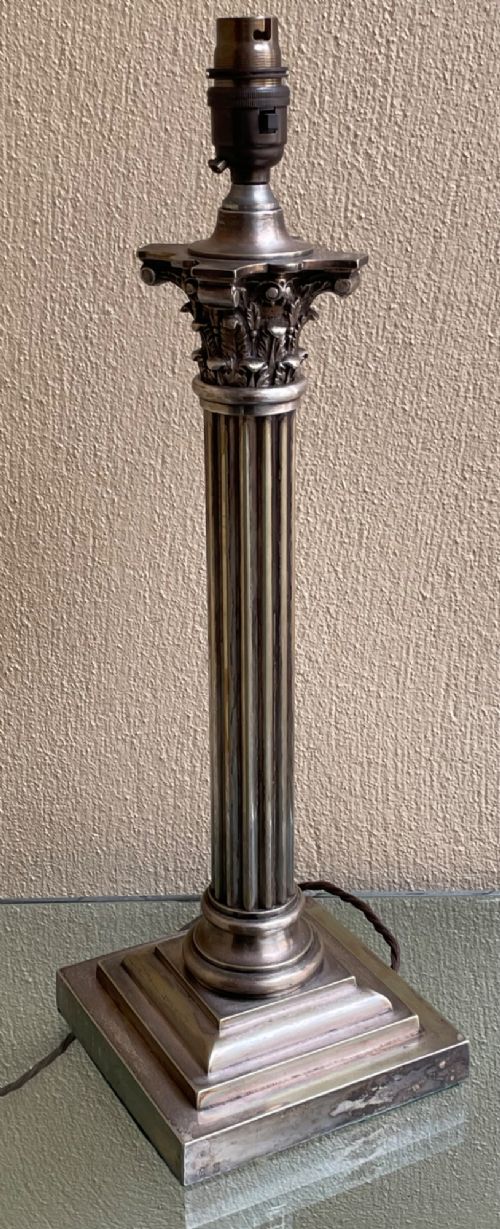
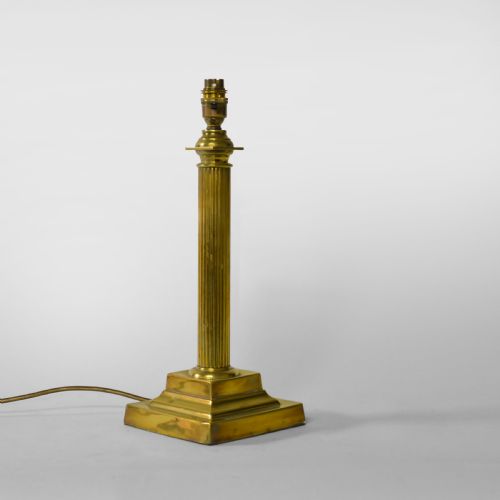
When buyers search for a classical pedestal desk, they encounter items rooted in nineteenth-century and early twentieth-century classical design. The listings on this page consist predominantly of table lamps shaped like Corinthian, Doric, and ionic columns, alongside architectural models and occasional desks.
The dominant forms are tall column lamps executed in heavy brass, silver plate, and bronze, often referencing ancient architectural orders. These lighting fixtures and desk objects draw upon Neoclassical, Regency, French Empire, and Grand Tour styles.
Originating largely from the nineteenth century through the Edwardian period and the 1920s, these objects bring formal architectural structure into interior spaces. They reflect an enduring fascination with classical antiquity, translated into domestic and study furnishings.
What Varies in Quality
The distinction between ordinary and exceptional pieces lies in the crispness of the casting and the scale of the object. Heavier gauges of brass and bronze, combined with deeply carved capitals, elevate a piece above standard production.
Material selection dictates the upper tier of quality, particularly where choice specimens of marble or substantial silver plating are employed. Proportion and architectural fidelity distinguish finer interpretations from simpler, utilitarian variants.
Classical Pedestal Desk Retail Price Guide 2026
Typical asking prices for classical pedestal desk among the pieces listed under this phrase on Sellingantiques today, from the lower quarter to the upper quarter. They describe what is for sale here now, not the wider market.
Several heavy metal columns hide their electrification entirely within fluted shafts designed centuries before the first lightbulb flickered.
Edwards & Roberts
The Classical Pedestal Desk Glossary
- Corinthian column
- An architectural order featuring ornate capitals decorated with acanthus leaves. This motif appears frequently on the tall metal table lamps listed.
- Grand Tour
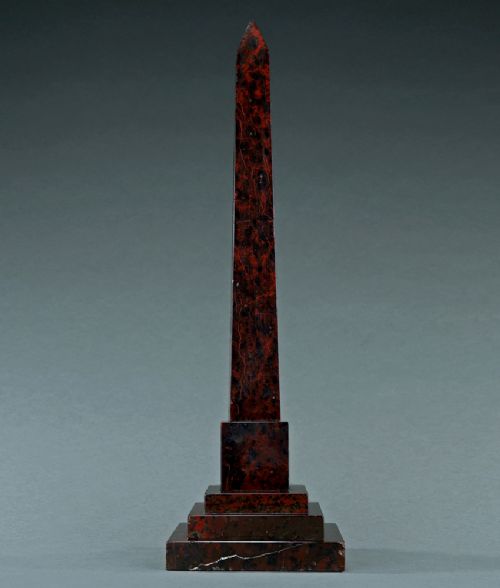
- A nineteenth-century tradition of travel through Europe by young elites, yielding souvenirs such as marble obelisks and architectural models. These items emulate ancient ruins and classical monuments.
- Giallo Antico
- A yellow antique marble quarried in ancient times and prized by nineteenth-century carvers for specimen objects. It exhibits rich yellow and brown tones.
- Silver plate
- A thin layer of silver applied to a base metal core such as copper or brass. It provides the appearance of solid silver on heavy column lamps.
Classical Pedestal Desk: Frequently Asked Questions
What periods do these pieces span?
The selection covers items from the early nineteenth century through the Victorian and Edwardian eras up to the 1920s and 1930s. Most metal column lamps and marble objects originate from the mid-nineteenth century onward.
Design influences extend back through Regency and French Empire styles to Neoclassical revivals. This broad chronological range reflects continuous nineteenth-century enthusiasm for classical antiquity.
How were column lamps used?
These tall column fixtures served as substantial table lamps in studies, libraries, and formal reception rooms. Their weighty brass and bronze bases provided stability for interior illumination.
Beyond lighting, similar architectural forms functioned as decorative desk ornaments and symbols of classical learning. They anchored scholarly interiors with formal dignity.
What materials are most common?
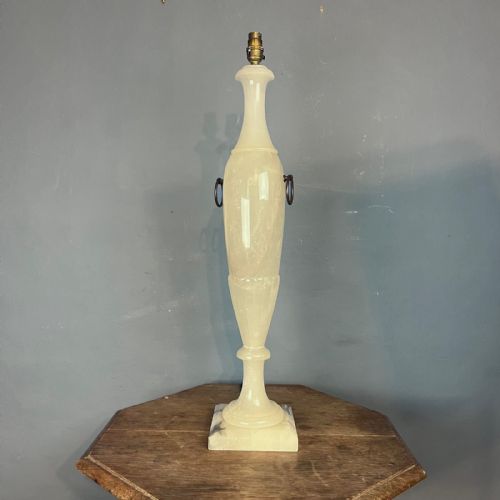
Cast brass and silver-plated metal dominate the lighting fixtures, frequently paired with stepped square bases. Bronze and alabaster also appear in significant decorative objects.
Stones such as red serpentine and Giallo Antico feature prominently in carved obelisks and Grand Tour models. Fabric elements occasionally accompany specific lamp fittings.
How do styles differ across decades?
Earlier nineteenth-century pieces lean toward heavy bronze and grand Empire proportions, reflecting archaeological discoveries of the era. Victorian interpretations often favour elaborate silver-plated Corinthian and ionic columns.
Later Edwardian and 1920s examples streamline these classical motifs while retaining the solid brass construction. The underlying architectural vocabulary persists across all periods represented.