
Classical Oil Canvas Artwork
Classical oil canvas artwork brings centuries of painted heritage into your room, offering historical depth and traditional painterly technique.
Classical Oil Canvas Artwork
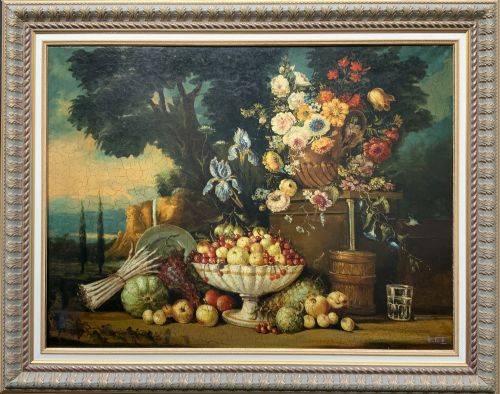
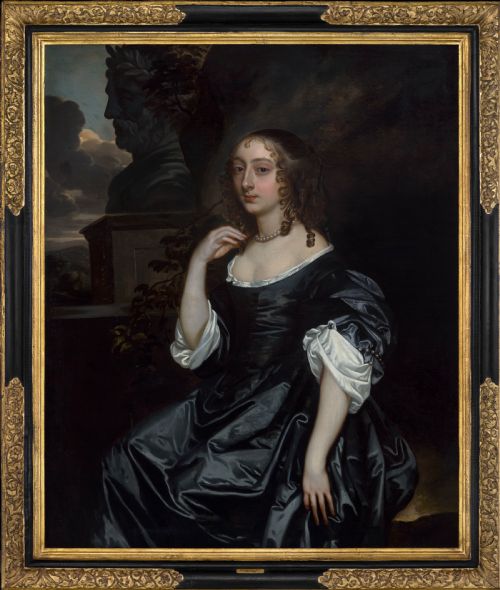
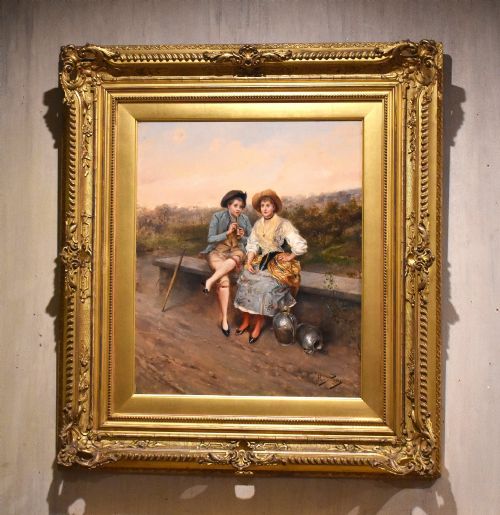
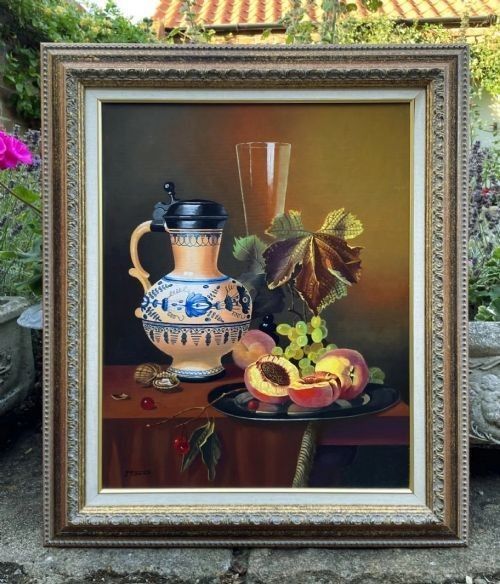
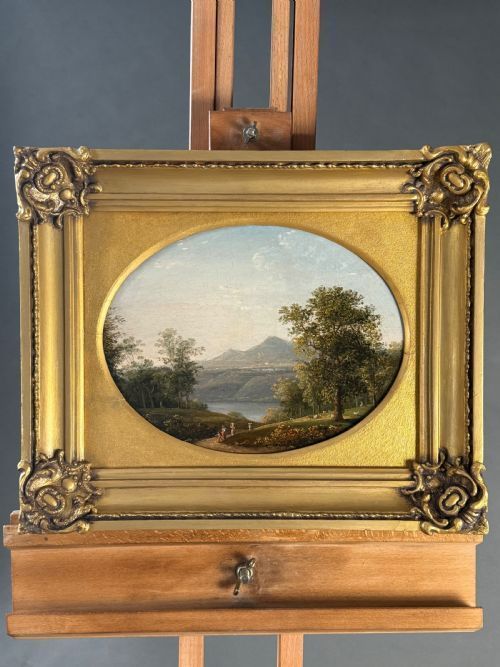
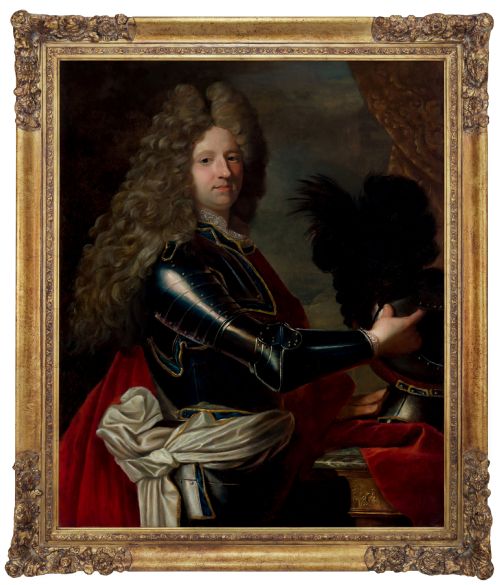
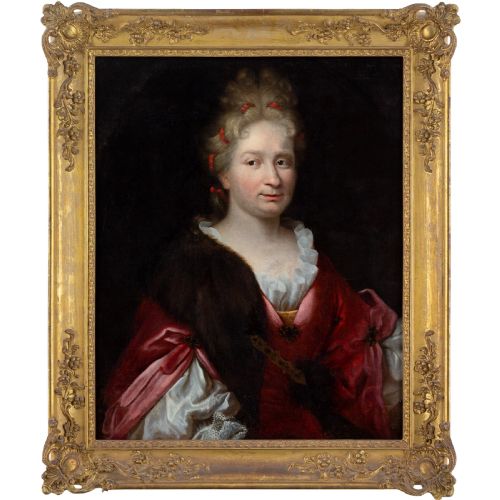
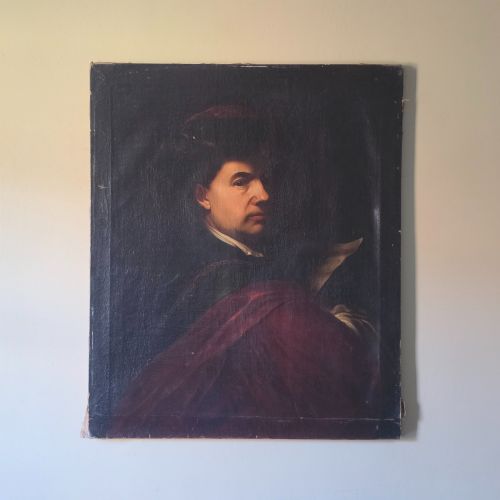
When searching for classical oil canvas artwork, buyers encounter painted works spanning the seventeenth, eighteenth, and nineteenth centuries alongside later revivals. These pieces encompass oil paintings, portraits, still lifes, and narrative scenes executed on stretched canvas support.
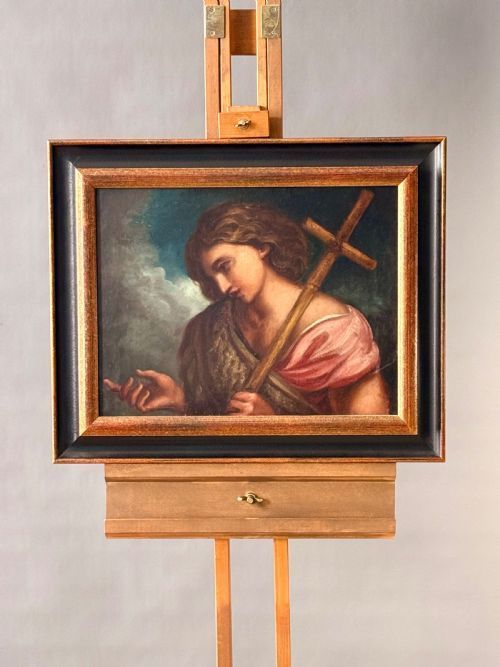
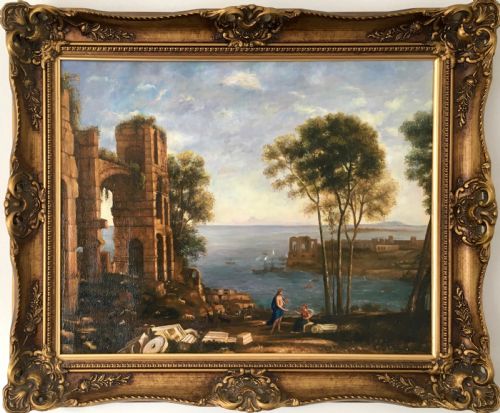
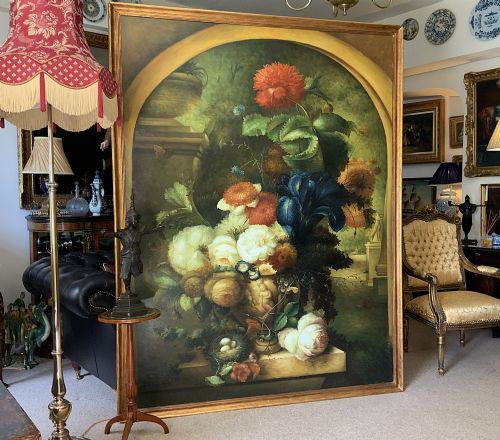
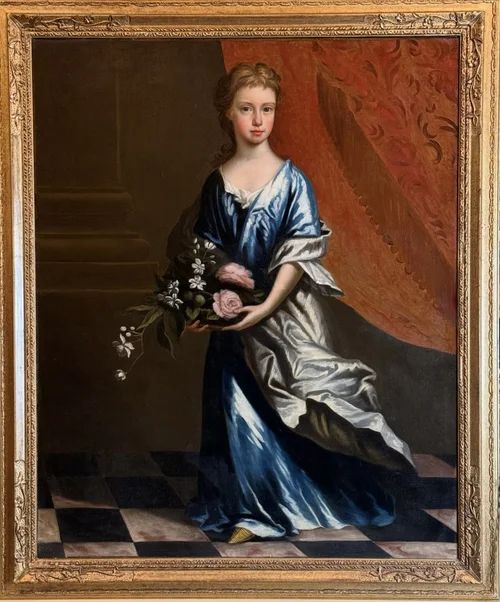
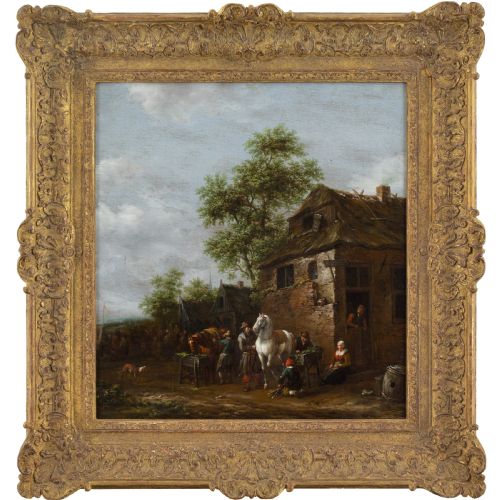
The selections on this page heavily feature historical portraiture, floral still lifes, mythological subjects, and landscapes informed by Dutch Baroque and French Rococo traditions. Works range from original period pieces by named European masters to skilled studio copies and later interpretations.
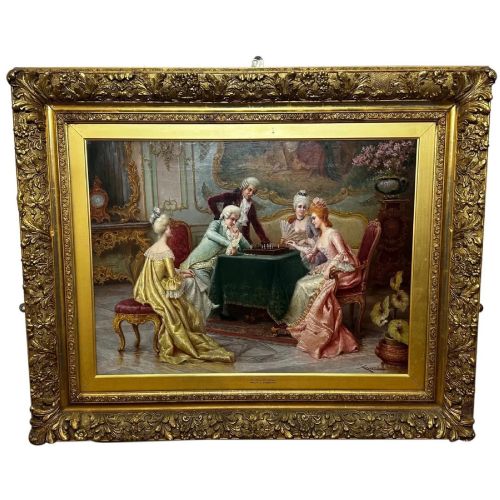
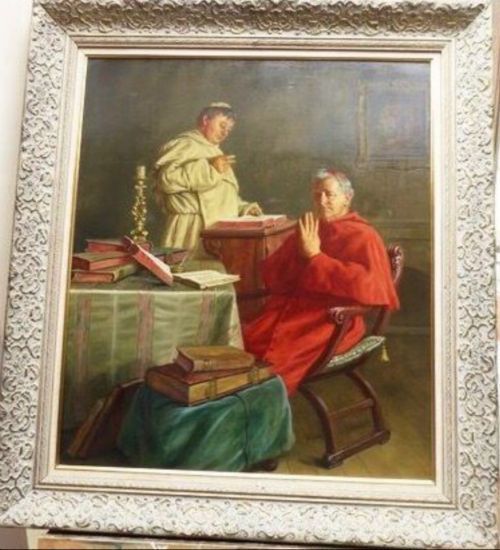
Many historical examples retain their original heavy frames, utilising moulded giltwood and gesso to complement the painted surface within.
Materials and Construction
These works are painted using traditional oil paint applied to woven canvas supports, often stretched over rigid wooden frames. The oil medium allows for subtle blending of tones, rich glazing, and enduring depth of colour across the painted surface.
Surrounding many of these canvases are elaborate frames built from wood, finished with layers of gesso, and gilded with gold leaf or metallic leaf to create ornate decorative borders.
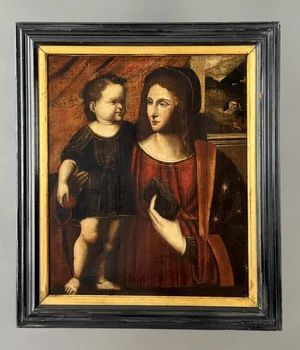
Listings feature traditional oil paintings spanning the seventeenth century through to the 1960s, including Italian Renaissance revival works and Dutch style floral still lifes.
Assessing Quality and Execution
Quality in these historical paintings rests upon the confidence of the brushwork, the anatomical accuracy of figures, and the successful management of light and shadow across the composition. Finer works display deliberate handling of pigment and texture, whereas simpler interpretations show more rigid or formulaic application.
The preservation of the original canvas and the integrity of the underlying paint layer separate superior survivals from canvases suffering heavy historical intervention or extensive overpainting.
Charles Antoine Coypel·Sir Peter Lely·Angelo Maria Crivelli·Pieter Borsseler·Sir Joshua Reynolds·Robert Byng·Jacob Philipp Hackert·Bernardino Luini·John Opie·Gaspar Peeter Verbruggen
The Classical Oil Canvas Artwork Glossary
- Oil on Canvas
- Pigments suspended in a drying oil medium applied directly onto a woven fabric support. This combination provides flexibility and allows for deep, luminous colour layering.
- Giltwood
- Wood carved and coated with gold leaf or metallic powder applied over a prepared surface. It frames and protects the perimeter of historical paintings.
- Gesso
- A paint mixture consisting of a neutral binder mixed with chalk, gypsum, or pigment. It creates a smooth base on wooden frames before gilding.
- Still Life
- A painted representation of inanimate objects, such as fruit, flowers, or game, arranged on a flat surface. These compositions showcase the artist's ability to render texture and light.
- Baroque
- An artistic style prevalent from the seventeenth into the eighteenth century characterised by dramatic lighting, deep shadows, and intense emotional resonance.
Classical Oil Canvas Artwork: Frequently Asked Questions
How do I hang a heavy framed oil painting?
Heavy classical oil paintings require secure wall fixings anchored directly into masonry or solid wooden studs using heavy-duty picture hooks.
Ensure the hanging wire or brackets on the back of the giltwood frame match the weight rating of your chosen wall hardware.
What lighting suits these dark historical canvases?
Warm, low-intensity picture lights mounted above the frame illuminate the rich dark tones without generating excessive heat.
Position the light to avoid direct glare bouncing off the glossy oil varnish and the woven canvas texture.
How do I distinguish an original seventeenth century painting from a later copy?
Original period works display canvas degradation, craquelure consistent with age, and hand-forged stretcher keys matching historical construction methods.
Later copies or studio tributes often show modern canvas weaves and different pigment compositions under technical examination.
Can I place an oil painting near a fireplace?
Exposing oil paintings to fluctuating temperatures and dry heat near fireplaces causes the wooden stretcher and canvas to warp and crack.
Keep these artworks on interior walls away from direct heat sources and dramatic humidity shifts.