



Classical Metal Table
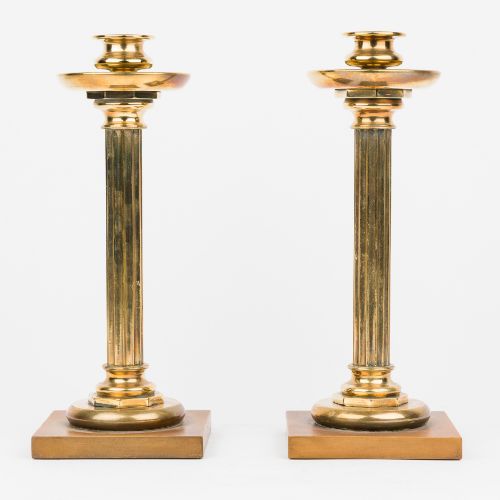
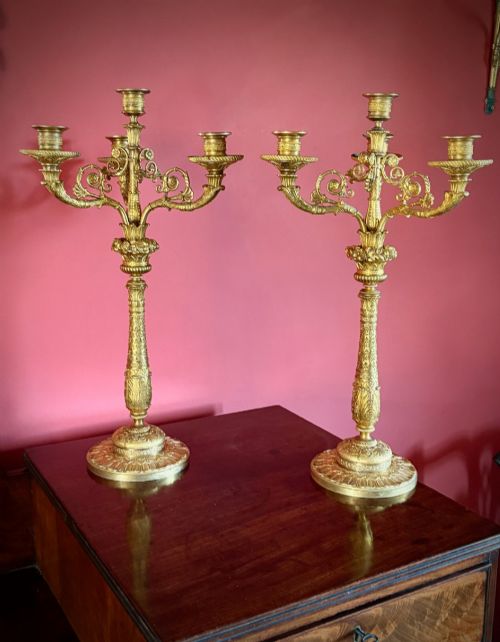
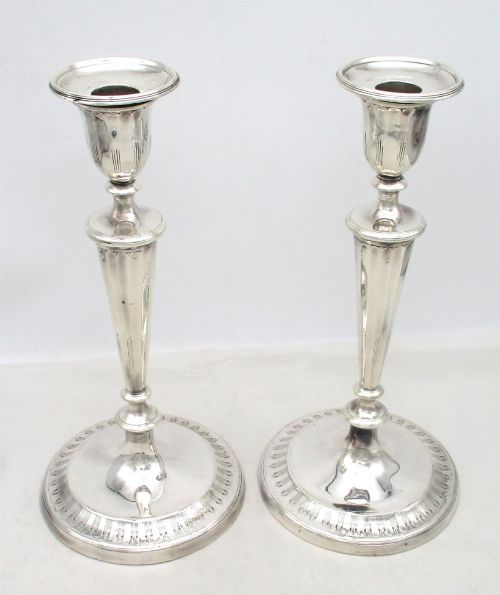
When you search for a classical metal table, you find a striking mix of heavy bronze, warm brass, and refined ormolu forged to evoke ancient grace.
Classical Metal Table
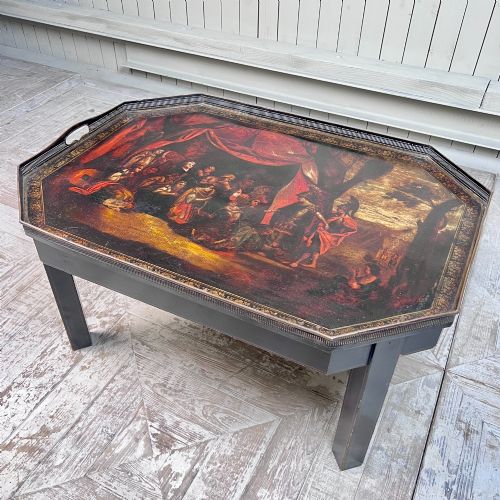
A classical metal table represents a refined convergence of historical periods and durable materials, drawing heavily on Neoclassical, Regency, and French Empire design principles. These objects incorporate cast elements like brass, bronze, and gilt metal, often combined with marble bases or fabric accents to create functional and decorative centrepieces. While the phrase suggests a standard table, buyers frequently encounter related forms such as tray tables, coffee tables, and decorative display surfaces.
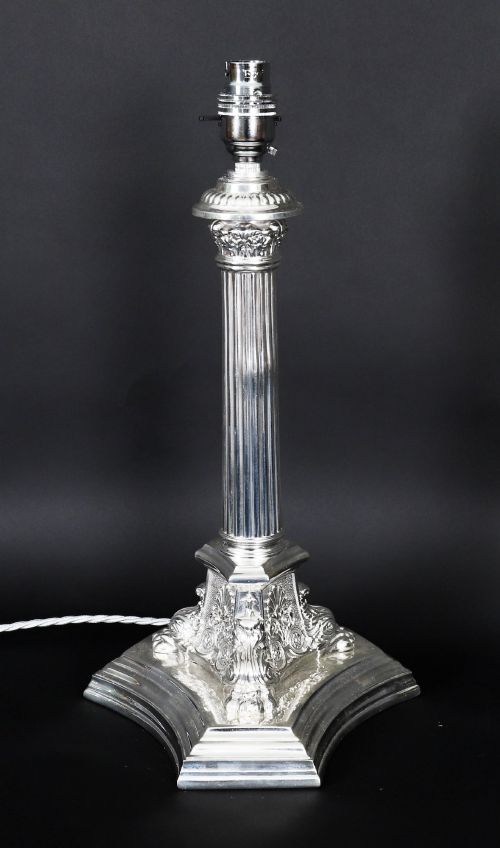
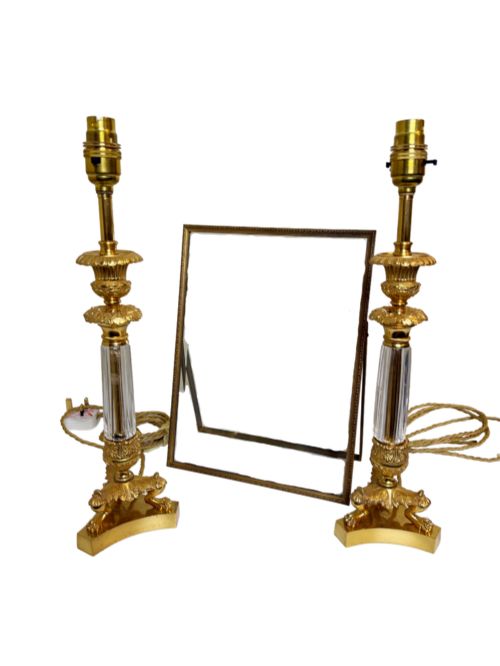
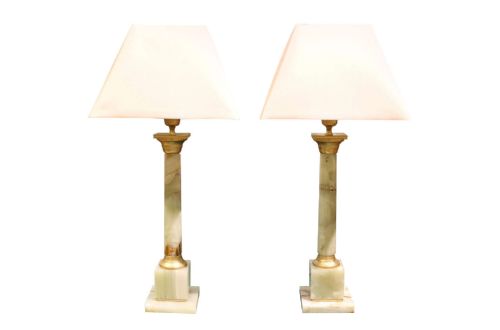
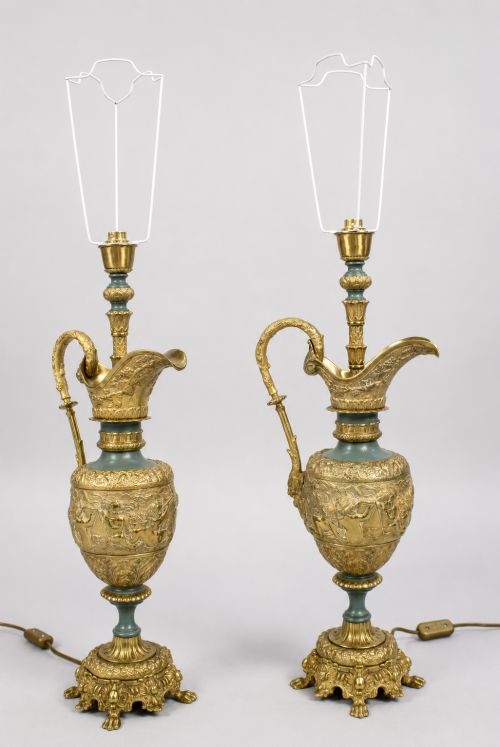
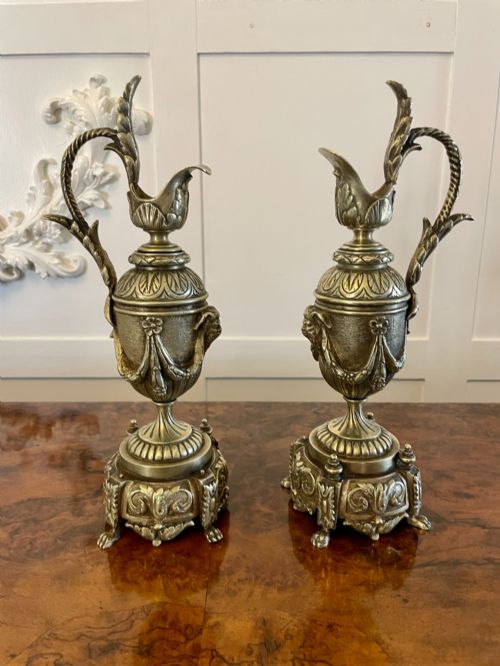
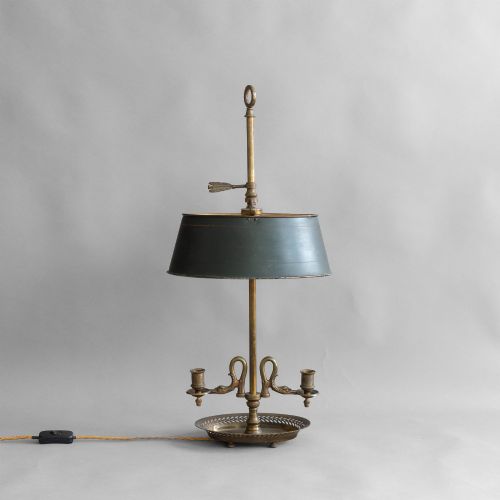
The pieces listed span from the eighteenth century through the early twentieth century, showing a strong presence of nineteenth-century craftsmanship. Items range from architectural column lamps and jardinières to sculptural ewers and candelabra that have been adapted for domestic use. This variety reflects how historical metalwork was consistently repurposed by later generations to suit changing interior aesthetics.
How They Were Made
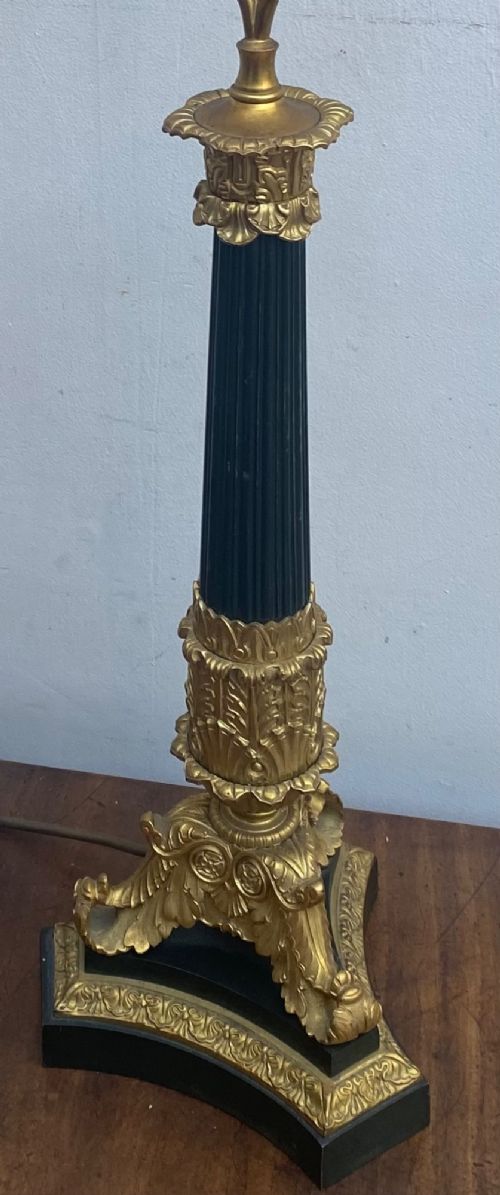
Metalworking techniques relied heavily on traditional casting methods to achieve intricate detail in bronze, brass, and ormolu. Artisans poured molten metal into detailed moulds, followed by extensive hand-chiselling and finishing to sharpen ornamental motifs such as acanthus leaves, classical figures, and paw feet. Ormolu pieces received a layer of finely ground gold amalgamated with mercury and applied to bronze, creating a durable and luminous surface layer.
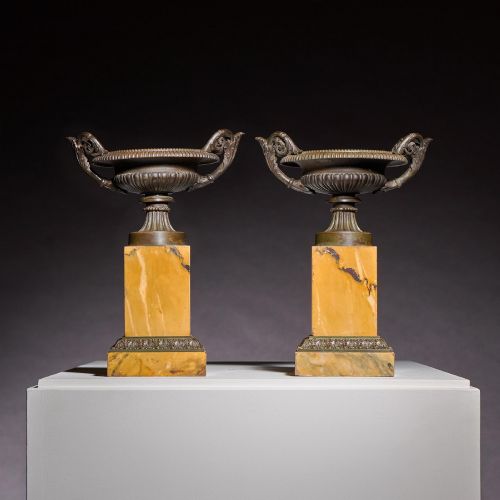
Support structures frequently integrated contrasting natural materials like marble and onyx to provide stability and visual weight. These stone bases were cut, polished, and fitted directly with cast metal mounts, columns, or figural groups. The combination of patinated metals, gilding, and stone demanded precise joinery to ensure the completed items remained structurally sound.
Classical Metal Table Retail Price Guide 2026
Typical asking prices for classical metal table among the pieces listed under this phrase on Sellingantiques today, from the lower quarter to the upper quarter. They describe what is for sale here now, not the wider market.
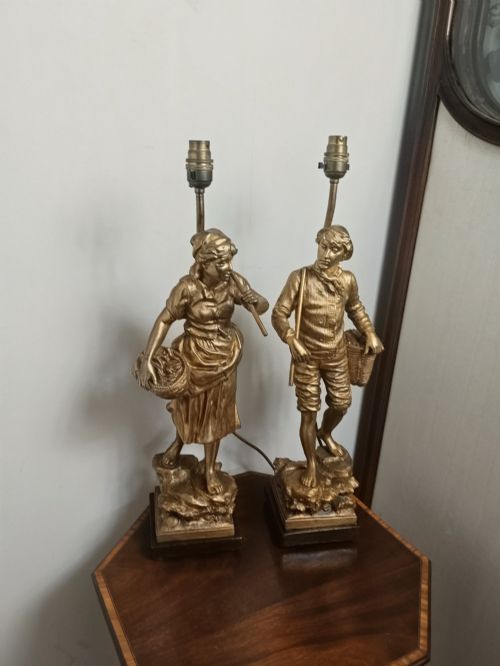
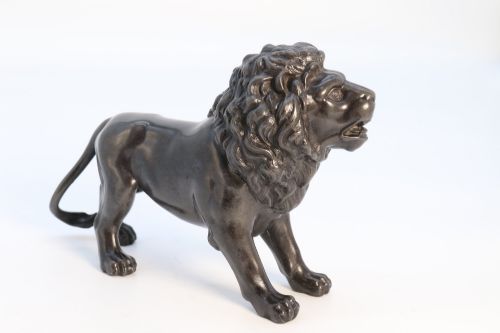
Several Victorian and Edwardian pieces depict musical cherubs and young men feeding lions with remarkable theatrical solemnity.
What Varies in Quality
The standard of a piece depends largely on the crispness of the cast ornamentation and the depth of the metal finishing. Superior examples display sharp, hand-tooled definition in the foliage and figures, whereas inferior items rely on softer, blurred casts that lack definition. The quality of the gilding or patination also dictates the overall presence, with thick, even ormolu retaining its warm lustre far better than thin or rubbed platings.
Structural integrity and the selection of secondary materials further separate the exceptional from the ordinary. Pieces that incorporate genuine white or coloured marble, solid brass fittings, and heavy gauge bronze demonstrate a higher grade of manufacture. The integration of components must feel deliberate and seamless, showing no signs of crude adaptation or compromised joinery.
E Rousseau·L & F Moreau·Walker & Hall·Lerolle Fres
The Classical Metal Table Glossary
- Ormolu
- A gilded bronze technique utilising a mercury and gold amalgam. This process produces a rich, golden surface finish common on decorative mounts and candelabra.
- Neoclassical
- An artistic movement drawing inspiration from the classical art and culture of ancient Greece and Rome. It emphasises symmetry, straight lines, and classical motifs.
- Tole-peinte
- Painted sheet metal used primarily for decorative vessels and lamp columns. The technique involves applying hand-painted enamel designs over a prepared metal ground.
- Pricket candlestick
- A candlestick featuring a central spike designed to hold a candle in place rather than a socket. This form appears frequently in ecclesiastical and formal domestic metalwork.
- Jardiniere
- An ornamental receptacle designed to hold plants or flowers. These items are often cast in bronze or brass with classical relief decoration.
Classical Metal Table: Frequently Asked Questions
What is a classical metal table?
A classical metal table refers to decorative and functional furniture pieces incorporating cast bronze, brass, or gilt metal elements styled after ancient Greek and Roman designs. These items often feature architectural columns, figural supports, and stone components.
Buyers searching for this term will encounter a variety of forms including low coffee tables, tray tables, and occasional stands from the eighteenth to the early twentieth century.
How do I care for antique brass and bronze?
Antique brass and bronze require gentle cleaning with a soft, dry cloth to remove dust without disturbing the historic patination. Avoid harsh chemical polishes that strip away the aged surface character.
Items with delicate gilding or ormolu should be kept away from direct sunlight and moisture to prevent the surface layer from degrading over time.
How do I identify French Empire style?
French Empire style is characterised by heavy classical motifs, military symbols, and rich gilding that reflects the regime of Napoleon Bonaparte. Look for laurel wreaths, sphinxes, winged figures, and deep patinated bronze.
This aesthetic often employs dark marble bases to contrast sharply against bright ormolu mounts and classical figural compositions.
Were these pieces always used as tables?
Many items found in classical metalwork categories were originally created for entirely different purposes before being adapted. Ewers, vases, torchères, and architectural elements are frequently converted into lamps or incorporated into furniture structures.
This tradition of repurposing high-quality antique metal objects allows historical items to continue serving practical functions in modern interiors.