


Classical Gold Frame
A classical gold frame encloses centuries of oil paintings and mirrors, bringing warmth and historical depth to any room.
Classical Gold Frame
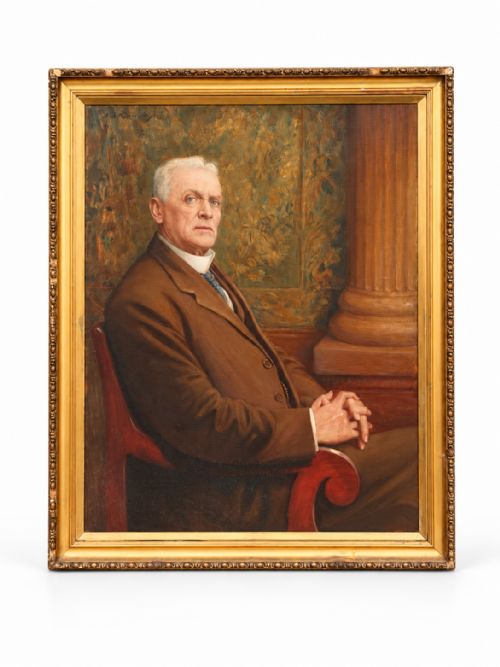
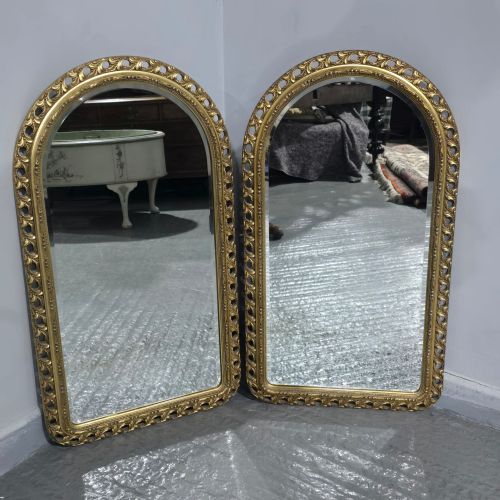
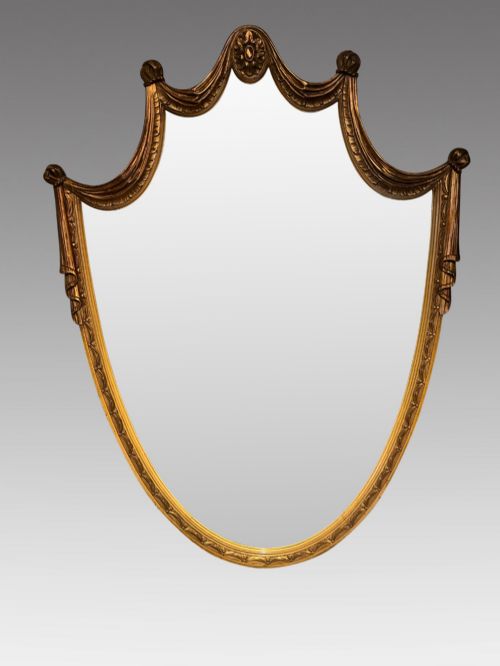
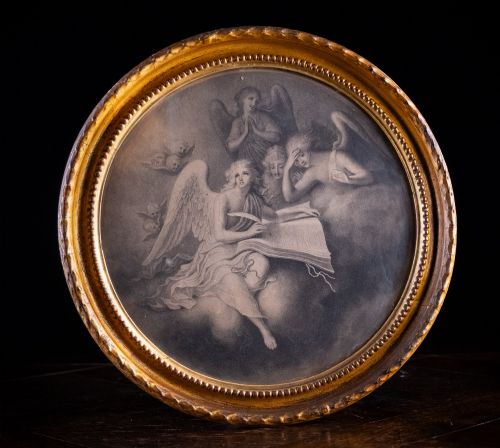
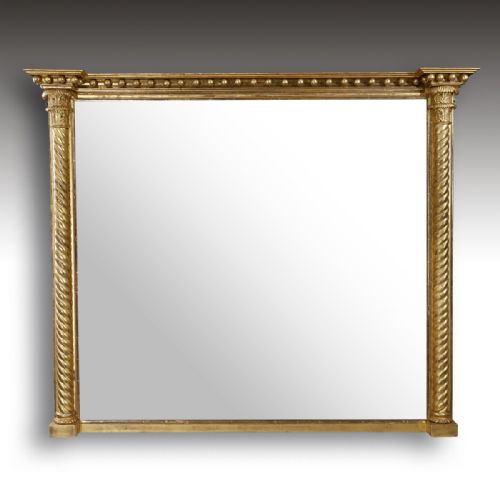
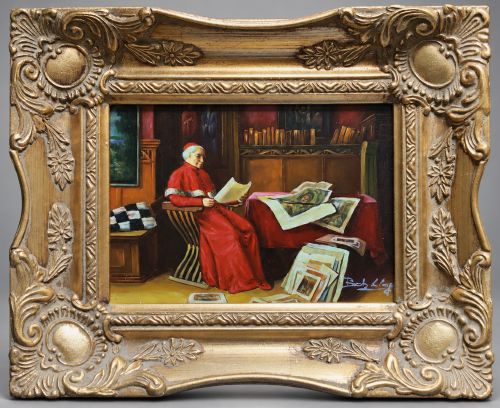
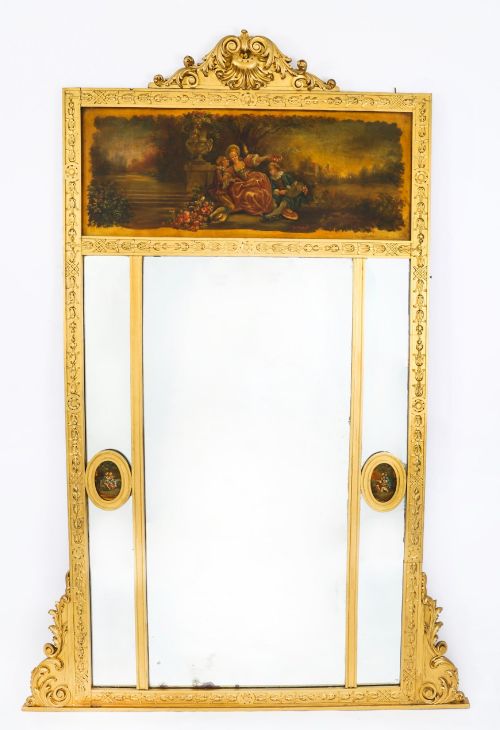
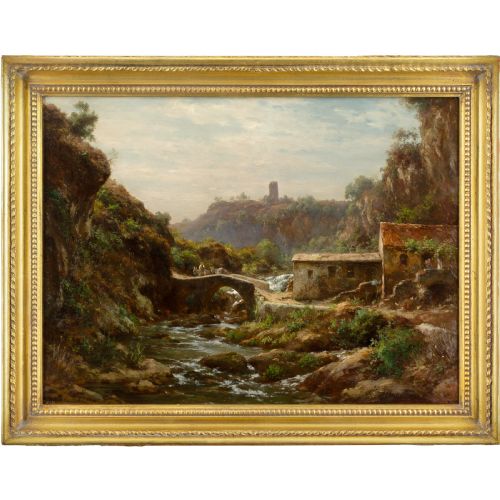
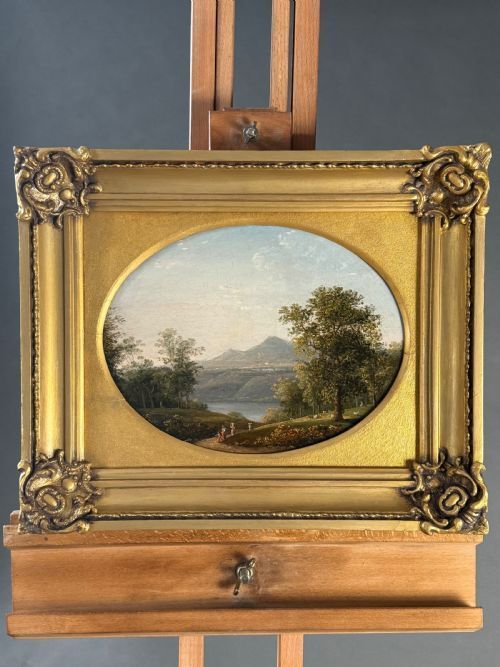
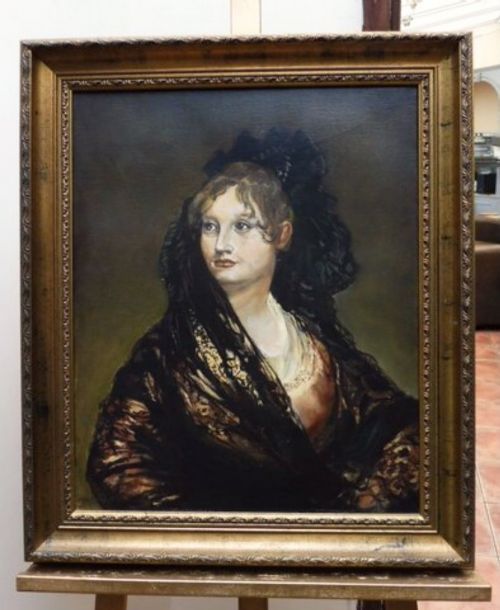
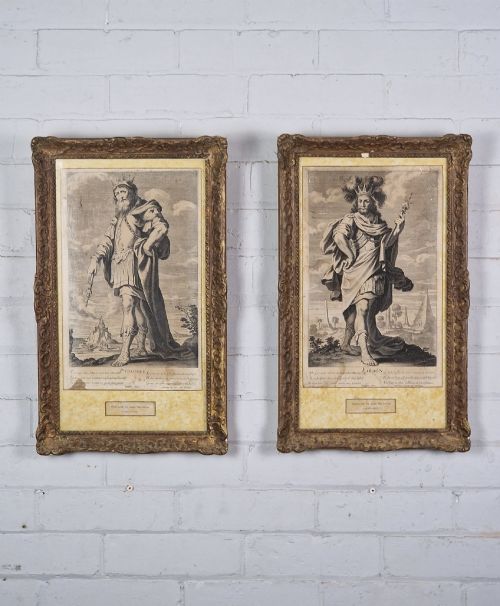
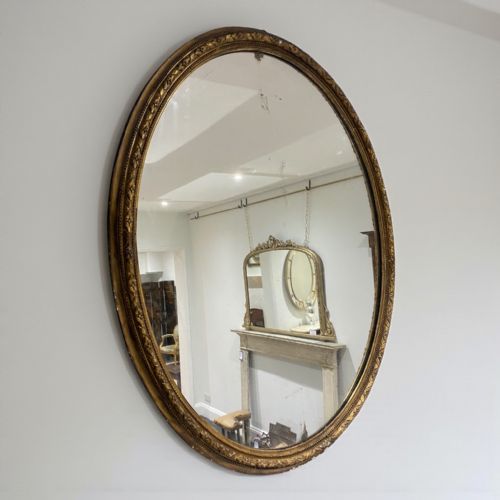
A classical gold frame primarily houses oil paintings, portraits, and wall mirrors originating from the seventeenth to the twentieth centuries. These pieces display distinct historical styles including Neoclassical, Regency, Victorian, and French Baroque.
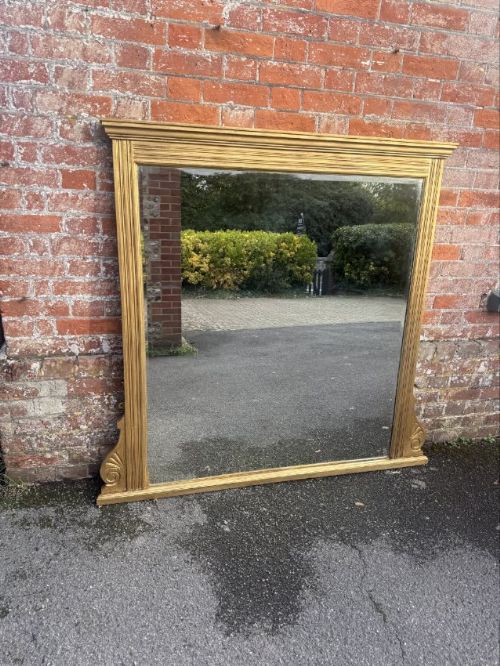
The selection ranges from grand overmantel mirrors and pier mirrors to framed oil paintings on canvas, encompassing both original works and historical copies after masters.
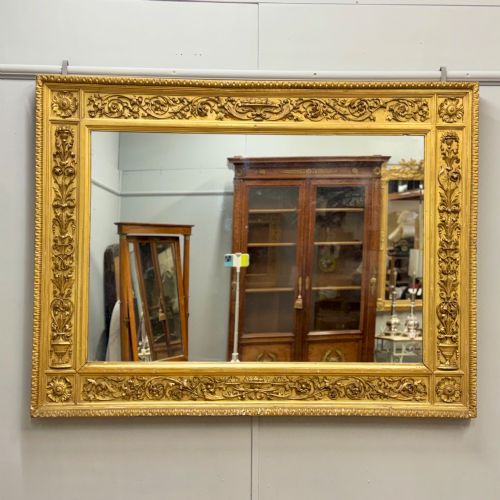
Surviving examples showcase the enduring appeal of giltwood and carved gesso decorative surrounds designed to complement traditional interiors.
Materials and construction methods
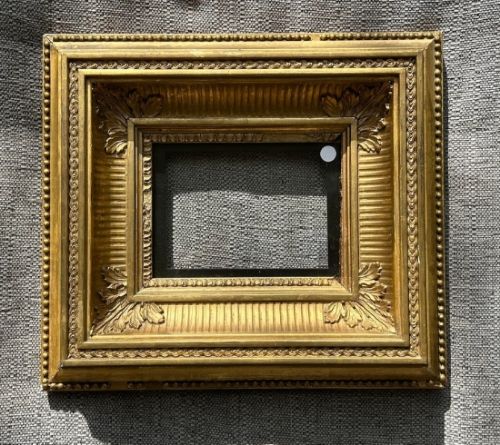
Craftsmen shaped the foundational structure from wood, frequently applying layers of gesso to build up intricate relief ornaments and mouldings before gilding.
Gold leaf provides the brilliant metallic surface finish seen on these frames, often enhanced by burnishing techniques that create contrasting textures against matte sections.
Classical Gold Frame Retail Price Guide 2026
Typical asking prices for classical gold frame among the pieces listed under this phrase on Sellingantiques today, from the lower quarter to the upper quarter. They describe what is for sale here now, not the wider market.
Several portraits preserve the intense gazes of eighteenth-century nobility who clearly took their afternoon fruit arrangements very seriously.
Assessing quality in frames and paintings
Depth of hand-carving in the wooden or gesso enrichment separates standard mouldings from superior decorative work, where floral and mythological motifs retain sharp definition.
The integrity of the gold leaf application and the preservation of the underlying ground layers dictate the visual richness and historical authenticity of the piece.
Alonso Perez·Jacob Philipp Hackert·Hyacinthe Rigaud·John Greenhill·Francesco Guardi·Barent Gael·Carlo Ferranti·Thomas Thomas·Charles-Antoine Coypel·Leonardo Da Vinci·Jozsef Molnar·Jean Mariette·Georges de La Tour·Francois Boucher·Pieter Borsseler·Francisco Jose de Goya y Lucientes·Jean-Baptiste Greuze·Sir Joshua Reynolds
The Classical Gold Frame Glossary
- Giltwood
- Wood that has been coated with gold leaf or gold paint. This finish creates a luminous metallic appearance characteristic of period frames and mirrors.
- Gesso
- A plaster-like mixture applied to wood frames to create a smooth surface for carving and gilding. It allows for intricate relief ornamentation.
- Overmantel mirror
- A large wall mirror designed specifically to hang above a fireplace mantel. These often feature ornate classical frames.
- Neoclassical
- An artistic style inspired by the classical art and culture of ancient Greece and Rome. It emphasises symmetry, proportion, and restrained ornamentation.
- Pier mirror
- A tall, narrow mirror designed to fit on the wall space between windows. They typically feature elaborate gilded frames from the Regency or Victorian eras.
Classical Gold Frame: Frequently Asked Questions
How do I hang a heavy overmantel mirror?
Heavy overmantel mirrors require secure fixings into structural wall studs or masonry using heavy-duty brackets to bear the substantial weight of the wood and glass.
Professional installation is recommended to ensure the classical gold frame remains safely supported against the wall.
Are these oil paintings original works?
The inventory includes both original period paintings by named artists and historical studio copies or after-works executed in earlier centuries.
Each listing specifies whether the artwork is an original composition or a study after a master painter.
How should I clean a giltwood frame?
Dust the carved surfaces gently with a soft, dry brush to prevent accumulation without disturbing the delicate gold leaf layer.
Avoid using water, liquid cleaners, or chemical solvents, which can permanently damage the historic gesso and gilding.
What periods do these frames represent?
The pieces span multiple historical eras, featuring items from the seventeenth, eighteenth, and nineteenth centuries alongside later twentieth-century interpretations.
Stylistic markers such as carved motifs and construction techniques help identify the specific period of manufacture.