

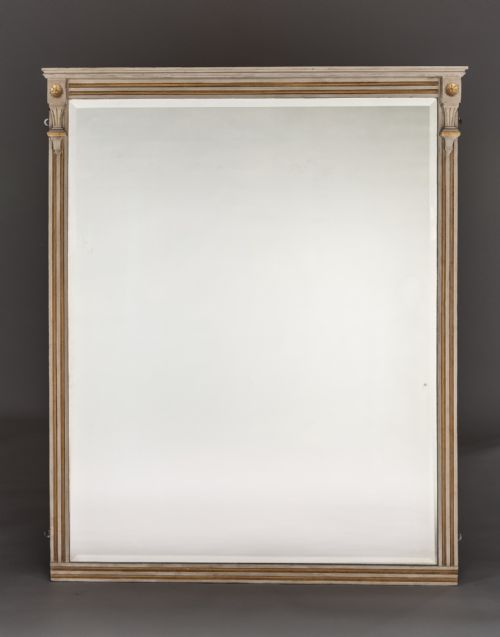


Classical Glass Painting
Classical glass painting brings together fine brushwork and reflective surfaces, offering rich decorative panels that transform a room.
Classical Glass Painting
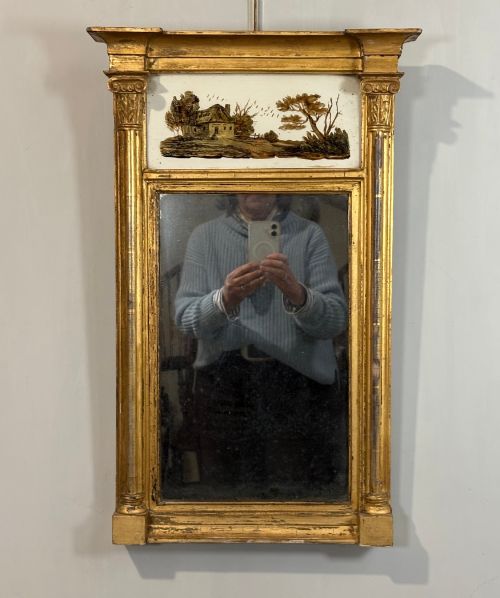
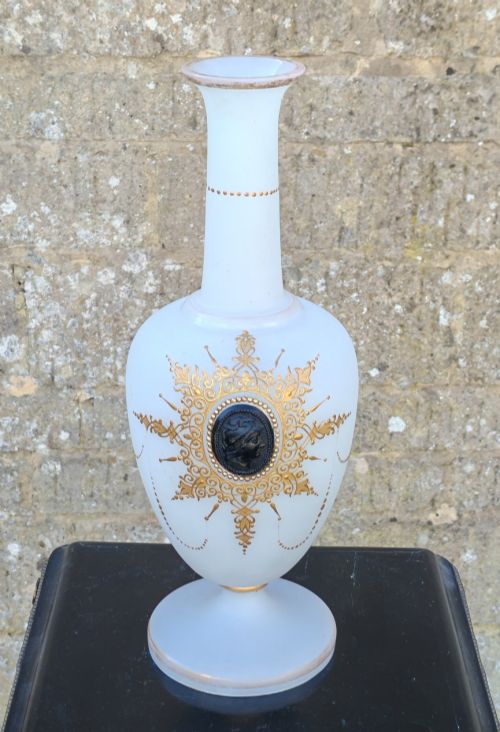
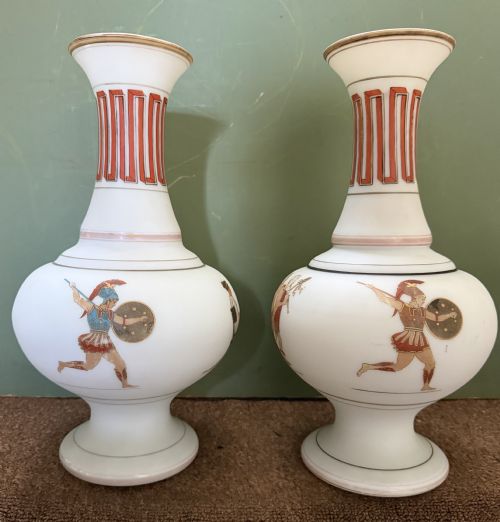
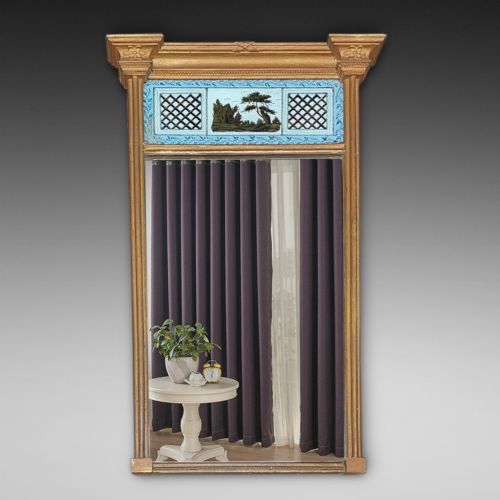
Classical glass painting encompasses decorative panels and reverse-painted sections set into wall mirrors, overmantels, and trumeaux, alongside framed crystoleum pictures and painted glass vases.
The pieces appearing on this page span the Georgian, Regency, and Victorian periods, with French Empire and Italian examples also represented alongside English works.
Mirrors featuring verre eglomise panels and painted glass vessels showing classical scenes form the most frequent encounters within this selection.
How they were made
Makers utilised sheet glass, mirror glass, and canvas, applying oil paint, gold leaf, and gesso to timber frames such as giltwood and painted wood.
Reverse painting on glass and crystoleum techniques required meticulous layering of pigments beneath the protective surface to achieve depth and luminosity.
Classical Glass Painting Retail Price Guide 2026
Typical asking prices for classical glass painting among the pieces listed under this phrase on Sellingantiques today, from the lower quarter to the upper quarter. They describe what is for sale here now, not the wider market.
The listings span the Georgian, Regency, and Victorian periods, utilising glass, giltwood, gesso, and oil paint.
What varies in quality
Quality rests upon the precision of the brushwork within the classical scenes and the integrity of the gilding and carved wood elements on the frames and vases.
Superior examples demonstrate refined detail in figures and foliage, whereas simpler pieces rely on basic ground layers and heavier painted ornament.
Richardson Vitrified·Schweninger
The Classical Glass Painting Glossary
- Verre eglomise
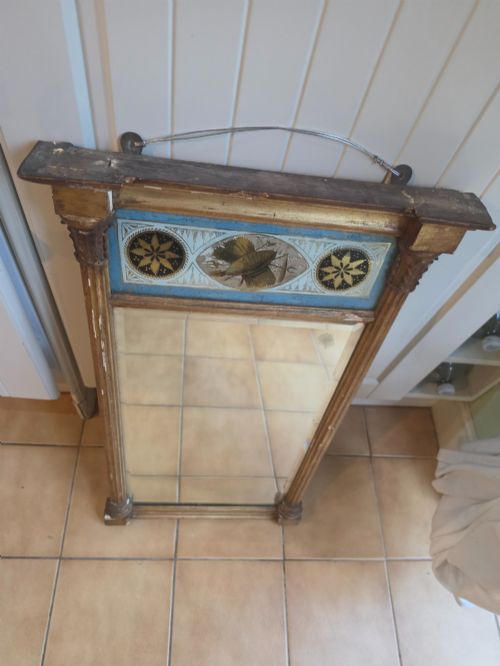
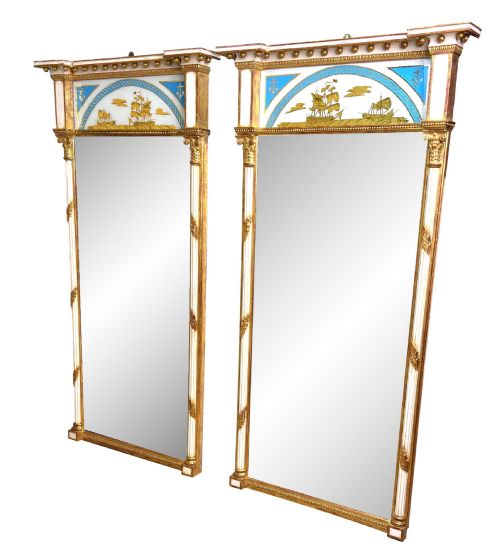
- A cold decoration technique where design elements are painted and gilded on the reverse side of glass panels. This method produces a reflective, metallic finish frequently seen in Regency pier mirrors.
- Crystoleum
- A Victorian method of applying a hand-coloured print to glass and rendering it transparent with oils or varnishes so artists could paint further details on the back. It creates a layered, translucent image.
- Trumeau
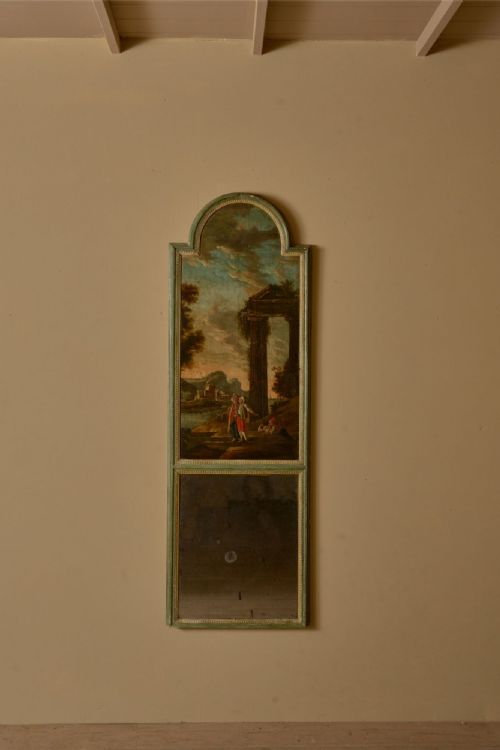
- An architectural mirror or panel featuring a painted or carved glass section positioned above the main glass plate. These French-inspired wall fixtures anchor classical interior schemes.
- Plafonnier
- A ceiling-mounted light fixture utilising a bowl-shaped glass shade. They often incorporate painted classical motifs.
- Gesso
- A plaster-like mixture applied to carved wood before gilding or painting. It provides a smooth base for gold leaf and fine pigment application.
Classical Glass Painting: Frequently Asked Questions
What is a verre eglomise panel?
A verre eglomise panel is a piece of glass decorated on the reverse with gold leaf and fine paint. This technique protects the delicate artwork behind the glass surface while giving a rich, reflective sheen.
Such panels typically appear in the upper sections of Regency pier mirrors and trumeaux, adding architectural depth to the wall.
How do I clean painted glass?
Painted glass surfaces require careful maintenance using a dry cloth or a lightly dampened microfiber towel. Harsh chemical cleaners can damage the reverse pigments and gilt details.
Keep these pieces out of direct sunlight to prevent the oil paints and gold leaf from fading over decades of display.
What is a crystoleum picture?
A crystoleum is a Victorian picture created by sticking a photographic print or engraving face-down onto curved glass, making the paper transparent. The artist then hand-painted details onto the reverse before sealing the back.
These convex pieces often sit within elaborate frames and capture domestic or classical scenes with notable depth.
Where should I hang these mirrors?
Overmantels and large pier mirrors suit principal living spaces or above classical mantelpieces where their scale defines the room. Their reflective qualities help distribute light across darker corners.
Ensure the wall fixings support the considerable weight of timber, gesso, and glass assemblies safely.