





Classical Fruit Artwork
Classical fruit artwork brings the rich arrangements of Baroque and Victorian tradition directly onto canvas through detailed oil painting.
Classical Fruit Artwork
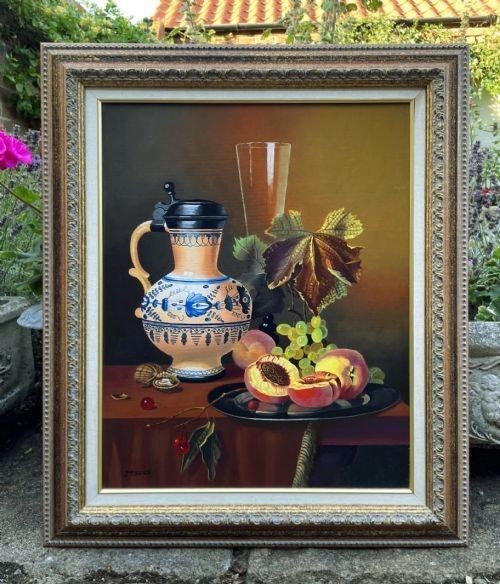
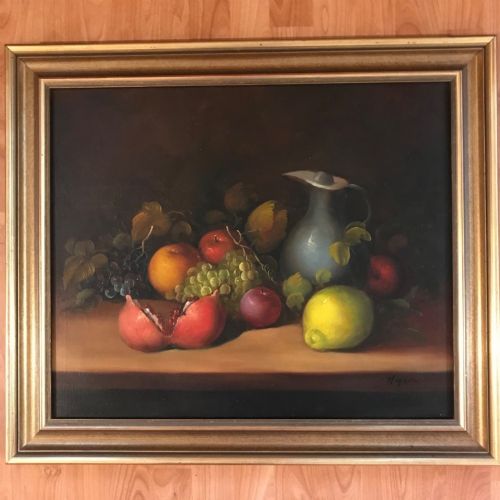
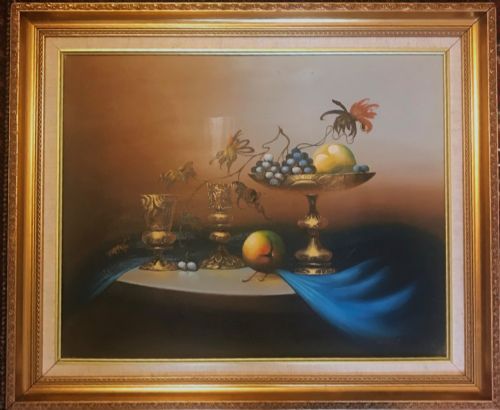
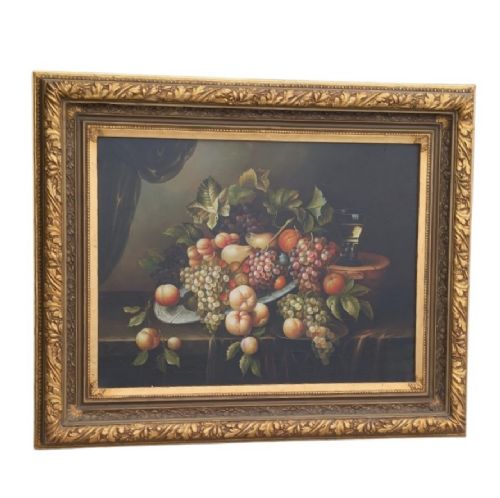
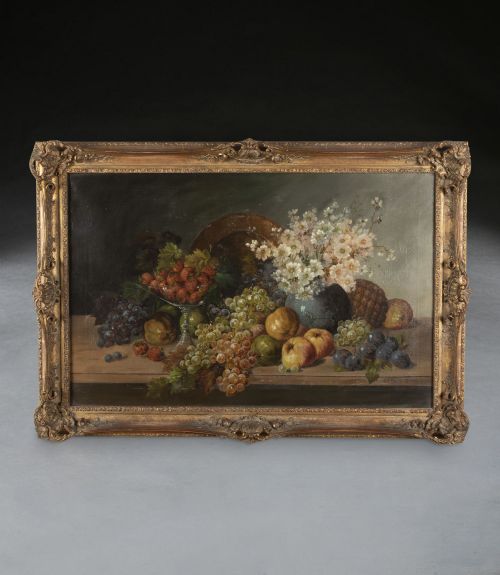
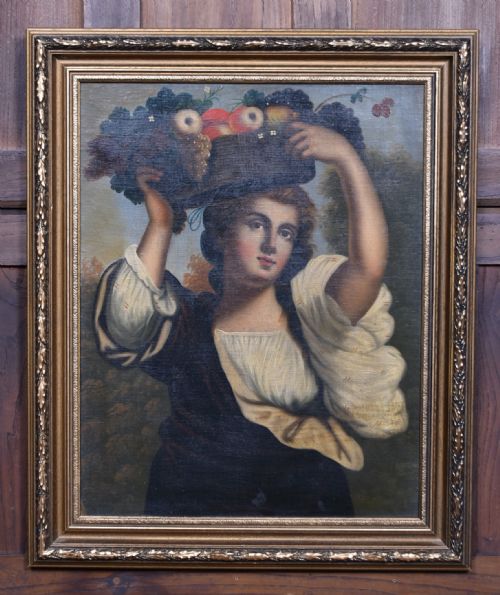
Classical fruit artwork captures oil paintings of agricultural harvests, banquet spreads, and tabletop compositions across several centuries of artistic tradition. You will frequently encounter nineteenth-century works and mid-twentieth-century interpretations alongside earlier seventeenth-century styles.
The compositions typically focus on baskets, jugs, and natural settings laden with apples, grapes, and citrus. These oil on canvas pieces range from intimate studies to large banquet scenes.
Originating within European schools, these paintings reflect the enduring appeal of traditional realism and Dutch-inspired still life design. Collectors often select these pieces to anchor a traditional interior or study.
Materials and Methods
Artists relied primarily on oil paint applied to stretched canvas, building rich textures and deep tones over time. This medium allowed painters to capture the translucent skin of grapes and the rough surface of baskets with careful precision.
Many historical works utilise timber stretchers and are housed within ornate gilt wood frames featuring moulded gesso details. The interaction between the dark oil pigments and the reflective gold leaf defines the visual weight of these pieces.
Classical Fruit Artwork Retail Price Guide 2026
Typical asking prices for classical fruit artwork among the pieces listed under this phrase on Sellingantiques today, from the lower quarter to the upper quarter. They describe what is for sale here now, not the wider market.
Several paintings include unexpected animal companions, from watchful parrots to hidden pigeons sharing the feast.
Factors of Quality
The distinction between ordinary and exceptional works rests on the handling of light, shadow, and natural texture. Superior canvases demonstrate a deft command of depth, making the fruit appear tangible and the surrounding space convincing.
Compositional balance and the complexity of the secondary elements, such as woven wicker, glassware, or plumage, elevate the standing of a painting. Finer examples maintain crisp articulation in the details without losing the overall harmony of the scene.
Jozsef Molnar·Gaspar Peeter Verbruggen·William Duffield·Bela Balogh·John Robertson Reid·George Lance
The Classical Fruit Artwork Glossary
- Baroque
- A seventeenth-century artistic style characterised by dramatic lighting, intense emotion, and complex compositions. This approach heavily influenced later still life traditions.
- Gesso
- A plaster-like mixture applied to wooden frames as a base for gilding. It provides a smooth surface for intricate moulded ornamentation.
- Gilt Wood
- Timber treated with a thin layer of gold leaf or metallic powder. Frames finished in this manner enhance the warmth of oil paintings.
- Classical Realism
- An artistic approach focusing on accurate observation and traditional techniques. It prioritises lifelike representation over abstract interpretation.
Classical Fruit Artwork: Frequently Asked Questions
What defines classical fruit artwork?
These pieces are traditional oil paintings depicting arrangements of food, flowers, and vessels on canvas. They draw heavily on historical European painting conventions.
Subjects range from simple tabletop studies of apples and grapes to elaborate banquet scenes featuring birds and woven baskets.
How were these paintings framed originally?
Many period canvases sit inside heavy wooden frames finished with gilt and moulded gesso. These surrounds were designed to complement the dark, rich palettes of the artwork.
Original frames contribute significantly to the historical context and visual impact of the piece.
How do I care for an oil on canvas painting?
Keep the artwork away from direct sunlight and dramatic shifts in temperature or humidity. These environmental controls protect both the canvas support and the oil pigments.
Dust the surface gently with a soft, dry brush and avoid using liquid cleaners on the paint or frame.
How can I distinguish between different periods?
Seventeenth-century works often reflect Baroque intensity and dark, theatrical lighting. Victorian and nineteenth-century pieces tend toward brighter palettes and meticulous realism.
Twentieth-century examples frequently adopt earlier Dutch still life styles while employing slightly looser brushwork.