





Classical Fruit Art
Classical fruit art brings centuries of traditional painting into a room, offering detailed depictions of apples, grapes and banquet scenes.
Classical Fruit Art
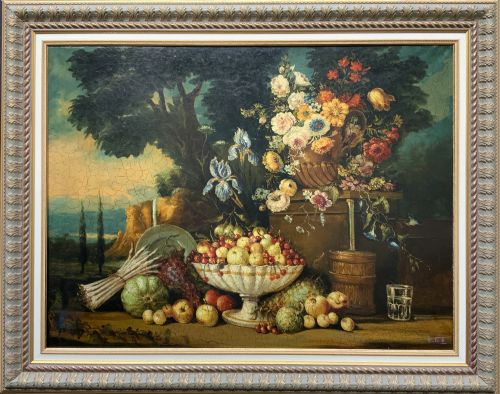
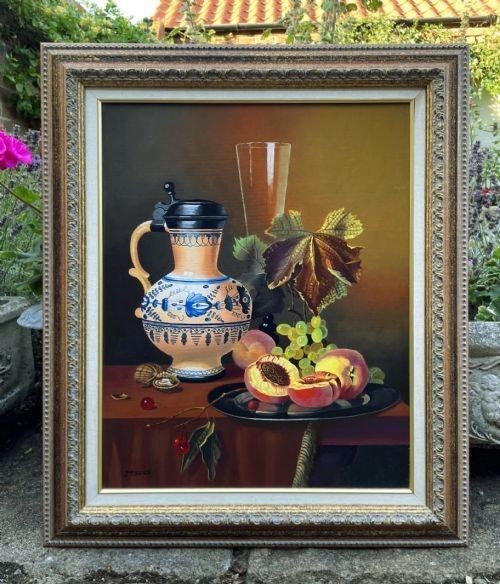
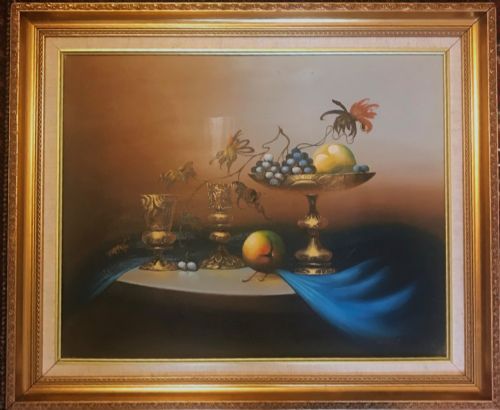
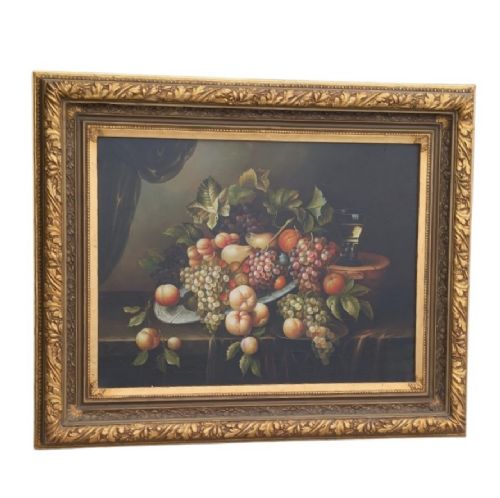
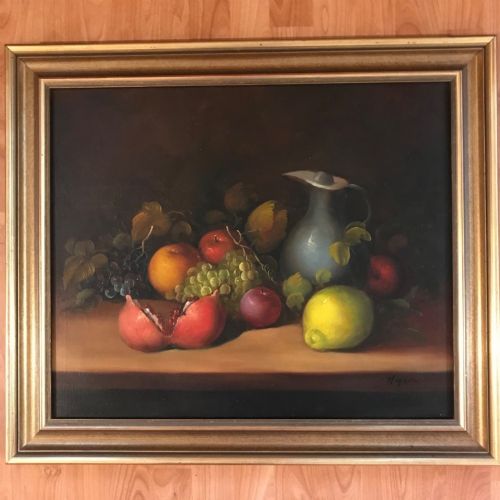
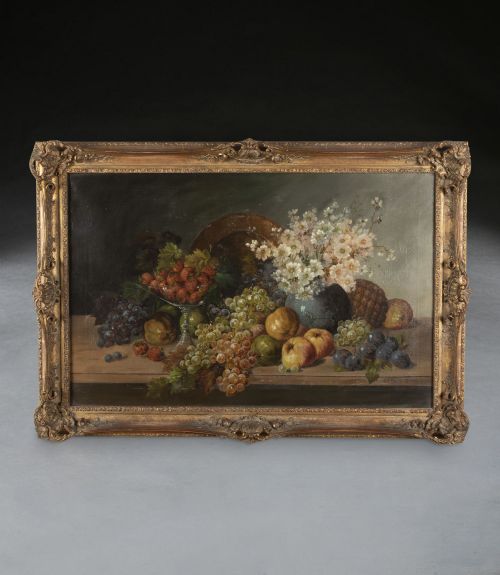
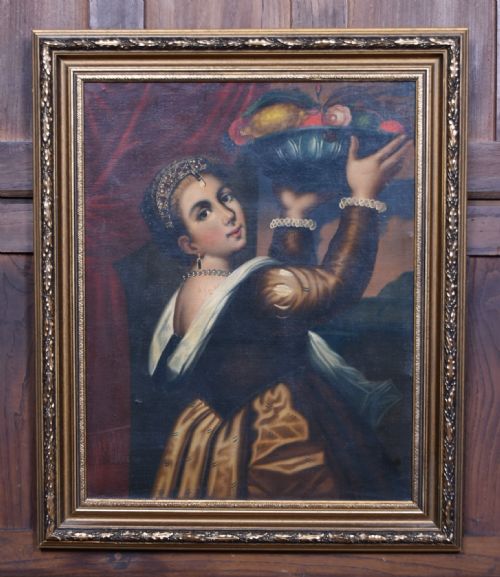
Classical fruit art encompasses oil paintings and framed prints created across various centuries, with a strong presence of nineteenth-century and twentieth-century works. These pieces frequently depict arrangements of fruit, baskets, vases and banquet elements executed in realistic or baroque styles.
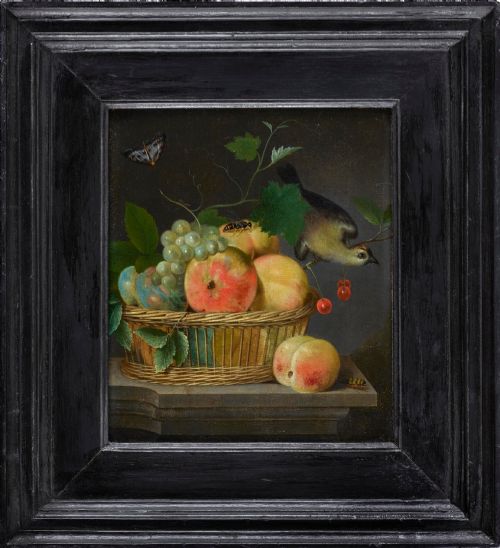
Buyers encounter oil on canvas works alongside framed engravings and centrepieces reflecting earlier artistic traditions. The subjects range from simple tabletop studies of grapes and apples to elaborate compositions featuring birds and flowers.
Originating from diverse European schools, these paintings capture the enduring appeal of traditional still life subjects. The selections span from seventeenth-century baroque interpretations up to mid-twentieth-century examples.
Materials and construction
These works rely primarily on oil paint applied to canvas or wood panels, utilising traditional layering and glazing techniques to render realistic textures on fruit and foliage. Many canvases are housed within wooden frames finished with gesso and gilt.
Draftsmanship and colour blending dictate the depth of the composition, with artists building up rich tones to represent light falling upon baskets, porcelain jugs and harvested produce.
Classical Fruit Art Retail Price Guide 2026
Typical asking prices for classical fruit art among the pieces listed under this phrase on Sellingantiques today, from the lower quarter to the upper quarter. They describe what is for sale here now, not the wider market.
Several still life compositions feature unexpected wildlife guests, including a white-fronted Amazon parrot peering out from behind the grapes and melons.
Defining quality in execution
Quality rests upon the precision of the brushwork and the naturalism achieved in rendering light, shadow and surface textures on the fruit. Superior examples demonstrate a confident handling of composition, balance and tonal harmony within the still life arrangement.
The sophistication of the supporting wooden frame, often finished in gilt or gesso, contributes to the overall integrity of the piece. Works that display accomplished draughtsmanship and depth in the background elements stand apart from simpler decorative studies.
Jozsef Molnar·Gaspar Peeter Verbruggen·William Duffield·Bela Balogh·Antonio Capellan·W M F·John Robertson Reid·George Lance
The Classical Fruit Art Glossary
- Still life
- A painting or drawing depicting inanimate subject matter, typically commonplace objects such as fruit, flowers and tableware. This genre allows artists to focus heavily on composition, light and texture.
- Baroque
- An artistic style originating in the seventeenth century characterised by dramatic lighting, rich colour palettes and ornate detail. Works in this tradition often feature elaborate banquet arrangements and dynamic compositions.
- Gesso
- A paint mixture consisting of a binder mixed with chalk, gypsum or pigment, used extensively to prepare wood or canvas surfaces. It provides a smooth base for subsequent gilding and painting.
- Gilt
- Covered thinly with gold leaf or gold paint to impart a metallic sheen. This finish is commonly applied to wooden frames and decorative metalware objects.
- Oil on canvas
- A traditional painting medium where pigments are suspended in a drying oil and applied to stretched fabric. It remains the predominant medium across these historical works.
Classical Fruit Art: Frequently Asked Questions
What periods do these paintings cover?
The selection spans from the seventeenth century through the nineteenth and twentieth centuries, incorporating various classical and baroque revivals.
Buyers will find works representing specific historical periods including nineteenth-century realism and mid-twentieth-century interpretations.
How should I hang an oil painting?
Oil paintings on canvas require stable environmental conditions away from direct sunlight and excessive humidity to protect the paint layer and stretcher frame.
Ensure secure wall fixings are used that match the weight of the framed artwork and its wooden or gilt surround.
What subjects appear alongside fruit?
Common companion elements include floral bouquets, wicker baskets, porcelain jugs, glassware and occasionally birds such as parrots or pigeons.
These additions are arranged to create balanced banquet scenes or detailed tabletop studies typical of classical still life traditions.
Are these works signed by artists?
Certain canvases feature artist signatures or attributions to specific European schools, while others remain unsigned examples of period studio work.
Documentation and inscriptions on the reverse often provide further context regarding the origin and date of the painting.