


Classical Framed Artwork
Classical framed artwork brings together oil paintings, engravings, and drawings set within period surrounds, offering a direct link to historical visual traditions.
Classical Framed Artwork
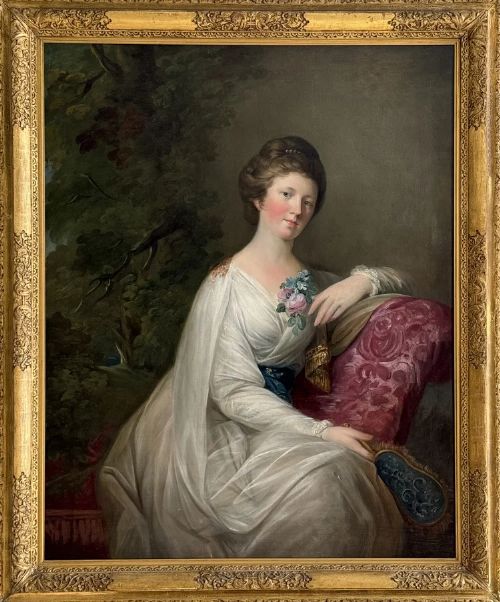
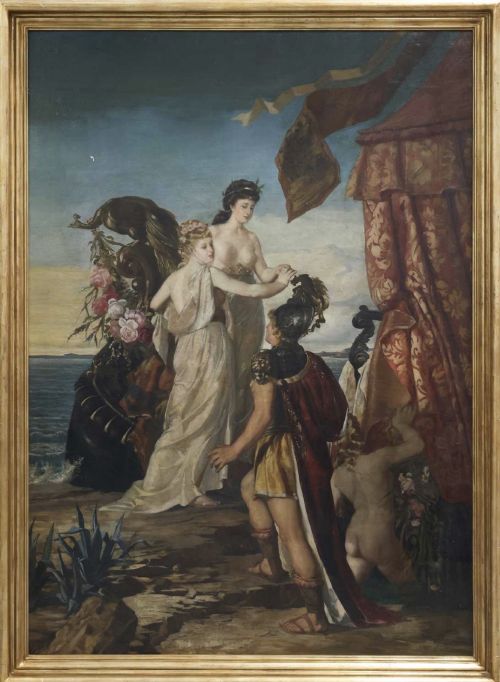
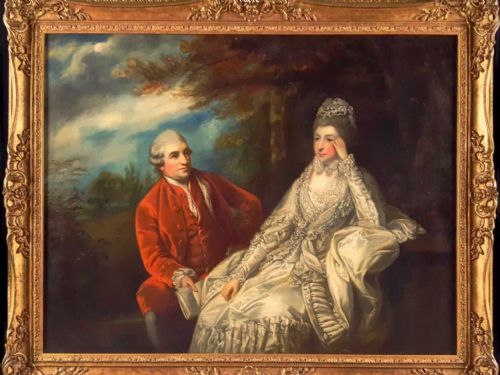
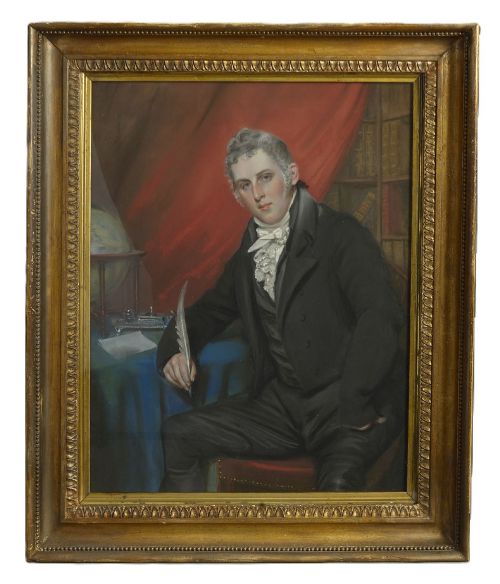
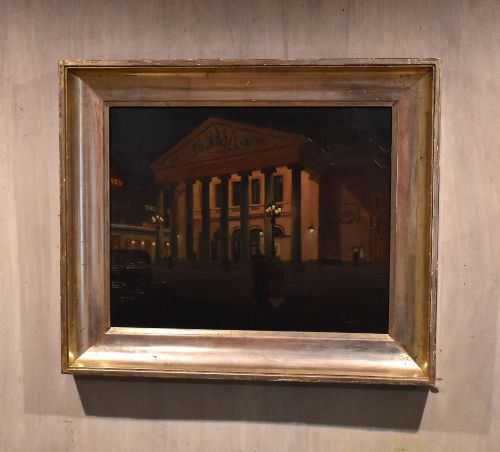
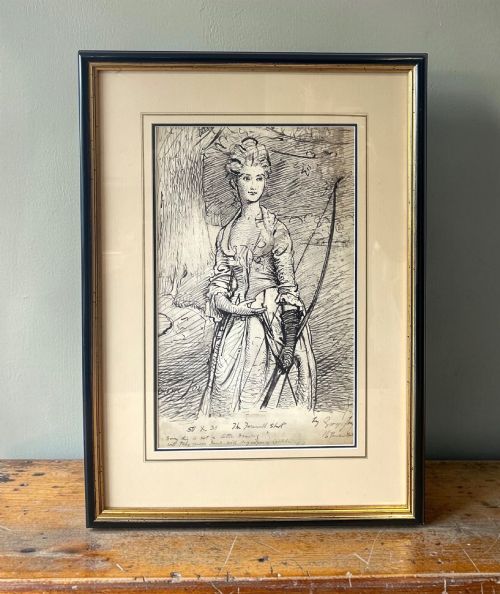
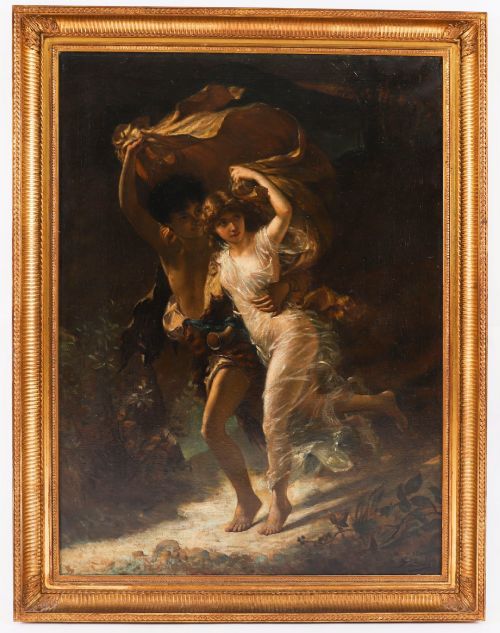
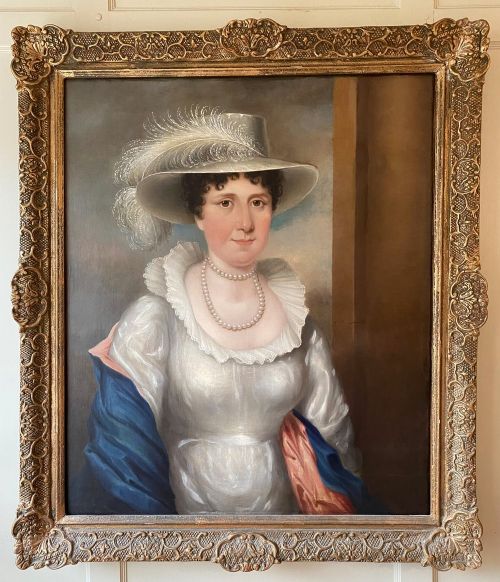
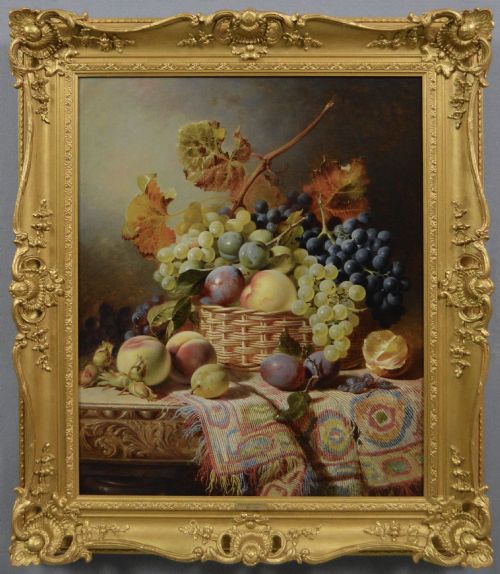
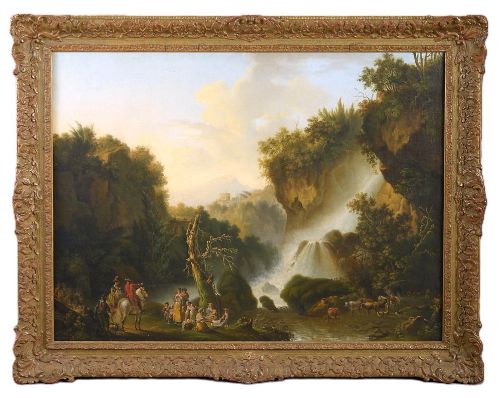
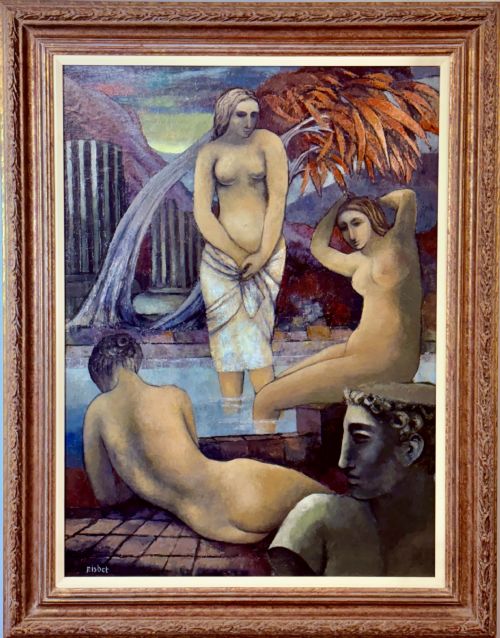
When you search for classical framed artwork, you encounter oil paintings on canvas and panel, detailed engravings, and works on paper created across multiple centuries. These pieces encompass portraiture, biblical scenes, pastoral landscapes, and still life compositions.
The selections span the seventeenth, eighteenth, and nineteenth centuries, alongside later twentieth-century interpretations and revivals. You will frequently find works reflecting academic realism, Renaissance revival styles, and Regency aesthetics.
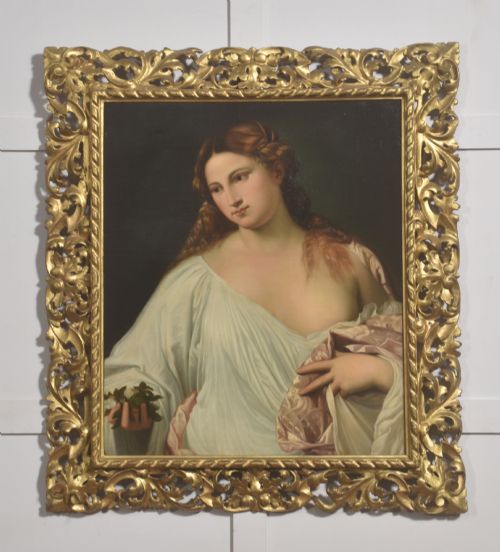
The physical housings form an integral part of these items, often utilising deep giltwood and gesso fluted hollow antique frames. These surrounds complement the visual weight and historical context of the imagery contained within.
Materials and construction methods
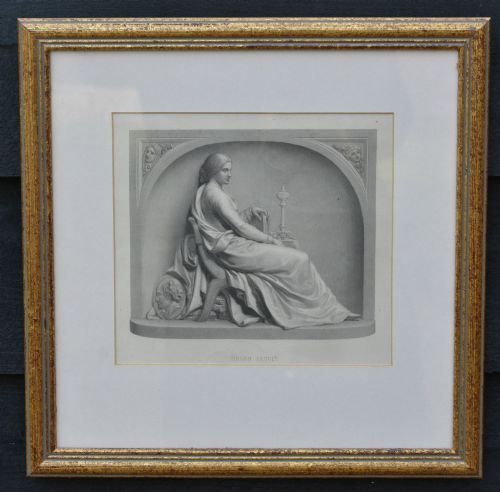
Makers utilised oil paint applied to canvas, wood panels, or copper plates, alongside gouache, pastel, and pen and ink on paper. Engravers worked metal plates to produce crisp black and white impressions, while textile artists employed silk and chenille threads for detailed pictorial embroidery.
Wooden frames were carved, gessoed, and gilded to house the artwork, providing sturdy structural support and aesthetic enhancement. These materials reflect traditional workshop practices from the seventeenth century through to the Victorian era.
Classical Framed Artwork Retail Price Guide 2026
Typical asking prices for classical framed artwork among the pieces listed under this phrase on Sellingantiques today, from the lower quarter to the upper quarter. They describe what is for sale here now, not the wider market.
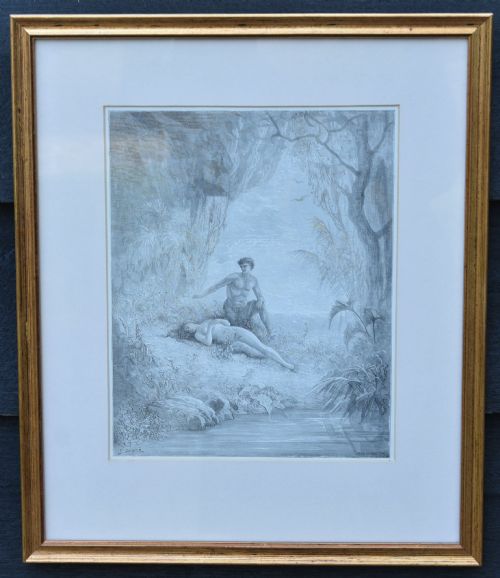
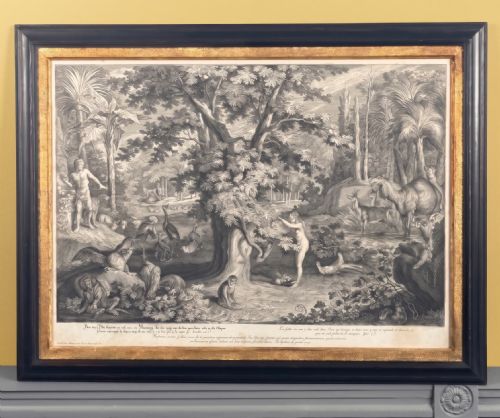
Eve choosing an apple while a serpent watches makes a dramatic appearance in an 18th-century engraving.
Factors that define quality
The distinction between average and exceptional pieces rests upon the surety of the draughtsmanship and the expressive depth of the pigment handling. Masterful portraits and landscapes demonstrate subtle control over light, shadow, and anatomical proportion.
The integrity and originality of the surrounding frame also influence the overall character of the piece. Authentic period giltwood surrounds that retain their original gesso moulding and surface patination elevate the complete object.
John Raphael Smith·Johann Elias Ridinger·George Joy·Ferdinand Sinet·Giuseppe Mazzolini·Richard Wilson·Jozsef Molnar·Johann Philipp Hackert·Claude Lorrain·René Cadeau·Christine Nisbet·Antoine Watteau·William Duffield·John Finlayson·Sir Joshua Reynolds·Charles Eschard·Siegfried Bendixen·Adolf Johann Höffler·Alonso Perez
The Classical Framed Artwork Glossary
- Giltwood
- Wood that has been coated with a thin layer of gold leaf or gold paint. This technique was widely applied to picture frames during the eighteenth and nineteenth centuries to add luminosity.
- Engraving
- A printmaking process where an artist cuts lines directly into a metal plate using a sharp tool called a burin. The resulting inked plate produces fine, precise impressions on paper.
- Gesso
- A plaster-like mixture applied to wooden frames as a smooth base before gilding. It allows craftsmen to carve intricate decorative details and fluted hollows.
- Oil on Canvas
- Pigments bound in a drying oil medium applied to a stretched woven fabric support. This combination allows for rich colour blending and lasting durability.
Classical Framed Artwork: Frequently Asked Questions
How should I care for oil paintings and frames?
Keep works out of direct sunlight and away from rapid temperature fluctuations to protect the canvas and wooden supports.
Dust giltwood frames gently with a dry, soft brush without applying chemical cleaners.
Are the frames original to the artwork?
Many items retain period frames made from giltwood and gesso that match the era of the painting or print.
Certain pieces may feature later or associated surrounds chosen to complement the historical style.
What subjects are common in these pieces?
Common subjects include classical portraits, theatrical scenes, architectural drawings, and detailed biblical narratives.
Landscapes, marine seascapes, and still life arrangements of fruit and instruments also feature regularly.