




Classical Figure Sketch
A classical figure sketch offers a direct encounter with academic draughtsmanship, capturing the human form through charcoal, chalk, graphite, and ink.
Classical Figure Sketch
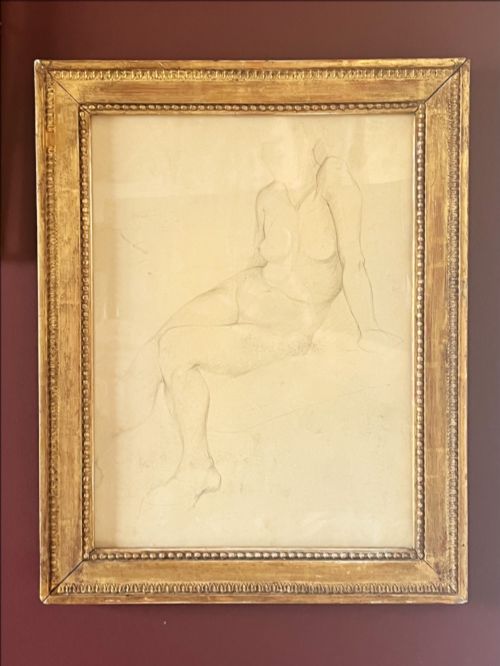
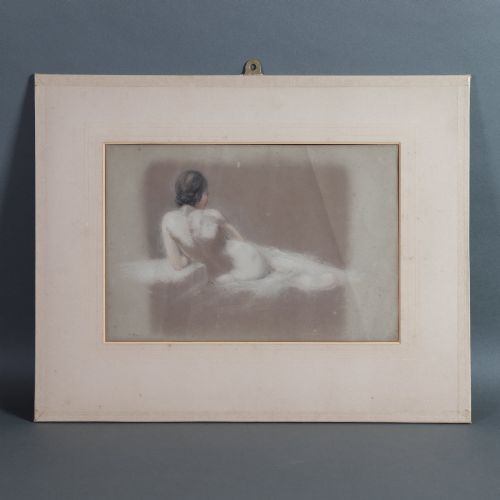
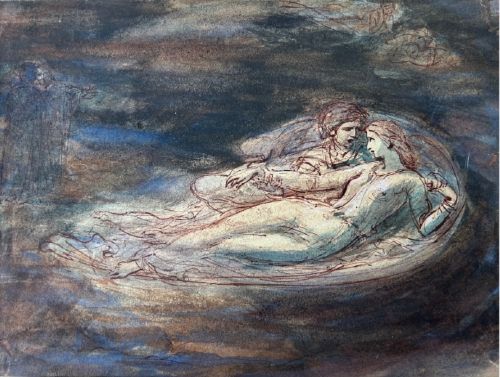
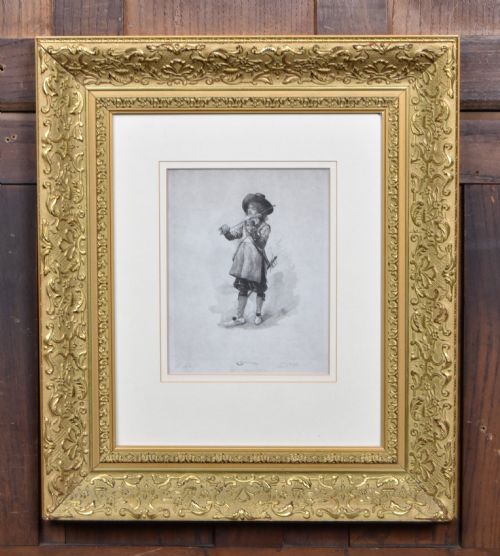
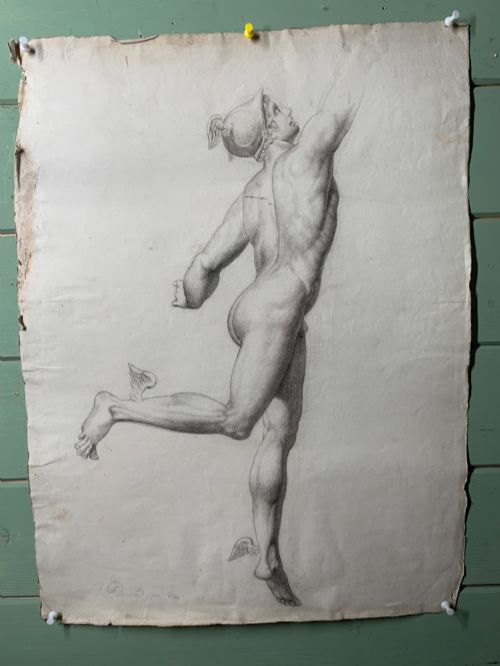
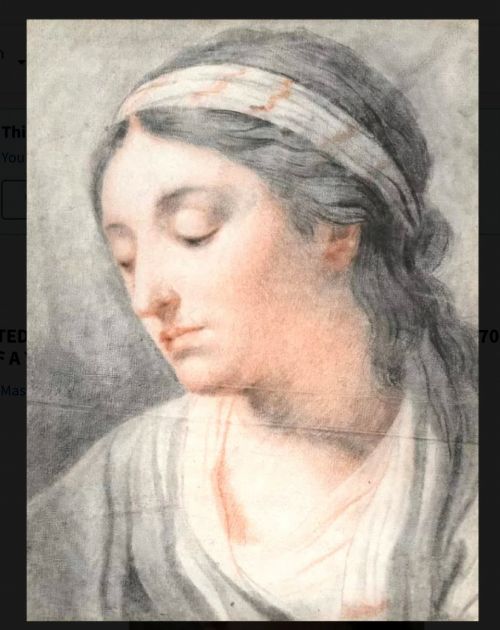
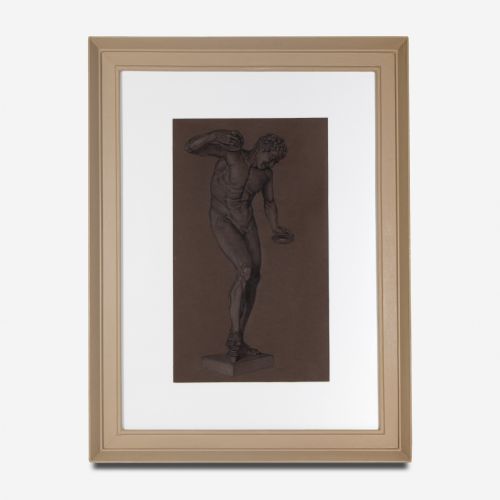
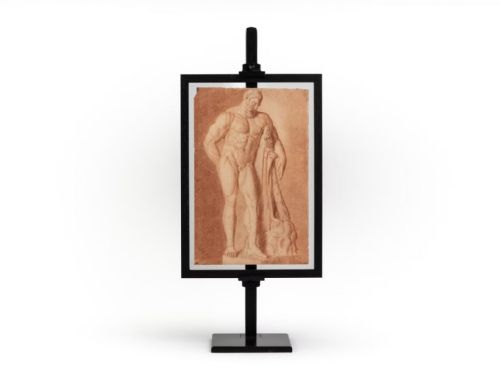
A classical figure sketch brings together historical studies of the human form, ranging from academic life drawings of male and female nudes to mythological depictions rendered in pencil, chalk, and ink. These works capture the fundamental training of artists across the seventeenth, eighteenth, and nineteenth centuries, as well as mid-century interpretations.
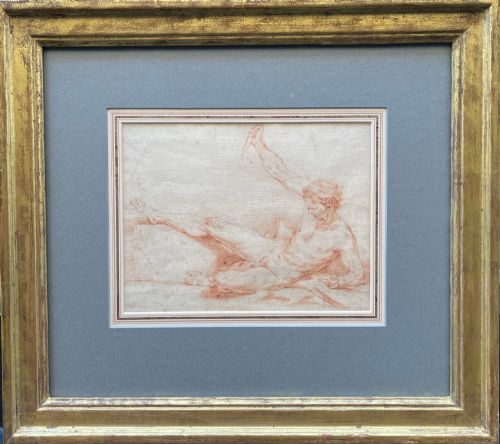
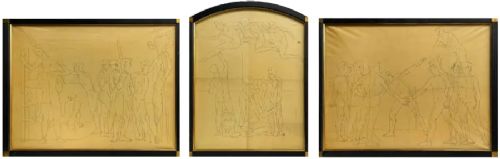
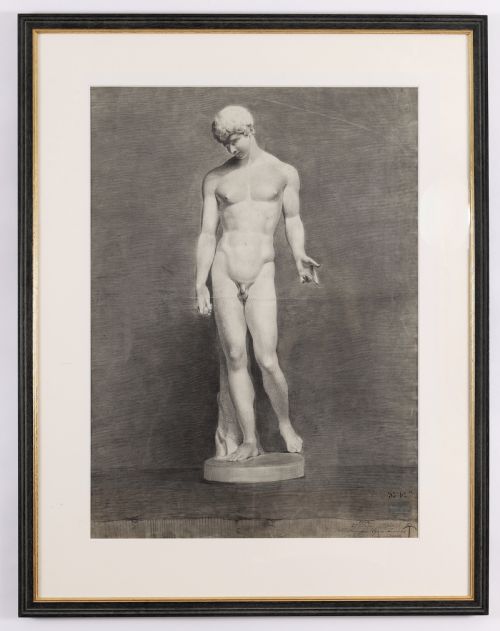
The versions most commonly met on this page include framed academic drawings from the nineteenth century and eighteenth-century red chalk or ink studies on paper, often housed in antique gilt wood frames. Such pieces frequently record posture, musculature, and classical sculpture through precise line work and tonal shading.
Originating from British, French, and Italian schools, these drawings reflect rigorous traditions of observation. A buyer examining a classical figure sketch engages with historical methods of figure study, whether observing a full-length academic pose or a detailed facial study after classical sculpture.
Materials and execution
These works are executed primarily on paper using media such as graphite, charcoal, red chalk, sanguine, and pen and ink, sometimes combined as mixed media or watercolour washes. The application of these dry and liquid mediums allows artists to build delicate tonal gradations and sharp contours.
Support materials include paper housed within traditional glass-fronted frames, frequently accompanied by gilt wood surrounds that complement the period of the artwork. Oil on paper is also utilised for more substantial compositional studies of limbs and figures.
Listings span from the seventeenth century through to the mid-twentieth century, featuring paper, glass, wood, charcoal, chalk, graphite, ink, and gilt wood.
Judging draughtsmanship and condition
Quality in a classical figure sketch rests on the confidence of the line, anatomical accuracy, and the sensitivity of the tonal modelling. Superior examples demonstrate a secure grasp of shadow and light that defines muscle, bone, and expression without hesitation.
The condition of the paper and the integrity of the framing also determine the standing of a piece. Well-preserved sheets retain their original contrast and texture, while the presence of period gilt wood frames adds contextual authenticity to the work.
William Etty·James Stroudley·Hyacinthe Colin de Vermont·William Edward Frost
The Classical Figure Sketch Glossary
- Academic life study
- A drawing produced from a live model within an art academy setting, focusing on accurate anatomical representation and proportion. These exercises formed the backbone of traditional artistic training.
- Sanguine
- A reddish-brown chalk used historically for sketching and portraiture, offering warm tones ideal for capturing flesh. It was widely employed during the seventeenth and eighteenth centuries.
- Recto and verso
- Terms describing the front and back sides of a single sheet of paper. Sketches frequently appear on both sides when paper was scarce or used for progressive studies.
- Wash
- A diluted layer of ink, watercolour, or bistre applied with a brush to create translucent areas of tone. It provides depth and shadow behind linear ink work.
Classical Figure Sketch: Frequently Asked Questions
What is a classical figure sketch?
A classical figure sketch is a preparatory or study drawing of the human body, executed in mediums such as graphite, chalk, or ink following historical academic traditions.
These works range from seventeenth-century Italian sheets to nineteenth-century life studies and twentieth-century interpretations.
How were these drawings used?
Artists created these sketches to practice anatomy, proportion, and tonal shading, often using live models or classical statues as reference points.
Many served as preliminary studies for larger painted compositions or as standalone exercises within academic curricula.
How should I frame and display them?
These works on paper require conservation-grade mounting behind glass to protect them from light and environmental damage.
Displaying them away from direct sunlight preserves the fragile charcoal, chalk, and ink mediums on the paper surface.
How do I identify the period of a sketch?
Period identification relies on paper characteristics, framing styles, and the specific academic conventions visible in the draughtsmanship.
Inscriptions, artist attributions, and subject matter referencing classical sculpture or historical narratives also provide firm chronological indicators.