
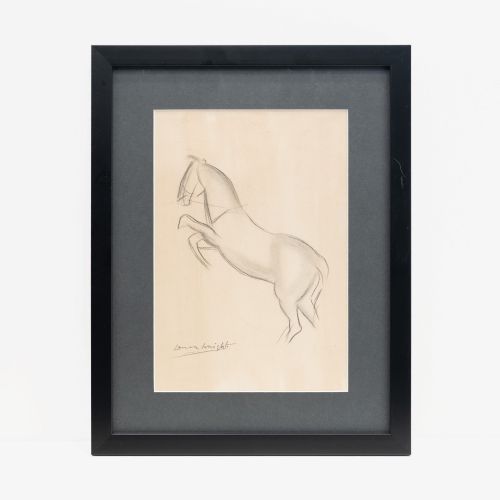


20th Century Pencil Drawing
A 20th century pencil drawing captures the immediacy of an artist's hand, offering collectors direct access to portraiture, landscape, and figure studies.
20th Century Pencil Drawing
A 20th century pencil drawing on this page spans foundational portraiture, townscapes, and figurative compositions executed across decades of artistic shifting. Buyers encounter works originating from Edwardian sensibilities through to mid-century modern perspectives.
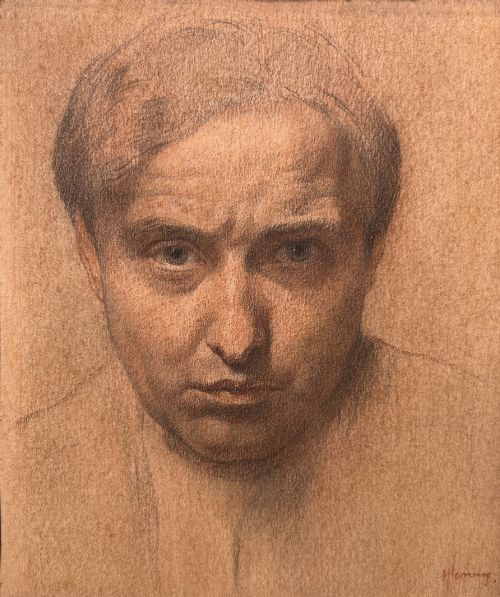
The most common formats include framed portrait studies, architectural townscapes, and nude figure drawings on paper. These pieces reflect the varied stylistic movements of the era, ranging from strict realism to early avant-garde leanings.
Materials and execution
Artists of this period relied primarily on graphite pencil, charcoal, and sometimes coloured pencil applied directly to paper substrates. Many examples incorporate mixed media elements such as watercolour, gouache, or ink to wash over the initial drawn lines.
Works are typically unmounted or framed behind glass within wooden surrounds, preserving the delicate graphite and charcoal mediums from smudging. The technique prioritises line weight and tonal shading to create depth without heavy reliance on paint.
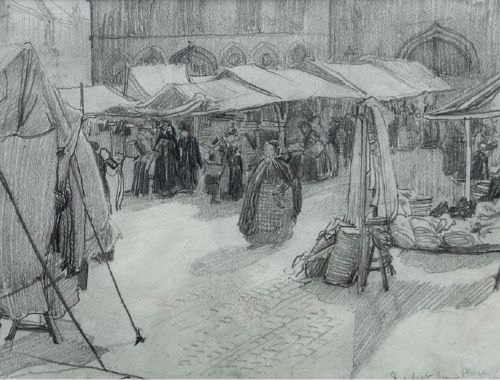
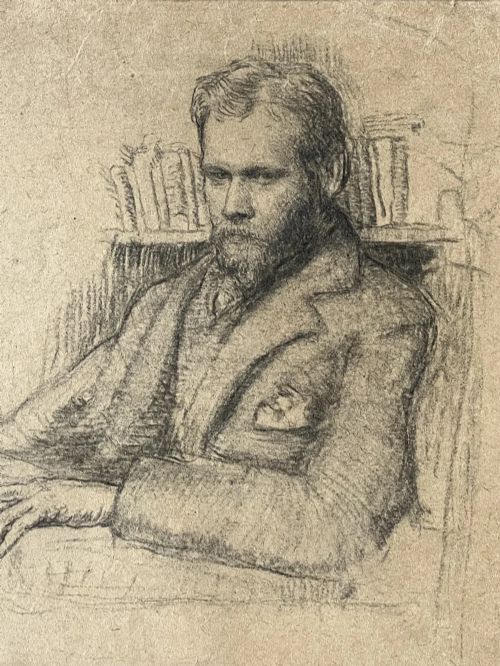
A hurried sketch of an explorer rubbing shoulders with a Belgian market scene proves artists drew whatever crossed their path.
Factors of quality
Quality rests upon the sureness of the draftsmanship and the expressive vitality captured in the lines, where a confident portrait study outshines a rigid, hesitant sketch. Provenance and the established reputation of the hand behind the work elevate certain sheets considerably.
The preservation of the paper support and the minimal intrusion of foxing or fading determine the visual impact of the drawing. Stronger pieces retain deep contrast in the graphite and clean margins around the primary subject.
Augustus John·Dame Laura Knight·Fred Lawson·Sir Muirhead Bone·Demetrios Galanis
The 20th Century Pencil Drawing Glossary
- Graphite
- A form of carbon used as the primary marking material in pencil drawings, allowing for varied tones from light grey to deep black.
- Figurative
- Art that represents the human form or recognisable objects from the physical world rather than abstract shapes.
- Provenance
- The documented history of ownership of an artwork, providing verification of its origin and authenticity.
- Triptych
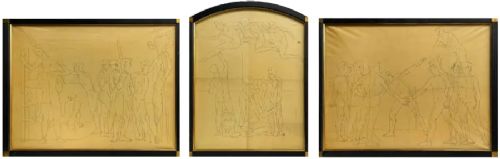
- A single artwork divided into three distinct sections or panels displayed together, often sharing a common theme.
- Realism
- An artistic style that depicts subjects truthfully without artificiality or avoiding mundane aspects of life.
20th Century Pencil Drawing: Frequently Asked Questions
How should I frame a pencil drawing?
Protect the delicate graphite surface by using acid-free mount board that keeps the paper from touching the glass directly. Ultraviolet-filtering glass helps prevent the paper stock from yellowing under natural light.
Ensure the framing is sealed properly at the back to keep out dust and moisture, preserving the integrity of the drawing for decades to come.
Where were these drawings typically created?
Artists produced these works in urban studios, rural painting retreats, and directly on location during travels across Britain and Europe. Many pieces originated as preliminary studies for larger oil paintings or as independent observational sketches.
Townscapes often capture specific city landmarks, while portrait studies record notable figures, sitters, and acquaintances of the artist.
How do I spot a preliminary study?
Preliminary studies often display visible grid lines, rapid cross-hatching, and multiple overlapping contour lines where the artist adjusted proportions. They focus intensely on anatomy, gesture, or composition rather than achieving a polished, finished surface.
Signatures on studies can sometimes be minimal or absent, as they were kept in the artist's working portfolio rather than exhibited initially.
Are these drawings signed?
Many examples feature signatures, initials, or studio stamps added by the artist or later executors of the estate. Unsigned works frequently rely on stylistic attribution, period framing, or documentary provenance to confirm authorship.
A signature enhances the art historical record, though unsigned drawings from the era remain valued for the strength of their draftsmanship.