
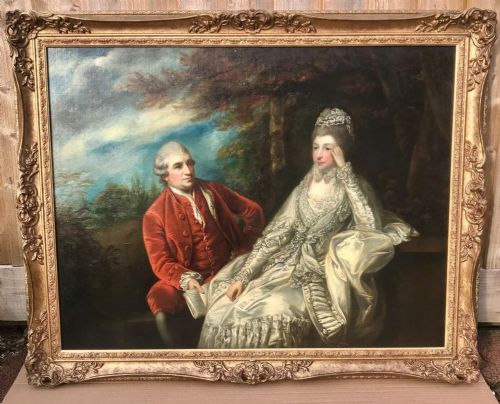
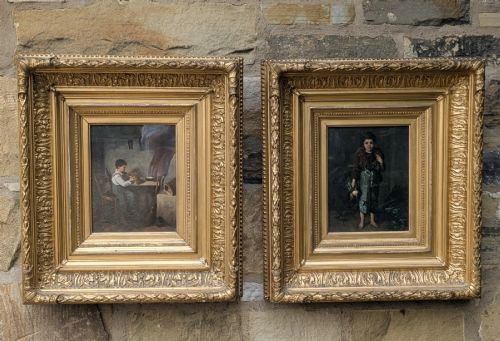
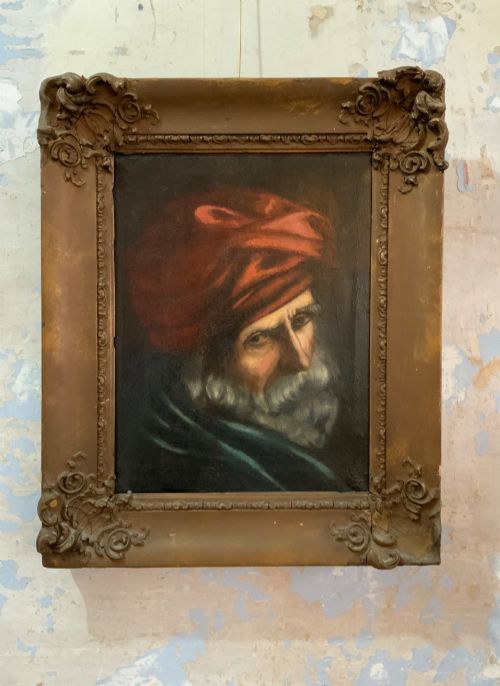
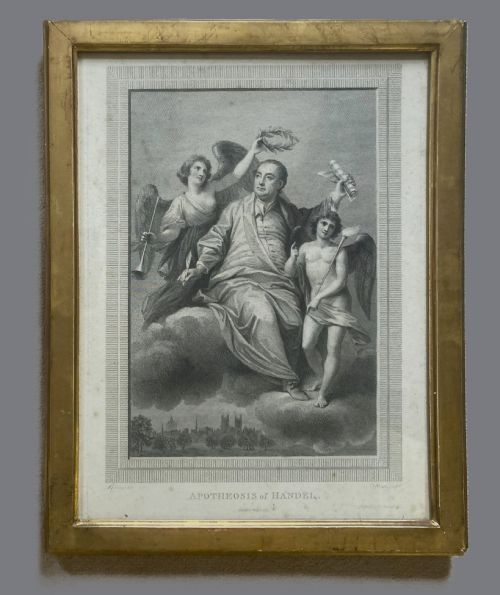
Classical Figure Portrait
A classical figure portrait captures historical, mythological or idealized subjects in sculpture, oil paint or print.
Classical Figure Portrait
A classical figure portrait draws upon mythology, ancient history and neoclassical ideals to portray human subjects through distinct artistic mediums.
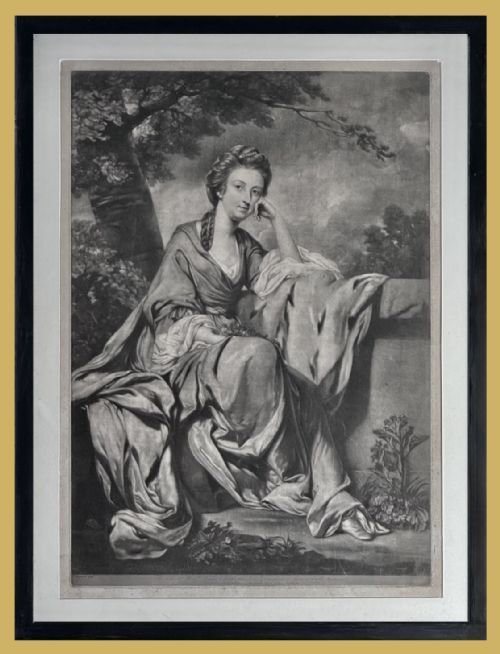
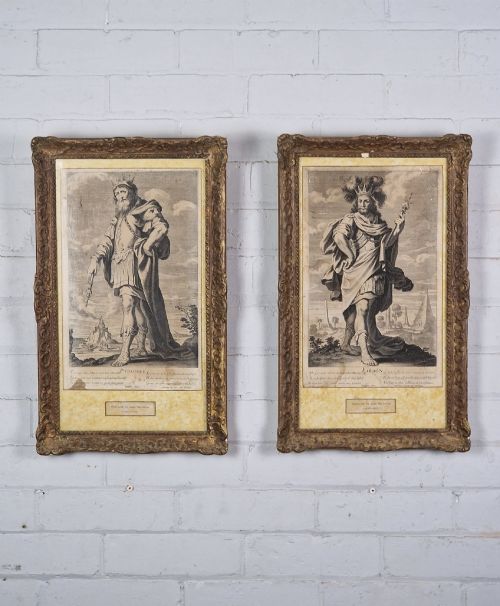
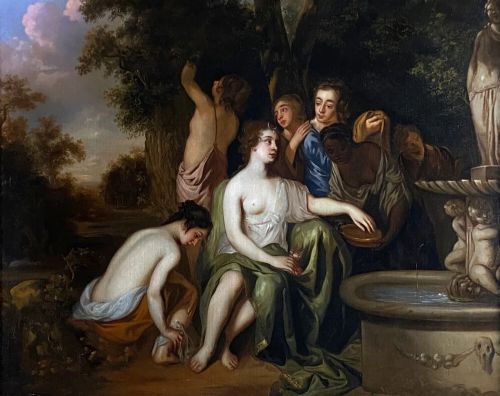
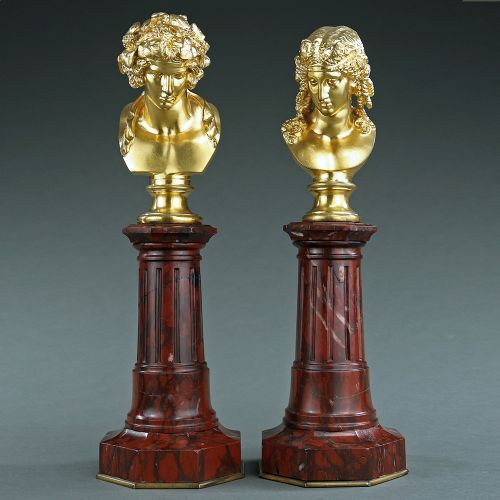
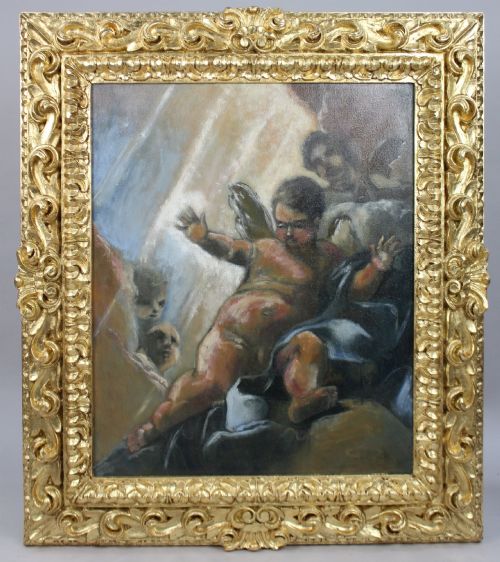
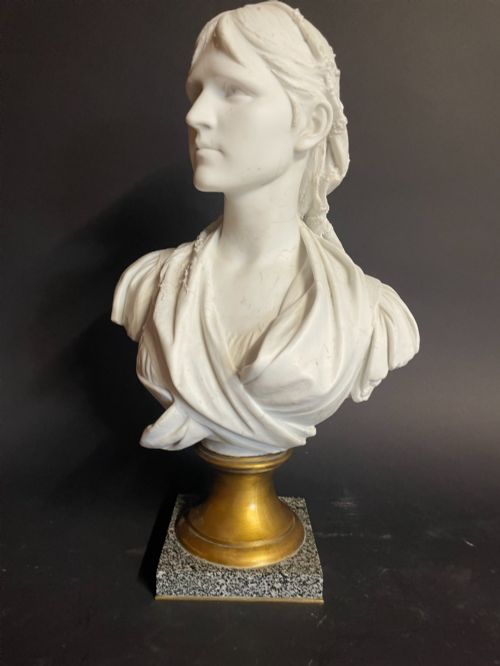
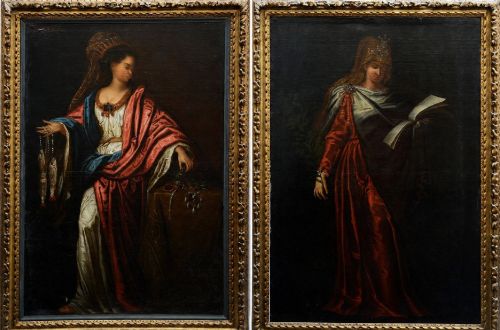
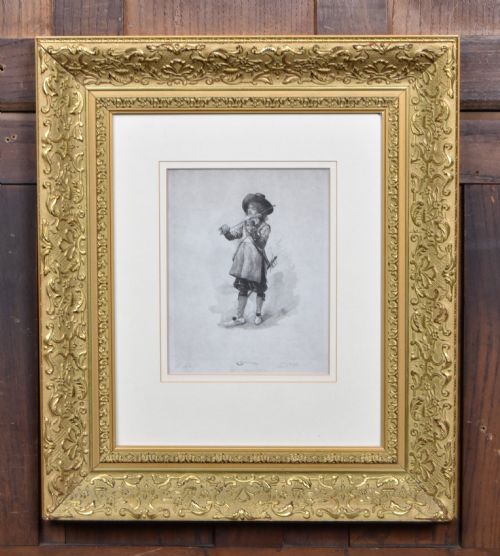
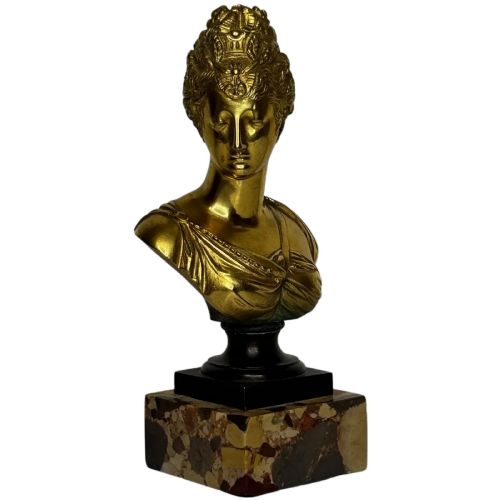
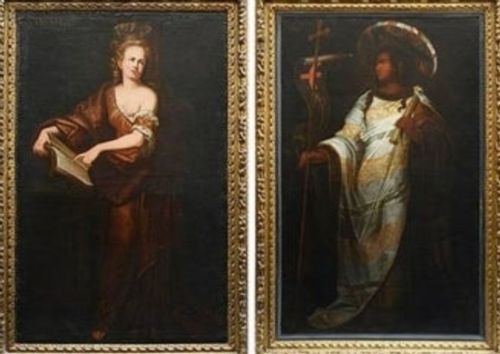
You will encounter carved marble and bronze busts alongside oil paintings on canvas and detailed period engravings.
The selection spans from the seventeenth century through to the Victorian era and early twentieth century, reflecting enduring aesthetic traditions.
Materials and methods
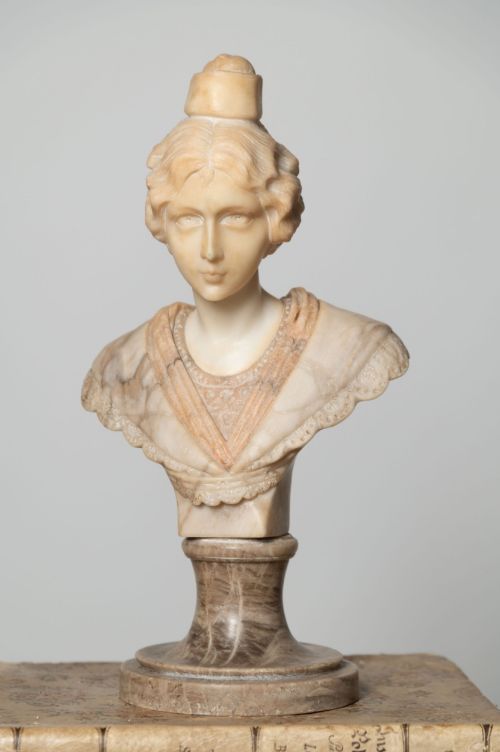
Sculptural pieces utilise carved marble, cast bronze, alabaster and painted plaster to render three-dimensional likenesses.
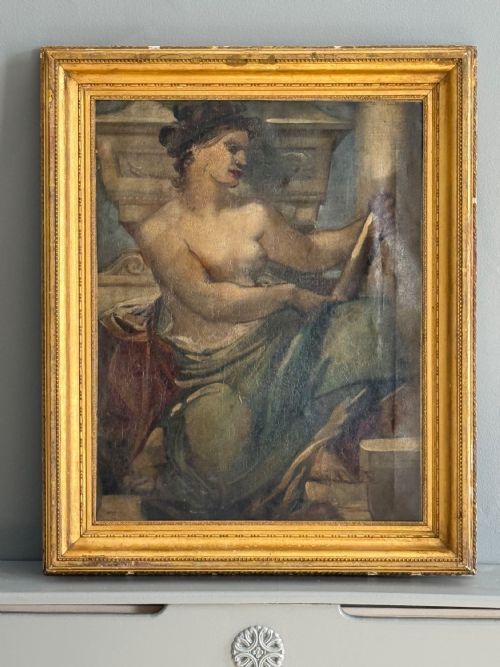
Painted works employ oil on canvas within carved giltwood frames, while works on paper utilise mezzotint and engraving techniques.
Several depictions feature mythological sibyls and Roman emperors keeping a watchful eye over modern study rooms.
Assessing the pieces
The sophistication of the supporting medium, such as detailed giltwood framing or fine plate printing, elevates the overall execution.
Edward Fisher·Sir Joshua Reynolds·Jean Mariette·Sir Peter Lely·James Heath·Biaggio Rebecca·P. Ruiz·Guillaume Courtois·Adam Buck·Copeland·Ludwig Van Beethoven·Jean-Baptiste Greuze·François-André Vincent·Theodore Jensen·John A. Monteith·Dante Alighieiri·Georges-Charles Coudray·John Watkins Chapman·Gainsborough Dupont
The Classical Figure Portrait Glossary
- Neoclassical
- A style of art and architecture inspired by the classical arts of ancient Greece and Rome. It emphasises proportion, restraint and classical themes.
- Mezzotint
- A printmaking process of the intaglio family where the image is scraped and burnished upon a roughened copper plate. This technique allows for rich tonal gradations.
- Parian ware
- A type of biscuit porcelain resembling white marble, developed in the mid-nineteenth century. It was widely utilised for sculptural portrait busts.
- Giltwood
- Wood that has been coated with gold leaf or gold paint. It frequently frames oil paintings and mirrors from the period.
Classical Figure Portrait: Frequently Asked Questions
What is a classical figure portrait?
A classical figure portrait is an artwork depicting a human subject within a historical, mythological or neoclassical context. These pieces range from marble busts of ancient figures to oil paintings and prints produced across several centuries.
Such works reflect the enduring fascination with antiquity in European art. They capture subjects through sculpture, paint and printmaking techniques.
How were marble busts displayed?
Marble busts were traditionally displayed in libraries, hallways and drawing rooms on columns, pedestals or dedicated brackets. They served as scholarly ornaments during the Grand Tour period.
Collectors positioned them to signal classical learning and aesthetic refinement. Their substantial weight required sturdy architectural support within the home.
How do I identify the period?
Period identification relies upon examining the materials, framing techniques and stylistic conventions used in the piece. Eighteenth-century works often feature distinct engraving methods or canvas treatments, while Victorian pieces show specific revivalist traits.
Sculptural patination and the tooling marks on marble or bronze offer further clues to the date of execution. Comparative analysis with documented works helps narrow down the decade.
How do I care for oil paintings?
Oil paintings require stable indoor humidity and temperature levels to prevent cracking of the paint layer. Direct sunlight should be avoided to protect the pigments from fading over time.
Dusting should be performed gently with a soft, dry brush by someone experienced in handling historic art. Professional conservation is recommended for any deeper cleaning.