



Classical Figurative Canvas
A classical figurative canvas brings narrative depth and human presence into a room, drawing on centuries of painterly tradition.
Classical Figurative Canvas
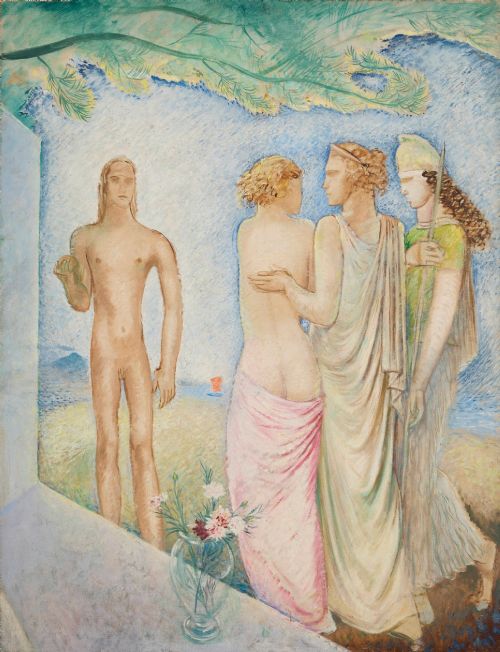
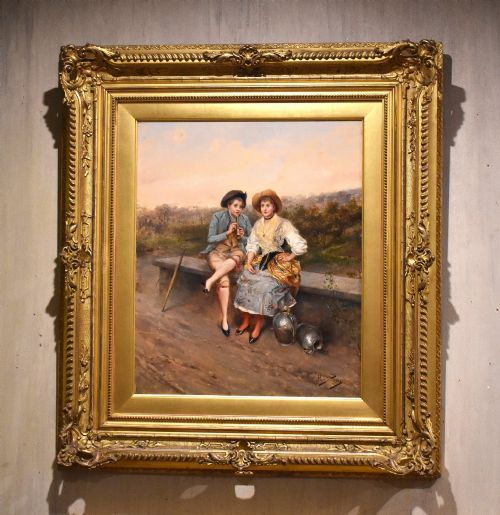
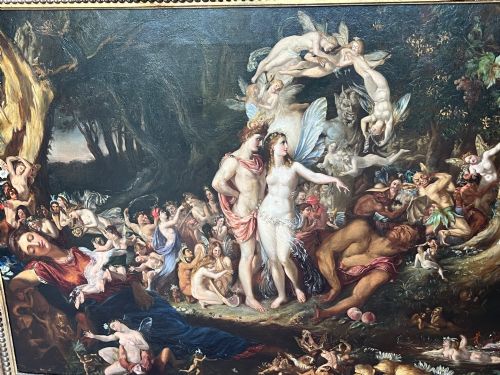
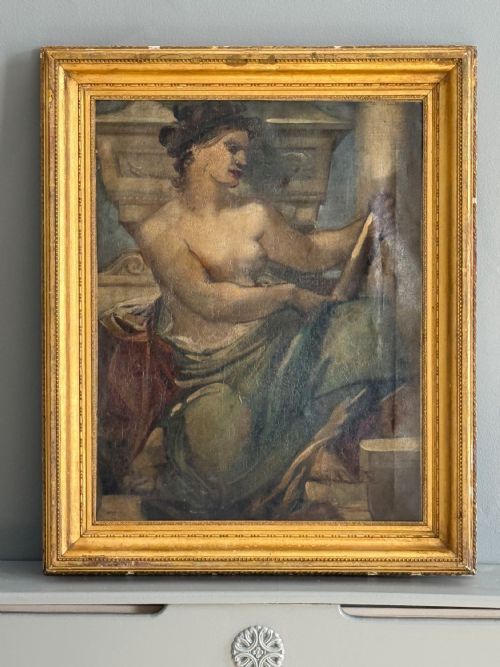
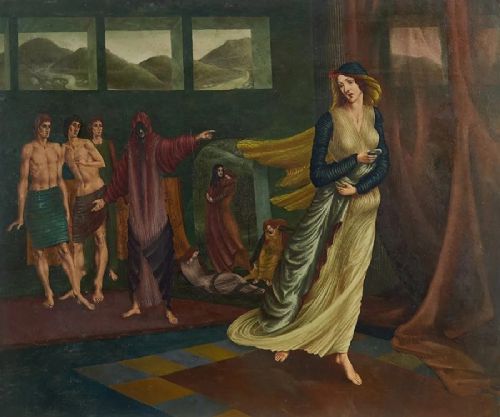
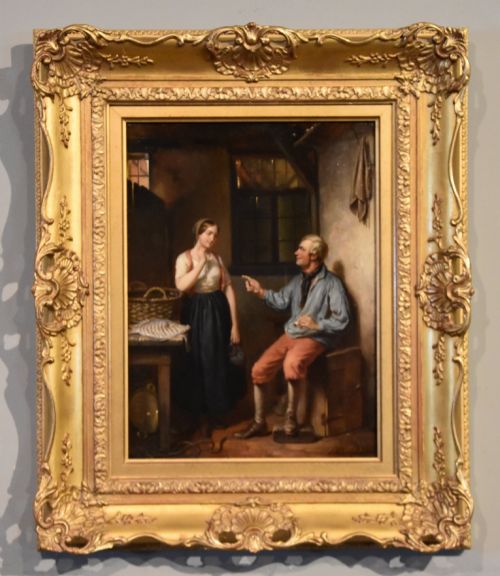
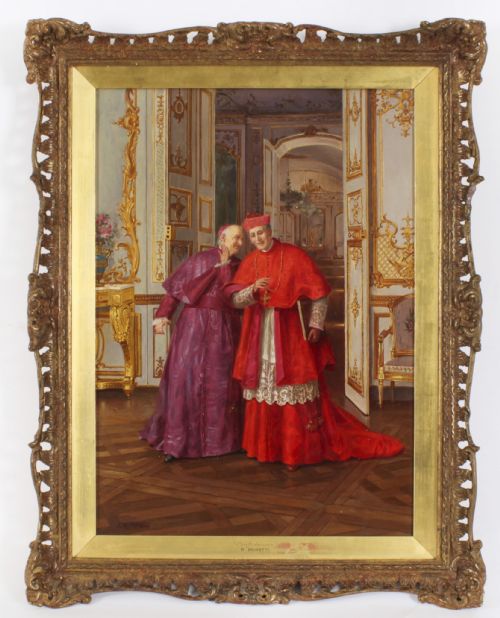
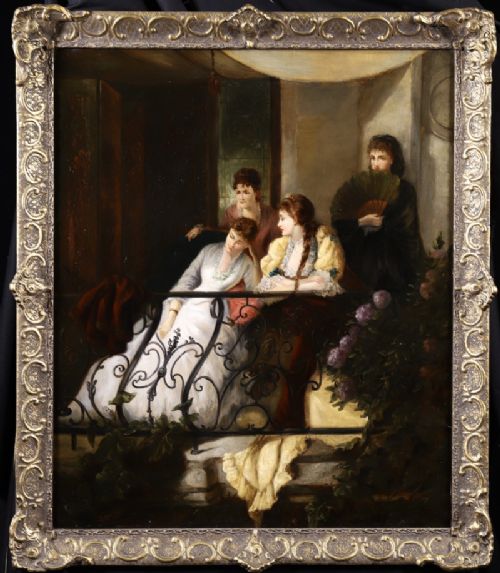
When searching for a classical figurative canvas, buyers encounter oil paintings depicting human figures, historical narratives, mythological scenes, and genre interiors. These works originate from various periods including the eighteenth, nineteenth, and mid-twentieth centuries, reflecting academic training and traditional subject matter.
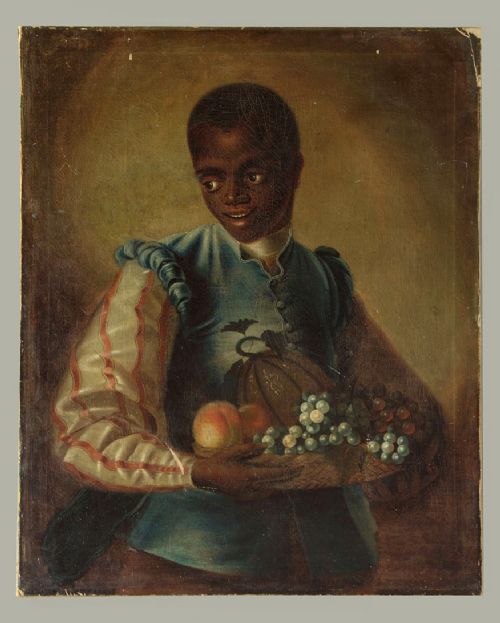
The selections available here range from intimate portraits of young ladies and servants to large-scale historical genre scenes of courtiers and musicians. Many pieces draw inspiration from earlier masters or literary sources such as Shakespeare and classical Greek legends.
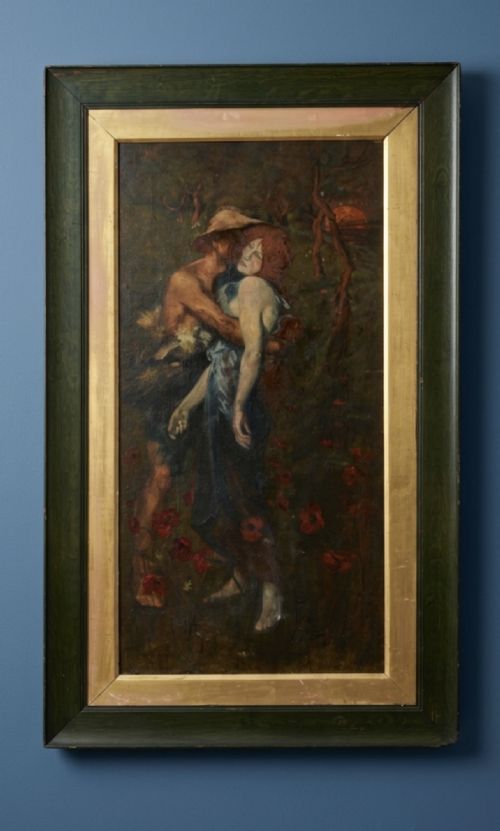
Works span diverse stylistic movements like academic realism, nineteenth-century romanticism, rococo revival, and art nouveau. Buyers often find both original compositions and period copies after established European painters.
Materials and technique
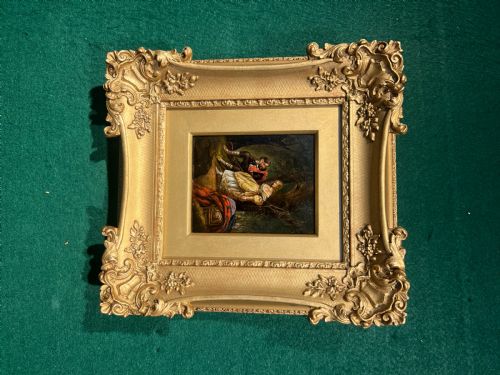
Painters utilised oil paint applied to stretched canvas substrates, allowing for rich colour blending, subtle tonal gradations, and intricate detail in drapery and flesh tones. Many works are housed in original or period frames constructed from wood, gesso, and giltwood.
Techniques range from tight academic precision found in nineteenth-century historical scenes to looser impressionist brushwork seen in later twentieth-century interpretations.
Classical Figurative Canvas Retail Price Guide 2026
Typical asking prices for classical figurative canvas among the pieces listed under this phrase on Sellingantiques today, from the lower quarter to the upper quarter. They describe what is for sale here now, not the wider market.
Materials recorded across the inventory include oil paint, canvas, gesso, and giltwood frames.
Defining quality
Quality rests upon the artist's command of anatomy, expressive gesture, and compositional balance within the figurative space. Superior examples display confident brushwork and depth of light, whereas lesser works show stiffness in posture or flat application of paint.
The handling of secondary elements, such as fabric textures, background architecture, and atmospheric lighting, distinguishes ambitious academy pieces from routine decorative studio production.
Alonso Perez·Sir Joseph Noel Paton·William Jones of Bath·Greiffenhagens·Renato Moretti·Jacob Akkersdijk·John A Monteith·Margaret Maitland Howard·Antoine Calbet·Friedrich von Kaulbach·Jean-Baptiste Joseph Pater·William Adolph Bouguereau·James Clark·Fernand Jean Barbier·Bartolome Murillo·Igor Talwinski·Willem Johannes Martens·Karel Frans Philippeau·Frederick Bartman·Robert Alexander Hillingford·Auguste Renoir·Arthur Heinrich Wilhelm Fitger·Jan Steen
The Classical Figurative Canvas Glossary
- Oil on pigment
- The traditional medium where ground pigments are suspended in a drying oil, typically linseed, allowing for slow blending and deep luminosity.
- Canvas
- A heavy woven fabric, usually linen or cotton, stretched tightly across a wooden frame to serve as the foundational support for oil paintings.
- Gesso
- A traditional white paint mixture consisting of a binder mixed with chalk, gypsum, or pigment, used to prepare wood and canvas surfaces.
- Giltwood
- Wood that has been coated with a thin layer of gold leaf or powder, commonly found on ornate antique picture frames.
- Academic realisim
- A style of painting produced under the influence of European academies of art, emphasising precise draftsmanship, classical subjects, and realistic rendering.
Classical Figurative Canvas: Frequently Asked Questions
What is a classical figurative canvas?
It is an oil painting on fabric depicting human subjects, mythological narratives, or historical scenes derived from classical traditions.
These artworks emphasise the human form and storytelling, often executed with traditional academic techniques across the eighteenth, nineteenth, and twentieth centuries.
How were these paintings displayed?
Historically, such artworks were framed in ornate giltwood and hung in country houses, drawing rooms, and academic galleries as focal points of interior decoration.
Today, they function similarly in domestic settings, adding historical weight and narrative interest to modern or traditional walls.
Are these works original or copies?
The selection includes both original compositions by listed artists and period copies after earlier masters.
Copies and works executed in the manner of renowned painters were common educational and commercial practices in nineteenth-century studios.
How do I identify the period?
Period indicators include the style of clothing, subject matter, stretcher construction, and canvas preparation methods.
Signatures, artist registry records, and framing styles also help date the work to specific decades such as the Victorian era or the early twentieth century.