






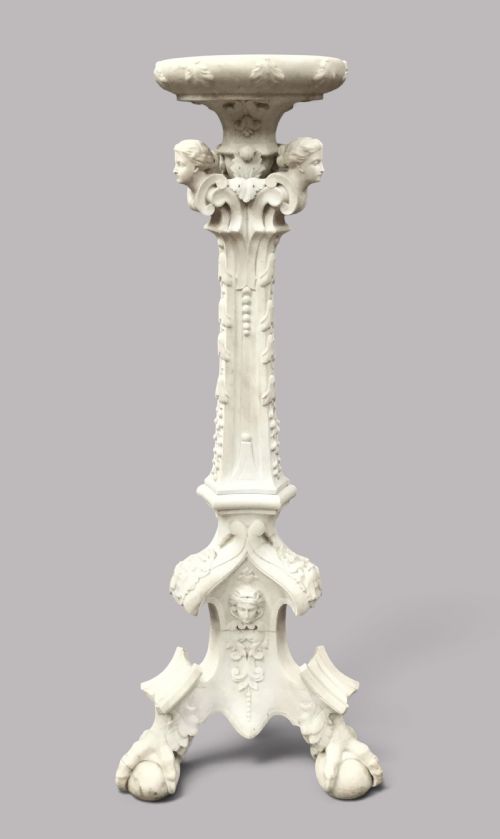


Classical Display Bust
A classical display bust sits upon these pedestals and columns, elevating sculpture and decorative arts with unmistakable architectural authority.
Classical Display Bust
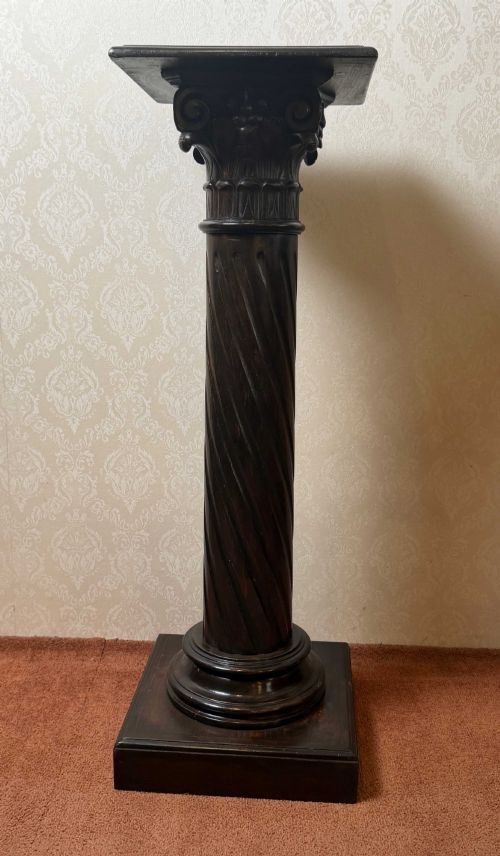
A classical display bust requires a fitting plinth, and these pieces provide the architectural elevation necessary for proper sculptural presentation. The selection encompasses tall columns, substantial pedestals, and torchere stands designed to carry weight with stability.
Most examples hail from the nineteenth century, including Victorian and late Georgian periods, alongside pieces from the nineteen-twenties and nineteen-thirties. Forms range from simple square columns to intricate pillar stands.
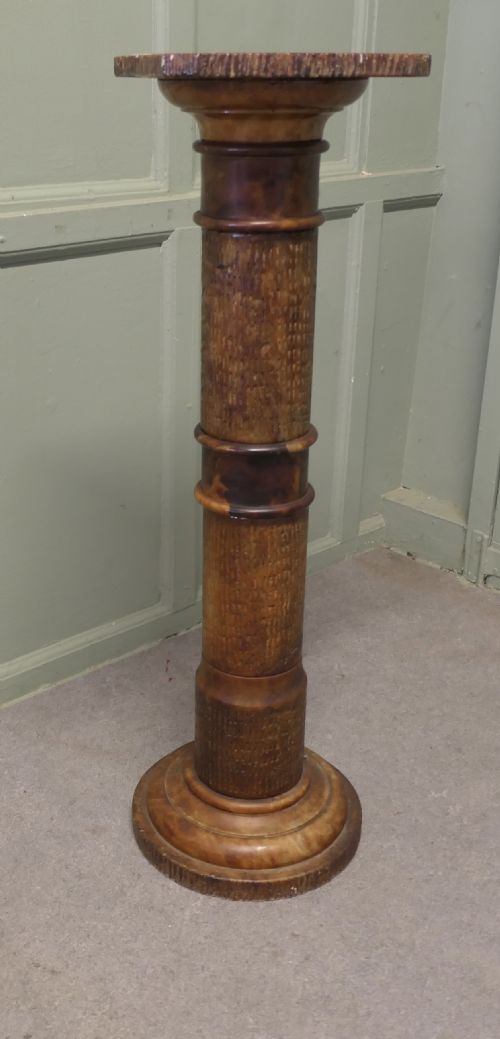
Materials span natural stone and timber, offering varied visual weight to suit different interior schemes. Buyers frequently encounter marble, onyx, mahogany, and rosewood formations supporting display needs.
Materials and construction methods
Makers utilised rich hardwoods such as mahogany and rosewood, often employing fine joinery and carving techniques to shape robust pillars and sculpture stands. Stained birch and inlaid details further demonstrate period cabinetmaking skills.
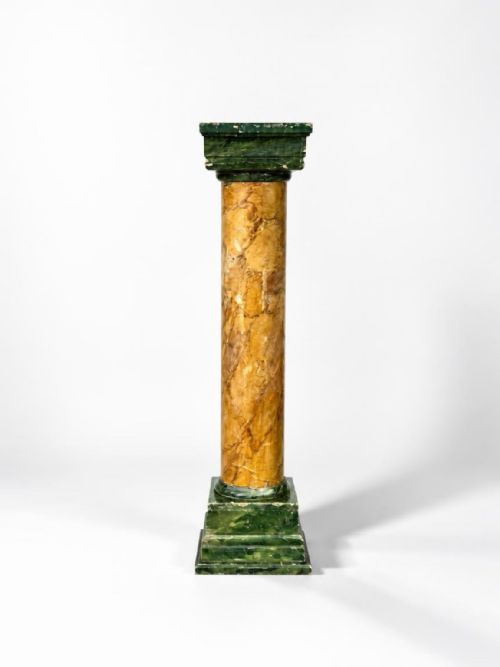
Stone elements involve carved marble, honey-coloured marble, and onyx, occasionally accented with cast metal collars in ormolu or gilt bronze. Scagliola and painted plaster provide simulated stone finishes on specific pedestals.
Classical Display Bust Retail Price Guide 2026
Typical asking prices for classical display bust among the pieces listed under this phrase on Sellingantiques today, from the lower quarter to the upper quarter. They describe what is for sale here now, not the wider market.
Distinctions in craftsmanship and finish
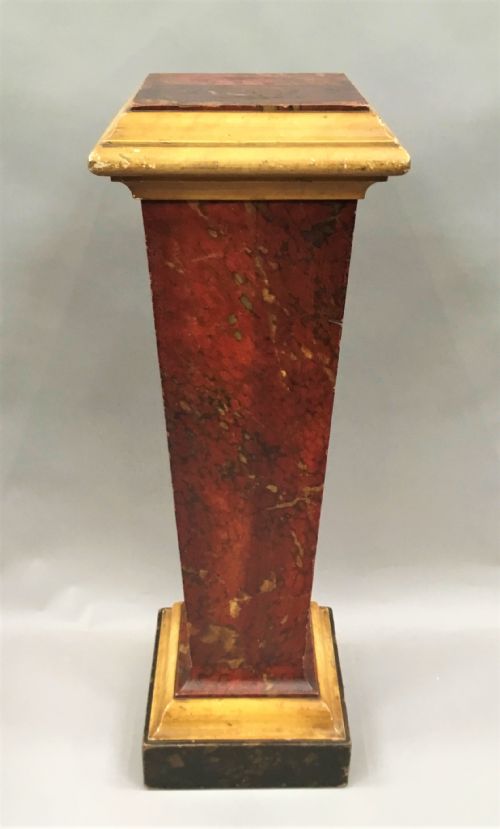
Superior examples demonstrate refined carving work, precise joinery, and the retention of original surface finishes, such as historic faux marble paintwork. The choice of solid materials like onyx and Carrara marble distinguishes high-grade supports from simpler plaster or scagliola alternatives.
Proportion and scale dictate the visual success of each column, with larger proportions demanding balanced weight distribution and sound structural integrity. Metal mounts in ormolu or gilt bronze add a layer of decorative refinement absent on plain timber pillars.
The Classical Display Bust Glossary
- Pedestal
- A support or base for a column, statue, or bust. It elevates decorative objects above floor level for better visibility.
- Torchere
- A tall stand or ornamental candlestick originally designed to carry a torch. In later periods, it functions as a display column for sculpture.
- Scagliola
- A composite material made from selenite, glue, and pigments, mixed to imitate marble and other stonework. It is applied to cores and polished to a hard finish.
- Ormolu
- Gilt bronze applications used for decorative mounts on furniture and pedestals. The technique involves applying a gold amalgam to bronze.
Classical Display Bust: Frequently Asked Questions
How do I date a pedestal?
Dating relies on identifying timber species, carving styles, and construction methods characteristic of periods such as the Regency or Victorian eras.
Surviving surface finishes, such as original faux marble paint or gilt bronze collars, also point to specific nineteenth-century manufacturing techniques.
Are these columns solid marble?
Some examples feature solid carved stones like Carrara marble or onyx, while others utilise alternative materials including scagliola and painted plaster.
Timber versions are constructed from dense hardwoods like mahogany, rosewood, and birch, sometimes enhanced with inlaid details.
How do I style a column?
Place a column in a corner or focal point of a room to support a bust, urn, or decorative sculpture.
Ensure the weight capacity and top surface area of the pedestal match the base of the object you intend to display.