



Classical Decor Statue
A classical decor statue brings ancient motifs and scholarly gravity into a room, offering the timeless dignity of marble, bronze, and porcelain.
Classical Decor Statue
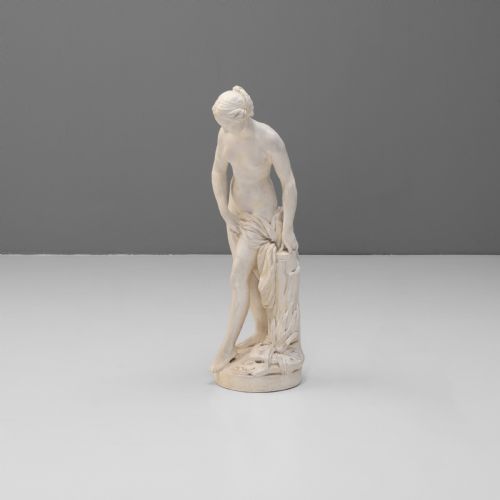
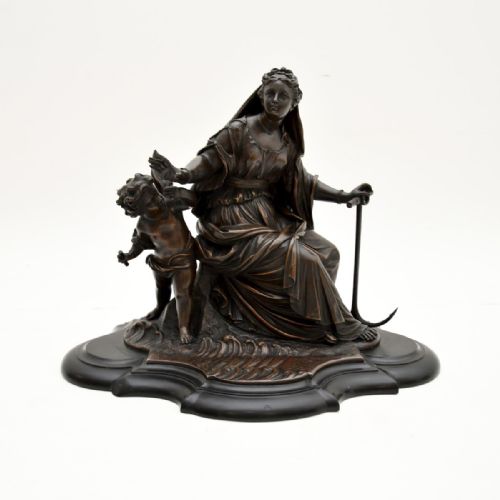
When you search for a classical decor statue, you encounter sculptures, busts, and figurines that draw directly upon antiquity, the Grand Tour, and later revivals. These pieces range from monumental pairs of carved lions to modest porcelain figures, bringing historical subjects into domestic spaces.
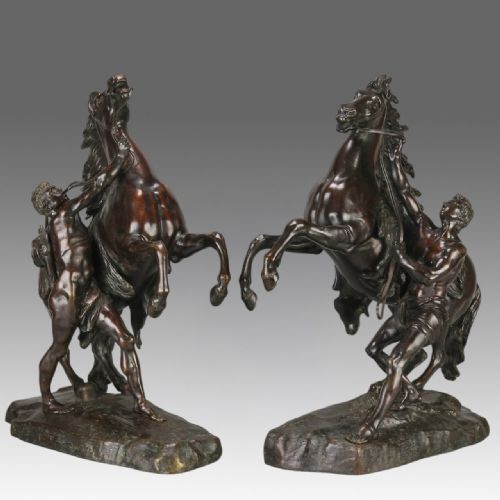
The versions you are most likely to meet on this page span the nineteenth and twentieth centuries, produced in styles such as Neoclassical, French Neoclassical, and Egyptian Revival. They reproduce famous subjects like the Marly Horses or classical philosophers using materials that mimic ancient prototypes.
Makers and sculptors referenced in the listings include Charles Crozatier and models after artists like Coustou and Joseph Gott. These works reflect both grand decorative schemes and the smaller cabinet bronzes favoured by nineteenth-century travellers.
How they were made
Bronze casting forms a primary method for these sculptures, often utilising the lost-wax technique or sand casting to achieve fine detail in subjects such as philosophers, horses, and historical figures. These bronzes are frequently paired with marble stands or socles to provide a stable, weighty base.
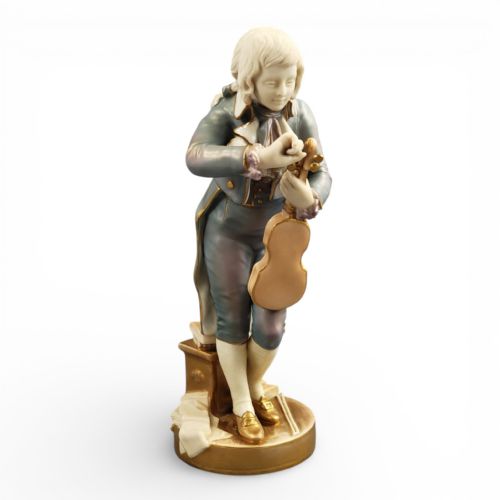
Carved marble and Sienna marble appear across busts, animal groups, and sculptural fragments, shaped through traditional masonry and chiselling techniques. Porcelain figures, such as those from Royal Worcester, involve slip casting, meticulous hand-painting with enamel, and application of gold leaf before kiln firing.
Classical Decor Statue Retail Price Guide 2026
Typical asking prices for classical decor statue among the pieces listed under this phrase on Sellingantiques today, from the lower quarter to the upper quarter. They describe what is for sale here now, not the wider market.
Among the classical philosophers and monumental lions, a lone bronze nostril from a horse statue reminds us that antique collections are full of wonderfully specific fragments.
What varies in quality
The refinement of the casting and the crispness of the chisel work separate the top of the range from ordinary production. Superior bronzes retain sharp muscle definition, clear facial expressions, and complex patination, whereas lesser examples show softened details and hasty finishing.
The choice of materials and the integrity of the composition dictate overall distinction, particularly in marble components where natural veining and smooth polishing enhance the visual weight of a bust or animal group. Signed works by established founders or modellers carry additional authority.
Charles Crozatier·Royal Worcester·Coustou·Joseph Gott
The Classical Decor Statue Glossary
- Grand Tour
- A traditional trip through Europe undertaken by upper-class young men in the eighteenth and nineteenth centuries to study classical art and architecture. Souvenirs from these journeys included small bronzes and marble carvings.
- Neoclassical
- A Western cultural movement starting in the mid-eighteenth century that drew inspiration from the art and culture of classical antiquity. It prioritises symmetry, restraint, and heroic subjects.
- Patina
- A thin layer that naturally or artificially forms on the surface of bronze through oxidation and age. Collectors value stable patinas for their depth of colour and historical resonance.
- Socle
- A short plinth or pedestal used as a support for a bust or statue. It elevates the sculpture and provides a formal architectural base.
- Egyptian Revival
- An architectural and decorative style that incorporates the motifs and imagery of ancient Egypt. It gained popularity following nineteenth-century archaeological discoveries.
Classical Decor Statue: Frequently Asked Questions
What is a classical decor statue?
A classical decor statue is a sculpture, bust, or figurine that adopts the aesthetic vocabulary of ancient Greece and Rome or later revivals like the Grand Tour. These pieces range from large bronze animal groups to small porcelain figures.
They serve primarily as decorative objects that introduce historical narratives and formal academic subjects into home interiors, reflecting centuries of European artistic tradition.
How were nineteenth-century bronzes cast?
Nineteenth-century bronzes were typically produced using either the lost-wax method or sand casting, depending on the foundry and the complexity of the subject. Molten bronze was poured into moulds to capture fine anatomical details and textures.
After cooling, artisans chased the surface with tools to sharpen lines and applied chemical patinas to achieve dark brown, green, or black finishes before mounting the bronze on marble bases.
How do I identify a Grand Tour bronze?
Grand Tour bronzes are usually reduced-scale copies of famous ancient statues encountered by travellers in Italian museums and archaeological sites during the nineteenth century. They often feature rich, aged patinas and heavy marble or slate plinths.
Subjects commonly include famous classical sculptures like the Discophorus or philosophical busts, created as portable souvenirs for collectors of classical antiquities.