



Classical Carved Cabinet
A classical carved cabinet brings architectural presence and rich timber grain to a room, offering both display space and concealed storage.
Classical Carved Cabinet
A classical carved cabinet encompasses bookcase forms, bedside tables, sideboards, and side cabinets spanning the eighteenth and nineteenth centuries.
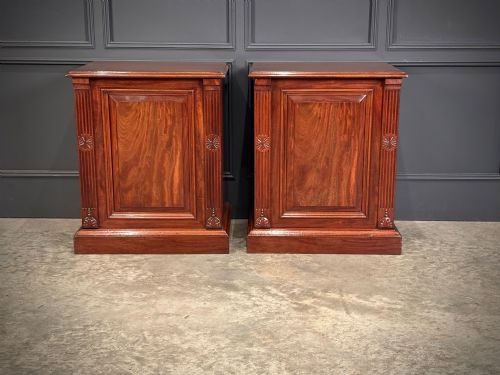
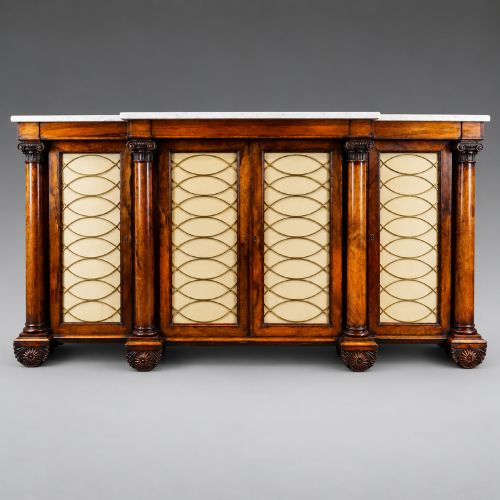
The versions most commonly met on this page include mahogany bedside cabinets, walnut sideboards, and open bookcases displaying Regency and Victorian influences.
These pieces draw on architectural forms, Italian styles, and French neoclassical details to create substantial functional furniture.
How they were made
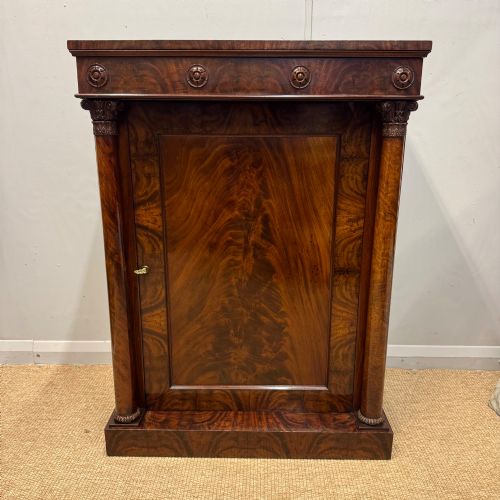
Construction relies heavily on timbers such as mahogany and walnut, frequently selected for striking flame grain patterns.
Maker execution incorporates brass mounts, marble tops, and detailed wood carving to define the classical silhouette.
Classical Carved Cabinet Retail Price Guide 2026
Typical asking prices for classical carved cabinet among the pieces listed under this phrase on Sellingantiques today, from the lower quarter to the upper quarter. They describe what is for sale here now, not the wider market.
Listings feature eighteenth and nineteenth-century periods, incorporating mahogany, walnut, brass, and marble materials across various bookcase and cabinet forms.
What varies in quality
Distinction across the range rests on the crispness of the carved detail and the selection of timber veneers.
The integration of architectural proportions and secondary materials like ormolu or brass distinguishes standard joinery from finer examples.
The Classical Carved Cabinet Glossary
- Ormolu
- Gilt-bronze decorative mounts applied to furniture. This technique adds metallic contrast to timber surfaces.
- Flame mahogany
- A distinct wood veneer grain pattern resembling flickering flames. It is chosen for its decorative visual impact.
- Secretaire
- A desk cabinet featuring a pull-down writing drawer. It combines storage with a hidden writing surface.
- Pedestal sideboard
- A large dining room storage base flanked by pedestals. These often incorporate classical architectural columns or pilasters.
Classical Carved Cabinet: Frequently Asked Questions
Where should I place a side cabinet?
These cabinets suit dining rooms, hallways, or living spaces where surface display and enclosed storage are both required.
Their substantial timber presence works best against neutral walls that allow the carved details and grain to stand out.
How do I identify a Regency piece?
Regency items often display clean classical proportions inspired by ancient Greek and Roman architecture.
Look for specific elements like mahogany timber, brass detailing, and architectural cornices characteristic of the early nineteenth century.
What is a cabinet on stand?
A cabinet on stand is a two-part furniture form featuring an upper storage box raised on a separate support structure.
This elevation lightens the visual weight of heavy timbers like walnut and creates a more sculptural silhouette.
How do I care for mahogany veneer?
Keep mahogany furniture away from direct sunlight and sudden temperature changes to prevent the veneer from drying out or splitting.
Dust regularly with a soft dry cloth and avoid silicone-based polishes that can build up on the antique finish.