
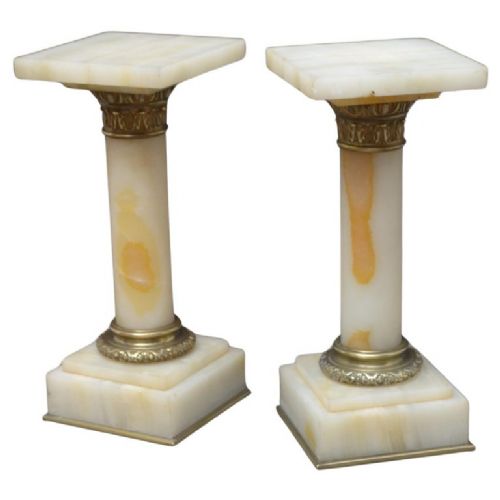


Classical Bronze Column
A classical bronze column brings enduring architectural authority to an interior, functioning as a lamp, a pedestal, or a mount for a timepiece.
Classical Bronze Column
When you search for a classical bronze column, you encounter architectural supports, lighting bases, and display plinths drawn from nineteenth-century workshops and revival periods. The selections span French Empire, Regency, and neoclassical idioms, reflecting a sustained fascination with antiquity.
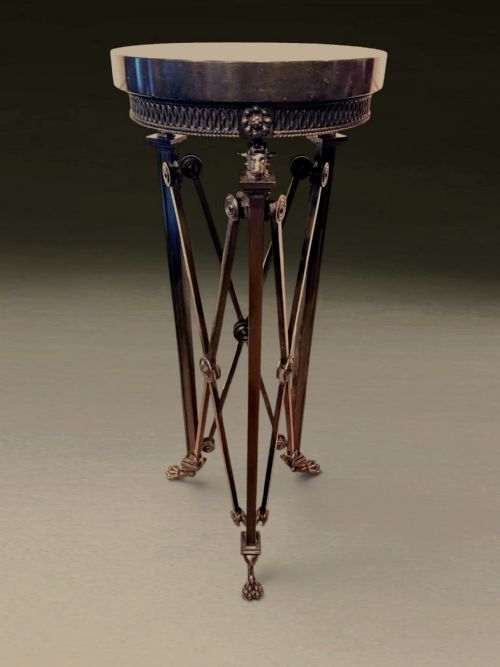
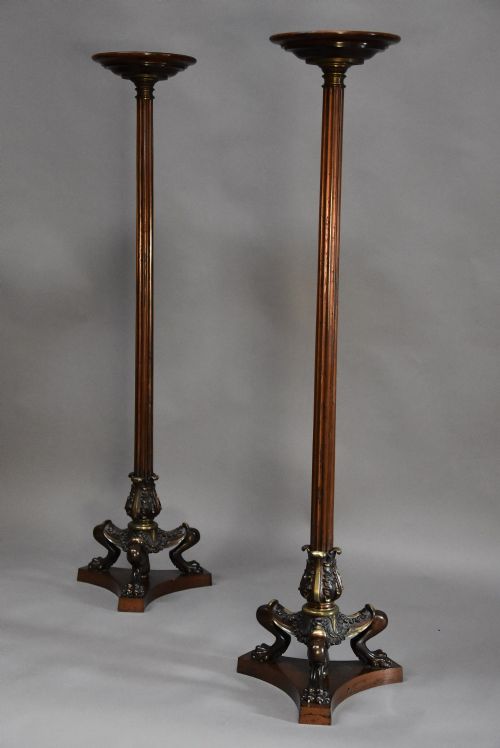
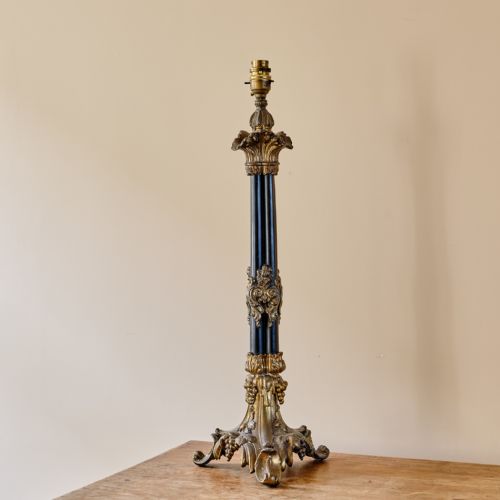
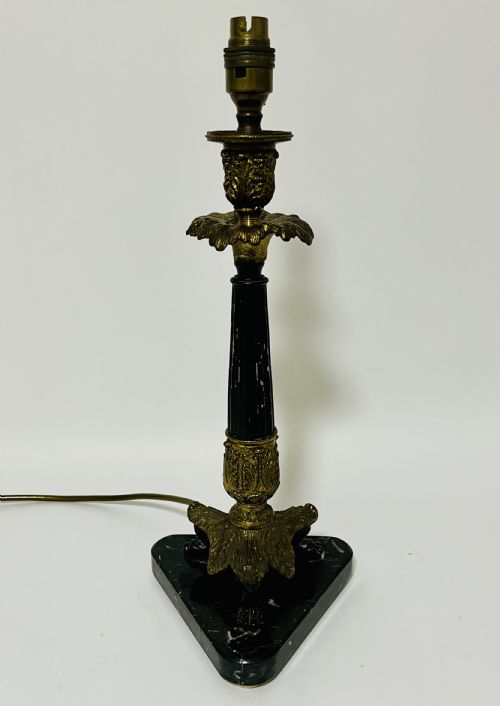
The most common forms on this page include table lamps, candlesticks, and freestanding pedestals or torcheres. These pieces frequently combine cast metal columns with contrasting materials like marble, onyx, or mahogany.
Origins lean heavily toward French ateliers, alongside English Regency designs and later Victorian interpretations. Objects range from modest tabletop candlesticks to tall floor-standing display columns.
How they were made
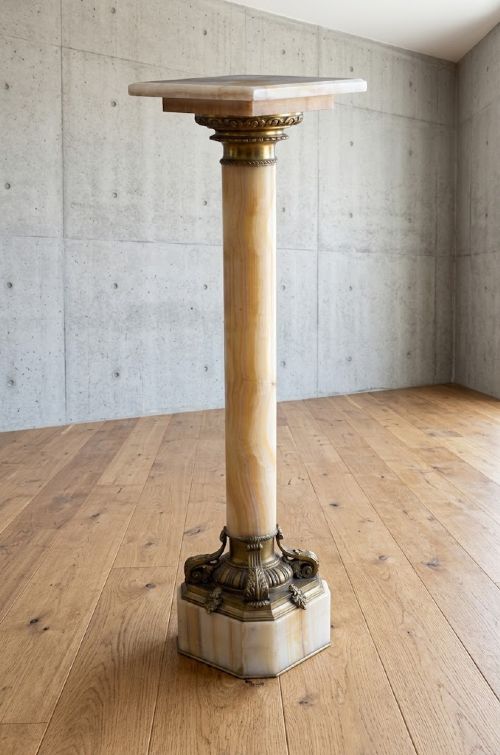
Maker workshops cast columns in bronze or brass, often applying fire gilding or ormolu mounts to enrich the surface detail. Metal components combine with turned stone sections such as marble or onyx, secured by internal threaded rods.
Many items incorporate mahogany or cut crystal elements alongside metal shafts, particularly in domestic lighting and portico clocks. Patination is achieved through chemical treatments or natural ageing on the exposed metal.
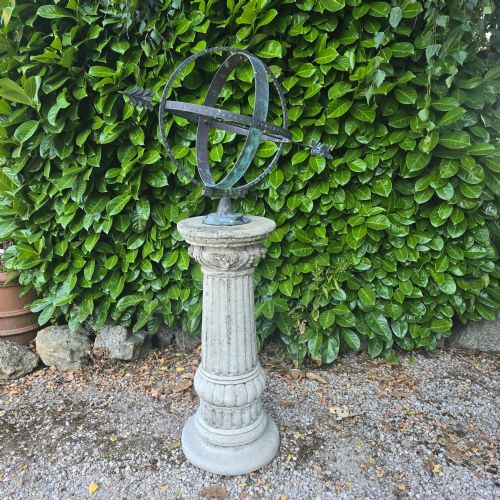
Musical cherubs occasionally cast in bronze share space with austere architectural columns and sundials.
What varies in quality
Quality rests in the crispness of the cast ornamentation and the integration of mixed media. Finer examples show sharp relief on capitals and bases, where chasers have hand-finished the raw metal after casting.
The choice and density of the stone matter significantly, with dense marbles and unblemished onyx elevating a pedestal or lamp base. Structural stability and the precise alignment of internal components also separate standard production from superior workshop output.
Philippes Paris·Humphrey Hopper·George Smith·Thomas Hope
The Classical Bronze Column Glossary
- Ormolu
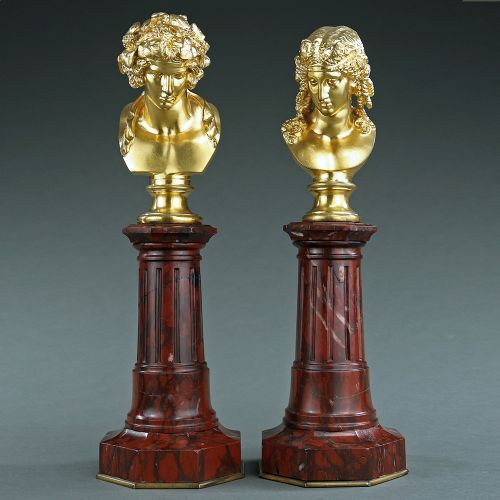
- Gilded bronze produced by applying a mercury and gold amalgam to a bronze base and heating it. This technique creates a durable, golden surface common in French neoclassical decorative arts.
- Torchere
- A tall stand or floor lamp designed to hold a light source. These pieces frequently take the form of slender classical columns.
- Portico clock
- A mantel clock housed within a architectural frame resembling a classical portico. Columns support the upper entablature above the dial.
- Neoclassical
- A style drawing inspiration from the art and architecture of classical antiquity. It emphasises symmetry, proportion, and classical orders.
- Patina
- The surface sheen and coloration developed on metal through age and handling. Original patination is valued for its depth and historical character.
Classical Bronze Column: Frequently Asked Questions
How were classical columns used in historic interiors?
Historically, these items served as architectural supports, display stands for busts and urns, or elevated lighting sources in grand reception rooms. Their proportions derived directly from ancient temple architecture.
Over time, many taller examples were adapted into standard lamps or torcheres to accommodate modern domestic lighting while retaining their classical silhouette.
How do I identify a Regency period piece?
Regency items typically display austere classical lines influenced by Greek and Roman archaeology, often incorporating dark patinated bronze with bright ormolu mounts. Look for restrained ornamentation and specific stylistic references to designers of that era.
Evidence in these listings shows Regency pieces frequently utilising heavy bronze casting alongside mahogany or supportive stone bases.
Where should I place a column pedestal at home?
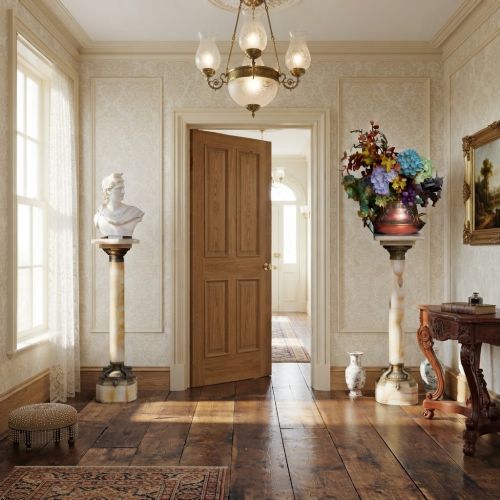
Pedestals and torcheres suit corners, entrance halls, or flanking positions beside fireplaces where they can support sculptures, clocks, or lamps without obstructing movement. Their verticality draws the eye upward, adding a sense of scale to a room.
Ensure the floor surface is level and the weight distribution is stable, particularly when placing heavier marble or bronze items on historic timber flooring.
What is the difference between ormolu and plain bronze?
Ormolu refers specifically to gilded bronze, where a layer of gold is bonded to the metal surface to produce a bright, golden finish. Plain bronze relies on the natural alloy or applied chemical patination for its dark brown or greenish tone.
Many classical columns combine both finishes, using gilt highlights on capitals and bases to contrast against the dark shaft of the column.