


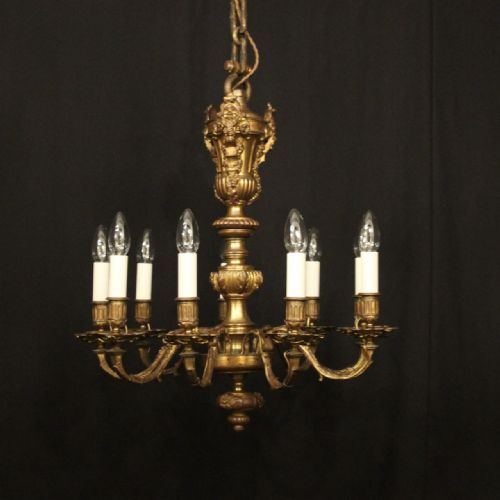


Classical Bronze Ceiling Fitting
A classical bronze ceiling fitting brings substantial weight and period presence to a room, offering enduring metalwork shaped by French design traditions.
Classical Bronze Ceiling Fitting
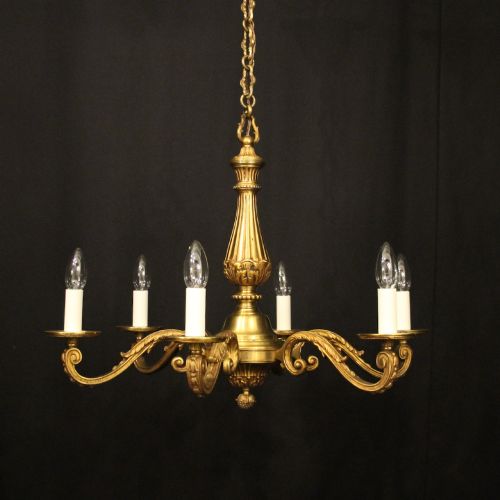
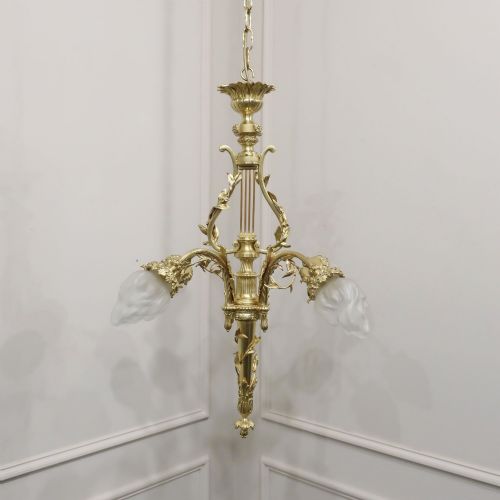
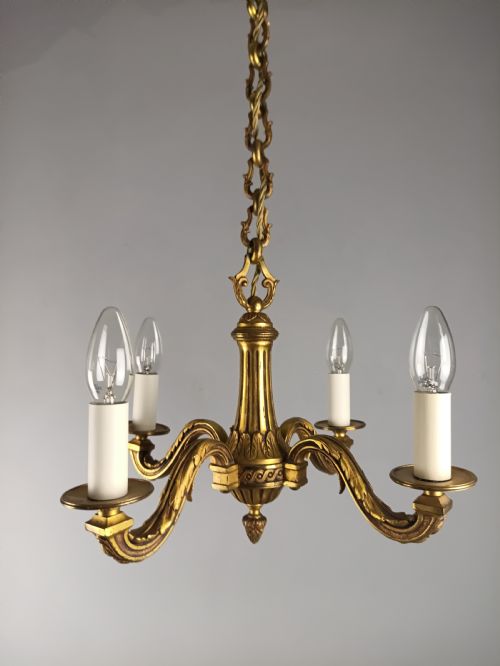
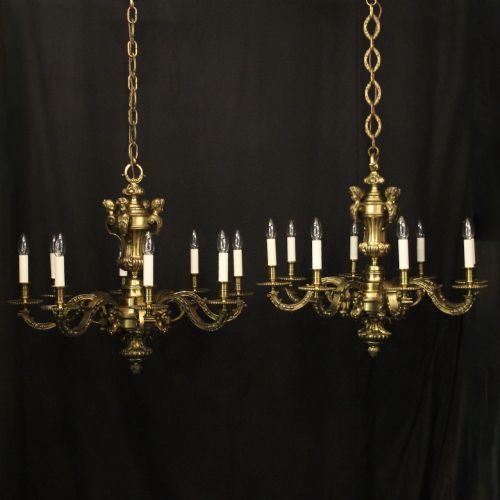
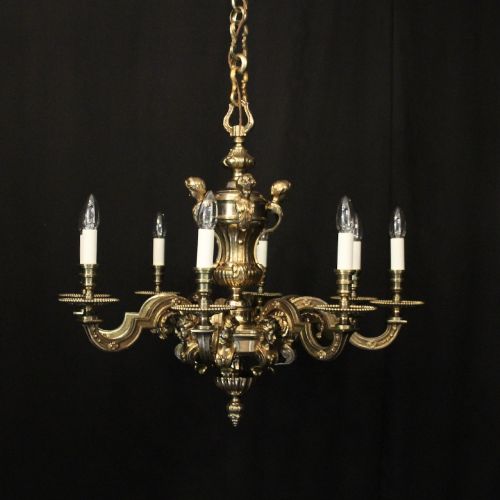
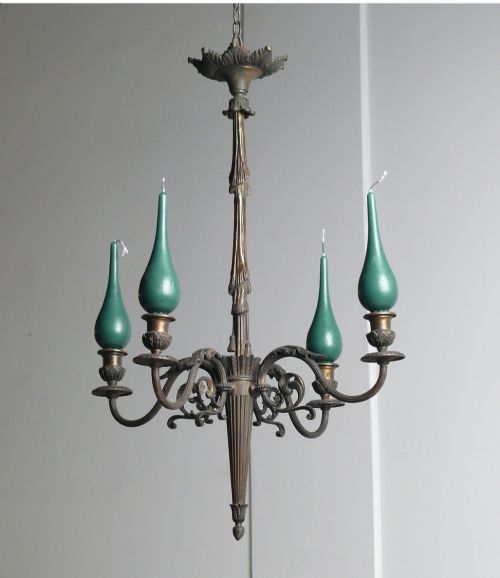
A classical bronze ceiling fitting comprises substantial French chandeliers and hall lanterns designed to illuminate grand interiors with multiple light branches. These pieces span the nineteenth century through the nineteen-thirties, reflecting stylistic revivals from Empire to Baroque Palladian.
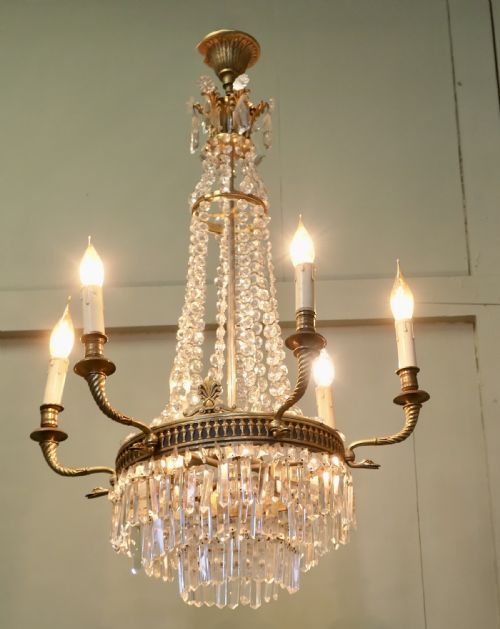
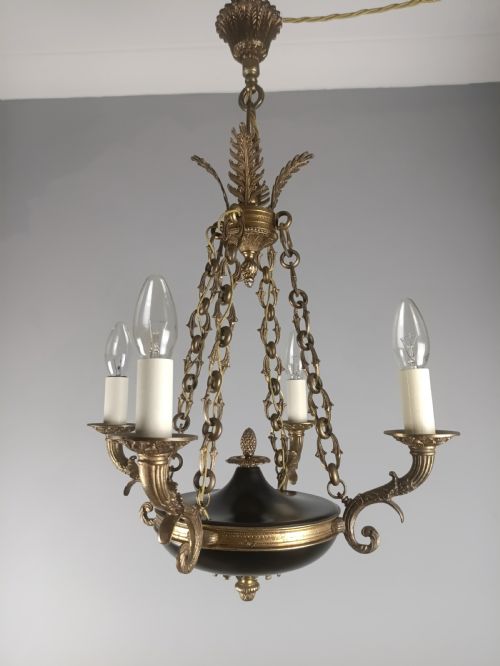
The buyer most frequently encounters multi-light chandeliers featuring gilt bronze, gilded bronze, or patinated bronze alongside crystal drops. Forms range from smaller four-light fixtures to large double-tiered arrangements and tent and waterfall configurations.
How they were made
Maker workshops utilised cast bronze and brass to build heavy structural frameworks, often employing gilding techniques to coat the metal in gold leaf or wash. Cast bronze elements were chased and finished by hand to sharpen decorative motifs.
Glass and crystal components were integrated into the metal armature, hanging from frames in waterfall designs or surrounding the central structure. Silver gilded finishes and patinated treatments provided varied surface appearances depending on the specific nineteenth or twentieth-century aesthetic.
Several heavy chandeliers require strong ceiling joists rather than standard plasterboard support.
What varies in quality
Quality separates fixtures by the crispness of the bronze casting and the depth of the hand-chasing on decorative mounts. Finer examples display intricate relief work and heavier metal gauge rather than flat, repetitive stamping.
The integration of crystal elements and the integrity of the original gilt or patinated surface define the upper tier of these chandeliers. Superior pieces maintain harmonious proportions across multi-tiered frames and balanced arm placements.
The Classical Bronze Ceiling Fitting Glossary
- Gilt bronze
- Bronze coated with a layer of gold. This finish provides a bright metallic sheen that resists tarnishing over decades.
- Ormolu
- A historical term for gilded bronze mounts used in decorative arts. It describes the application of ground gold amalgamated with mercury.
- Tent and waterfall
- A chandelier configuration featuring strings of crystal beads forming a tent shape above a tiered cascade of drops. This arrangement disperses light through numerous glass surfaces.
- Patinated bronze
- Metal treated to produce a specific surface colour or dark oxide coating. This finish highlights sculptural contours without gold leaf.
- Baroque Palladian
- A classical architectural style adapted into lighting fixtures with heavy symmetrical ornamentation. It draws on seventeenth-century European design principles.
Classical Bronze Ceiling Fitting: Frequently Asked Questions
How do I clean a bronze chandelier?
Dust the metal gently with a soft brush and avoid harsh chemical cleaners that strip historical finishes.
Crystal elements can be washed individually in warm soapy water before being dried and re-hung on the frame.
Are these fittings wired for modern electricity?
Many antique fixtures have been rewired for contemporary electrical standards during their history in homes.
Buyers should inspect the internal wiring of any ceiling fitting with a qualified electrician prior to installation.
How do I distinguish French Empire style?
French Empire pieces incorporate classical military motifs, laurel wreaths, and clean architectural lines derived from Napoleonic design.
They often utilise heavy cast bronze with contrasting bright gilt and dark patinated surfaces.
What is the difference between bronze and brass?
Bronze is an alloy primarily of copper and tin, while brass combines copper and zinc in its composition.
Both metals appear across these ceiling fittings, with bronze typically offering a heavier and richer base for historical gilding.