







Classical Bronze Art
Classical bronze art brings figures, mythology and lighting into interiors through cast metal work from the nineteenth and early twentieth centuries.
Classical Bronze Art
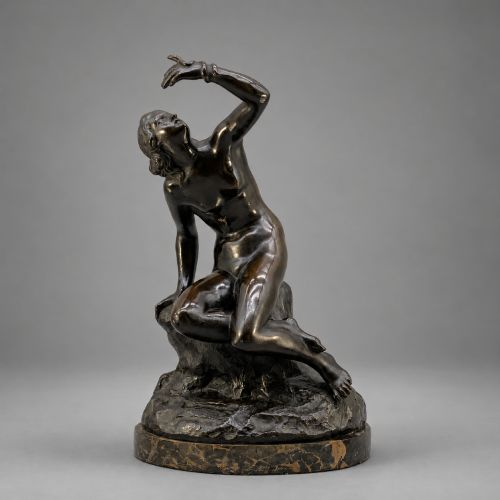
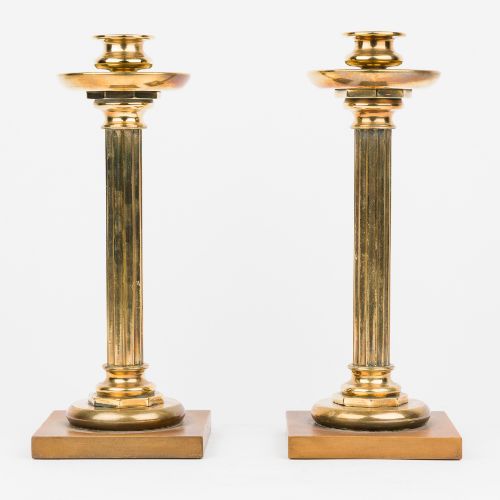
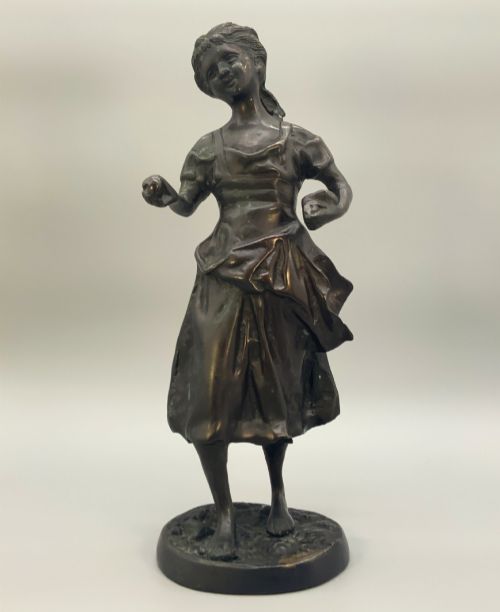
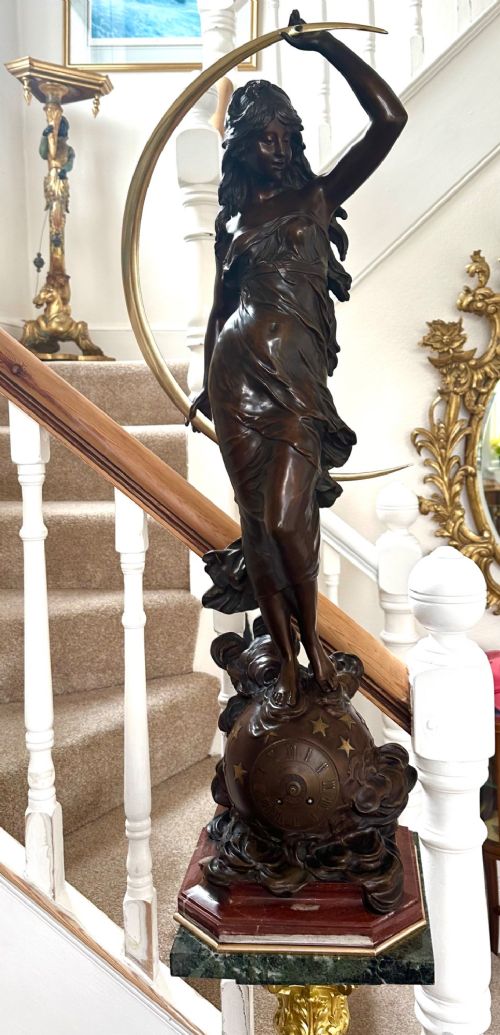
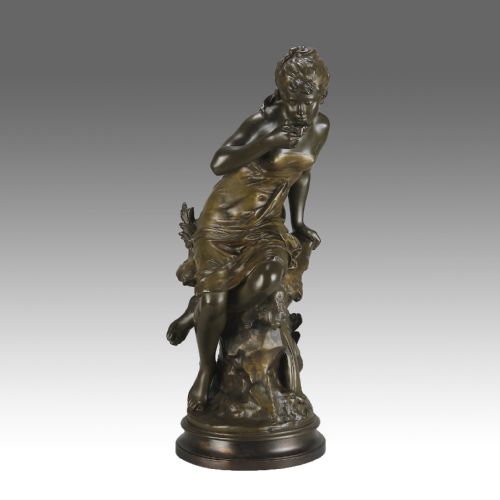
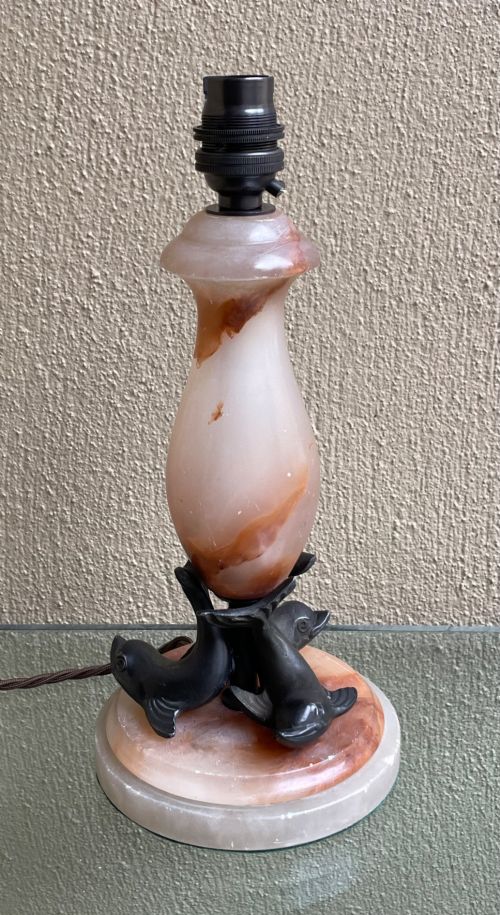
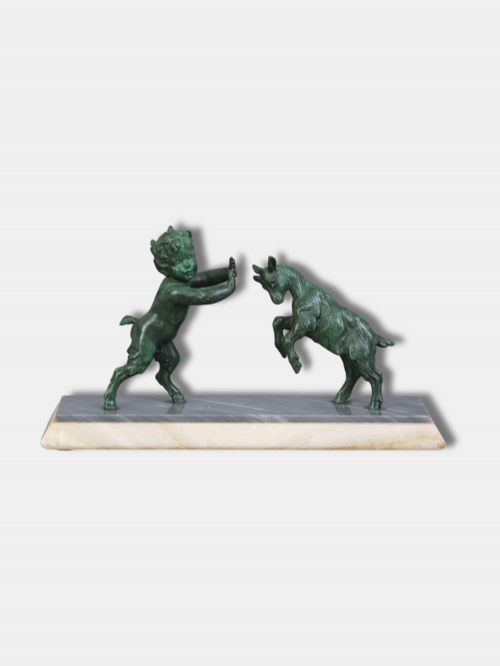
Classical bronze art encompasses sculptural figures, table lamps, wall reliefs and candlesticks created during the nineteenth and early twentieth centuries. These objects frequently draw upon mythological figures, allegories and natural forms, rendered in solid cast metal.
French foundries dominate the selection, producing works designed for domestic display on mantelpieces, tables or architectural brackets. Figures range from small cabinet bronzes to substantial table lamp bases.
The aesthetic bridges several distinct design movements, moving from nineteenth-century academic realism and Victorian naturalism into flowing Art Nouveau curves and geometric Art Deco styling.
Materials and construction methods
Surface treatments play a vital role in defining the appearance of each piece, utilising chemical patination to achieve dark brown, green or golden tones. Some works introduce silvered bronze or patinated metal highlights to create depth and texture across the clothing and accessories of the figures.
Classical Bronze Art Retail Price Guide 2026
Typical asking prices for classical bronze art among the pieces listed under this phrase on Sellingantiques today, from the lower quarter to the upper quarter. They describe what is for sale here now, not the wider market.
Listings feature works spanning the nineteenth century through the 1930s, encompassing Victorian academic studies and Art Deco lighting.
Assessing quality in bronze work
Quality rests upon the crispness of the chasing and finishing work completed after casting, where skilled artisans sharpened details lost in the mould. Substantial weight and balanced proportions distinguish superior sculptural pieces from lighter commercial reproductions.
The sophistication of the patination process separates exceptional works from basic examples, with nuanced colour layering providing a life-like warmth to skin and fabrics. Signature placement and foundry marks further indicate professional studio production rather than anonymous factory output.
Maurice Giraud-Rivière·Moreau Family·Emile Carlier·Mathurin Moreau·Aurore Onu·C J R Colinet·E. Villanis·Edouard Drouot·Julien Lorieux·Georges-Charles Coudray·Auguste Moreau·Antonio Merente·Justo de Gandarias·Hector Lemaire·Aristide Maillol·Sir Thomas Brock·Hans Müller·Ernst Barrias·Antonin Mercié·Albert Hussmann·Maurice Bouval
The Classical Bronze Art Glossary
- Patina
- A thin chemical layer on the surface of bronze caused by oxidation or applied treatments. This finish protects the metal and creates deep brown, green or black colouration.
- Lost-wax casting
- A traditional manufacturing method where a wax model is melted from a mould and replaced with molten bronze. This technique permits intricate undercuts and fine sculptural detail.
- Chasing
- The manual process of refining a raw metal casting using chisels and hammers. Artisans use this step to sharpen textures and remove casting seams.
- Spelter
- A zinc-based alloy commonly used as an economical alternative to bronze. It accepts metallic paints and patinas to resemble heavier cast metals.
Classical Bronze Art: Frequently Asked Questions
How do I distinguish solid bronze from spelter?
Solid bronze offers a noticeably heavier weight and a resonant sound when tapped gently, whereas spelter feels lighter and more brittle. Examining the underside or unpainted areas often reveals the paler grey metal beneath a surface patination.
Bronze develops a stable natural oxidation over time, while older spelter frequently exhibits flaking paint or powdery surface degradation around stress points.
What is the best way to clean antique bronze?
Dusting gently with a soft, dry microfibre cloth is sufficient for routine maintenance. Avoid chemical cleaners, abrasive polishes or water, which can strip away the original historical patina.
Applying a very light coat of microcrystalline wax occasionally helps protect the metal surface from atmospheric moisture without altering its colour.
Why are marble bases used on bronze figures?
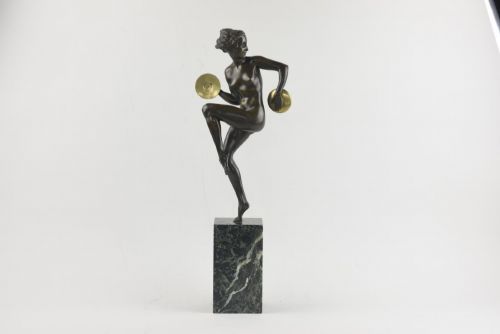
Marble or alabaster bases provide a stable, weighted footing that prevents tall or dynamic sculptural compositions from tipping over. The dense stone anchors the upward or outward movement of figures like dancers and athletes.
From an aesthetic perspective, the contrasting colours and smooth polished surfaces of marble frame the dark patinated metalwork effectively.
How can I tell Art Nouveau bronzes from Art Deco pieces?
Art Nouveau bronzes feature organic, flowing lines inspired by natural forms, plant stems and drapery. The figures often depict mythological maidens, nymphs or flowing hair.
Art Deco works rely on geometric precision, stylised symmetry and streamlined silhouettes, frequently capturing dynamic movement in modern dancers and athletes.