


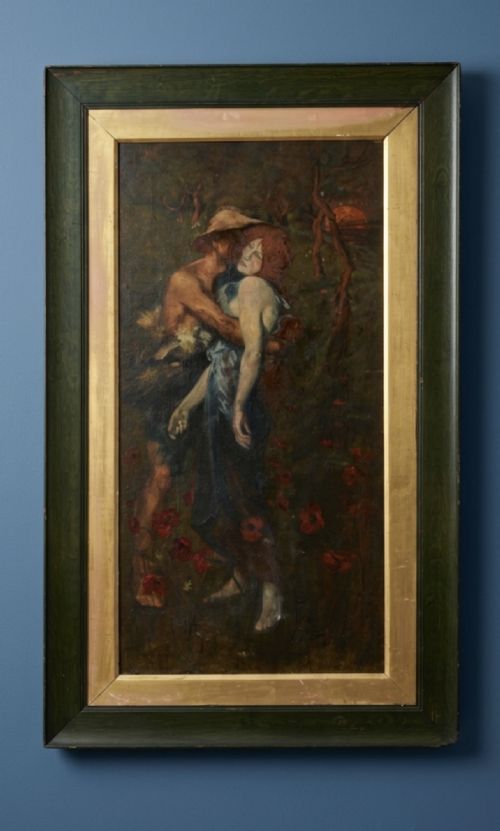

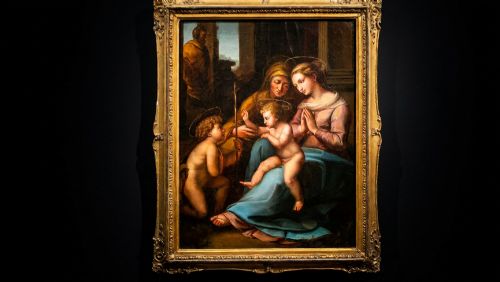


Classical Art Copy
These classical art copy works bring centuries of master painters into your home through skilled oil on canvas interpretations.
Classical Art Copy
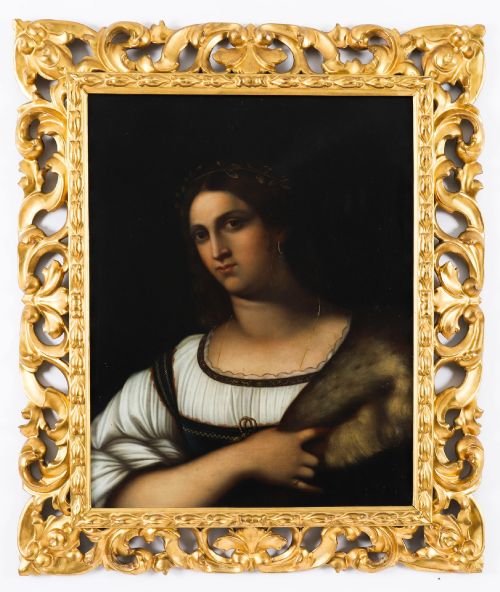
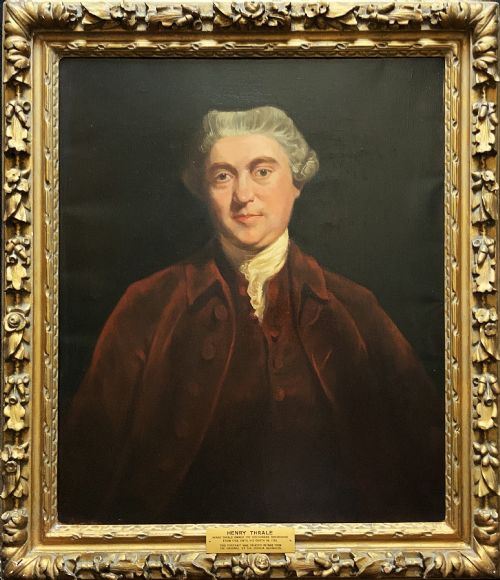
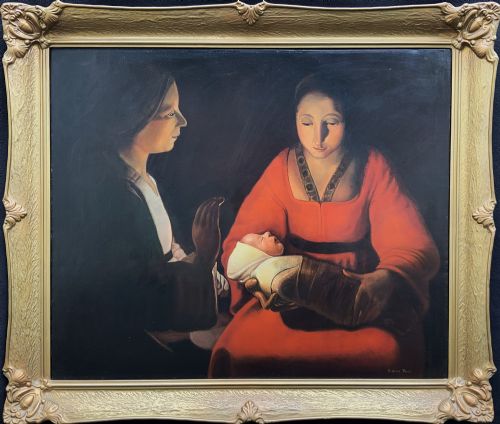
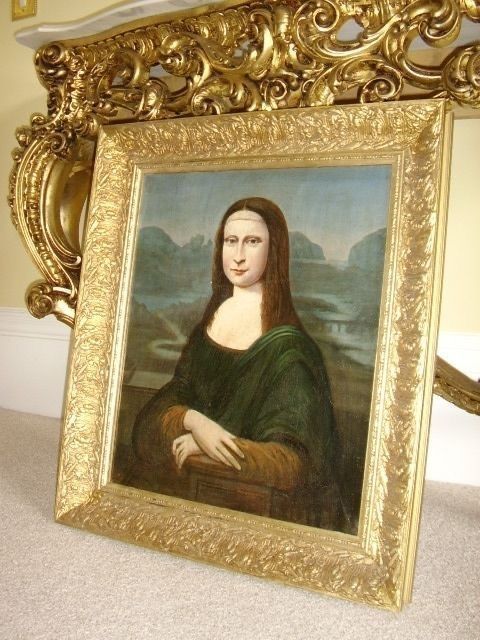
A classical art copy represents historic paintings translated onto canvas by artists working across the eighteenth, nineteenth, and early twentieth centuries. These works mirror famous compositions by masters such as Raphael, Leonardo da Vinci, and Sir Joshua Reynolds.
The selections available here lean heavily toward nineteenth-century oil paintings and eighteenth-century examples. Subjects span religious iconography like the Madonna and Child alongside notable Renaissance portraits.
Buyers seeking these pieces typically want the visual impact of museum masterpieces scaled for domestic interiors. The examples on this page deliver traditional portraiture and narrative scenes executed in oil paint.
Materials and construction
Artists painted these interpretations using oil paint on canvas, often stretched over wooden supports. Giltwood and gilded wood frames frequently house the artwork, adding traditional ornamentation.
Makers applied layers of oil pigment to achieve the depth and luminosity seen in the original museum pieces. Canvases vary in scale from intimate portraits to large wall art.
Classical Art Copy Retail Price Guide 2026
Typical asking prices for classical art copy among the pieces listed under this phrase on Sellingantiques today, from the lower quarter to the upper quarter. They describe what is for sale here now, not the wider market.
Even Raphael would likely double-take at how many times his Madonna ended up gazing out from nineteenth-century living rooms.
Assessing quality in a classical art copy
Original frames of giltwood contribute significantly to the overall integrity of the piece. The harmony between the canvas surface and its period housing dictates the standing of the work.
The Classical Art Copy Glossary
- Oil on Canvas
- Pigments bound in a drying oil medium applied to a woven fabric surface stretched across a wooden frame. This primary material combination defines the majority of works on this page.
- Giltwood
- Timber treated with gold leaf or a gold-coloured metallic finish. Frames built from this material surround many classical art copy pieces.
- Renaissance Revival
- An artistic movement looking back to the forms of fifteenth and sixteenth-century Europe. Several paintings on this page draw directly from this aesthetic.
- Baroque Revival
- A style emulating the dramatic lighting and rich detail of seventeenth-century art. Works of this nature often feature high contrast and expressive movement.
Classical Art Copy: Frequently Asked Questions
What is a classical art copy?
A classical art copy is an oil painting created by an artist reproducing a well-known historical masterpiece. These works allow collectors to own interpretations of museum-scale art.
The examples on this page date primarily from the eighteenth and nineteenth centuries, capturing subjects ranging from Renaissance portraits to religious scenes.
How old are these paintings?
The pieces shown span several hundred years, with notable representation from the eighteenth and nineteenth centuries through to the early twentieth century. Each work reflects the painting techniques of its specific period.
Datings derive from stylistic evidence and frame construction contemporary to the creation of the copy itself.
Where should I hang a large oil painting?
Large oil paintings require sturdy wall fixings to support the combined weight of the canvas, wooden stretcher, and often heavy giltwood frame. Placing them away from direct sunlight protects the oil pigments from fading.
Generous wall space in reception rooms or hallways suits these substantial formats best.
How do I identify the original artist being copied?
Most listings identify the source painter within the title, referencing masters such as Raphael, Leonardo da Vinci, or Peter Paul Rubens. Inscriptions on the reverse of the canvas sometimes provide further clues.
Comparing the composition to known museum works confirms the specific source painting.