



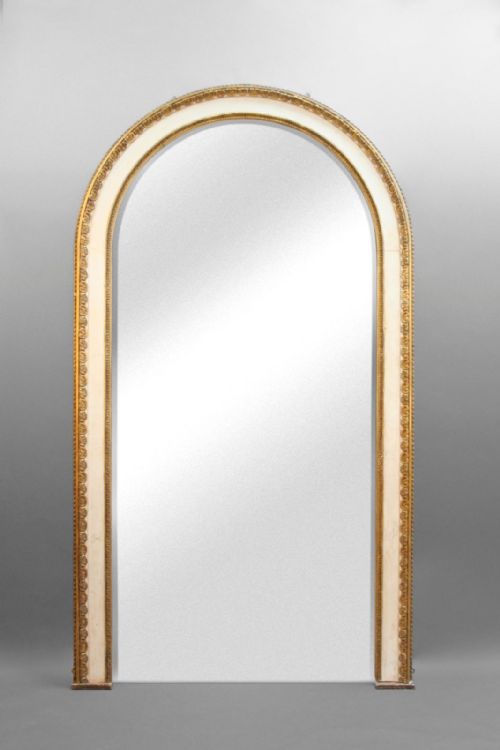


Classical Arch Mirror
A classical arch mirror brings architectural presence and reflected light into a room, shaped by Victorian craftsmanship and nineteenth-century design.
Classical Arch Mirror
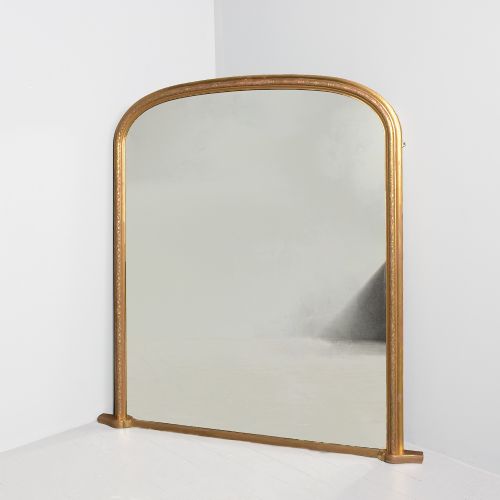
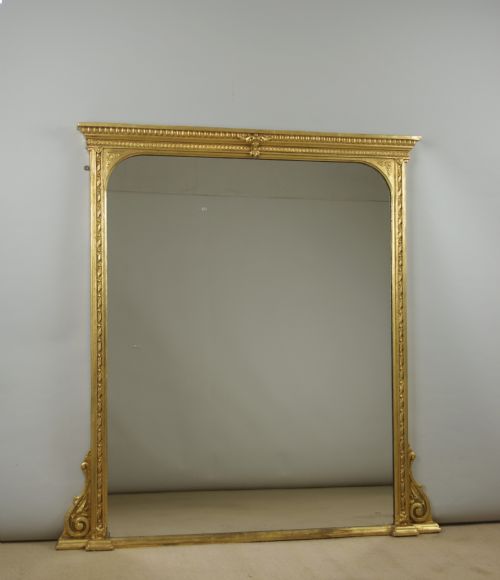
A classical arch mirror provides a distinct architectural focal point, most commonly seen in the form of nineteenth-century overmantel mirrors and large wall mirrors. These pieces originate from the Victorian period, with notable examples spanning the decades from eighteen-fifty to eighteen-eighty, alongside nineteenth-century French and neoclassical interpretations.
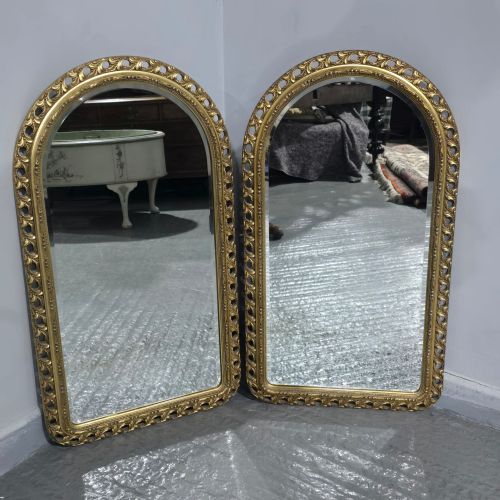
The dominant format on this page is the large overmantel mirror designed to sit above a fireplace, frequently featuring an arched or shaped top. Alongside these grand proportions, the selection includes pier hall mirrors and mahogany-framed wall mirrors that demonstrate the broader scope of nineteenth-century mirror production.
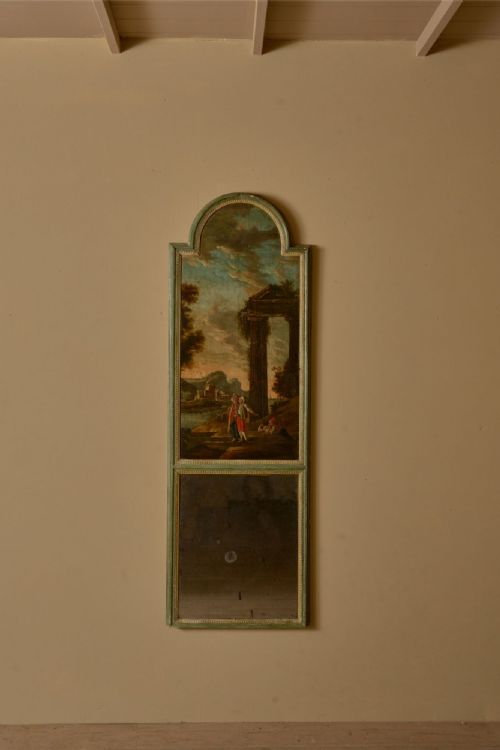
Geographical origins vary across English, Irish country house, and continental traditions, encompassing both restrained neoclassical designs and more ornate Victorian classical revivals. Buyers encounter pieces defined by architectural pediments, rope twist frames, and figurative cresting such as putti.
How they were made
Frames are constructed from wood, carved wood, and cast iron, serving as the structural foundation for the glass. Carved wooden elements are frequently finished with gesso and gold leaf or composition to achieve a gilded surface.
Giltwood and partial gilt treatments dominate the aesthetic, applied over carved wood and gesso substrates to catch and reflect light within nineteenth-century interiors. Mirror glass is set within these heavy frames, sometimes complemented by black highlights or rope twist mouldings.
Classical Arch Mirror Retail Price Guide 2026
Typical asking prices for classical arch mirror among the pieces listed under this phrase on Sellingantiques today, from the lower quarter to the upper quarter. They describe what is for sale here now, not the wider market.
Materials documented across the inventory include glass, gesso, giltwood, wood, gold leaf, mirror glass, gilt wood, and composition.
What varies in quality
Quality in a classical arch mirror lies in the depth and crispness of the carving upon the wood and gesso. Superior examples display sharply defined architectural details and intricate cresting, whereas lesser pieces rely on simpler moulded composition.
The scale and ambition of the frame also set pieces apart, distinguishing grand overmantels intended for country houses from standard domestic wall mirrors. The integrity of the original gilding and the preservation of the mirror glass contribute significantly to the standing of an individual piece.
The Classical Arch Mirror Glossary
- Overmantel mirror
- A large mirror specifically proportioned to hang on the wall directly above a mantelpiece or fireplace. These pieces often feature arched tops to follow the architectural lines of chimney breasts.
- Gesso
- A plaster-like material applied to wood frames as a smooth base for subsequent gilding or painting. It allows craftsmen to create intricate low-relief ornamentation.
- Giltwood
- Timber that has been coated with gold leaf or gold paint. It provides a luminous surface that enhances the decorative impact of nineteenth-century frames.
- Pier hall mirror
- A tall, narrow mirror designed to fit on the wall space between windows or doors. They often incorporate decorative consoles or shelves.
- Neoclassical
- A style drawing inspiration from the classical art and architecture of ancient Greece and Rome. It emphasises symmetry, straight lines, and classical motifs.
Classical Arch Mirror: Frequently Asked Questions
Where should I hang a classical arch mirror?
These mirrors suit chimney breasts where their arched forms echo architectural proportions and draw the eye upward.
They also function effectively in hallways or principal rooms to reflect natural light and create a sense of extended space.
How do I identify a Victorian mirror?
Victorian mirrors often employ materials like carved wood finished with gesso and gold leaf, framed with distinctive architectural arches.
They frequently manifest in styles such as classical revival and neoclassical, dating from the mid to late nineteenth century.
What is the difference between a wall mirror and an overmantel mirror?
Overmantel mirrors are traditionally larger and proportioned explicitly to sit above fireplaces within principal reception rooms.
Standard wall mirrors span a wider variety of domestic sizes and framing materials, including mahogany and cast iron.
How should I care for a giltwood frame?
Giltwood and gesso surfaces require gentle dusting with a soft, dry cloth to protect the delicate gold leaf application.
Avoid liquid cleaners and moisture, which can damage the historical gesso base and lift the gilding from the wood.