




Classic Yellow Gold Ring
A classic yellow gold ring brings enduring warmth to the hand, offering traditional wedding bands, sparkling diamond solitaires and vibrant gemstone clusters.
Classic Yellow Gold Ring
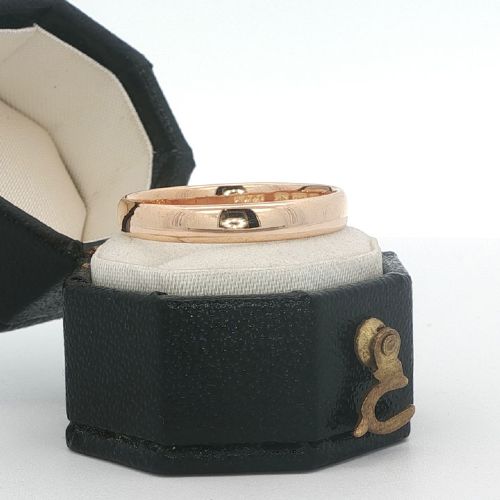
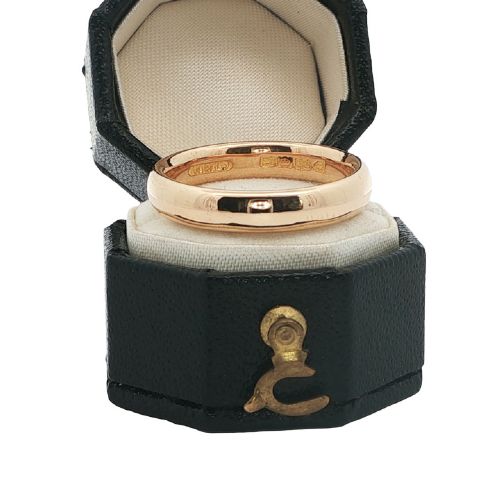
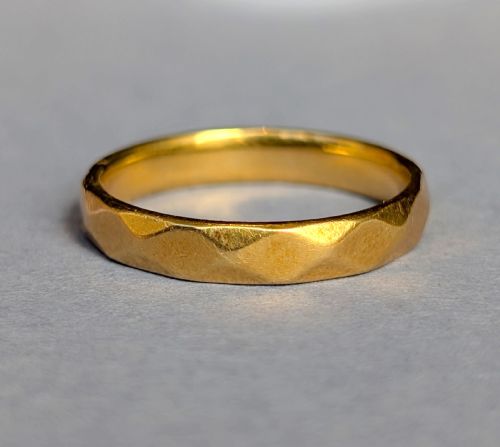
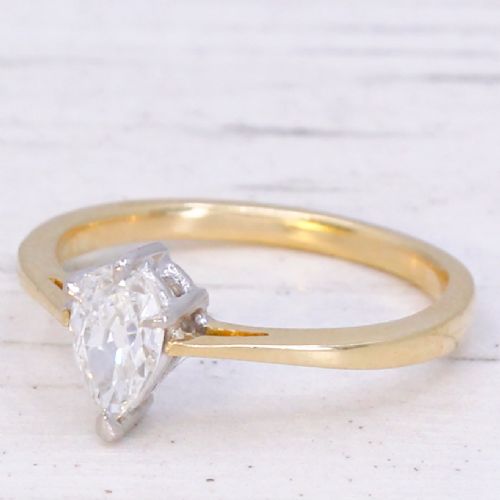
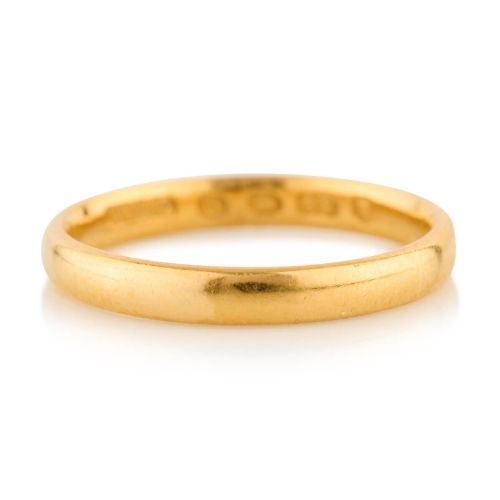
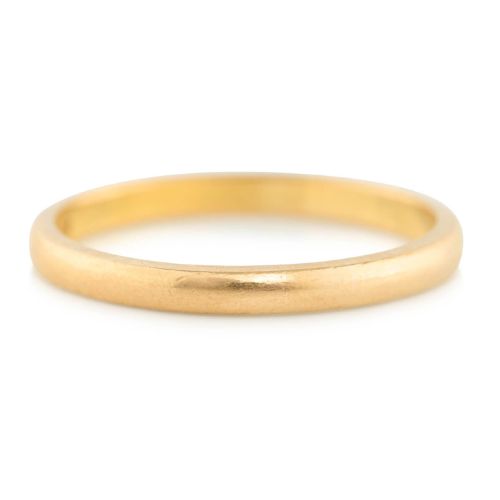
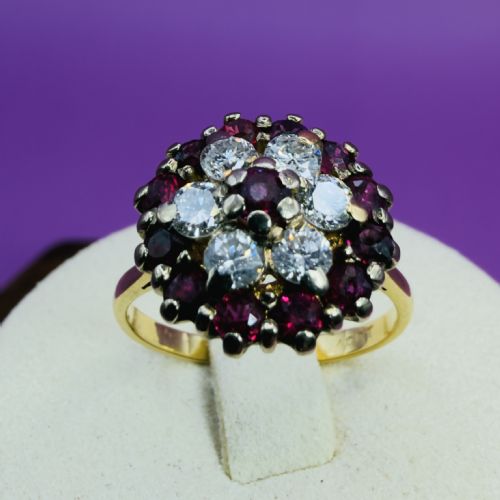
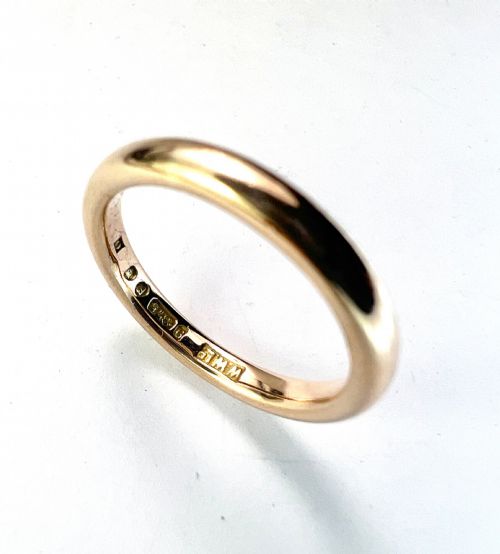
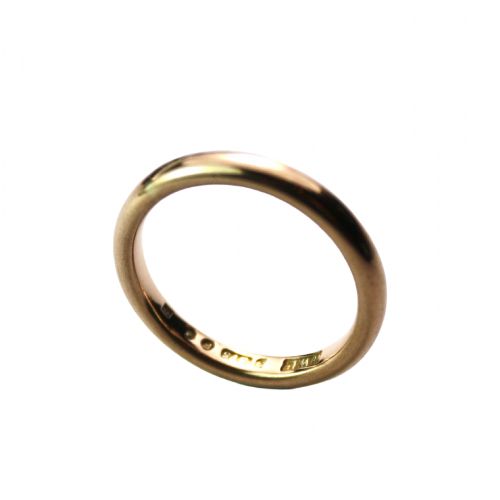
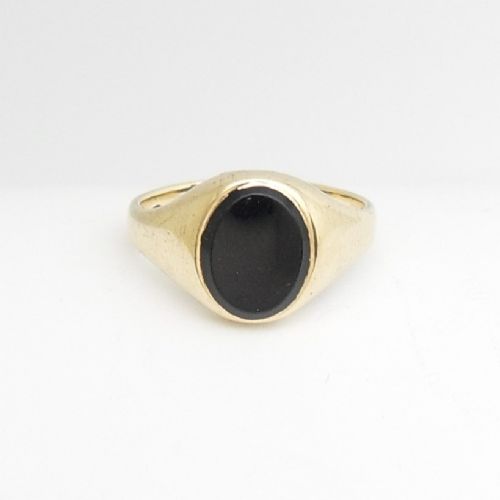
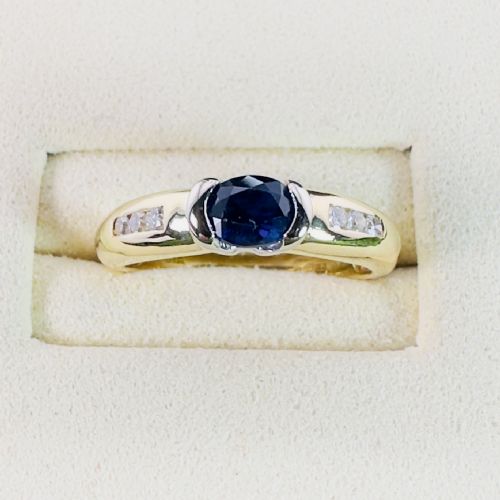
A classic yellow gold ring spans plain wedding bands and gemstone set engagement or dress rings spanning the Edwardian era through the mid-twentieth century. The selection ranges from substantial twenty-two carat plain bands to intricate eighteen carat cluster and trilogy designs holding diamonds, rubies, sapphires, and emeralds.
Plain wedding bands in twenty-two carat or eighteen carat gold appear frequently alongside engagement rings featuring old cut diamonds or coloured stones set in yellow gold and platinum. Mid-century examples sit alongside earlier twentieth-century pieces, showing traditional British craftsmanship from periods such as the nineteen-thirties and nineteen-fifties.
How they were made
Goldsmiths utilised high-purity twenty-two carat gold for traditional plain wedding bands, whilst structural eighteen carat yellow gold and platinum combinations provided robust settings for diamond solitaires, cluster rings, and multi-stone trilogy designs.
Gemstones including old cut diamonds, rubies, sapphires, and Colombian emeralds were secured in claw, bezel, or cluster arrangements, often paired with platinum to enhance the brilliance of white stones against yellow gold shanks.
The listings span gold purities from nine carat up to twenty-two carat, alongside platinum and diamond combinations dating from nineteen hundred to the mid-twentieth century.
What varies in quality
The standard of a piece depends on the weight and purity of the gold, alongside the clarity and cut of set gemstones such as old pear cut diamonds or emeralds. Heavier twenty-two carat bands retain their structural integrity better over decades of daily wear than lighter nine carat alternatives.
Design complexity and stone matching also separate standard rings from finer examples, particularly in multi-stone cluster and trilogy configurations where uniform stone size and secure setting work determine the overall refinement.
W. E. D. L
The Classic Yellow Gold Ring Glossary
- Solitaire
- A ring featuring a single central gemstone, most commonly a diamond set in gold or platinum. This classic mounting places full visual emphasis on the quality of one stone.
- Trilogy ring
- A ring set with three stones, traditionally symbolising the past, present and future. These frequently combine diamonds with rubies or sapphires in an eighteen carat gold mount.
- Cluster ring
- A design grouping a central gemstone surrounded by a border of smaller stones, such as diamonds encircling a ruby, sapphire or emerald. This arrangement maximises visual impact and sparkle.
- Half eternity ring
- A band set with a continuous line of small gemstones across the upper half of the ring. They are often chosen to mark anniversaries and pair well with traditional wedding bands.
- Hallmark
- An official stamp applied to precious metal items indicating the purity of the gold, the assay office, and often the year of manufacture. British hallmarks provide reliable dating evidence for antique and vintage jewellery.
Classic Yellow Gold Ring: Frequently Asked Questions
How do I measure my ring size?
Ring sizes are measured using standard letters or numbers that correspond to the inner circumference of the band. A local jeweller can accurately determine your precise size using a metal sizing mandrel.
When buying vintage bands, note that thicker twenty-two carat wedding rings can occasionally feel tighter on the finger than narrow bands of the same stated size.
Can antique yellow gold rings be resized?
Most solid gold bands and gemstone rings can be altered by a skilled jeweller who adds or removes a small section of metal from the shank. Plain twenty-two carat wedding bands are particularly straightforward to adjust.
Care must be taken with rings featuring delicate side stones, channel settings, or full eternity designs, as altering the band can disturb the security of the gemstones.
What is the difference between antique and vintage rings?
Antique jewellery generally refers to pieces over a century old, encompassing Edwardian and early twentieth-century designs from the nineteen-hundreds and nineteen-tens. Vintage pieces typically date from the nineteen-twenties through to the mid-century period and beyond.
Both categories display distinct manufacturing techniques and hallmark styles that distinguish them from modern mass-produced jewellery.
How do I care for a vintage gold ring?
Clean your gold ring periodically using warm water, mild soap, and a soft brush to remove everyday oils and debris from gemstone settings. Avoid exposing softer stones like emeralds or opals to harsh chemical cleaners or ultrasonic machines.
Store pieces individually in soft pouches to prevent softer gold shanks and gemstones from scratching against one another in a jewellery box.