
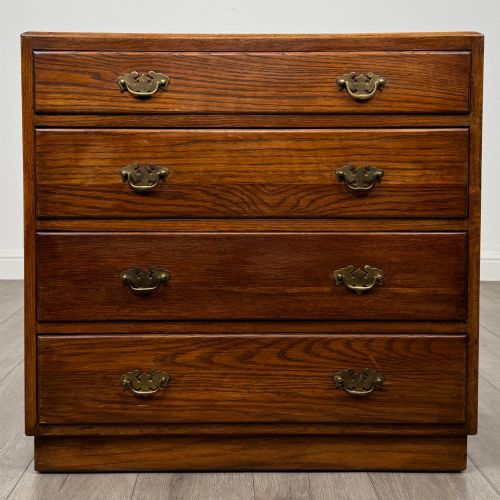
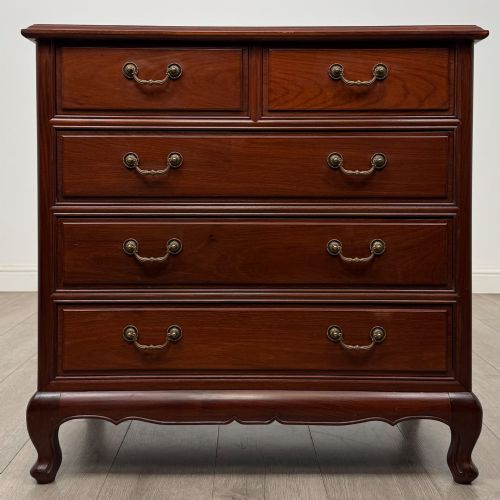
Classic Wooden Drawers
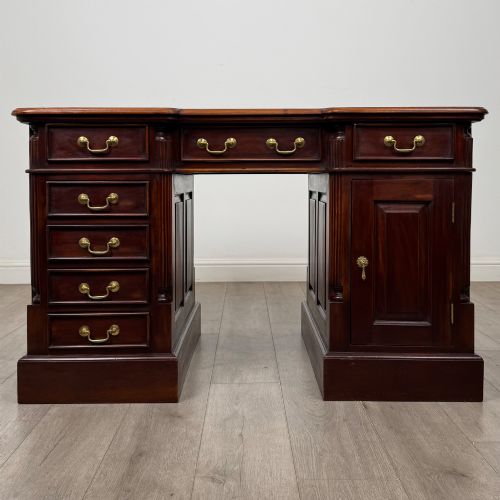
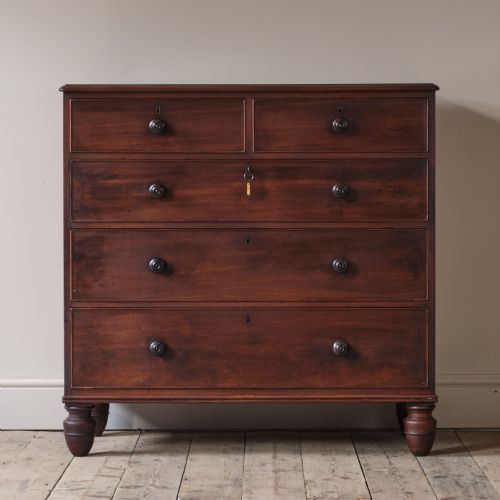
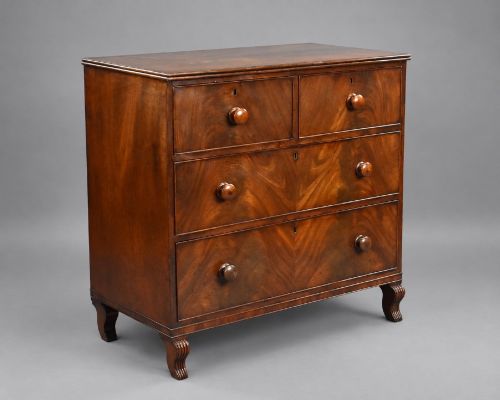
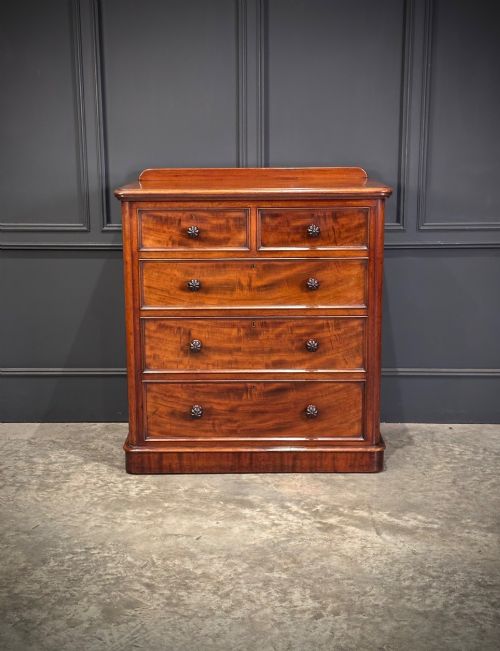
Classic wooden drawers encompass chest of drawers and desk forms built from mahogany, pine, and walnut across Georgian to Edwardian periods.
Classic Wooden Drawers
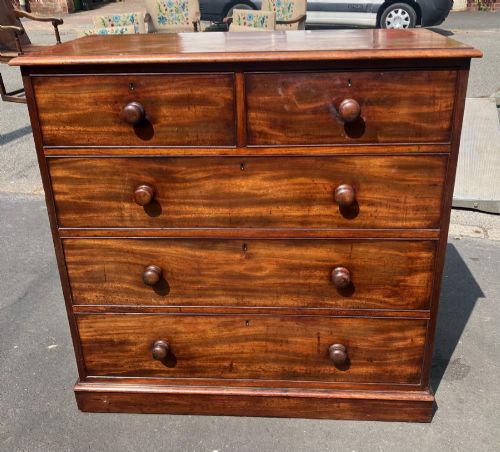
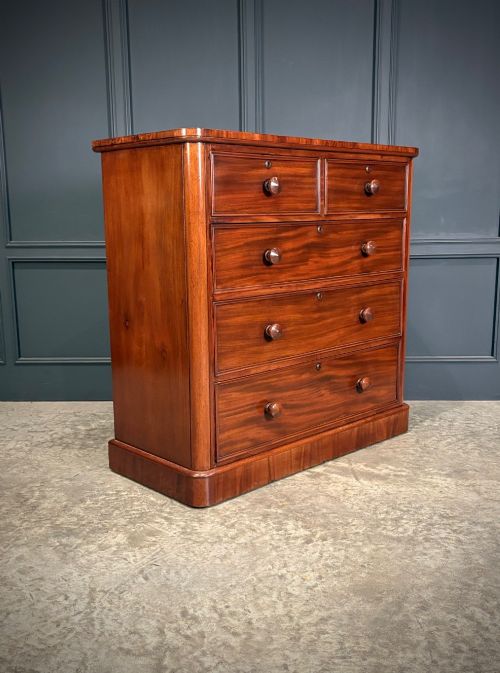
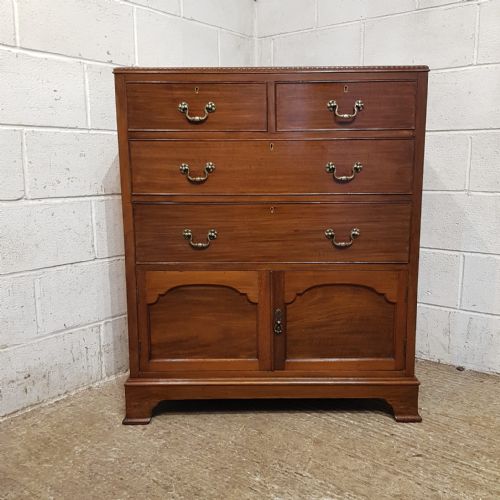
Classic wooden drawers primarily take the form of chest of drawers, chests of drawers, desks, and dressers spanning the 18th century to the Edwardian era. A buyer examining this page encounters pieces originating from Georgian, Regency, Victorian, and Edwardian periods.
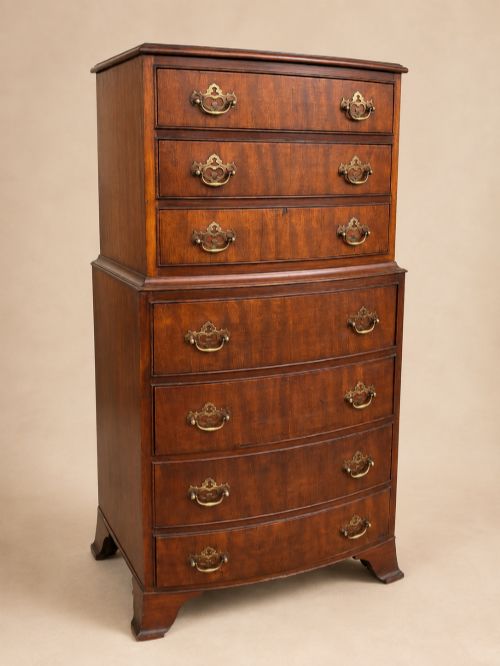
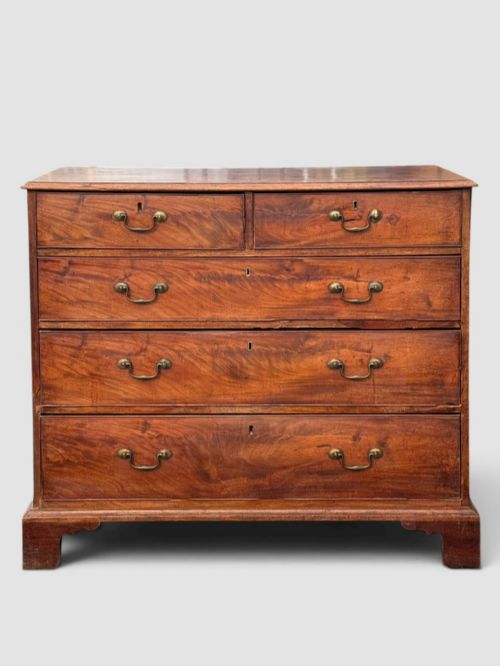
Mahogany dominates the material selection, appearing alongside pine, walnut, and flame mahogany veneer. Common configurations include bow-fronted chests, tallboys, and pedestal desks equipped with brass handles.
Materials and Construction
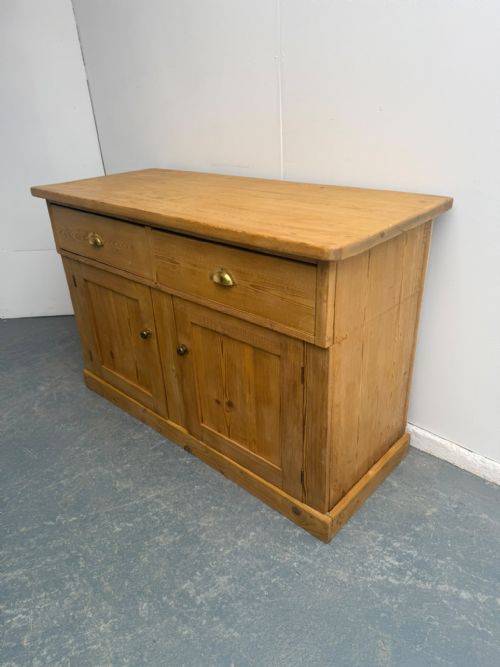
Cabinet makers utilised solid timbers and veneers like flame mahogany and walnut applied over secondary woods. Brass fittings provide hardware for drawer pulls and handles on pieces ranging from pine kitchen dressers to mahogany commodes.
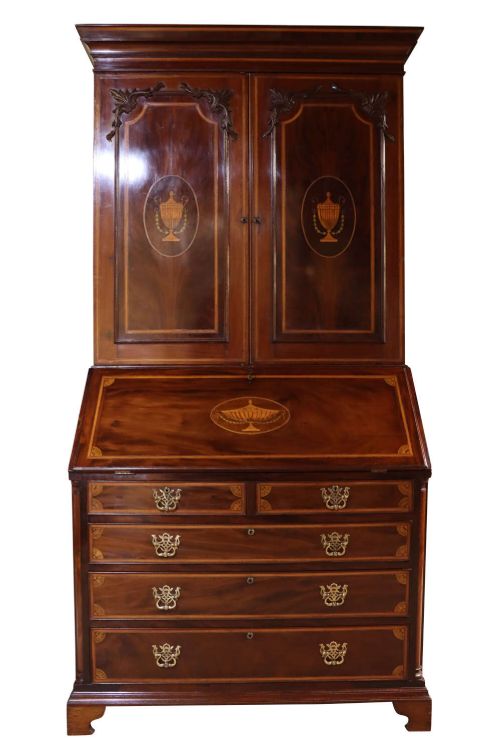
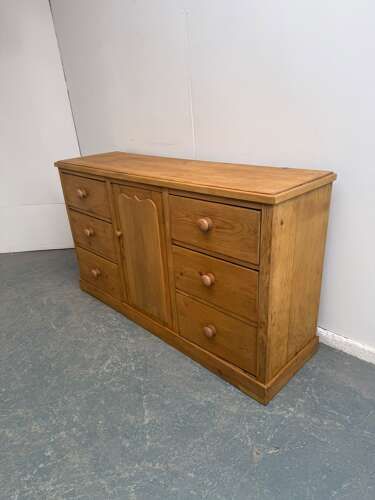
Surface treatments involve wax finishes on pine alongside polished mahogany and wood inlay techniques. Construction methods visible in the listings include tongue and groove joints on pine storage units and dovetailed drawer construction.
One remarkably patient cabinet houses forty distinct drawers.
Evaluating Quality
Quality differences emerge in the selection of timber veneers, such as the visual depth achieved in flame mahogany panels. Finer examples display precise wood inlay work and well-proportioned serpentine or bow-front profiles.
The integrity of original brass hardware and the retention of an untouched surface finish distinguish standard utilitarian pieces from finer cabinet work. Structural cohesion in drawer runners and carcase joints marks the distinction between workshop tiers.
T & G Seddon·Brady
The Classic Wooden Drawers Glossary
- Bowfront
- A convex curved front profile typical of many Georgian and Regency chests of drawers. This shape softens the rectangular geometry of storage furniture.
- Serpentine
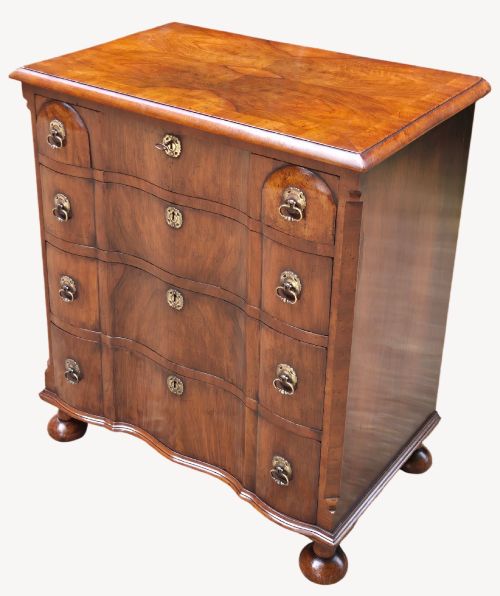
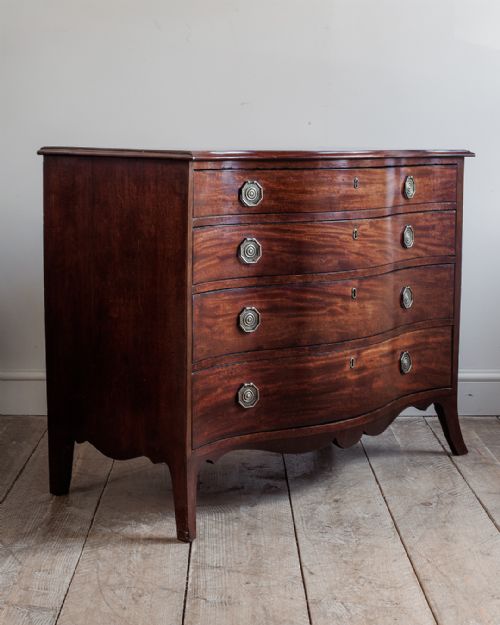
- A gently undulating front with a convex centre flanked by concave curves. This contour appears on finer Georgian commodes and chests.
- Tallboy
- A tall chest of drawers standing higher than a standard chest, often constructed as a chest on chest. These pieces maximise vertical storage space.
- Bureau Bookcase
- A combination desk featuring a sloping writing flap above drawers, surmounted by a bookcase cabinet. Examples survive from the William IV period.
Classic Wooden Drawers: Frequently Asked Questions
What periods do these wooden drawers come from?
The listings span the 18th century, Georgian, Regency, William IV, Victorian, and Edwardian periods. Pieces date from the 1700s through to the early 20th century.
Most items originate from the 19th century and the Edwardian era, showing styles including George III and Victorian country vernacular.
What woods were used to make these drawers?
Mahogany is the primary wood seen across the listings, appearing in solid form and as flame mahogany veneer. Walnut, oak, and pine also feature frequently.
Pine appears commonly in kitchen dresser bases and country chests, while walnut and mahogany form the basis for formal Georgian and Victorian pieces.
How do I identify a bowfront chest?
A bowfront chest has a rounded, convex front profile that projects outward from the centre. This design softens the traditional boxy shape of storage furniture.
This curved form appears often on Georgian and Regency mahogany chests listed on the page.
Are these pieces suitable for daily use?
These classic wooden drawers provide practical storage for modern homes while retaining their antique character. Pieces range from large pine chests to compact bedside cabinets.
Drawer configurations vary from two-over-three arrangements to multi-drawer collectors cabinets, accommodating diverse storage needs.