





Classic Wooden Dining Table
A classic wooden dining table anchors the room with substantial presence, built from rich timbers designed to gather people for generations.
Classic Wooden Dining Table
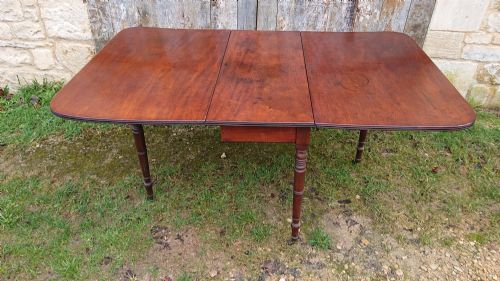
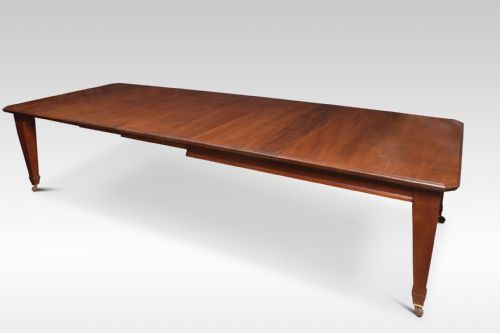
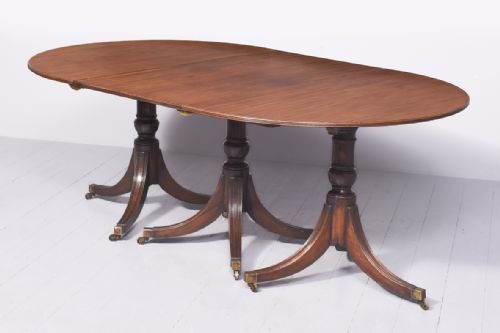
When searching for a classic wooden dining table, you encounter substantial furniture designed primarily for formal dining and daily hospitality. These pieces range from compact drop-leaf and Pembroke forms to grand multi-pedestal extending tables capable of seating large groups.
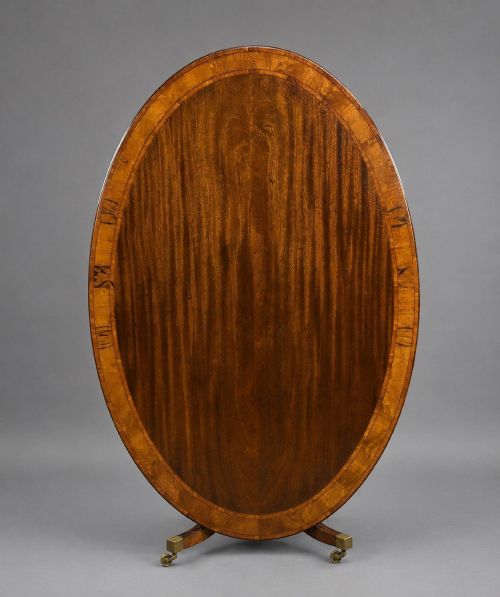
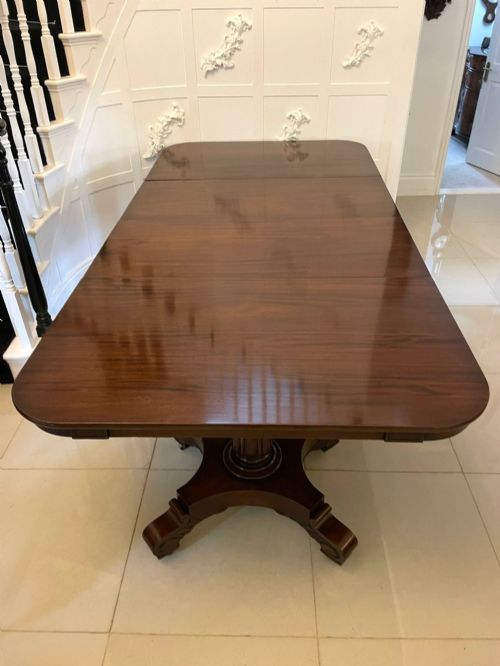
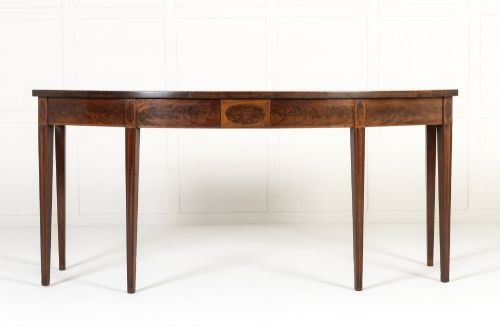
The selections available here lean heavily into 18th century, Georgian, and Regency aesthetics alongside later Edwardian and revival interpretations. You will regularly meet mahogany as the predominant timber, shaped into drop-leaf, D-end, and pedestal configurations.
Originating largely from British cabinet-making traditions, these tables reflect shifting domestic needs from intimate parlour meals to expansive dining halls. The forms span original period construction and later Georgian Revival craftsmanship.
How they were made
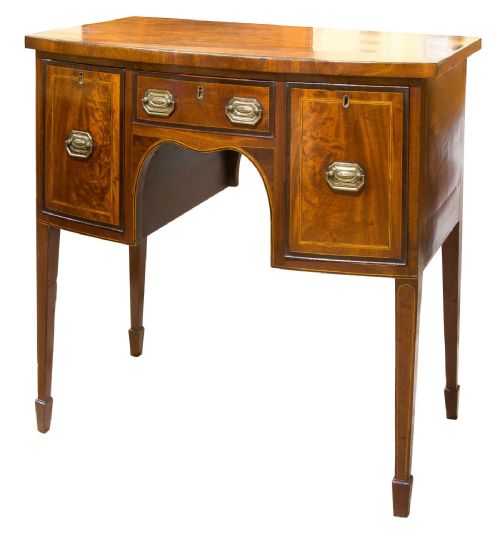
Makers constructed these dining tables using dense hardwoods, predominantly utilising solid and figured mahogany. Workshops occasionally incorporated contrasting woods such as satinwood and boxwood for inlaid stringing and decorative banding.
Structural engineering relied on sturdy pedestals, drop-leaf hinges, and multiple legs to support extending leaves. Brass fittings, including castors and claw feet, provided both mobility and protection for the base of the table.
Some dining tables feature clever hidden mechanisms designed to host elaborate feasts without wobbling under the weight of heavy silver.
What varies in quality
The distinction between standard and superior pieces rests upon timber selection and grain figuring. Tables displaying richly figured mahogany veneers and intricate boxwood or satinwood inlay command greater appreciation from collectors.
Construction methods also dictate quality, particularly the stability of pedestal mechanisms and the seamless alignment of extending leaves. Original brass hardware and balanced proportions further distinguish finer examples from standard workshop production.
The Classic Wooden Dining Table Glossary
- Mahogany
- A durable tropical hardwood prized for its deep reddish-brown colour and stable grain. It served as the primary material for high-grade British furniture throughout the eighteenth and nineteenth centuries.
- Pedestal
- A central column support resting on splayed legs, often fitted with brass castors. This design allowed greater legroom around the perimeter of large dining tables.
- Drop-leaf
- A table configuration featuring hinged flaps that fold down to save space. These surfaces lift up and lock into place with swinging wooden brackets when extra dining area is required.
- Inlay
- A decorative technique where contrasting materials like boxwood or satinwood are fitted into recesses within the primary timber. This method created crisp geometric borders and ornamental motifs on table tops.
- D-End
- A table end shaped in the semi-circular profile of the letter D. These modular sections often stood at either end of a multi-part extending dining table.
Classic Wooden Dining Table: Frequently Asked Questions
How do I care for a wooden dining table?
Maintain the finish by applying natural beeswax rather than silicone-based sprays, which can build up over time. Use coasters and placemats to protect the polished surface from heat and moisture.
Keep the timber away from direct sunlight and strong heat sources to prevent the wood from drying out and splitting.
How do I tell original period from revival?
Examine the underside and interior construction for hand-cut joinery, timber shrinkage patterns, and tool marks consistent with period hand-tools. Secondary woods used in framing often reveal the true age of the piece.
Revival pieces made during the Edwardian era or the nineteen-twenties typically show uniform machine-cut elements and modern adhesives beneath the polished exterior.
What is figured mahogany?
Figured mahogany refers to wood grain that exhibits unique, highly decorative patterns such as flame, curl, or feathering. This visual texture occurs naturally in specific sections of the tree.
Cabinet-makers reserved these prized veneers for the most prominent surfaces of high-status dining tables and serving furniture.