


Classic Wooden Credenza
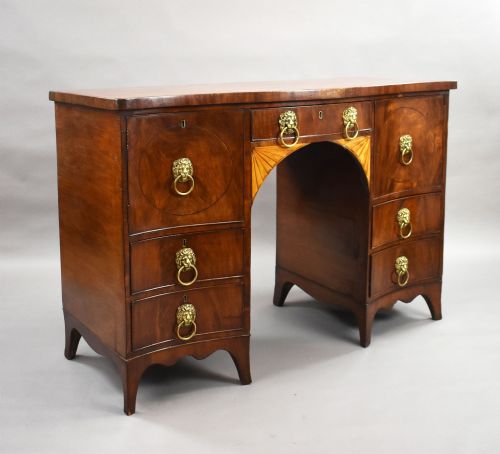
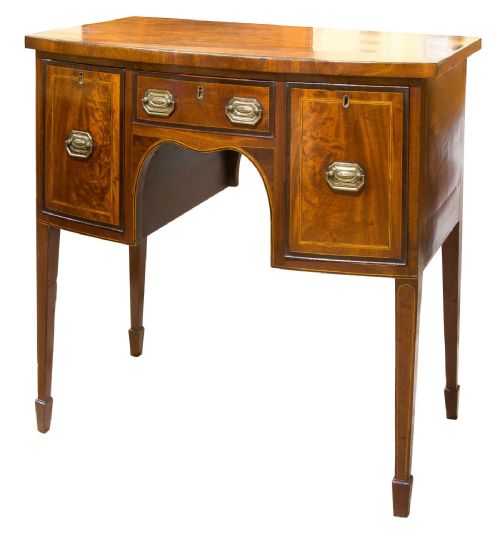
These classic wooden credenza pieces are substantial serving surfaces and storage cabinets in mahogany and pine, offering timeless utility for the dining room.
Classic Wooden Credenza
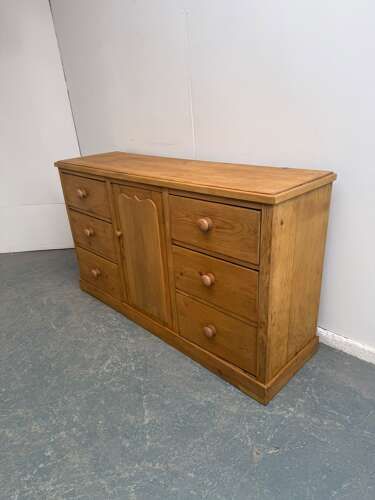
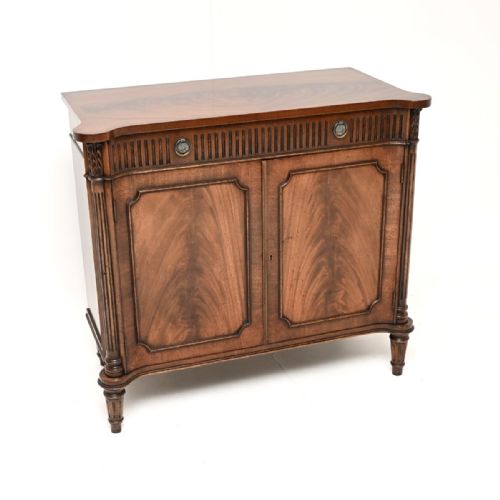
When searching for a classic wooden credenza, buyers encounter robust pieces catalogued as sideboards, side cabinets, chiffoniers, and dresser bases. These items stem from the Georgian, Victorian, and Edwardian eras, reflecting periods of fine cabinet making.
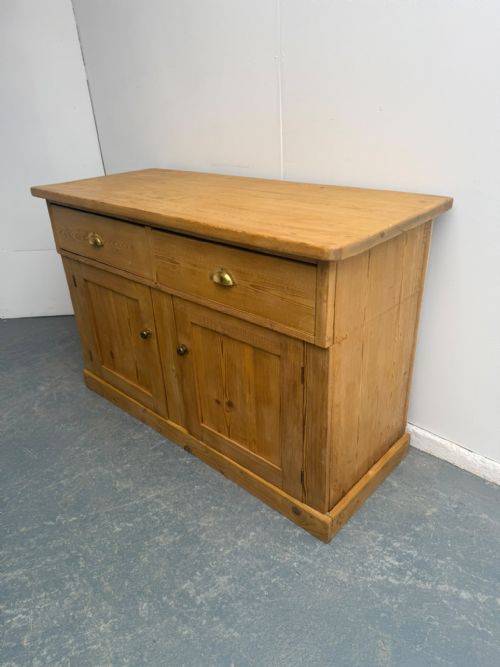
The versions most commonly met on this page span the eighteenth, nineteenth, and early twentieth centuries. They range from formal bow front designs to sturdy country pine dresser bases.
Form follows function across these examples, providing deep drawers and generous cupboards originally intended for dining room service. Mahogany predominates among the formal styles, whilst pine serves the simpler vernacular pieces.
How they were made
Cabinet makers utilised solid timbers alongside flame mahogany veneer to achieve rich surface figures, often pairing primary woods with secondary pine carcass structures. Drawers typically feature hand-cut joints rather than modern mechanical fastenings.
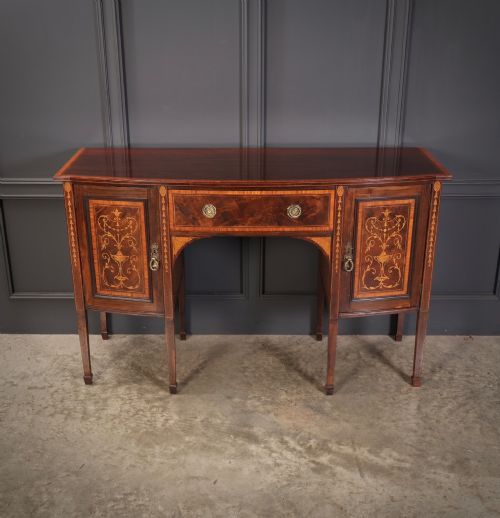
Decorative detailing relies on precision craftsmanship, incorporating boxwood inlay and marquetry directly into the timber surfaces. Brass hardware, including handles and escutcheons, completes the construction of these formal storage pieces.
Finishes were traditionally applied by hand using wax or polishes to enhance the natural grain of the mahogany or pine. Waxed pine dresser bases display a more rustic preparation compared to the polished surfaces of Georgian and Regency examples.
Six-legged Georgian sideboards provide an unexpectedly sturdy stance for managing heavy silver platters.
What varies in quality
The hierarchy of quality rests primarily on the selection of timber and the ambition of the design. Dense, well-figured mahogany and striking flame veneers elevate a piece far above standard commercial production.
Execution of decorative elements dictates the upper tiers of craftsmanship. Crisp boxwood inlay, delicate marquetry work, and well-proportioned bow front shapes distinguish master cabinet work from simpler vernacular output.
Structural integrity and the retention of original hardware play a decisive role. Pieces that maintain their original brass fittings and sound drawer construction command greater appreciation from informed buyers.
The Classic Wooden Credenza Glossary
- Bow front
- A convex curved cabinet front popular in Georgian and later furniture design. This shape softens the profile of a room whilst increasing internal storage depth.
- Dresser base
- A low utilitarian table fitted with drawers and cupboards beneath the top surface. These originate predominantly from country house kitchens and pantries.
- Marquetry
- The art of applying decorative veneer pieces in various woods to form geometric or pictorial patterns. It requires considerable skill to fit the segments seamlessly.
- Pedestal sideboard
- A heavy dining room form featuring central serving space flanked by enclosed cupboards or pedestals. They became prominent during the Georgian and Victorian periods.
Classic Wooden Credenza: Frequently Asked Questions
What is a classic wooden credenza used for?
These pieces serve as practical storage cabinets and display surfaces within dining rooms and living spaces. They provide deep drawers for linen and cutlery alongside large cupboards for tableware.
Historically designed for the dining room service, they adapt easily to modern homes as media consoles or hallway sideboards.
How do I identify a Georgian piece?
Georgian examples often display rich mahogany timbers, precise boxwood stringing, and elegant bow front profiles. The joinery employs traditional hand-cut techniques appropriate to the eighteenth century.
Proportions remain balanced and classical, reflecting the architectural standards of the period before heavy Victorian ornamentation took hold.
Are pine versions considered formal furniture?
Pine examples generally belong to the vernacular or country tradition rather than formal reception rooms. They often take the form of waxed kitchen dresser bases with practical drawers and cupboards.
These pieces offer a more relaxed aesthetic compared to polished mahogany and suit rustic or eclectic interior schemes.
What is the difference between a sideboard and a chiffonier?
Sideboards are traditionally larger serving pieces designed for formal dining rooms with extensive cupboard and drawer capacity. Chiffoniers are typically more compact nineteenth-century variants.
A chiffonier frequently includes a raised back shelf or superstructure above the main cabinet surface, setting it apart from standard sideboards.