



Classic Wood Table
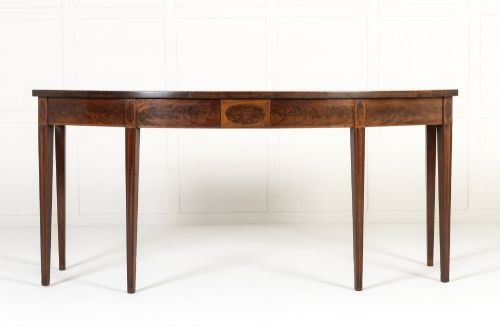
A classic wood table anchors a room through enduring form, bringing warmth and utility from Georgian, Regency, and later periods into daily use.
Classic Wood Table
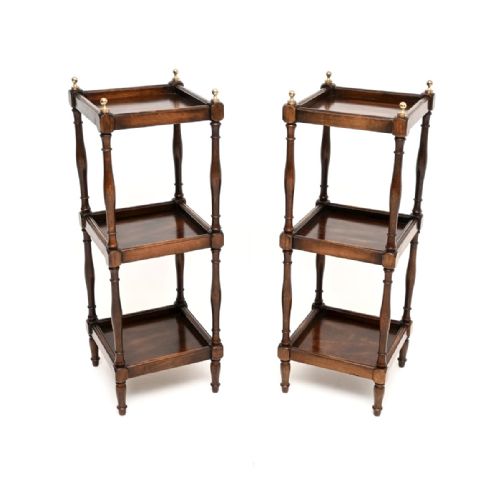
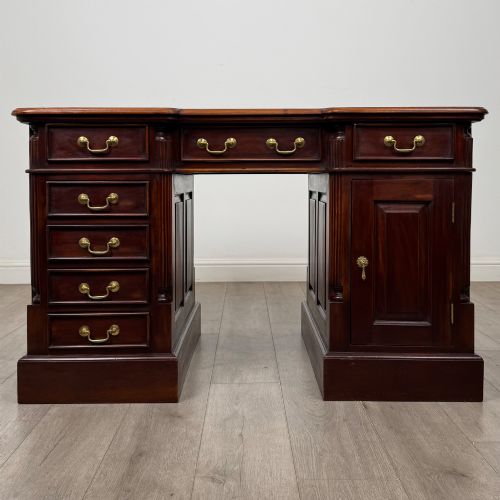
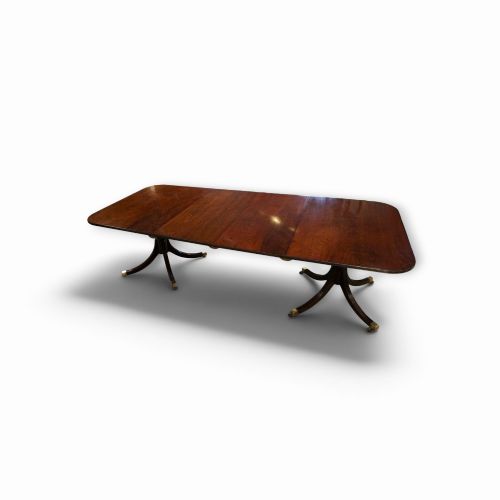
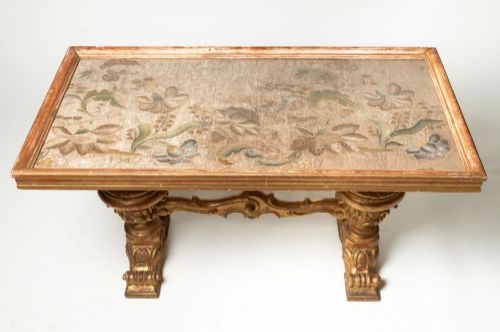
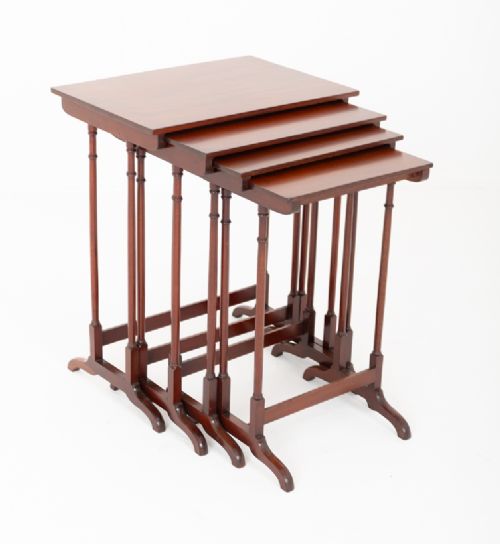
When searching for a classic wood table, buyers encounter a diverse selection of furniture spanning multiple centuries, from formal dining pieces to smaller occasional furniture. The listings here showcase items originating from the Georgian, Regency, Victorian, and Edwardian eras, alongside later revival styles.
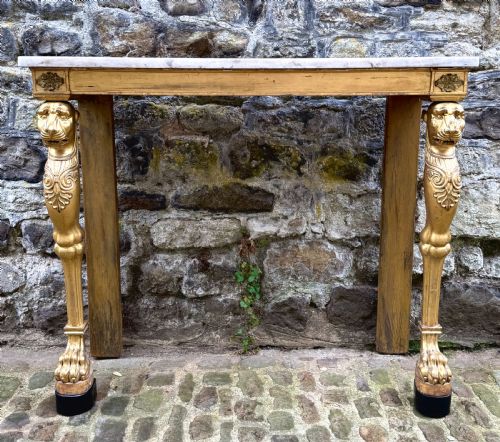
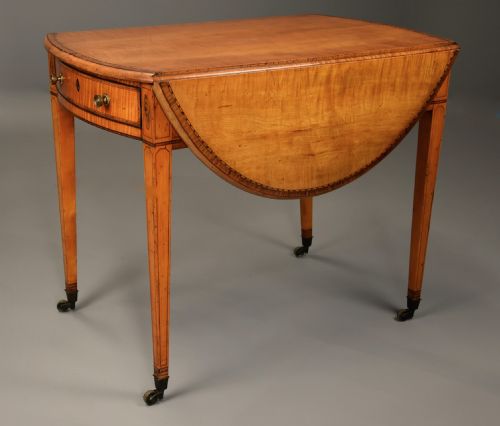
Forms range from Pembroke and pedestal tables to console and coffee tables, demonstrating how traditional cabinet-making serves modern interiors. Each item carries the distinct proportions and construction methods of its respective period.
How they were made
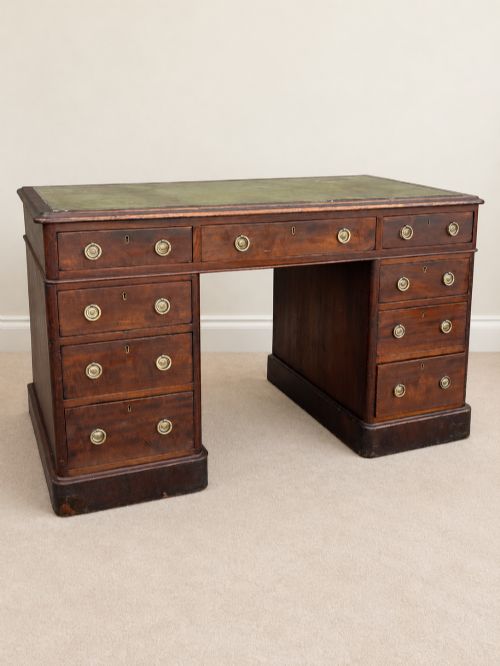
Cabinet-makers relied on dense hardwoods such as mahogany and walnut, frequently selecting figured veneers to create visual depth on table tops and drawer fronts. Secondary timbers provided sturdy internal framing for drawers and under-structures.
Construction involved traditional joinery, including dovetails for drawers and mortise and tenon joints for frames, ensuring lasting structural integrity. Brass castors, handles, and occasional ormolu mounts added functional mobility and decorative contrast to the timber surfaces.
Listings feature items spanning the Georgian, Regency, Victorian, and Edwardian periods, constructed from mahogany, walnut, and satinwood.
What varies in quality
The degree of refinement in timber selection marks the distinction between standard items and exceptional examples, particularly visible in figured mahogany or burr veneers. Superior pieces display carefully matched grain patterns that flow across table leaves and surfaces.
Hand-carved details and the crispness of mouldings indicate the skill of the original workshop, contrasting with simpler, mass-produced joinery. The integrity of the timber movement and the retention of original brass hardware further elevate a piece's standing.
Epstein and Co
The Classic Wood Table Glossary
- Pembroke table
- A small rectangular table with hinged drop leaves on either side, designed for occasional dining or writing.
- Pedestal table
- A table supported by a central pillar rising from a stable base, often featuring carved or reeded details.
- Figured mahogany
- Timber exhibiting distinctive grain patterns such as flame or fiddleback, prized for its decorative appearance.
- Drop-leaf table
- A table featuring folding leaves supported by swing legs or brackets to adjust surface area.
- Ormolu
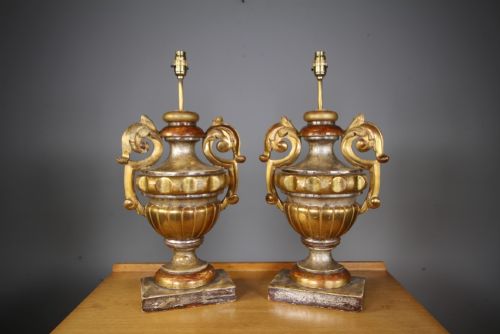
- Gilded bronze mounts applied to furniture for decorative enrichment during the Regency and earlier periods.
Classic Wood Table: Frequently Asked Questions
What is a classic wood table used for?
These tables served various domestic functions historically, ranging from formal dining and letter writing to holding lamps and displaying ornaments.
Today, buyers utilise them in living rooms, hallways, and dining spaces to bring practical surface area and historical character into the home.
How do I identify a Georgian table?
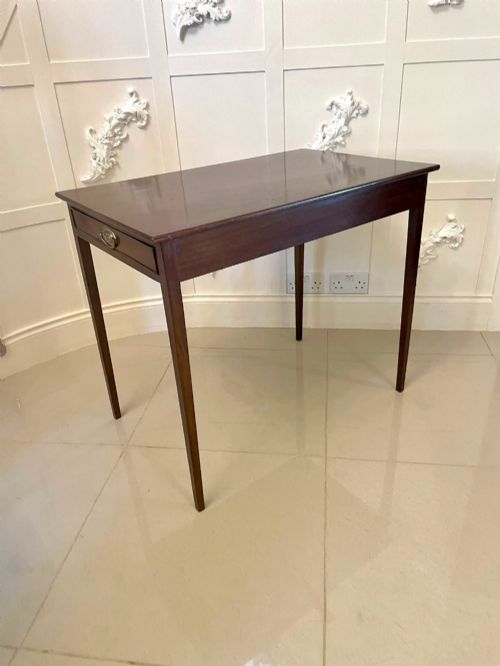
Georgian tables typically display robust proportions, sturdy timber construction, and restrained decorative carving characteristic of the eighteenth century.
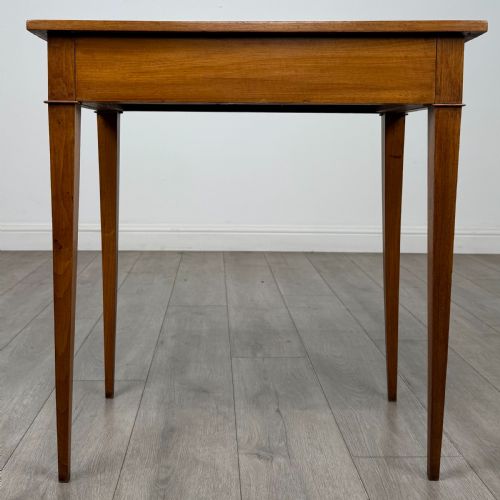
Look for traditional joinery methods and specific leg configurations, such as cabriole or square tapered legs, which define the period's output.
Are these tables suitable for daily use?
Solid timber construction and durable finishes allow these pieces to withstand everyday demands in a modern household.
Using coasters and placemats helps protect historic polished surfaces from heat and moisture during routine daily activities.
What does Regency style mean?
Regency design draws inspiration from classical antiquity, featuring clean lines, dark hardwoods, and often brass inlay or ormolu mounts.
This aesthetic emerged during the early nineteenth century, favouring architectural symmetry and refined decorative restraint.