



Classic Wood Stand
These classic wood stand pieces bring rich timber warmth and practical utility to a room.
Classic Wood Stand
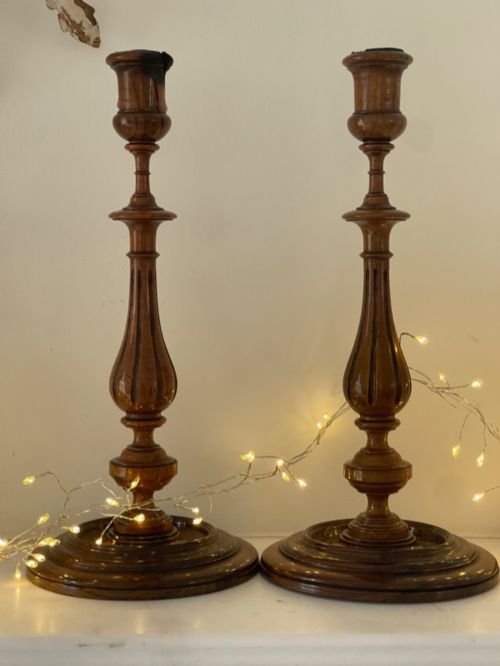
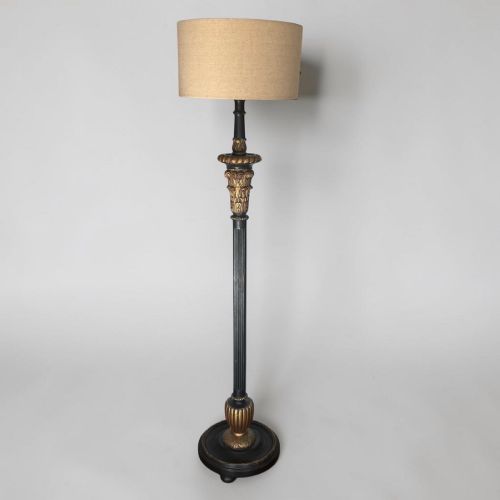
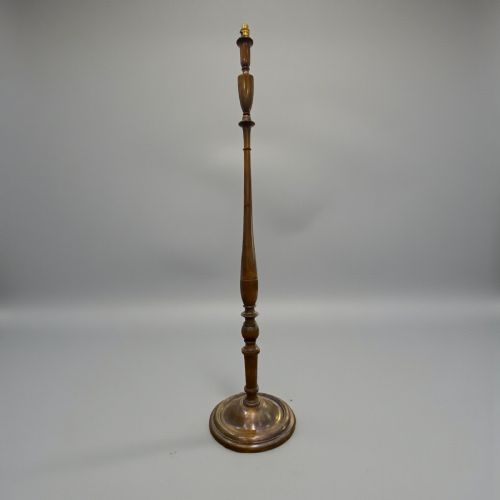
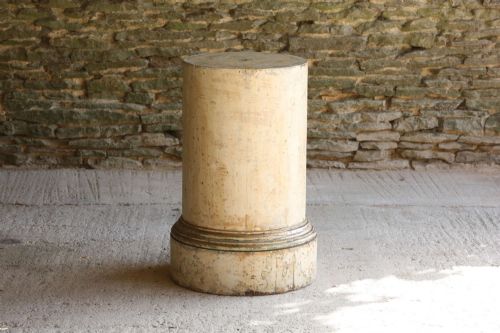
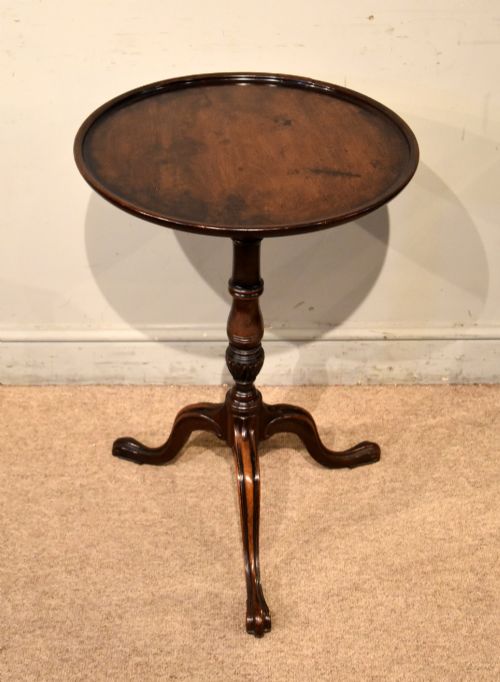
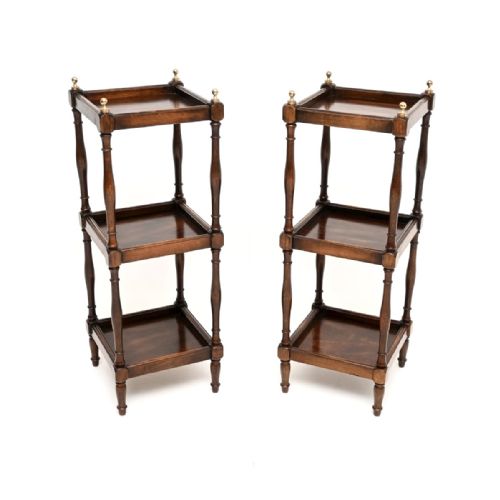
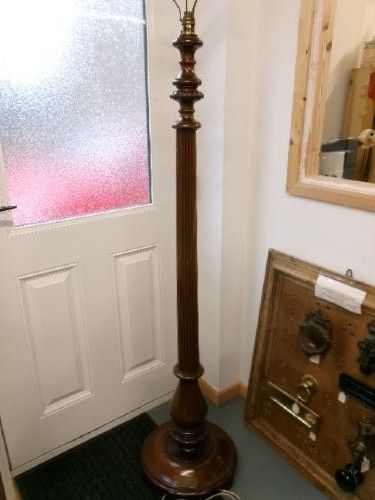
When you search for a classic wood stand, you encounter a diverse selection of traditional furnishings spanning multiple centuries and design movements. The listings include floor lamps, side tables, plant stands, pedestals, and globes made from rich timbers.
Mahogany forms the backbone of these pieces, appearing frequently alongside brass and glass details. You will find items stretching from the Georgian era through the Victorian period and into the mid-twentieth century.
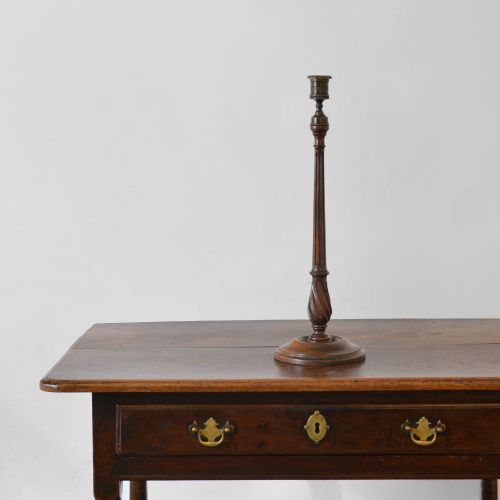
The assortment balances decorative items with functional household furniture, ranging from tall candlesticks and torcheres to occasional tables and luggage stands. Each piece reflects the aesthetic priorities of its specific period of origin.
How they were made
Makers utilised solid mahogany and turned timber, frequently incorporating brass fittings and glass shades to finish lamps and occasional tables. Carved wood and gesso appear on giltwood mirrors and decorative frames from the nineteenth century.
Paper mache constructs the terrestrial globes, paired with wood stands, while bentwood forms the structural curves of specific coat stands. Traditional joinery and turning techniques define the construction across all listed eras.
Classic Wood Stand Retail Price Guide 2026
Typical asking prices for classic wood stand among the pieces listed under this phrase on Sellingantiques today, from the lower quarter to the upper quarter. They describe what is for sale here now, not the wider market.
Materials span mahogany, brass, glass, giltwood, fabric, and paper mache across Georgian to mid-century periods.
What varies in quality
The standard of timber selection and depth of carving separate the finer examples from simpler utilitarian items. Rich grain patterns in the mahogany and crisp execution of turned plinths indicate higher workshop standards.
The integration of secondary materials, such as heavy brass mounts and original glass shades, distinguishes superior lighting and table pieces. Preservation of the original surface finish contributes significantly to the integrity of older items.
Geographia
The Classic Wood Stand Glossary
- Torchere
- A tall ornamental stand designed to support a candelabrum or lamp. These pieces often feature slender columns and carved wooden bases.
- Gesso
- A plaster-like mixture applied to wood surfaces as a base for painting or gilding. It allows artisans to carve intricate decorative details.
- Plinth
- A heavy base or platform supporting a column, statue, or standard lamp. Solid mahogany versions provide sturdy foundations for elevated objects.
- Occasional table
- A small, versatile table designed for specific, intermittent use within a room. Examples include tripod lamp tables and plant stands.
- Bentwood
- Wood softened by steam and bent into curved structural forms. This technique creates lightweight yet resilient frames for coat stands.
Classic Wood Stand: Frequently Asked Questions
How do I date a wood stand?
Dating relies on identifying period characteristics, construction techniques, and material choices ranging from Georgian to interwar styles.
Turned columns, timber selection, and accompanying hardware help establish the era of manufacture.
Where should I place a plant stand?
A plant stand works well near natural light sources such as windows where foliage can thrive.
These compact wooden items also fit neatly into corners or alongside seating areas.
Are these stands made of solid mahogany?
Many of the listed pieces utilise solid mahogany, particularly the turned plinths, occasional tables, and standard lamps.
Makers often combined this dense timber with brass accents and glass components for durability and contrast.